
Affordable Car Cover for a Chevrolet Suburban: A Budget Buyer's Guide
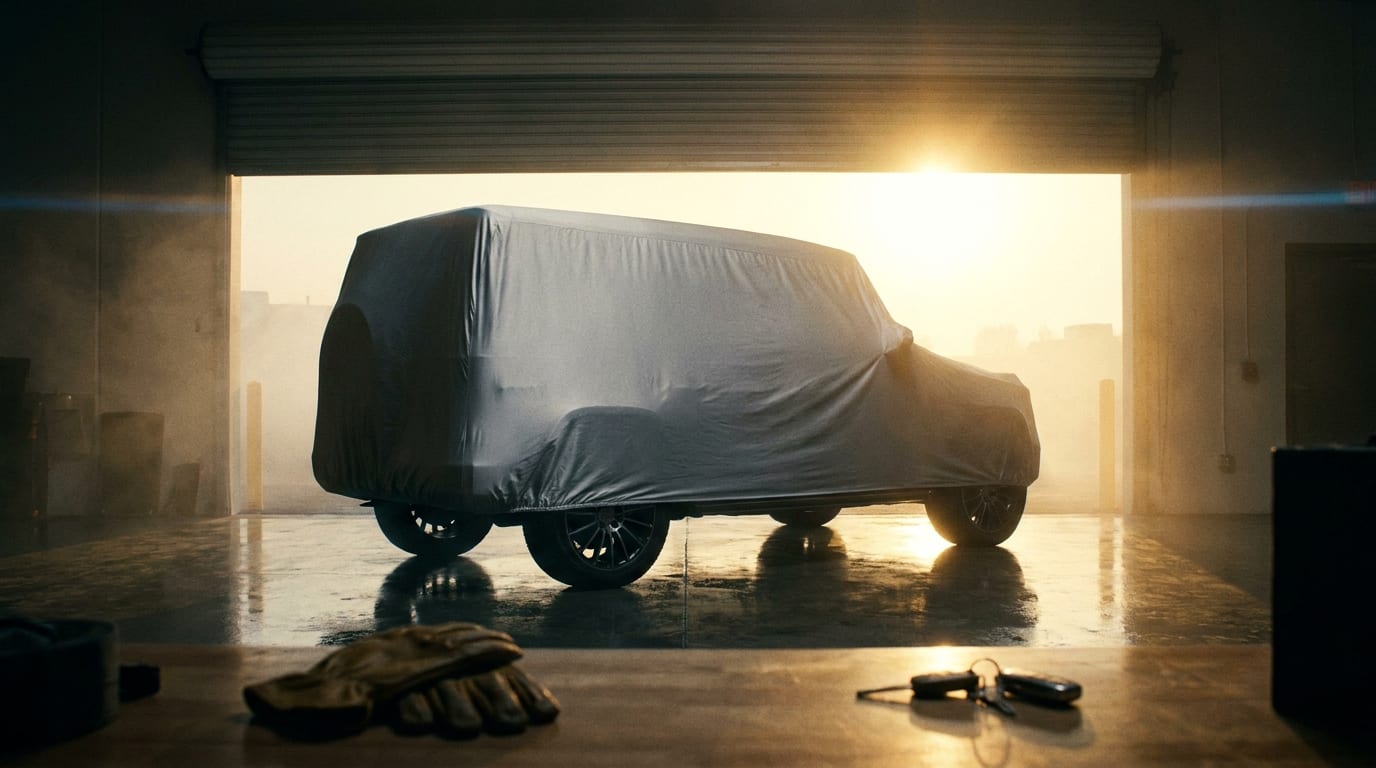
A Chevrolet Suburban isn't a vehicle you cover with whatever's cheapest on the shelf. At over 225 inches long depending on the generation, it's one of the biggest passenger vehicles on the road, and that size changes the math on what "affordable" even means. Finding an affordable car cover for a Chevrolet Suburban isn't about chasing the lowest price tag. It's about not paying twice because the first one didn't fit.
Why the Suburban Makes Budget Cover Shopping Trickier
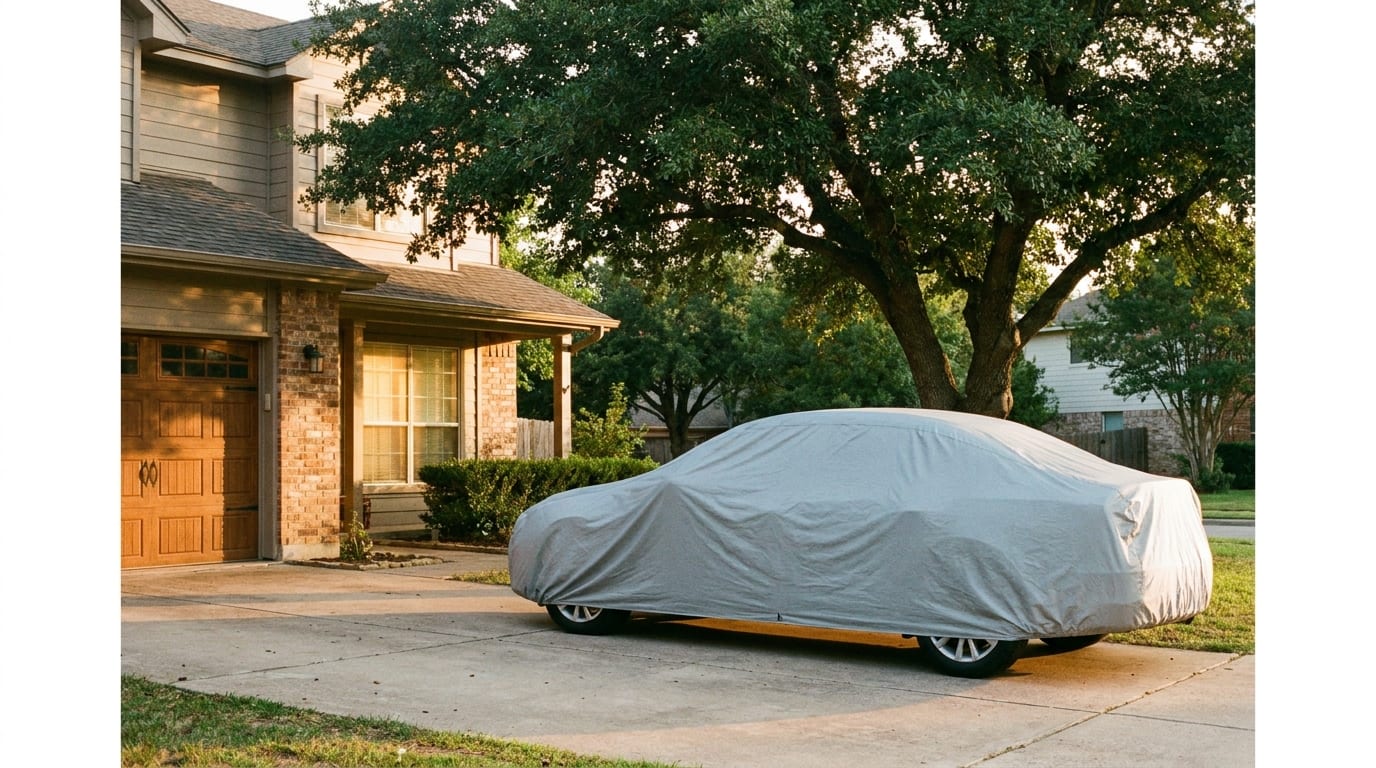
Universal covers are built to stretch across a size range, which sounds convenient until you put one on a vehicle this long. Loose fabric pools at the bumpers, sags over the roofline, and flaps in any real wind. That flapping isn't cosmetic. It's friction, and friction wears down fabric fast.
Here's the rough price landscape you'll run into: universal covers in the $30 to $60 range, semi-custom SUV-fit covers between $70 and $130, and full custom-fit covers starting around $150 and climbing from there. A $35 universal cover looks like the obvious budget win next to a $150 custom one. But if it's falling apart in eight months because it never fit right in the first place, you haven't saved anything. You've just paid for two covers instead of one.
So "affordable" needs a better definition here. It's not the lowest sticker price, it's the best value for a vehicle this size, meaning the cheapest option that still survives contact with the Suburban's actual dimensions and wherever it actually gets parked.
The Minimum Quality Bar: What Not to Skip Even on a Budget

There's a floor below which "affordable" just becomes "disposable." A few things sit below that floor no matter how tight your budget is.
Fabric matters more on a Suburban than on a compact sedan simply because of surface area. The roof and hood catch more direct sun, which means more UV exposure over the same amount of time outside. A multi-layer, UV-resistant fabric holds up to that; a thin single-layer material starts chalking and cracking within a season or two. For anyone parking regularly outdoors, this is worth reading up on through a guide to waterproof car covers before you buy.
A secured hem or strap system isn't optional either. A vehicle this tall and this long catches wind like a sail. Covers without a way to cinch the hem or add straps will shift, bunch, and eventually tear at the seams. If you go this route, plan on adding gust strap wind straps rather than skipping them to save a few dollars.
Check for a real warranty, too. A seller backing their product with an actual warranty on car covers is telling you something about build quality that the price tag alone won't. And read the label carefully: "water-resistant" and "waterproof" are not the same claim. Resistant means it'll shed light drizzle. Waterproof means it holds up to sustained rain. If the Suburban sits outside, that distinction decides whether your cover works or just gets heavy and stays wet against the paint.
What Drives the Price Up (and Where You Can Actually Save)
Material is the biggest lever. Multi-layer woven poly-cotton blends cost more but last years longer than single-layer polypropylene, which tends to go brittle and thin within a season of regular outdoor use. If you're only covering the Suburban occasionally, polypropylene might be fine. Daily outdoor parking, though, and you're better off paying for the layers.
Fit is the second lever, and it's the one people underestimate. A custom-fit cover costs more at checkout, but it reduces flapping, which reduces the wear that kills cheap covers early. Over two or three years, a $150 custom cover that lasts can beat replacing a $40 universal cover three times over. Worth comparing against custom-fit car covers before assuming universal is the frugal choice.
Add-on features are where you can get picky and save real money. Integrated cable lock grommets, an antenna patch, reflective tape: all useful, none of them necessary for every owner. If the Suburban is parked on a quiet driveway, you probably don't need cable lock grommets. If it's on the street, you might. Decide based on where the vehicle actually sits, not based on what the product page upsells you into.
And if the Suburban lives in a garage most of the time, you can save by going with a lighter, cheaper indoor car cover instead of paying for outdoor-grade waterproofing you'll never use.
Budget Price Tiers for a Full-Size SUV Cover
Breaking it down by what you actually get at each price point helps more than staring at a single number.
| Tier | Price Range | What You Get | Best For |
|---|---|---|---|
| Tier 1 | $30-50 | Basic universal fit, light dust/UV protection | Garaged or short-term use only |
| Tier 2 | $70-120 | Semi-custom SUV sizing, water-resistant treated fabric | Occasional outdoor exposure |
| Tier 3 | $130-200+ | Custom-fit for the Suburban, heavy multi-layer fabric, full waterproofing, straps or locks included | Daily outdoor parking |
Tier 1 covers are fine if the Suburban only needs protection from dust in a garage, or if you need something temporary. They're not built for daily sun and rain. Tier 3 is the real long-term value play if the vehicle lives outside, since the heavier fabric and better fit directly address the two things that kill budget covers: UV breakdown and wind wear.
If you're trying to find the realistic minimum for anyone parking outdoors regularly, even on a tight budget, it's Tier 2. Below that, you're gambling on weather being kind to you.
Getting the Right Fit for a Vehicle This Size
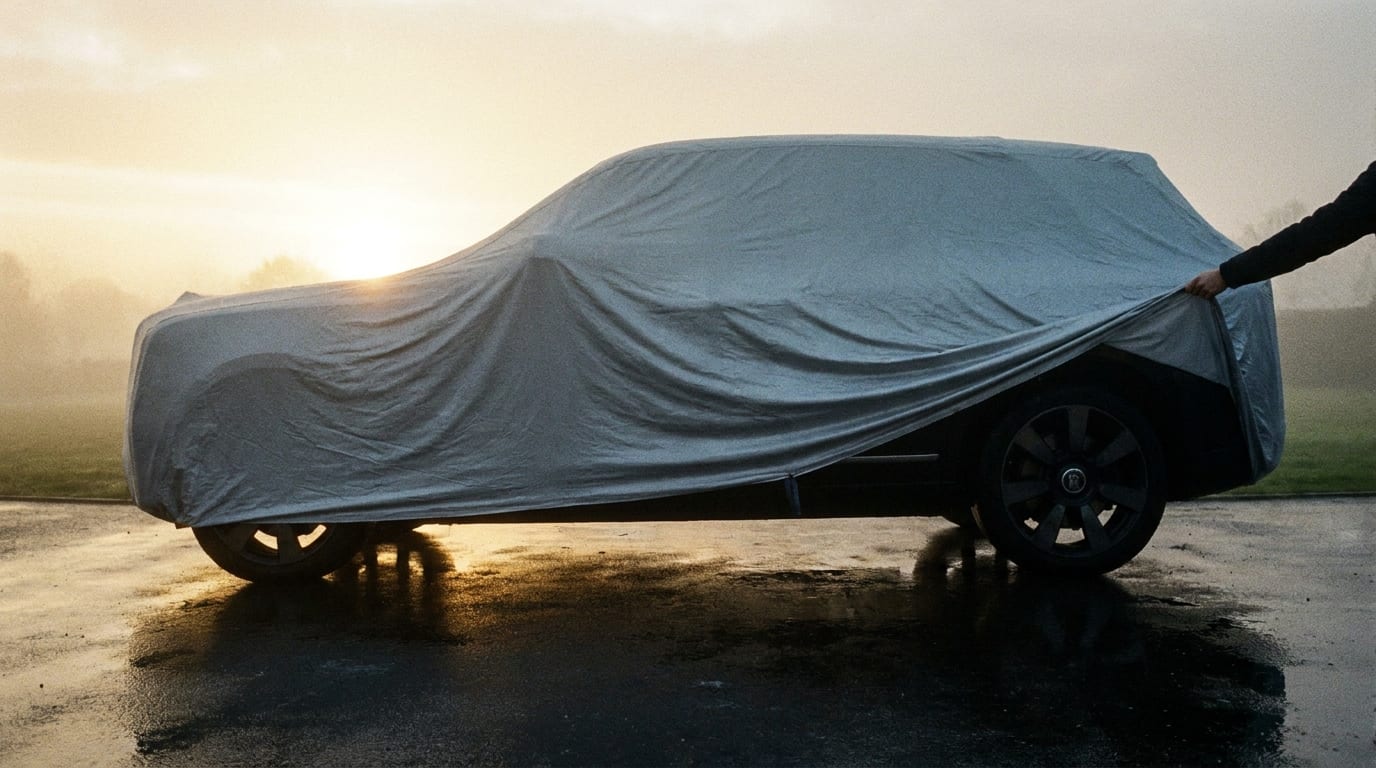
Suburban dimensions shift a bit by model year and trim, so don't eyeball it. Measure bumper-to-bumper length and overall height before you buy anything. A couple inches off doesn't sound like much until the cover's hem is riding four inches above the rocker panels in the wind.
Skip the generic "SUV" size chart if you can help it. Use an actual sizing guide for your vehicle instead of guessing off a chart built for a Honda CR-V and a Suburban at the same time, because they're not the same vehicle and the chart knows it even if the fit range tries to pretend otherwise.
Better yet, go straight to Chevrolet SUV cover options built for the Suburban specifically, rather than browsing every SUV cover on the market and hoping the dimensions line up. It cuts out the guesswork entirely.
Making a Budget Cover Last Longer
A cheap cover treated well will often outlast an expensive one treated badly. Fold it properly between uses instead of balling it up and stuffing it in a trunk corner, since constant creasing in the same spots breaks down fabric coatings faster than UV exposure does.
Clean it according to what it's actually made of. Mild soap and water, no bleach, no harsh degreasers, follow the guide to cleaning a car cover rather than whatever's under the kitchen sink. Harsh chemicals strip waterproof coatings right off, which defeats the purpose of buying a treated cover in the first place.
Secure the straps or cable locks every single time. This is the one piece of advice that matters most and gets skipped most. Wind flapping is the leading cause of early cover failure on large vehicles, full stop, and it's entirely preventable with thirty extra seconds at install. If you're unsure on technique, there's a straightforward guide to installing a car cover worth a look.
And if garage space opens up seasonally, swap to an indoor cover during that stretch. It takes the wear off your primary outdoor cover and stretches its working life by a season or two.
Bottom Line: Buying Smart, Not Just Cheap
Affordable, for a vehicle this size, means matching the fit and the minimum durability bar to how and where the Suburban actually gets parked. Not the lowest number on the price tag, and not the most expensive cover at the top of the list either.
If you're not sure which tier fits your situation, run the Suburban's specs through a cover finder tool instead of guessing off a generic universal size. It'll point you to something sized and priced for how you actually use the vehicle, not a one-size-fits-all guess.
Worth bookmarking the SUV covers category and browsing Suburban-specific options when you're ready. A little time spent matching fit now saves you from buying the same cover twice.
