
The Garage Journal
Storage and care that works, the cars worth keeping, the engineering hiding in plain sight, and the owners who keep them right.

How to store your car the right way
Putting it away for the winter, or finally bringing home the project car? Eight steps protect the paint, the interior and the mechanicals, so it wakes up the way you left it.
Read the storyCare & Storage
Step-by-step care for the car you intend to keep: storing it, cleaning it, getting it through the season.
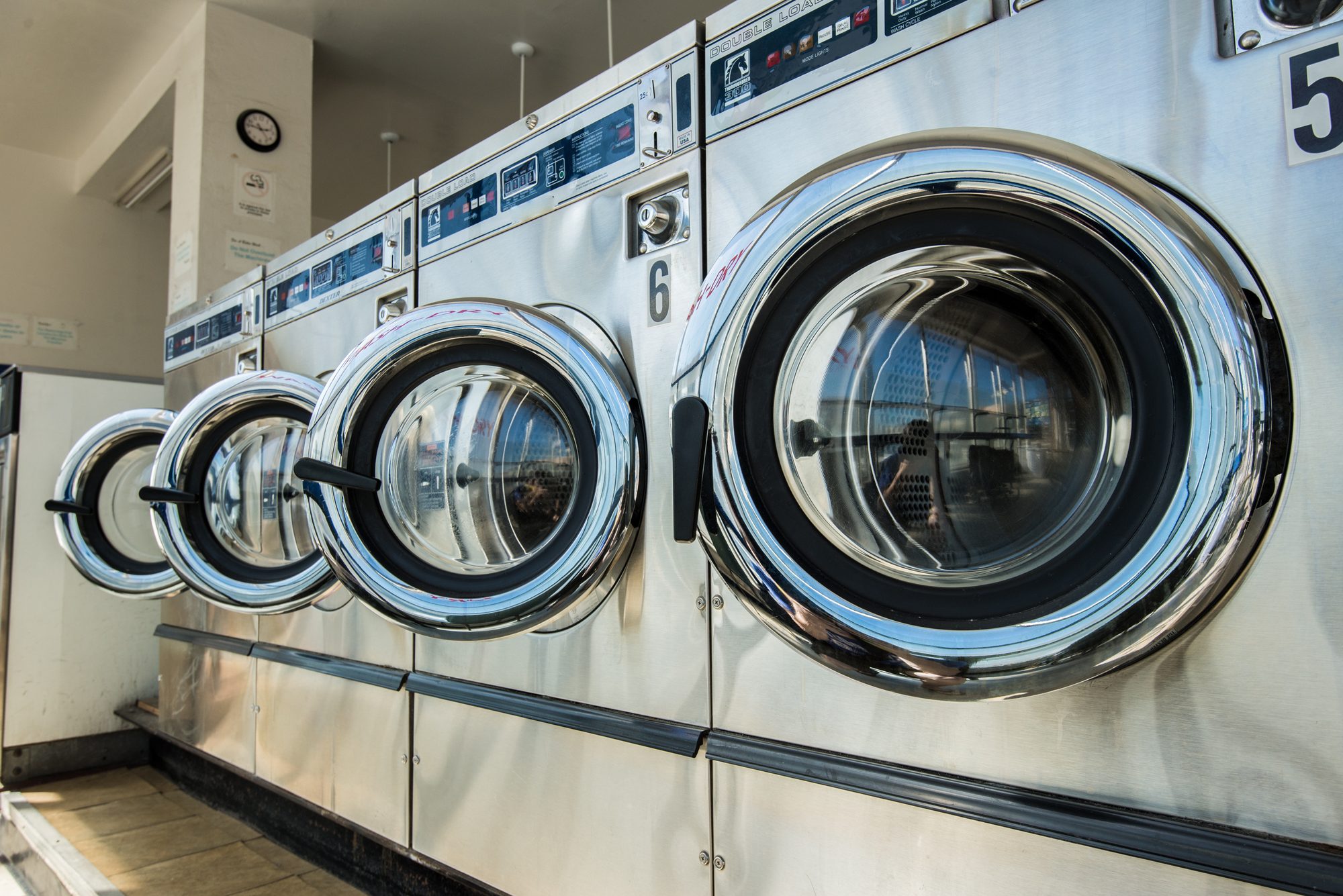
How to clean your car cover
All covers get dirty eventually. Washing yours the right way keeps it doing its job instead of shrinking, tearing, or losing what makes it water-resistant.
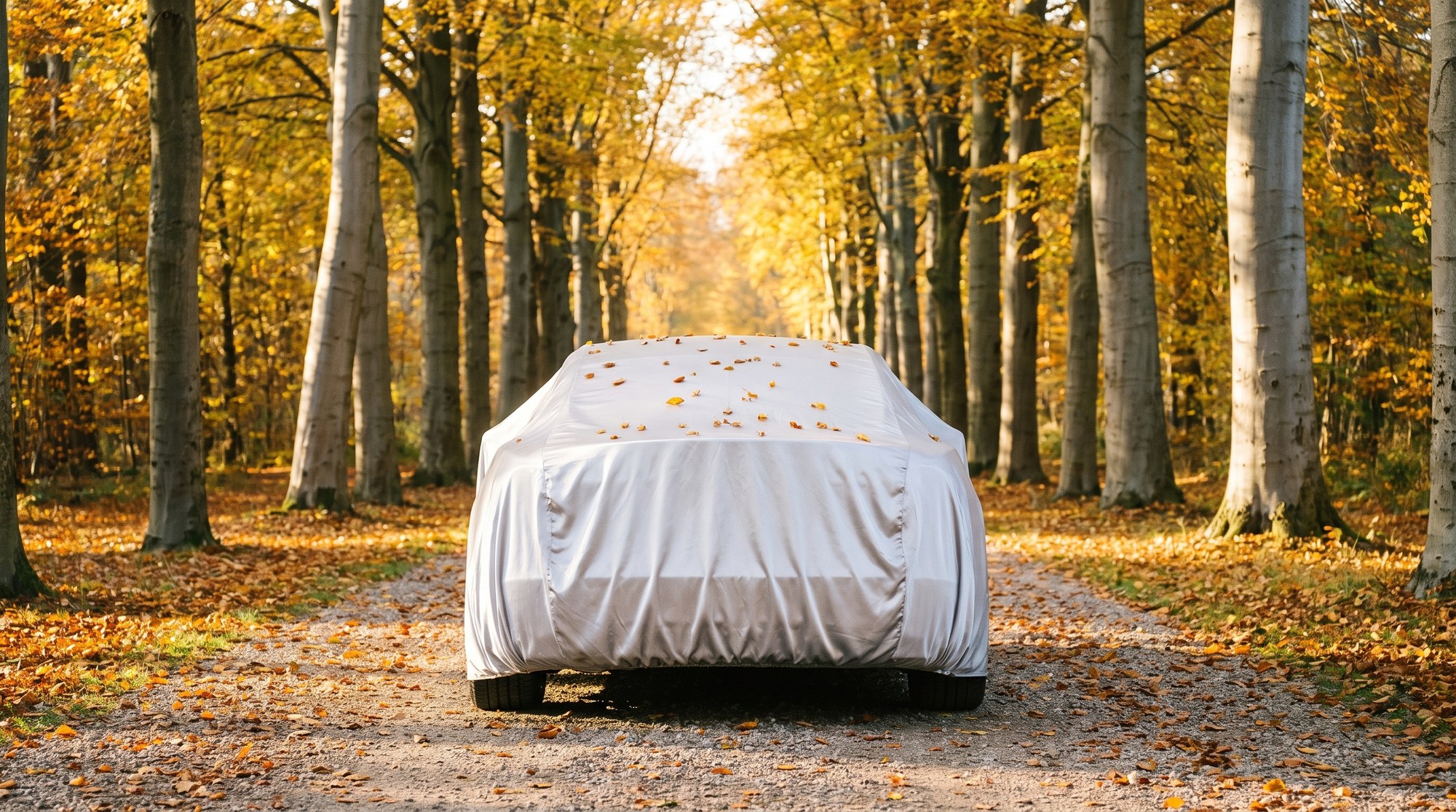
How to protect your car this fall
Tree sap bonds to the paint, wet leaves pile up where they shouldn't, and the season's first storms bring wind and rain. Seven steps keep the finish in shape through it, whether the car sleeps in the garage or out on the driveway.
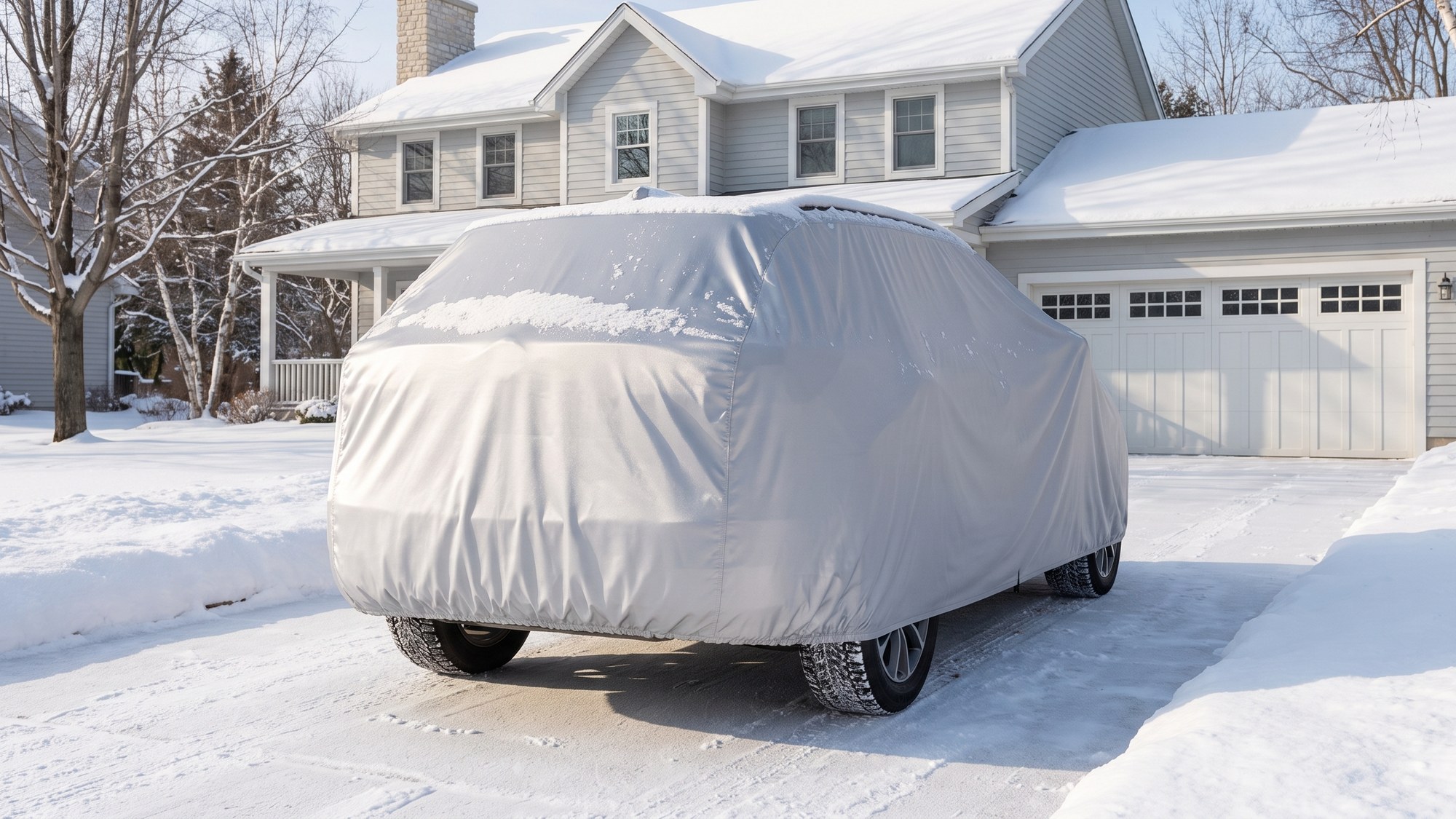
How to protect your car from winter's salt, snow and cold
Salt corrodes brake lines and the frame, trapped moisture freezes door seals shut, and cold cuts battery power hard. A handful of simple habits, and the right cover, keep the damage from setting in before spring.
 Illustration
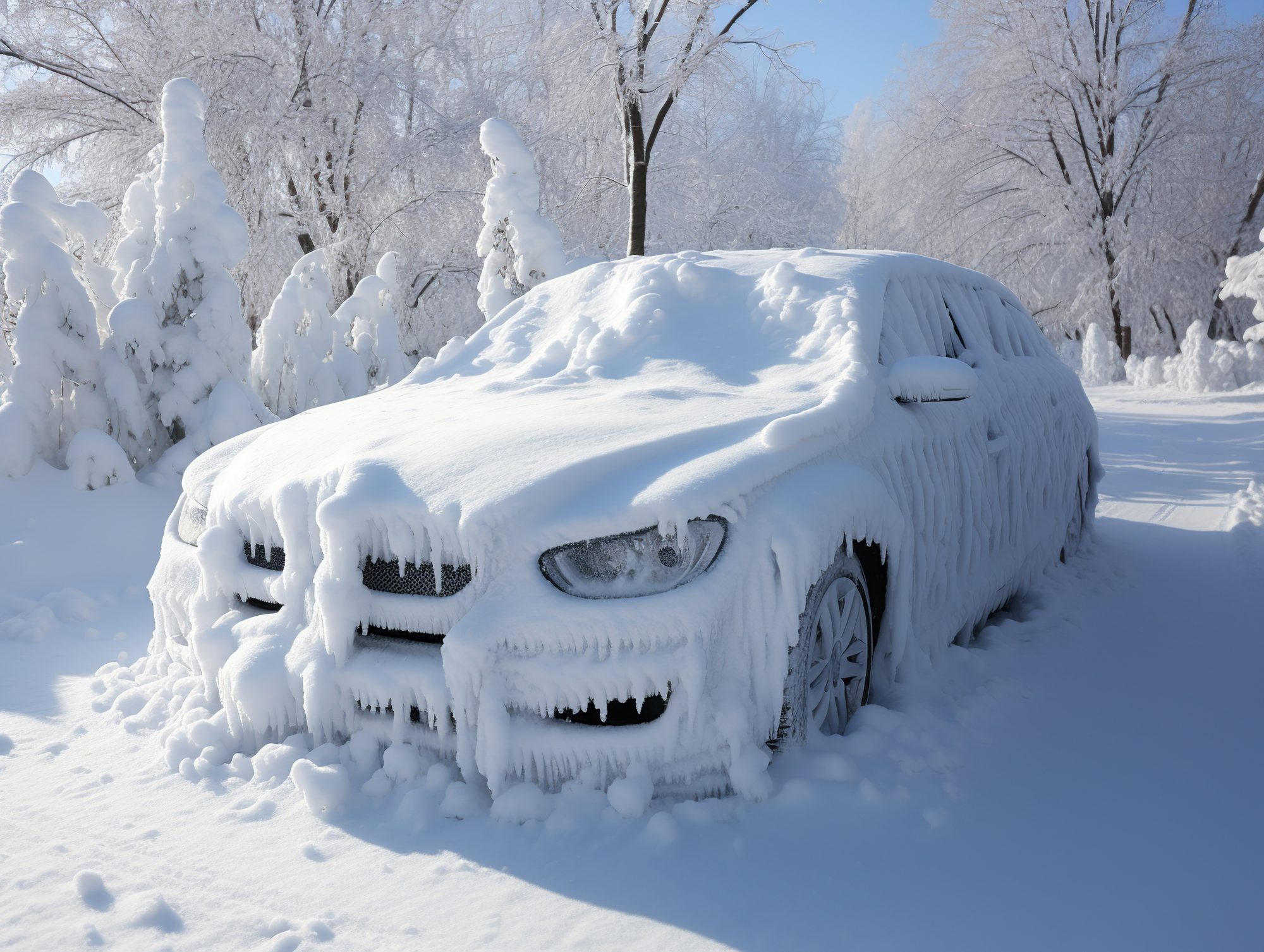
How to protect your car from snow and ice
Winter works on a car left outside: road salt, trapped moisture and a hurried ice scraper all take their toll. Prep the paint before the first storm, pick the right cover, and let it do the work.
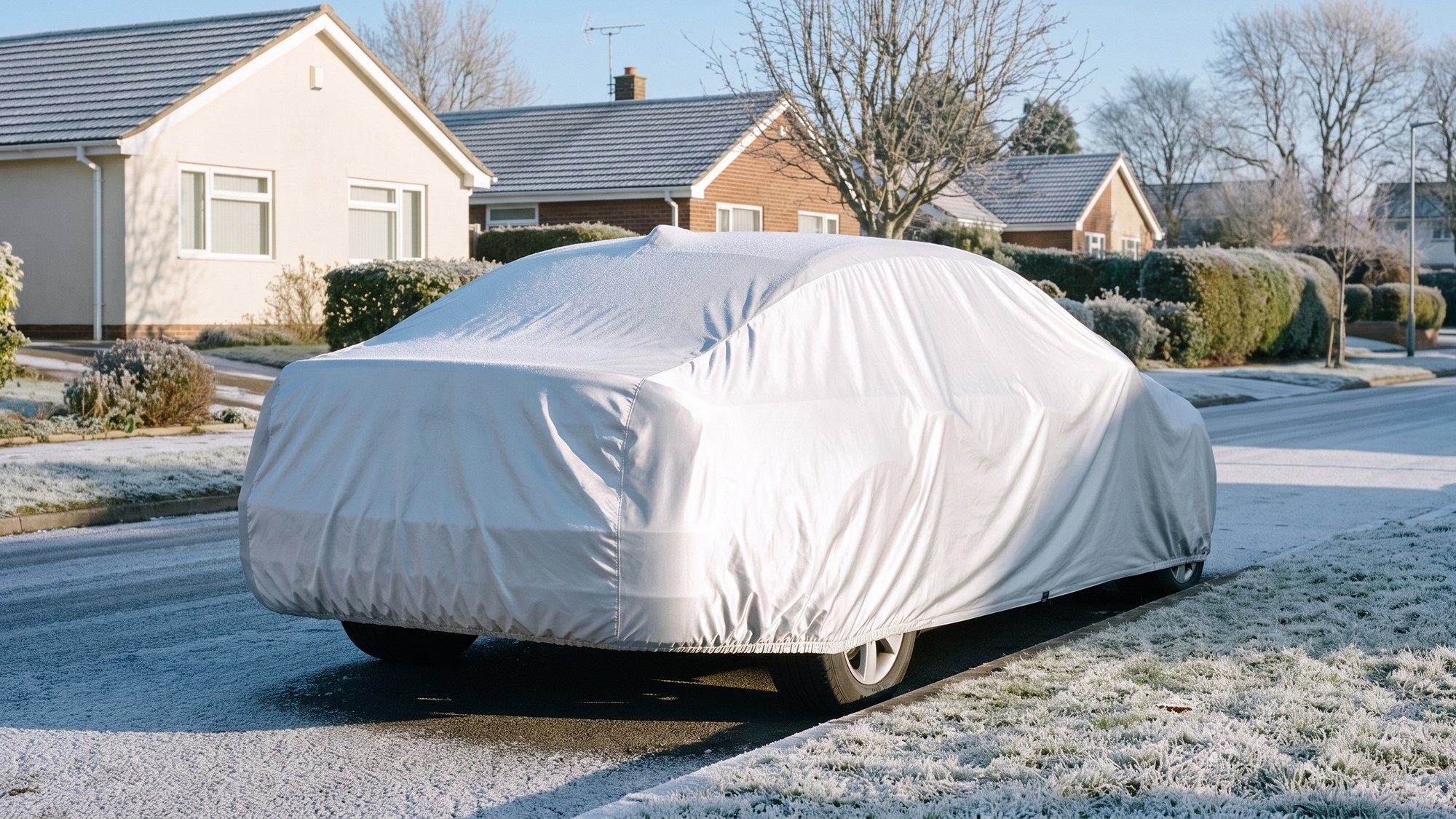
Winter car mistakes that leave you stranded
Four checks worth making before the first freeze: the fluids, the tires, the battery and the cover, so a cold morning doesn't end with a call for a tow.
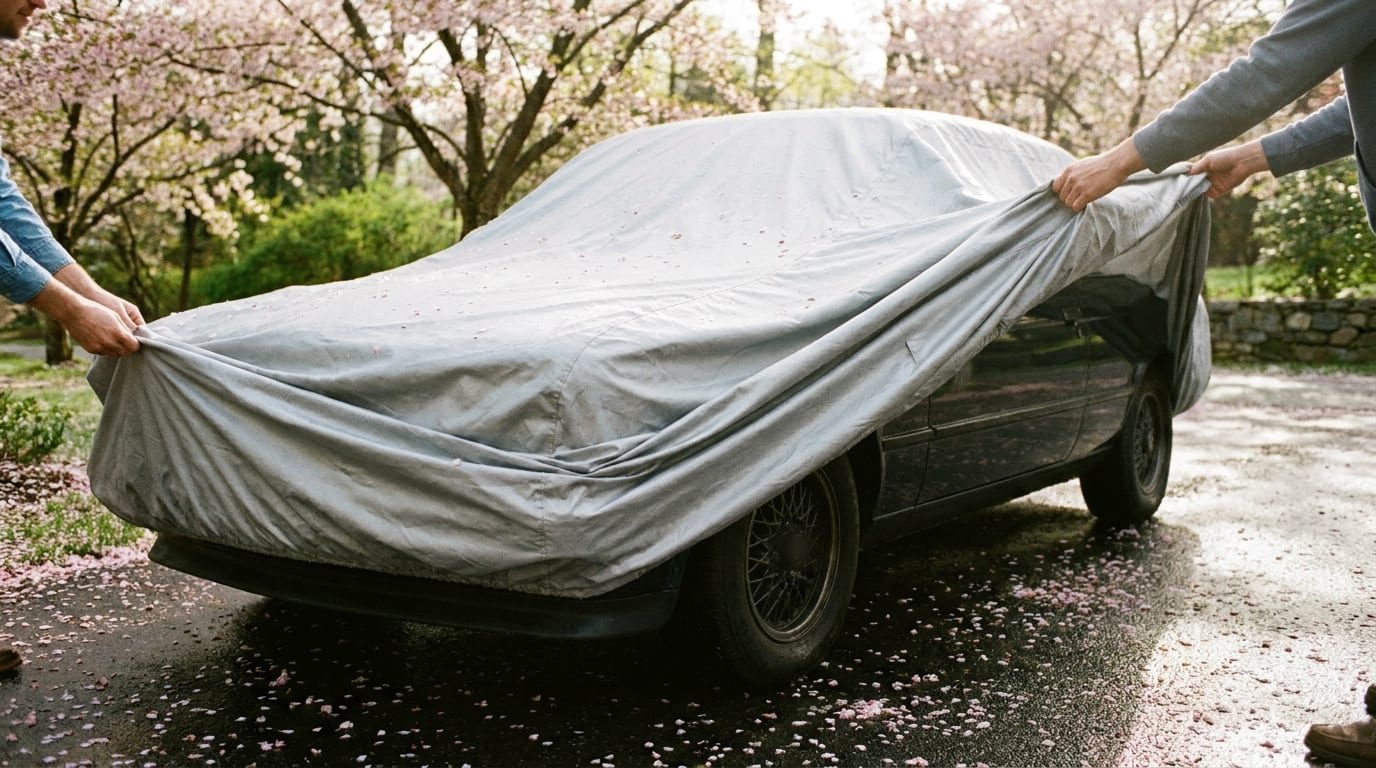
Spring car care: wash and protect the paint
Pollen, sap, bird droppings and a winter's worth of road salt all go after the finish in spring. Wash it right, decontaminate what soap alone won't touch, then put it back under a cover that keeps doing the work.
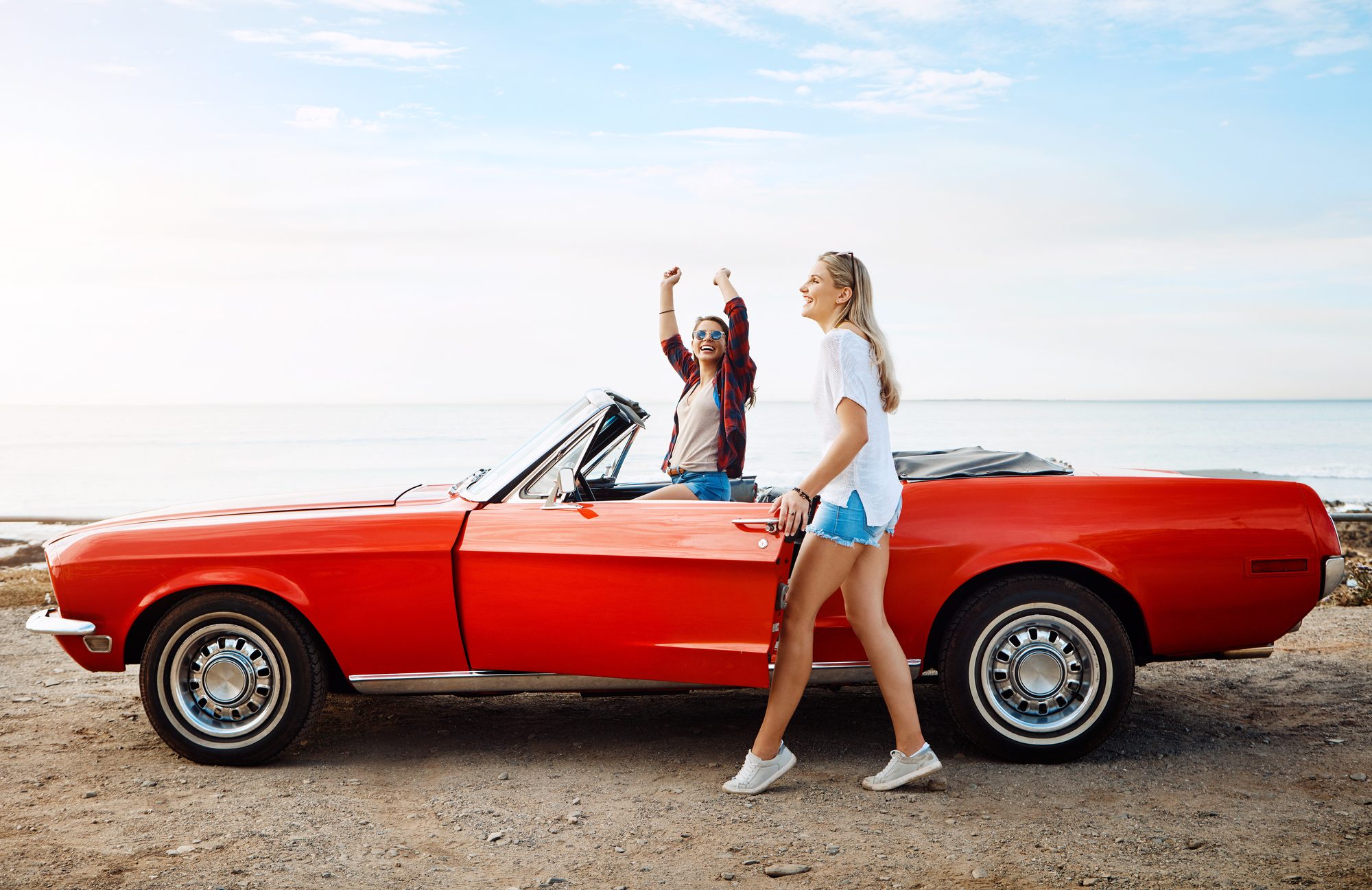
The road trip checklist for your car
A handful of quick checks before the first mile catch the problems that most often strand a car on the shoulder. A cover in the trunk protects it wherever you park for the night.
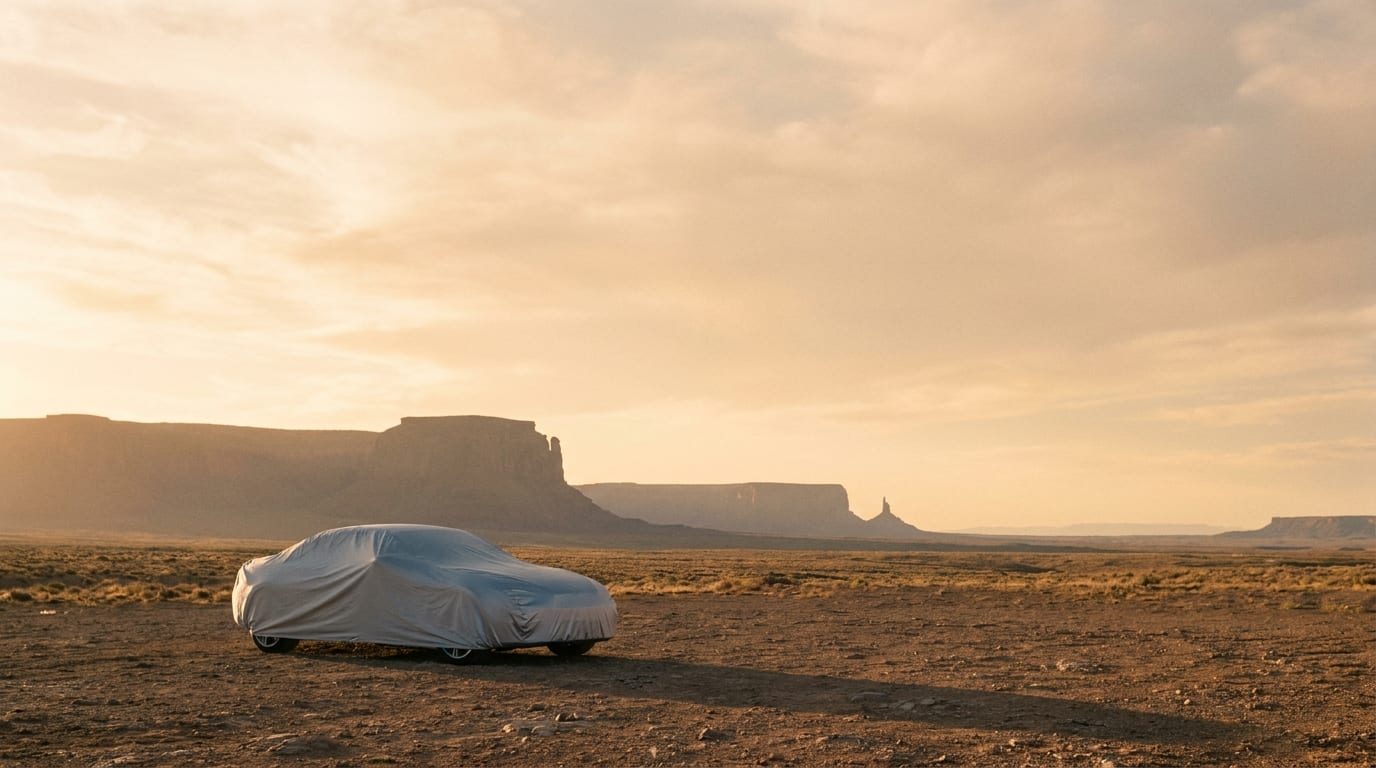
How hot does a parked car really get?
What the studies measured. University researchers tracked parked cars on summer days in Arizona. Here is what the dashboard, seats and cabin reached, in sun and in shade.
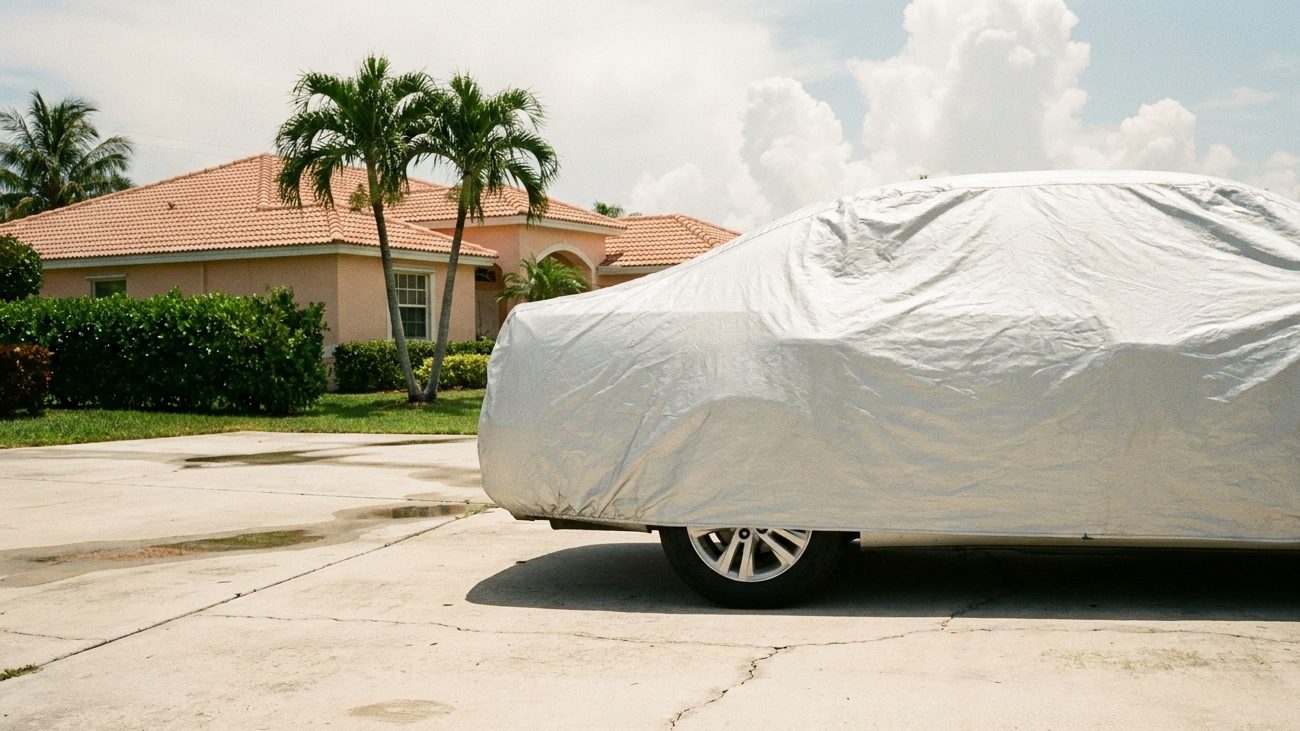
Why Florida can be harder on paint than Arizona
Paint labs test finishes in Florida and Arizona for a reason. Sunlight starts the damage; heat and moisture add to it.
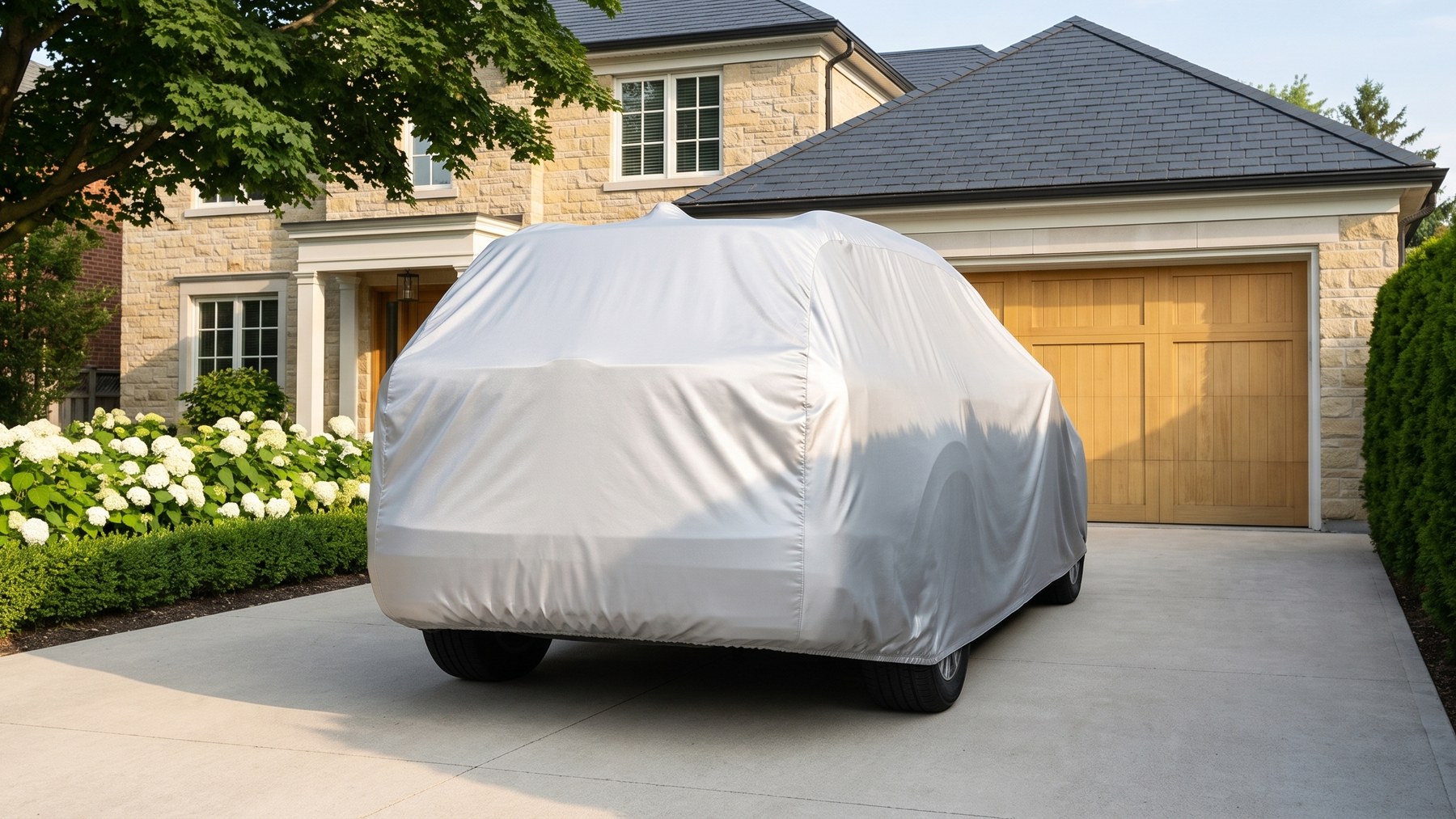
Hail season: when it peaks and which states it hits hardest
The worst months and places for hail.
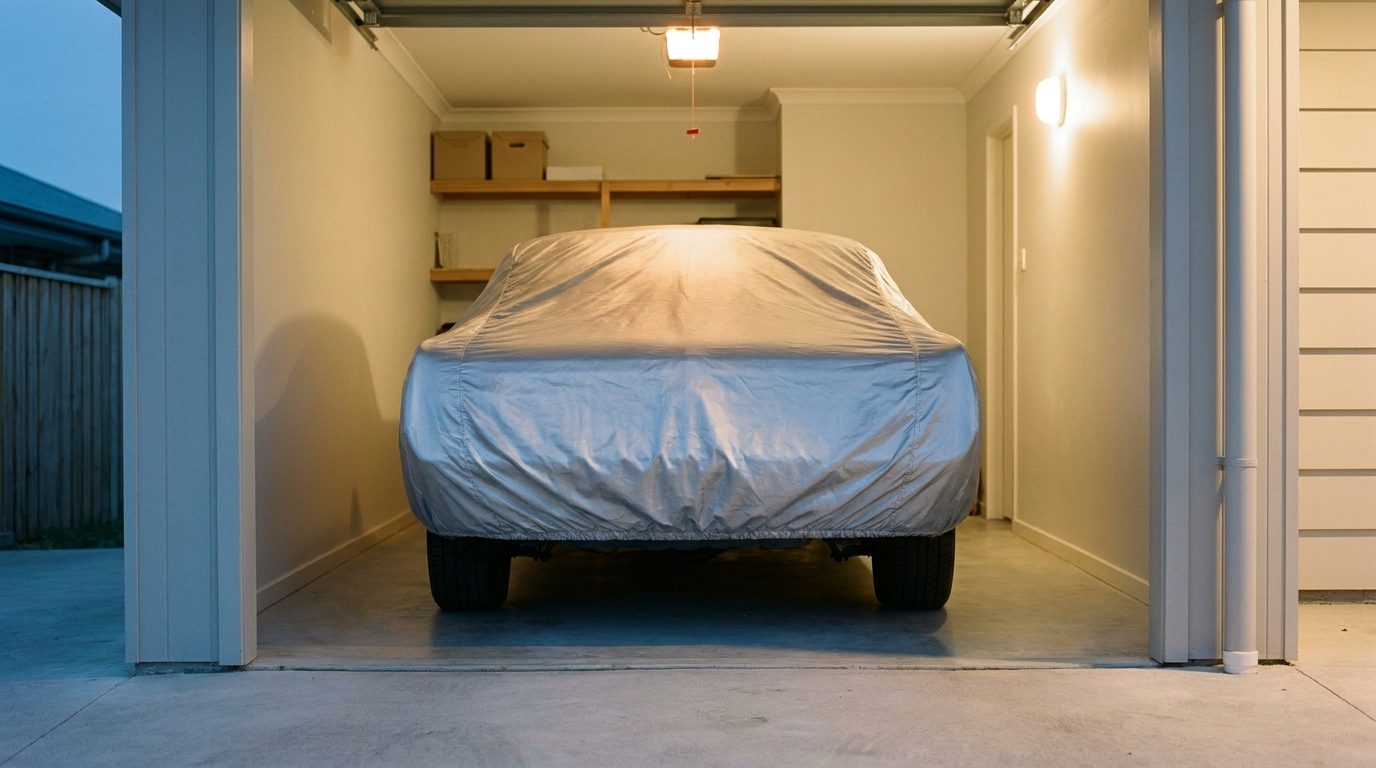
How to Prepare Your Car for a Hailstorm
A watch is your window to get ready. A warning means get inside.
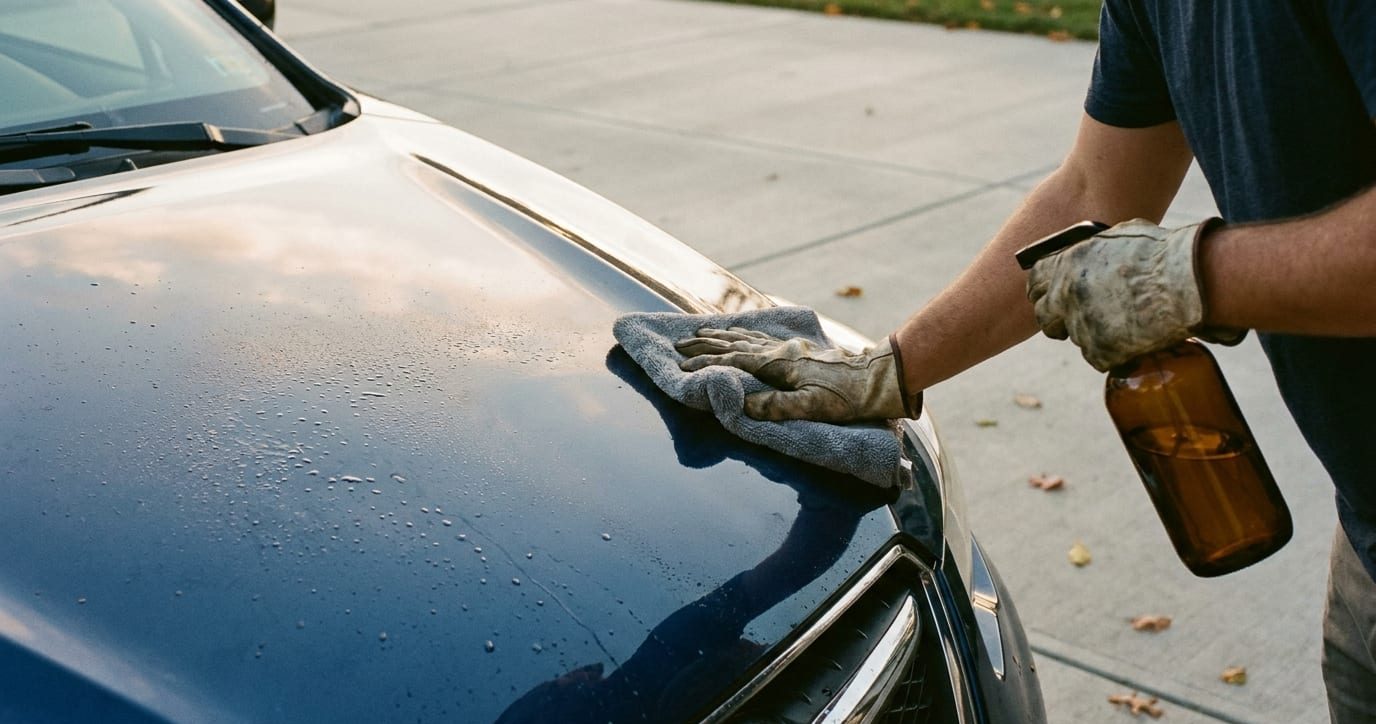
Sticky car under a tree? It's probably not sap
Honeydew is insect waste, not sap. Here is how to tell them apart, and how to get either one off.
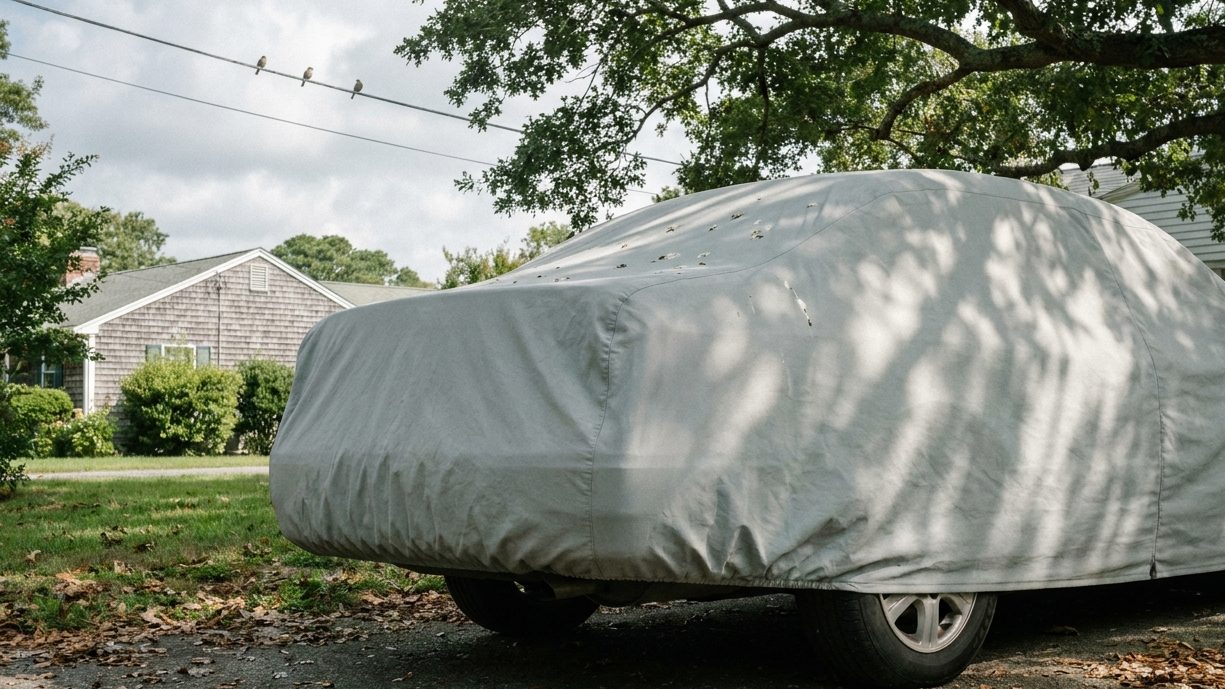
Bird droppings on your car: what really does the damage, and how to clean it safely
It is not mainly the acid. Sun and heat make the damage worse, which is why sooner beats scrubbing harder.
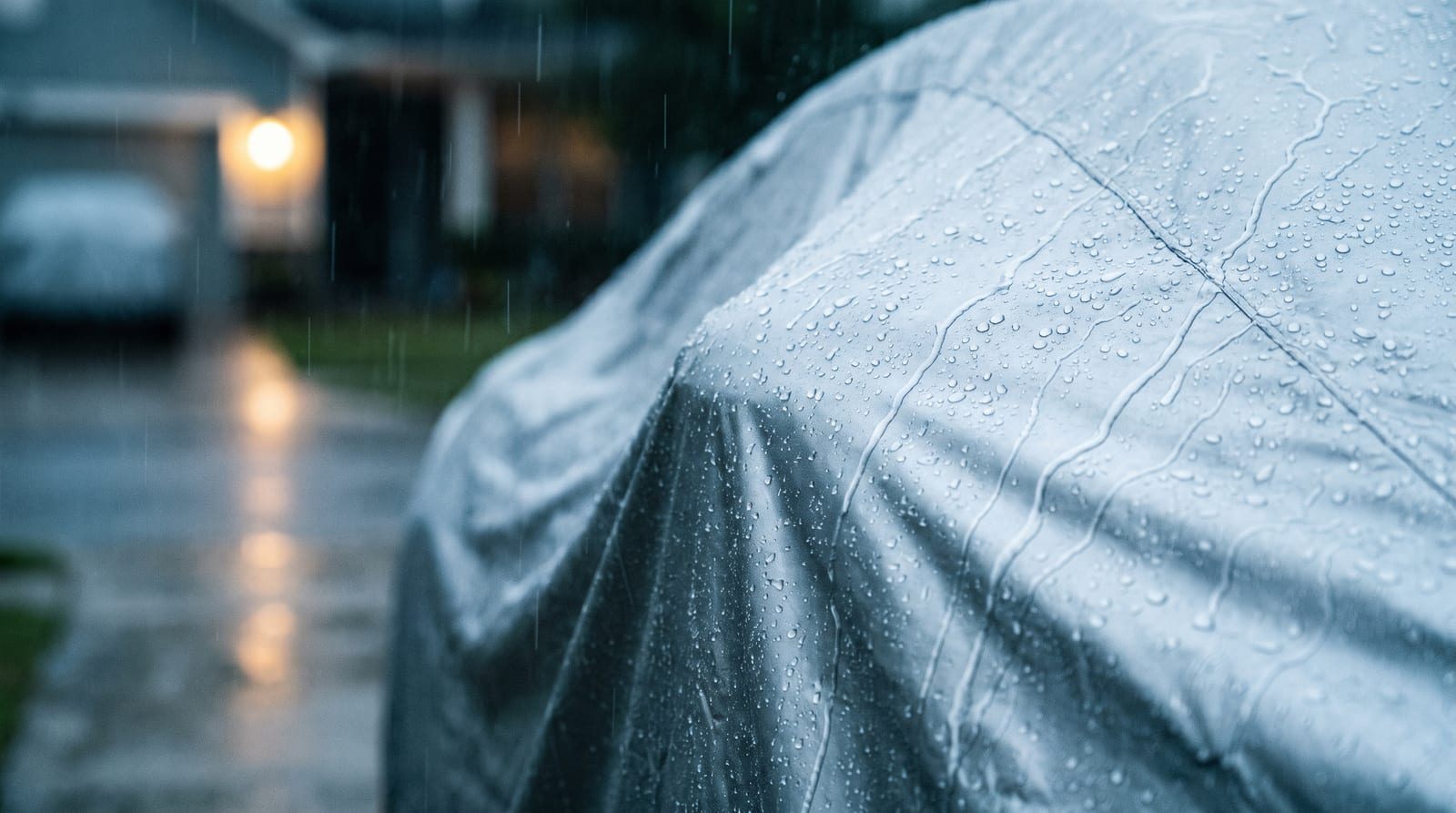
Water spots on car paint: why they form and how to stop them
When hard water dries on paint, its minerals stay behind. What's in the water, why heat makes spots more likely, where acid etching fits in, and the habits that keep a finish clear.
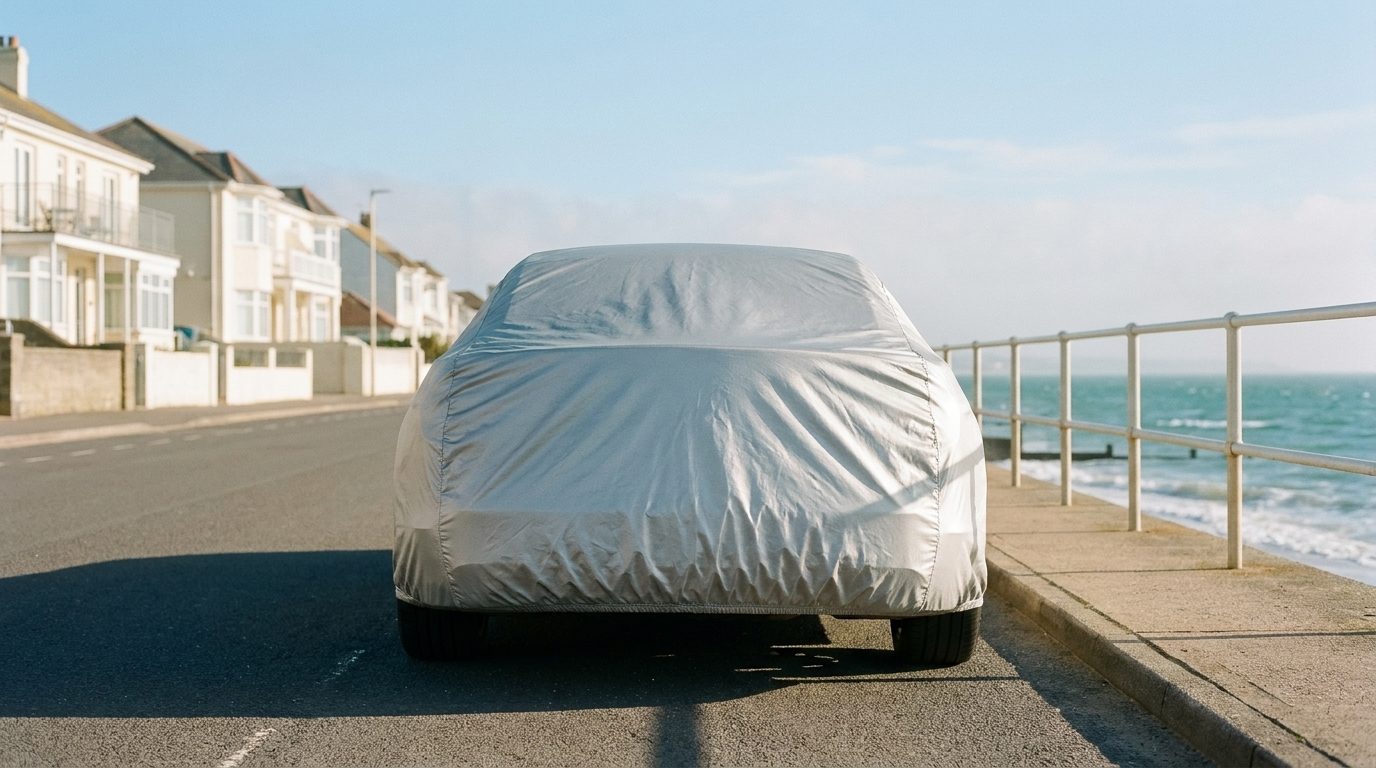
Living near the coast: salt air, humidity and your car
Distance from the water, humidity and overnight dew all shape how hard a coastal parking spot is on a car. Here is what the research says, and what actually helps.
Legends
The cars that earned their reputations, and the facts behind them.
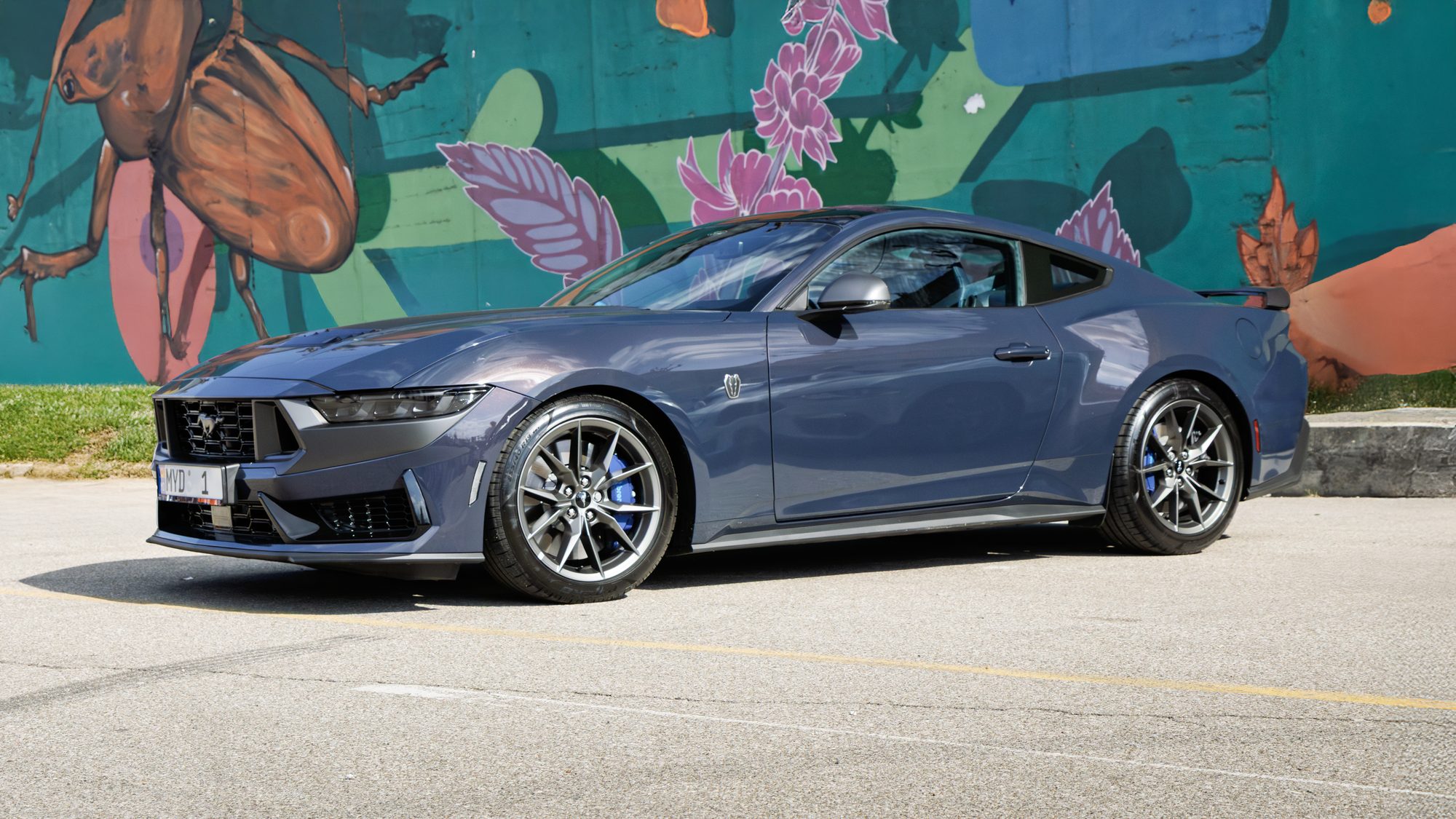
The Ford Mustang, generation by generation
One car invented the pony car category in 1964 and is still building it. Here is every generation, the years, the platform names, and where the 500-hp Dark Horse fits in.
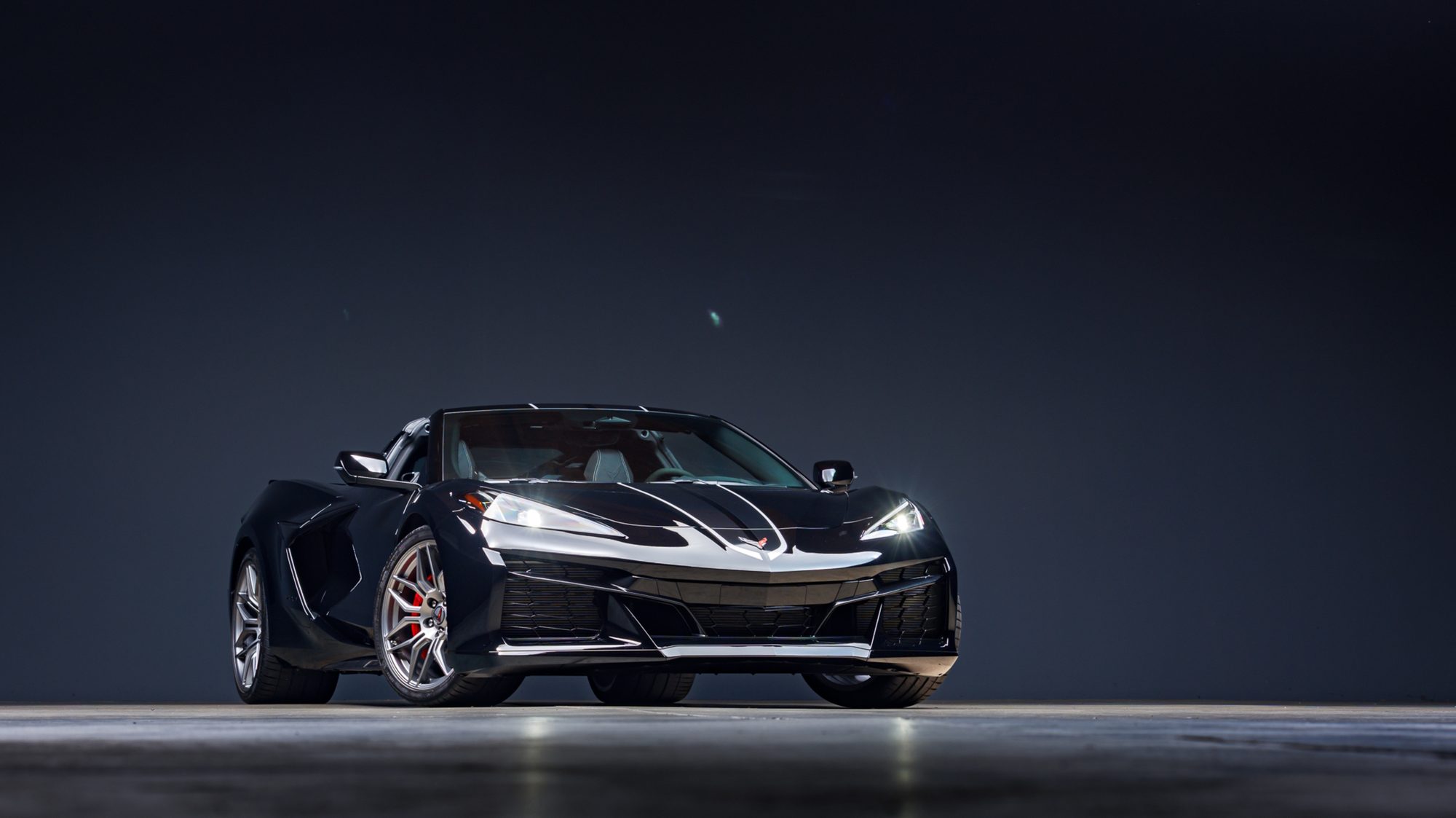
The Corvette Z06, from racing option to mid‑engine supercar
In 1963 it was a box to check on the order form for buyers who wanted a street car with a pit crew's instincts. Six decades and four more generations later, it is a mid-engine supercar built around the most powerful naturally aspirated V8 ever sold.
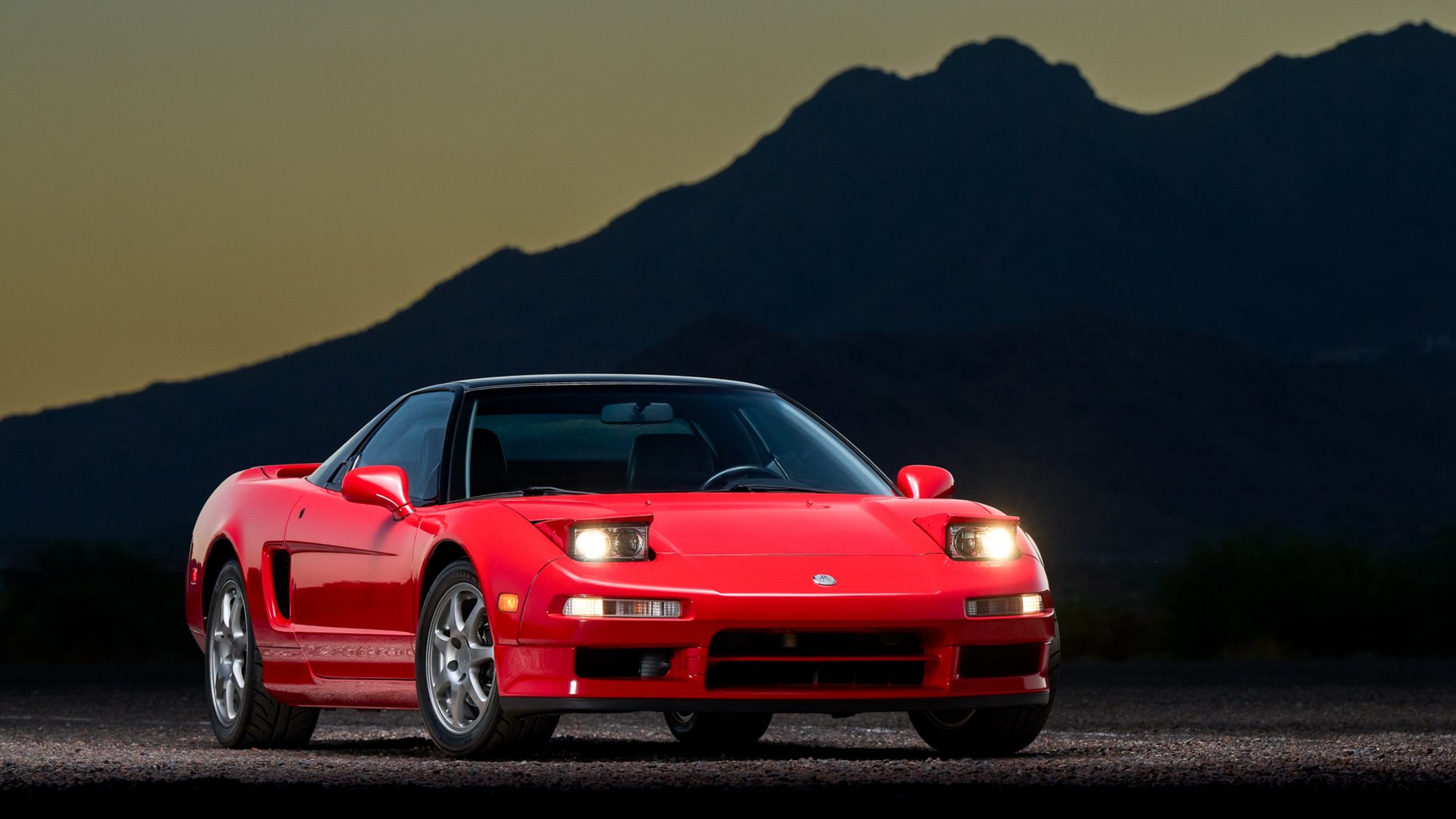
The Acura NSX, the supercar built to be driven every day
In February 1989, Ayrton Senna tried a prototype and told Honda's engineers it felt fragile. What reached showrooms in 1990 was the first mass-production car with an all-aluminum monocoque body, built on the idea that supercar performance and everyday drivability were not opposites.
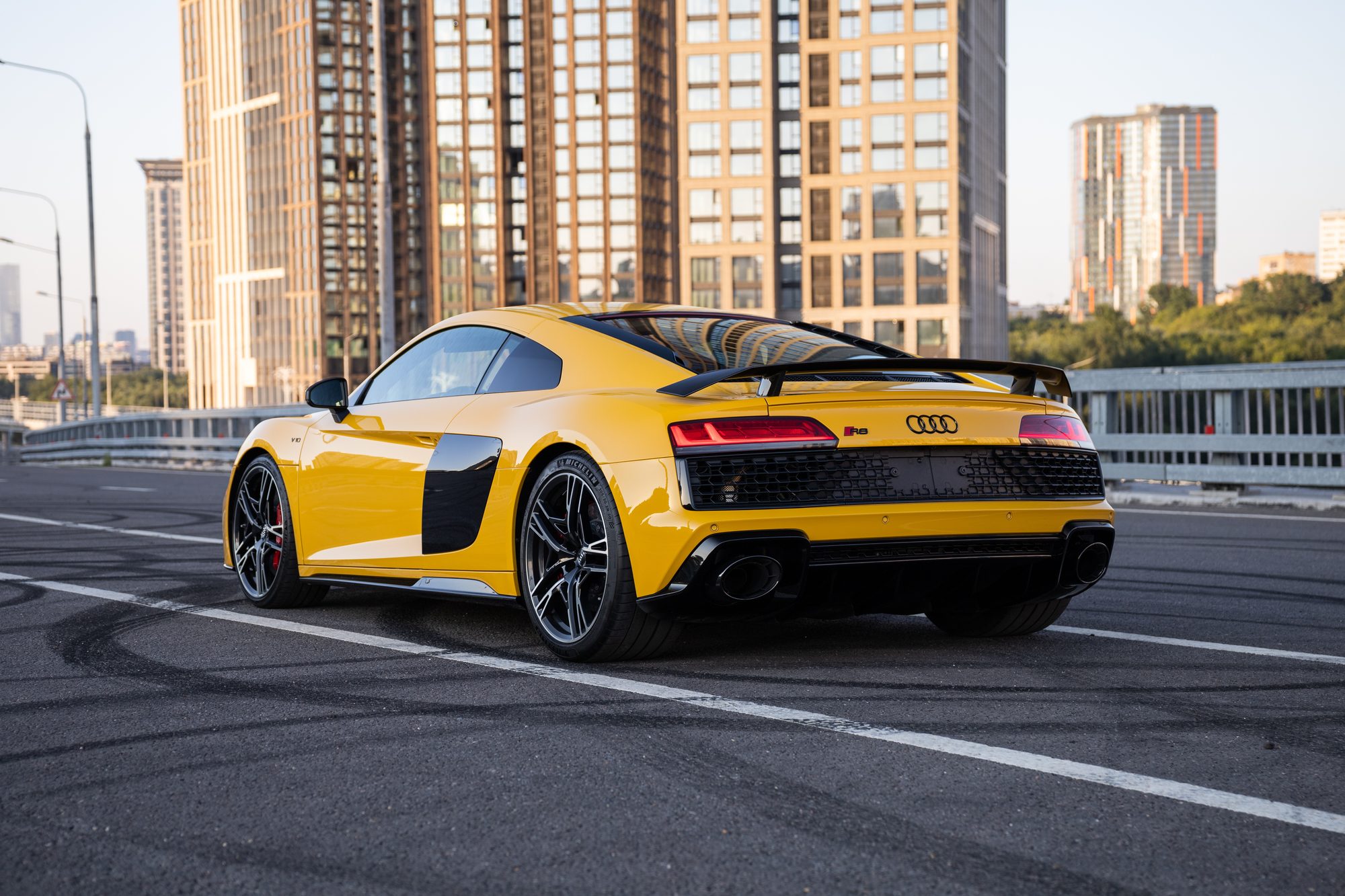
Audi R8: the first mid‑engine production Audi, named for a Le Mans winner
Audi's R8 prototype won Le Mans five times before the road car existed. The production R8 that took its name ran from 2006 to 2024 and bowed out with a 602-horsepower, rear-drive-only R8 GT.
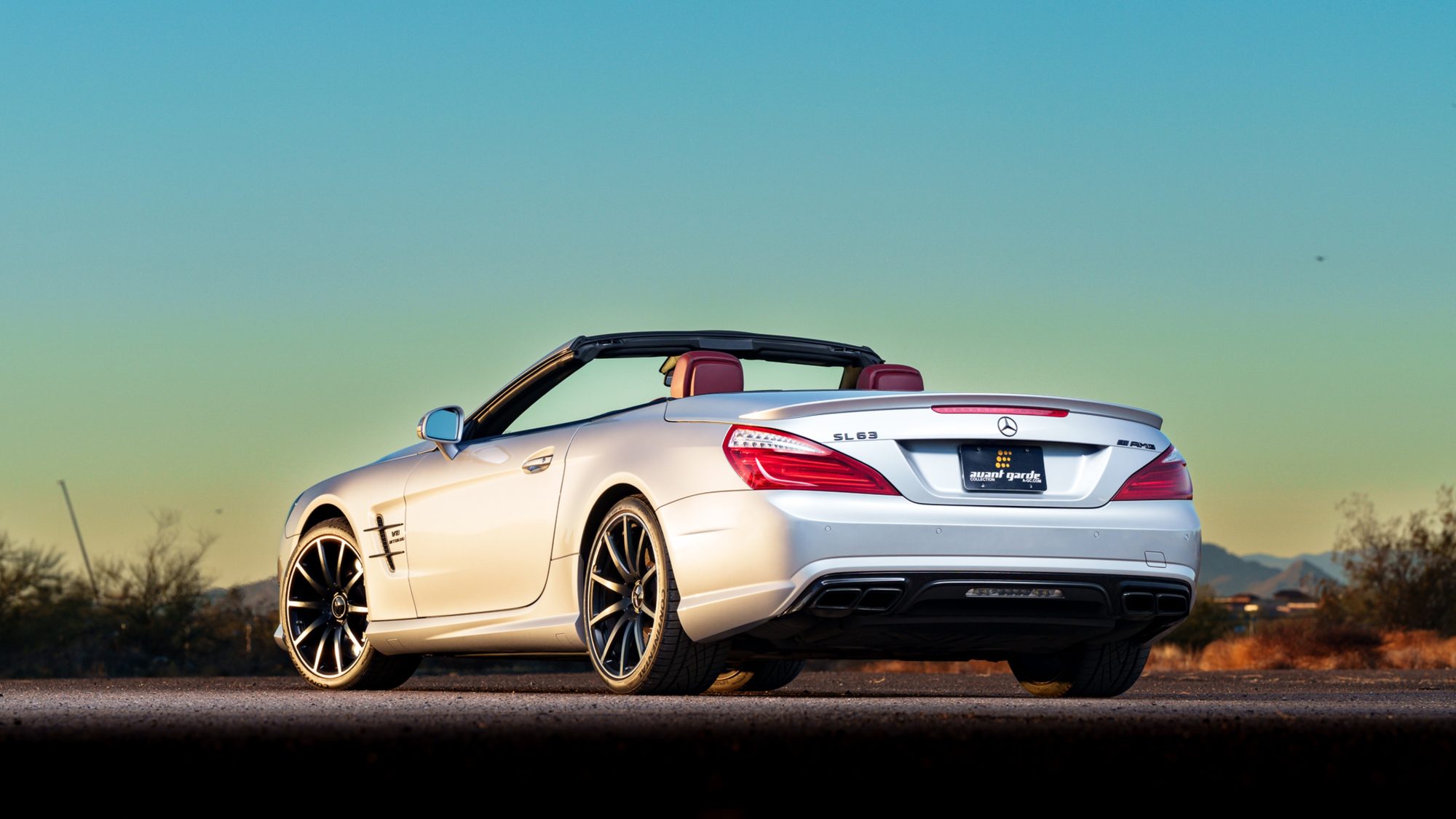
The Mercedes‑Benz SL 63 AMG, one name across three different V8s
SL has been a Mercedes-Benz name since 1952, when the 300 SL race car won Le Mans; the road car followed in 1954. The SL 63 AMG carried the badge through a naturally aspirated V8, then the twin-turbo V8 pictured here, before the nameplate went all-wheel drive in 2022.
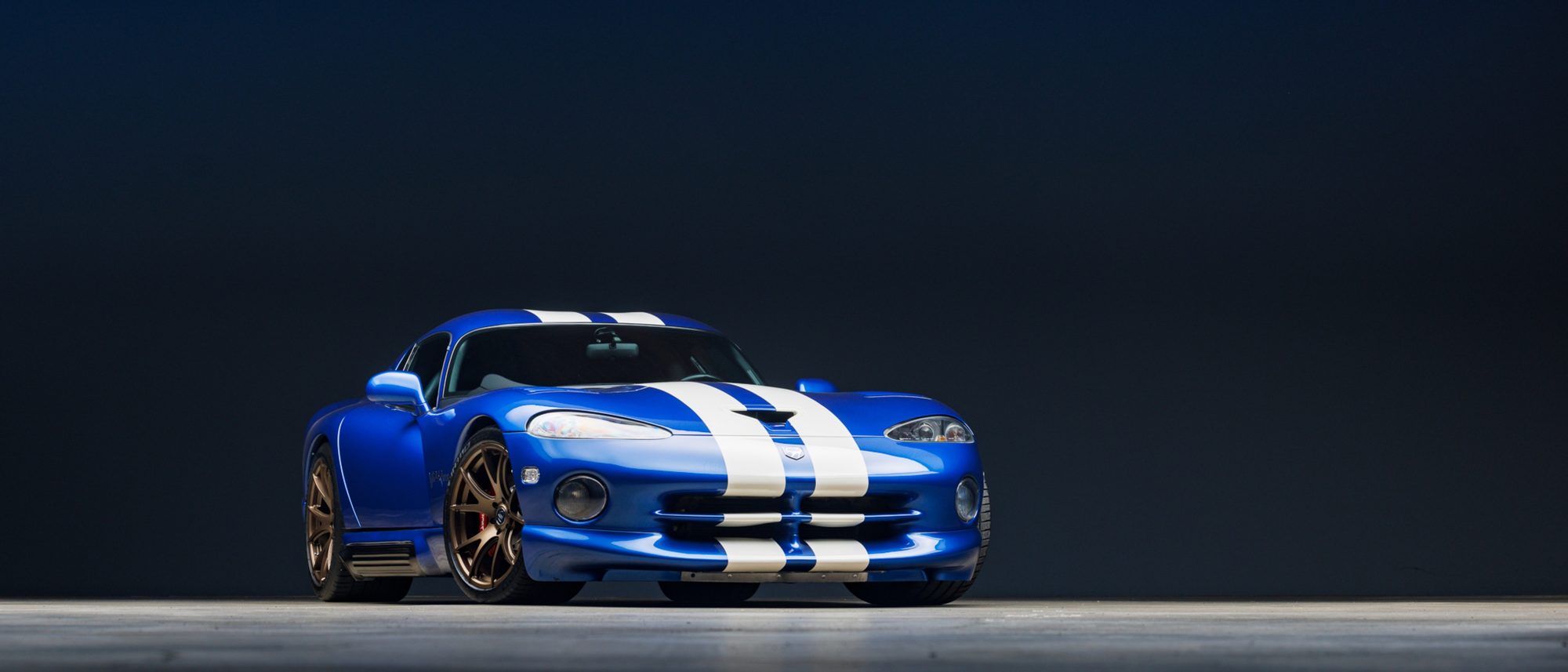
The Dodge Viper, from bare‑bones brute to 645‑horsepower farewell
In 1992 it arrived with an 8.0-liter V10, 400 horsepower and very little else: no ABS, no traction control, no airbags, not even a handle on the outside of the door. Twenty-five years and five generations later, it left production with 645 horsepower.
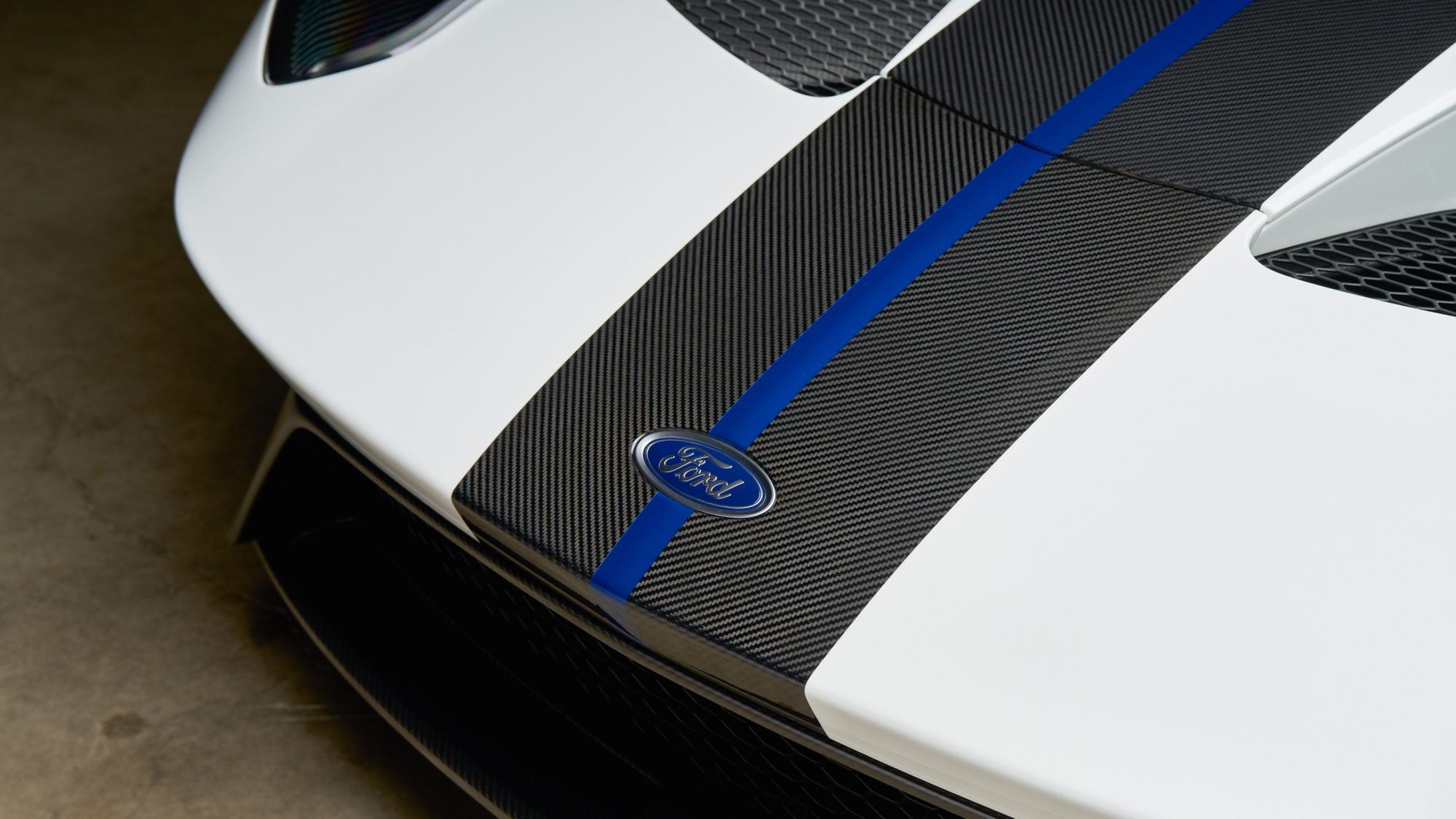
The Ford GT, born to beat Ferrari
In 1963 Henry Ford II tried to buy Ferrari. When Enzo Ferrari walked away from the deal, Ford built a car to beat him at Le Mans instead, and it won four years running. Half a century later, the name returned a second time, on a carbon-fiber supercar that still has to earn it.
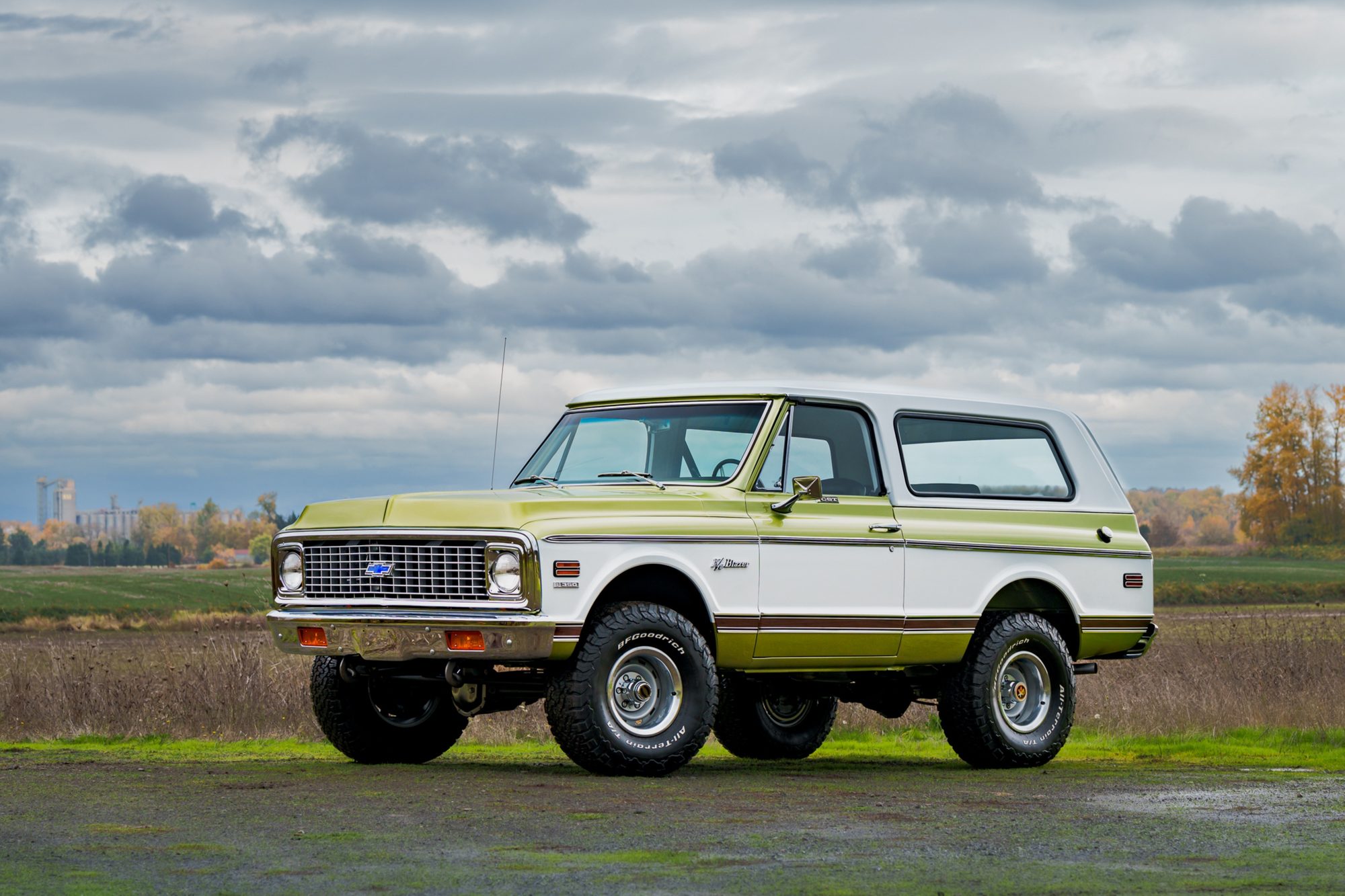
The Chevy K5 Blazer, a full‑size 4x4 with a roof that came off
Ford and International Harvester were already selling compact off-roaders by 1969. Chevrolet's answer was bigger on purpose, a full-size 4x4 built on its half-ton pickup, and for its first seven model years the whole roof came off.
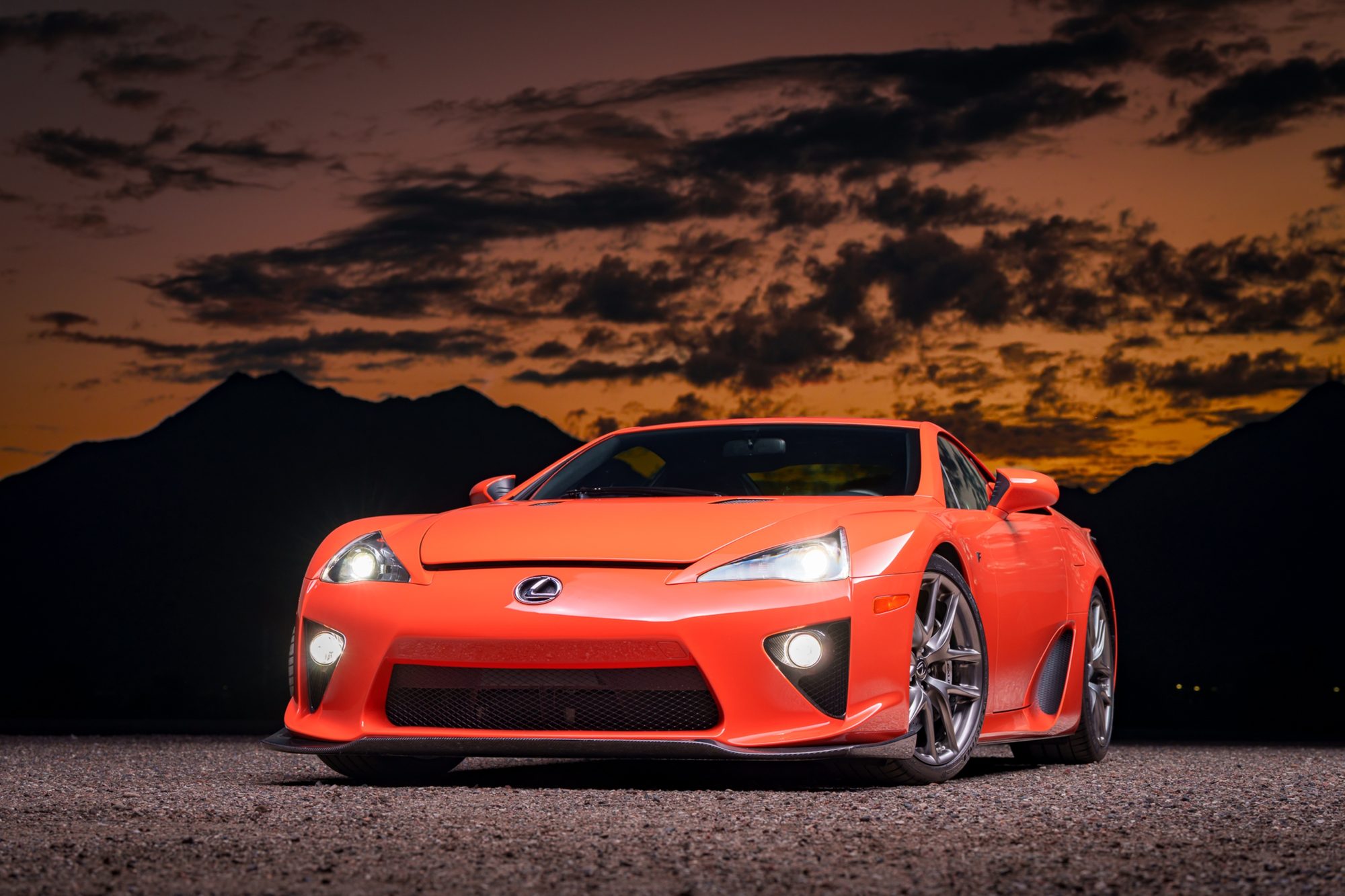
Lexus LFA: ten years in the making, 500 built
Lexus spent about a decade developing the LFA, then built exactly 500 of them. Its 4.8-liter V10, co-developed with Yamaha, revs so quickly that Lexus gave it a digital tachometer because a needle could not keep up.
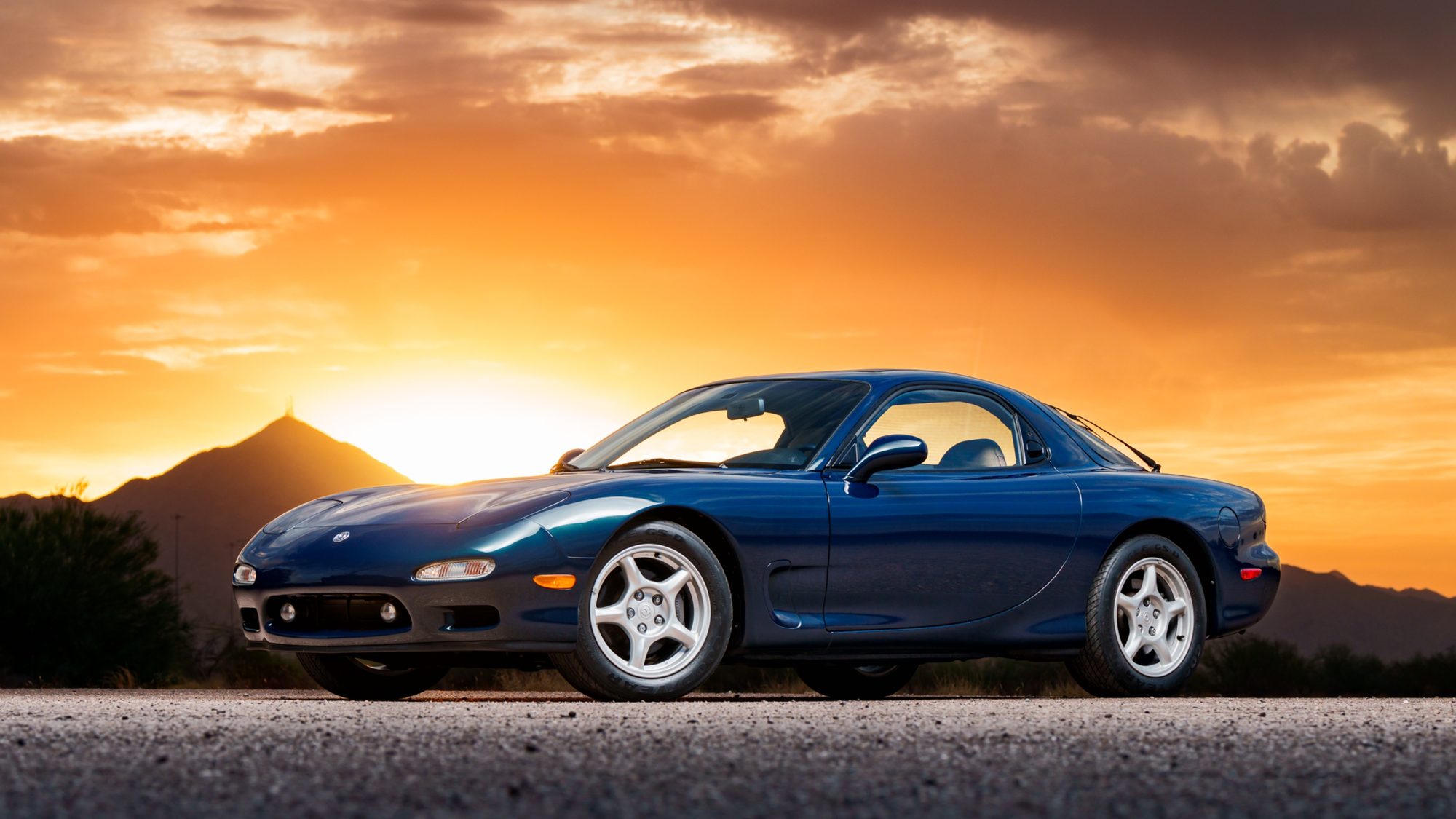
The Mazda RX‑7 FD, the rotary sports car America only got for three years
Mazda built its third-generation RX-7 in Japan from 1991 to 2002, but American showrooms carried it only for the 1993 to 1995 model years. It made 255 horsepower from a twin-turbo rotary engine with no pistons, and the best low-mile examples have since sold for more than double their original sticker.
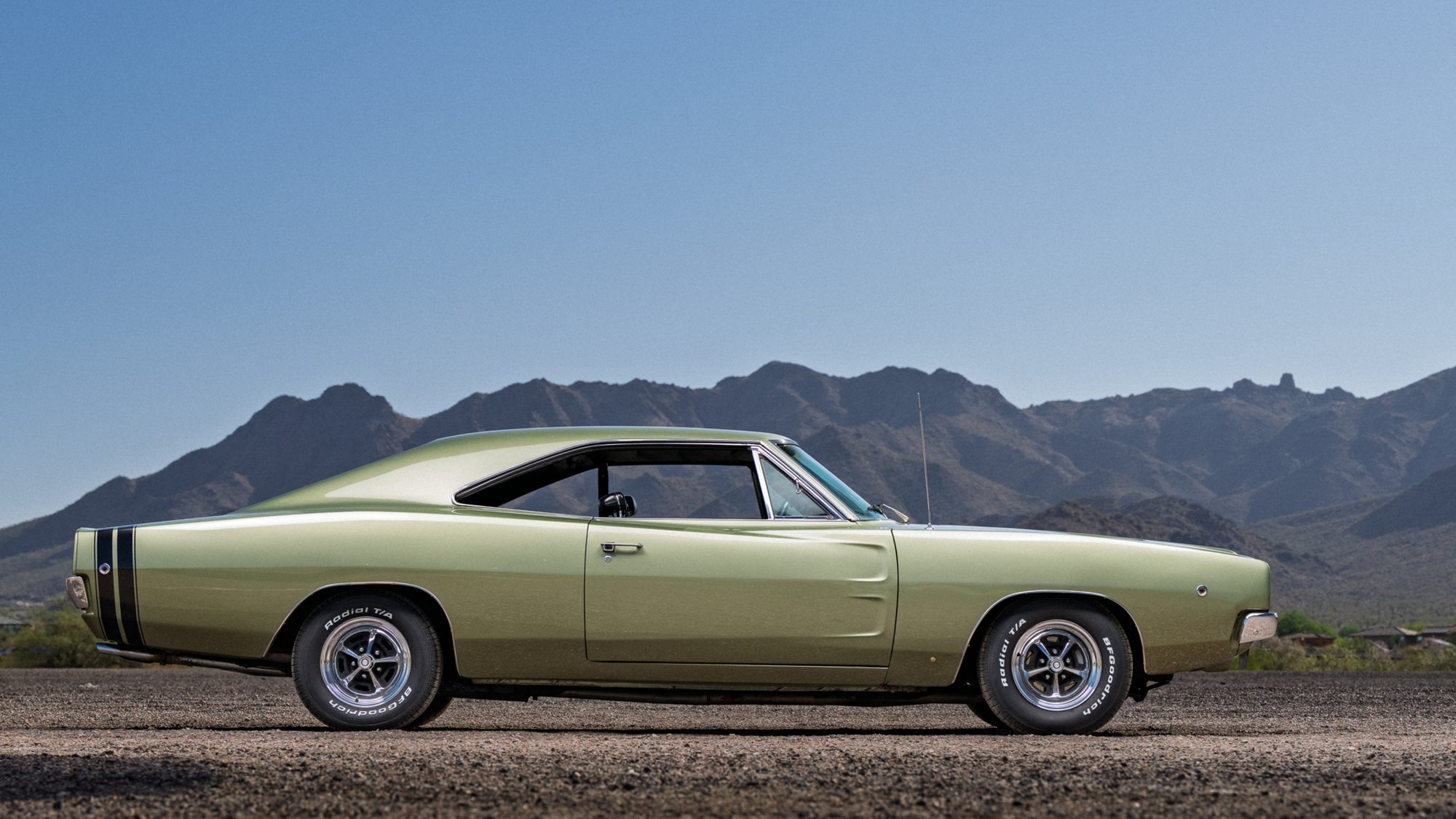
The five muscle cars that defined an era
Chevelle SS, 'Cuda, Charger, GTO and Shelby GT500: five model families that turned big-displacement V8s, rear-wheel drive and street presence into reputations that still hold up. Here is the factory horsepower and history behind each one.
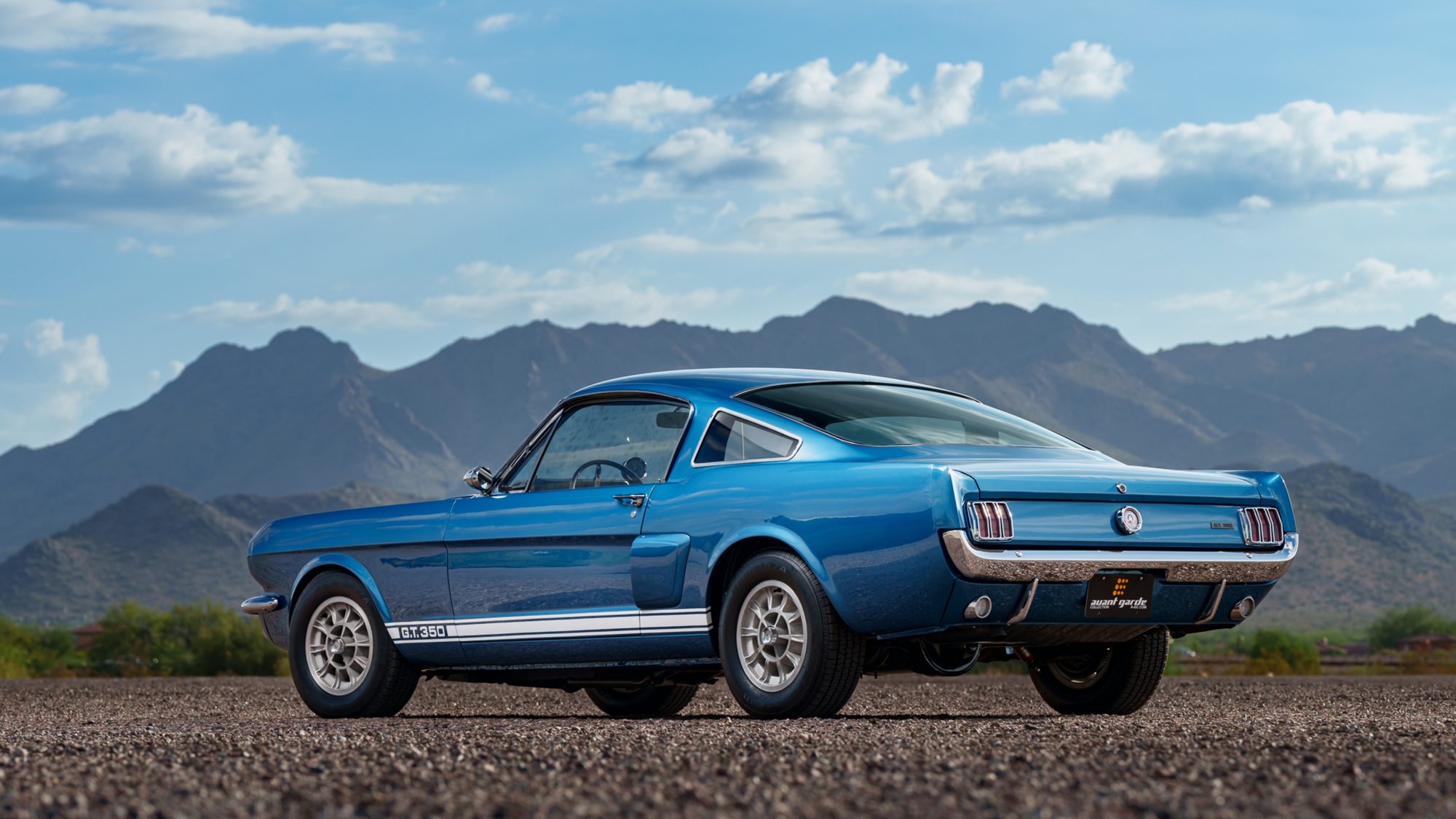
The original Shelby GT350, the Mustang built to race
Ford gave Carroll Shelby its new Mustang fastback in 1964 with one job: make it a road racer that could take on the Corvette. Here is what Shelby's shop changed, what the car could do, and how a rental-car program turned it into folklore.
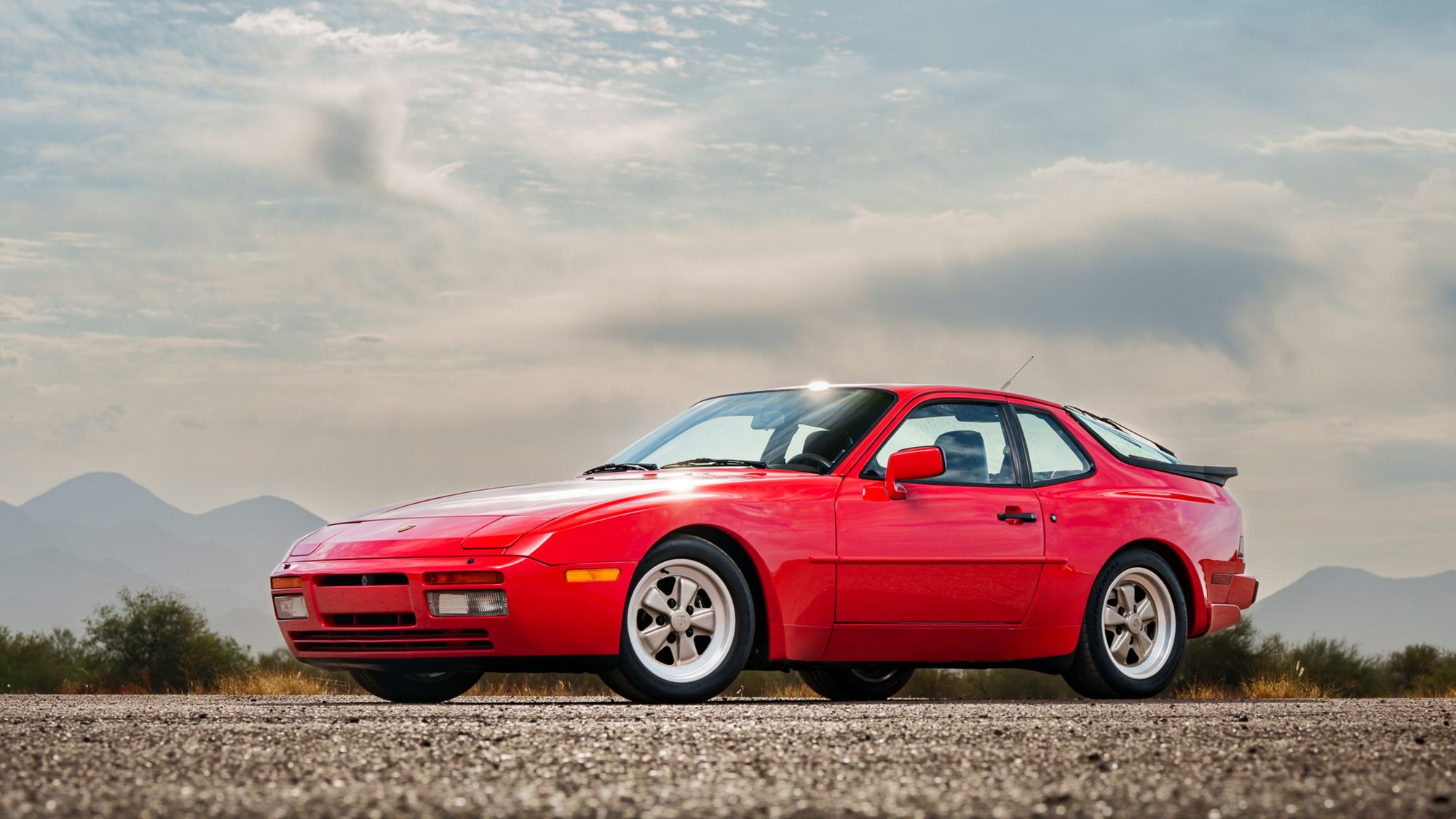
The Porsche 944, from half a V8 to a factory turbo
Porsche gave the 944 an engine that was essentially half of the 928's V8. By 1988, a turbocharged version made 250 PS and was the fastest four-cylinder production car in the world.
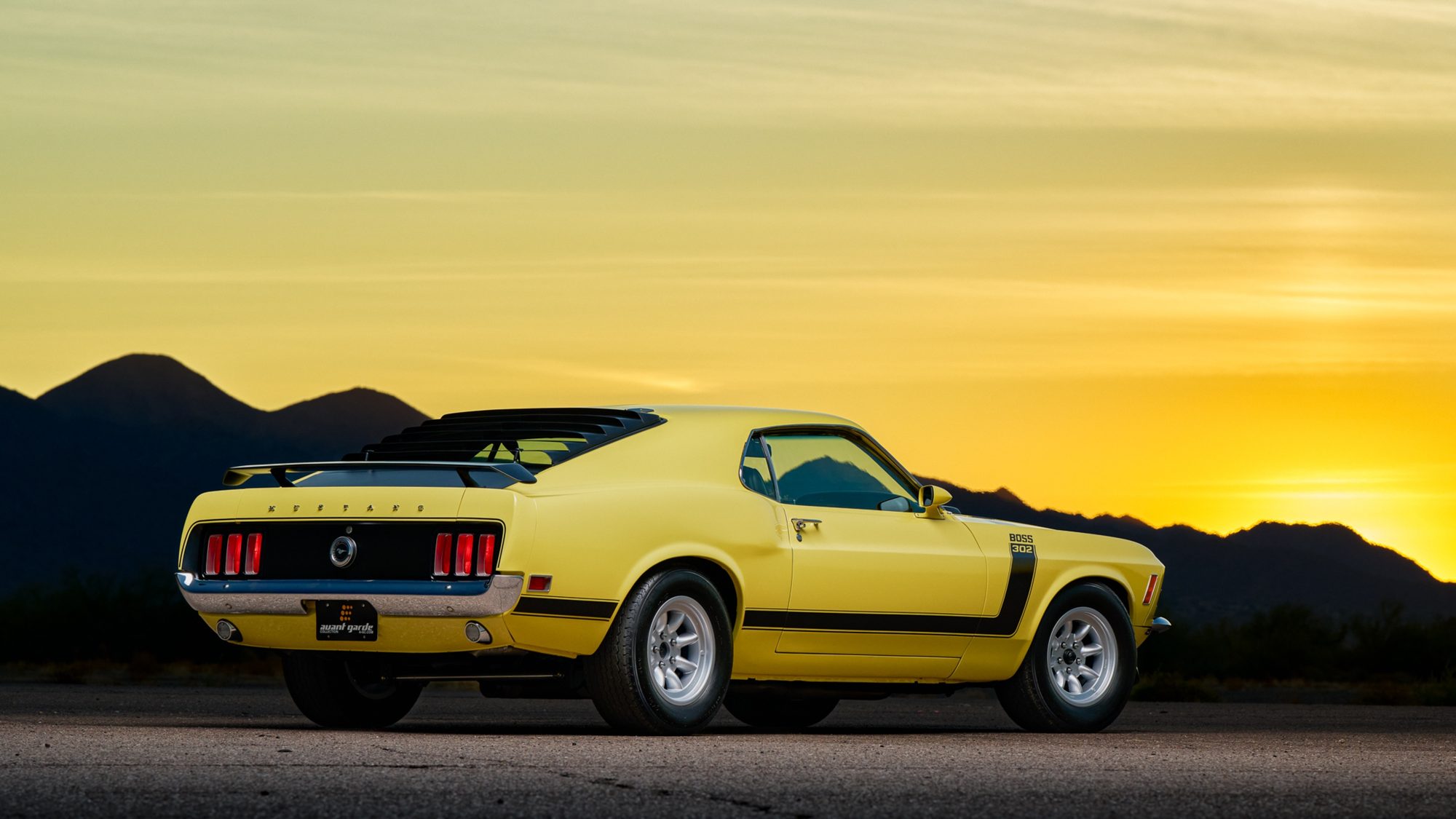
Six Mustangs that redefined what the badge could do
From a Carroll Shelby homologation special to an 815-horsepower street car built from Ford's GT3 race program, these six Mustangs each pushed Ford's pony car somewhere it had not been before.

The five drivers every racing fan still argues about
Fangio won five championships in seven full seasons, and Senna's Monaco record has stood for more than three decades. Here is the history behind five drivers who come up in every argument about the greatest ever.
Under the Cover
The inventions inside every car that nobody thinks about until they matter.
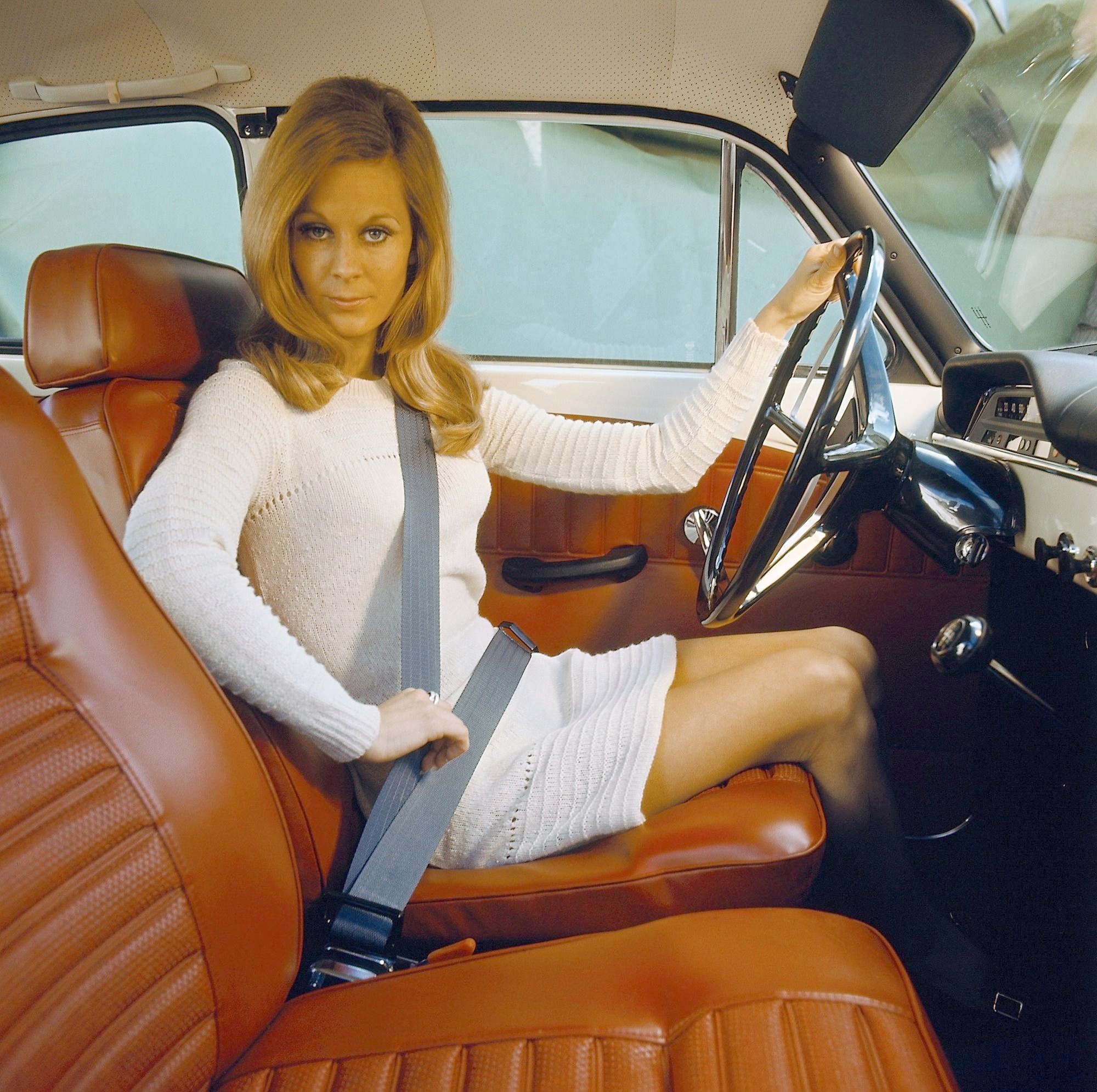
The seat belt: the invention that clicked
A Volvo engineer redesigned a strap most drivers were skipping, and NHTSA now calls it one of the most effective safety devices ever bolted into a car. Six decades later, it is still doing the job everything else in the car is built around.
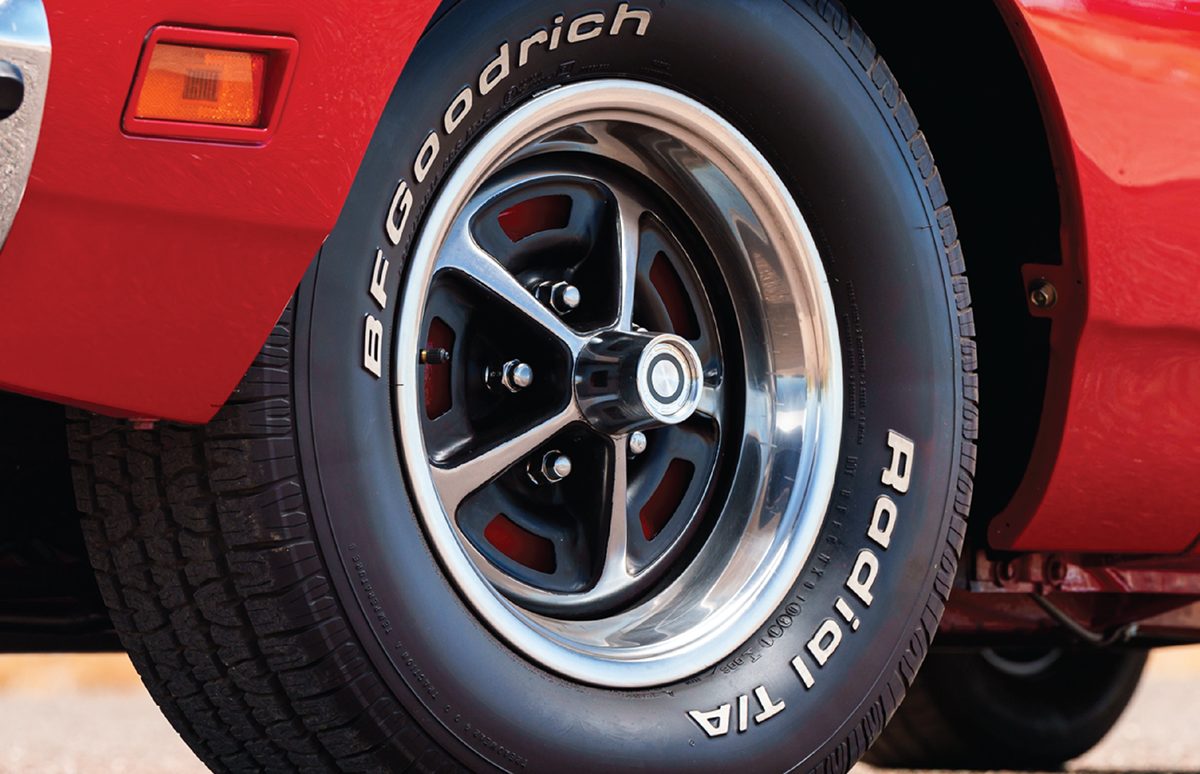
The radial tire: the wire that rewrote the ride
In 1946, Michelin patented a new way to build a tire, worked out by its researcher Marius Mignol. Europe took to it in the 1950s. American carmakers held out until the 1970s.
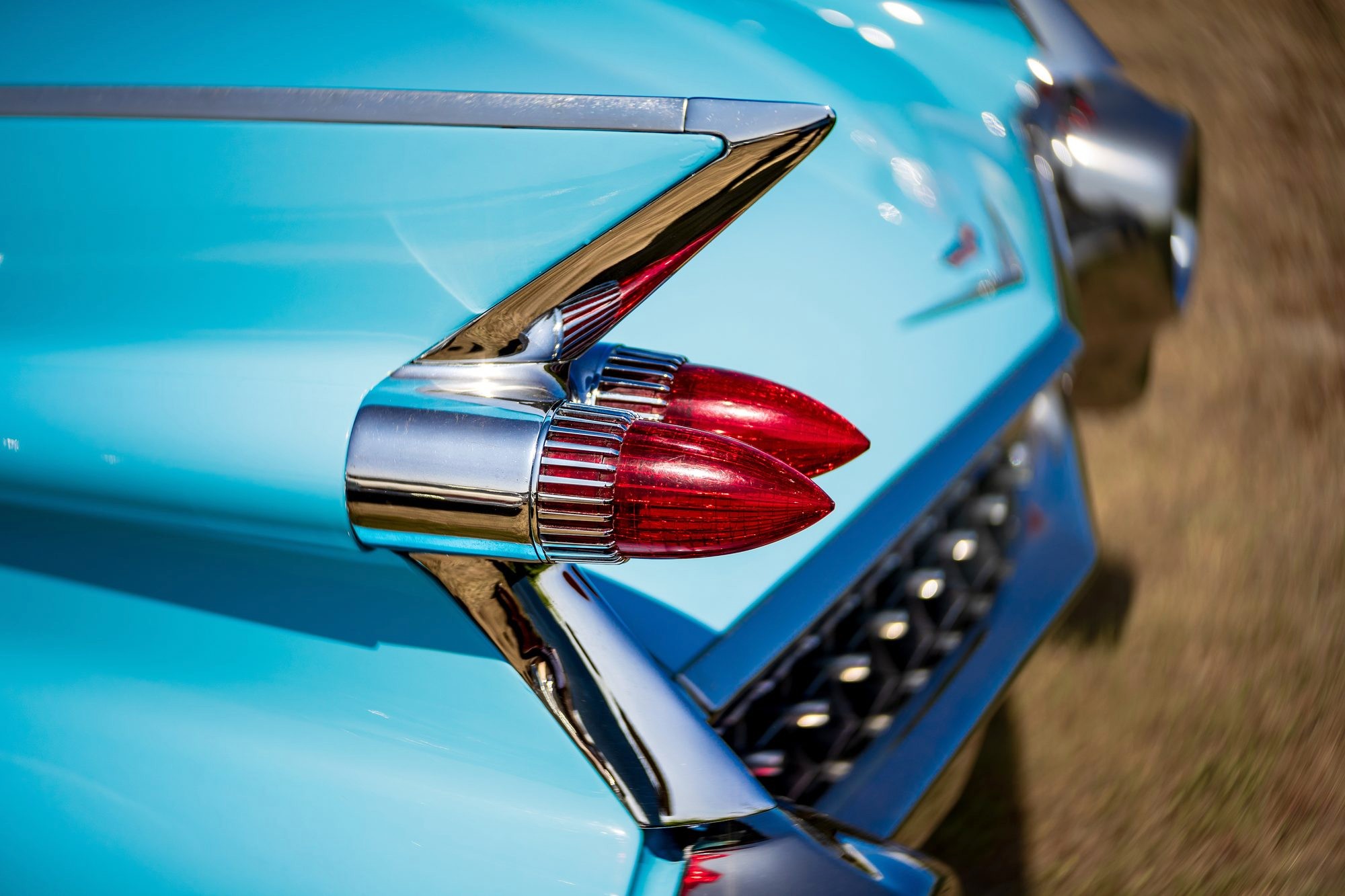
The turn signal: the blink every driver already understands
A silent-film star built one of the first turn signals in 1914 and never patented it. More than half a century, one ignored patent and a federal rule later, a single blinking light became the signal every driver reads the same way.
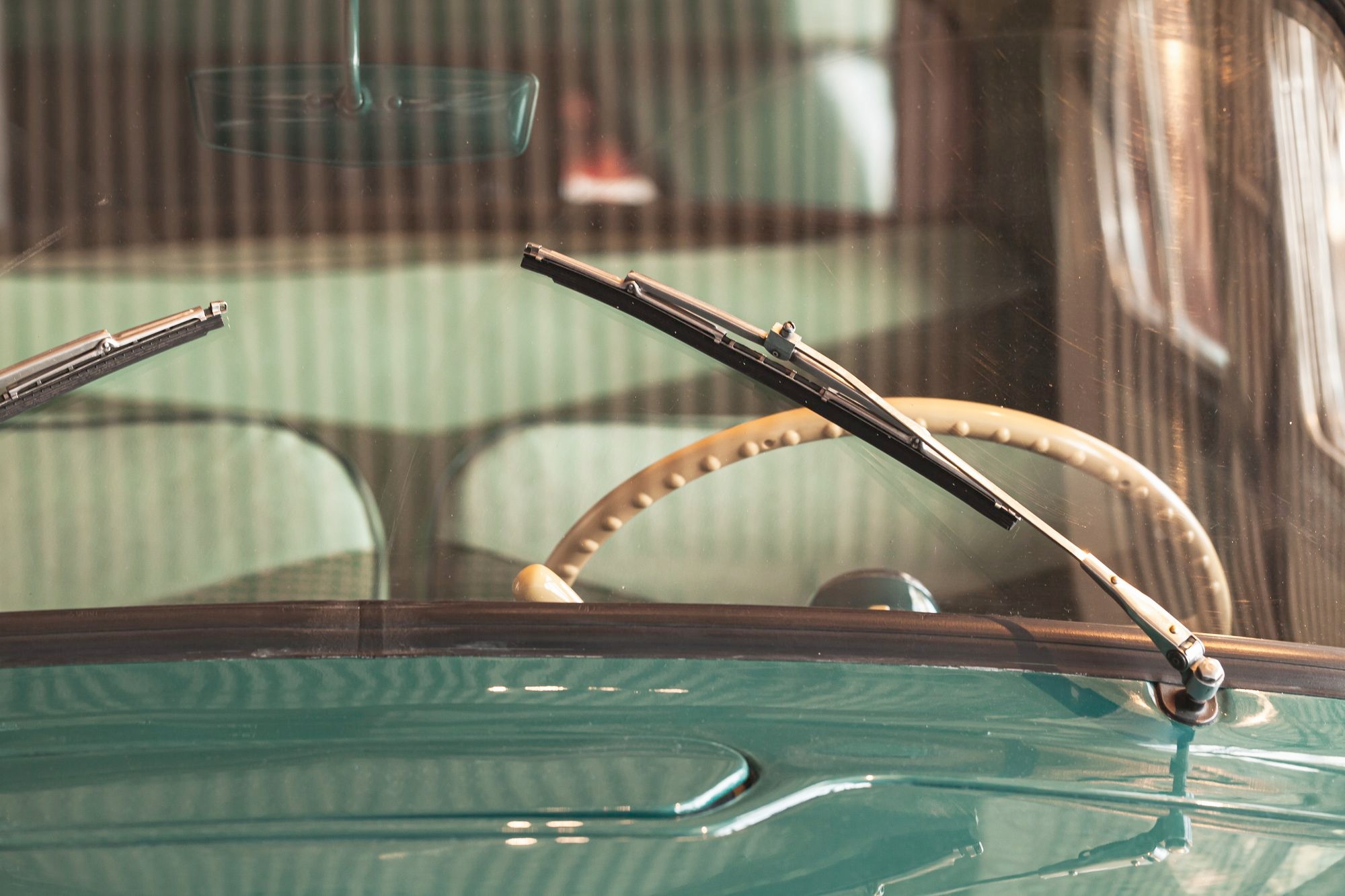
The windshield wiper: the clearest idea nobody wanted
Mary Anderson patented the windshield wiper in 1903 and could not find a company to take it on. By the early 1920s wipers were standard on luxury cars, and decades later an engineer took Ford to court over the idea that made them smarter.
Owners
Owners, the cars they keep, and how they keep them.
 Illustration
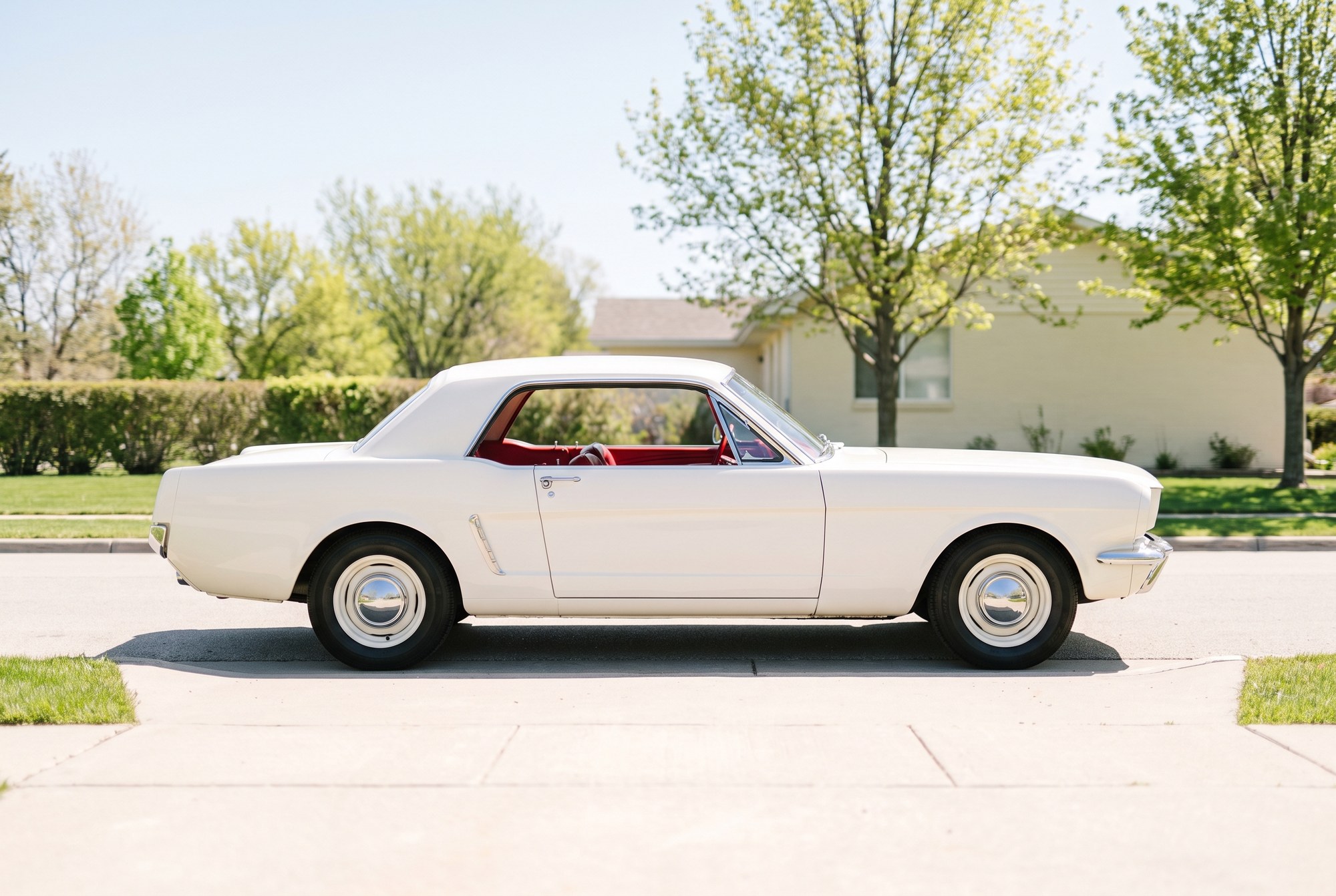
Luis and the 1965 Mustang he waited for
He had a 1965 Mustang at fifteen and had to let it go. Now he has another one, and this time he is building it the right way, at his own pace.
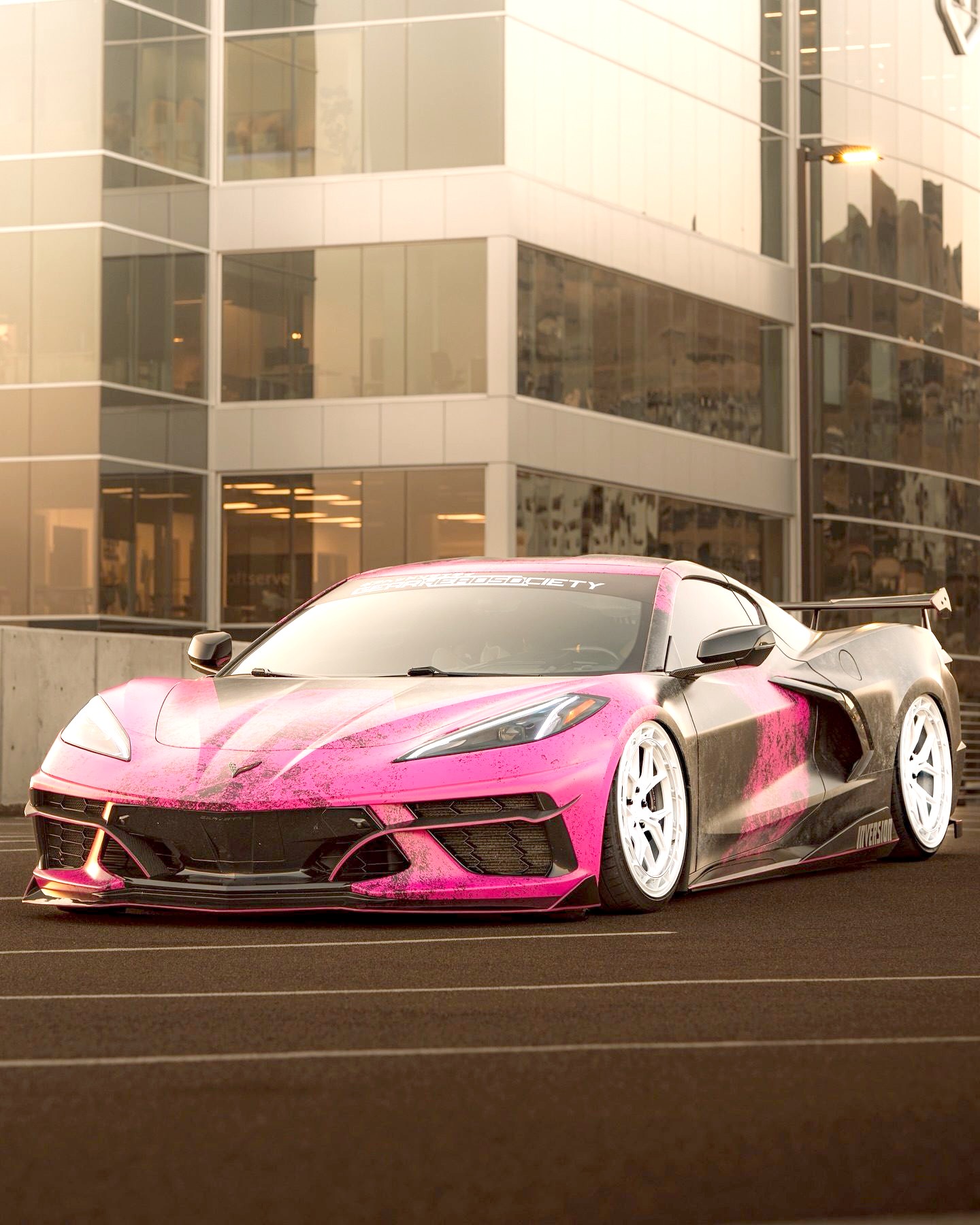
Pretty in pink: Maria's award‑winning Corvette Stingray
Bagged, wrapped pink and black and riding on white wheels, Maria's C8 Corvette Stingray Z51 is one of our favorite builds. Here is the car, its Elite Tuner award, and the cover it lives under in her garage.
Sun, sap, snow, storms, rain.What each one does to a parked car.
Five short reads on how the weather wears on paint, trim and glass, and the cover we'd pick for each.
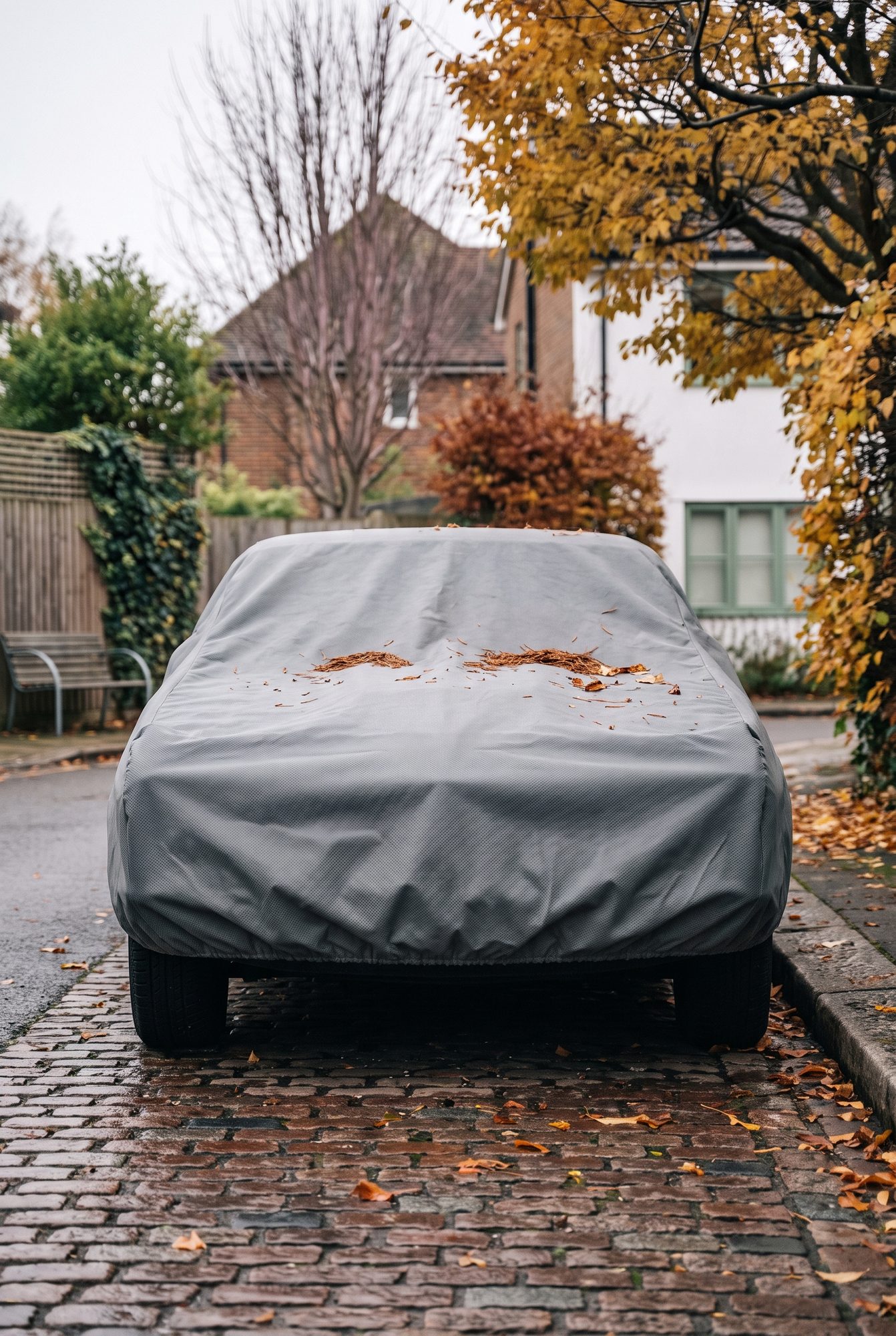 sap · pollen · leavesSap, leaves & fallUnder a tree, the cover is what gets sticky, not the paint.Our pick: Weatherproof Max
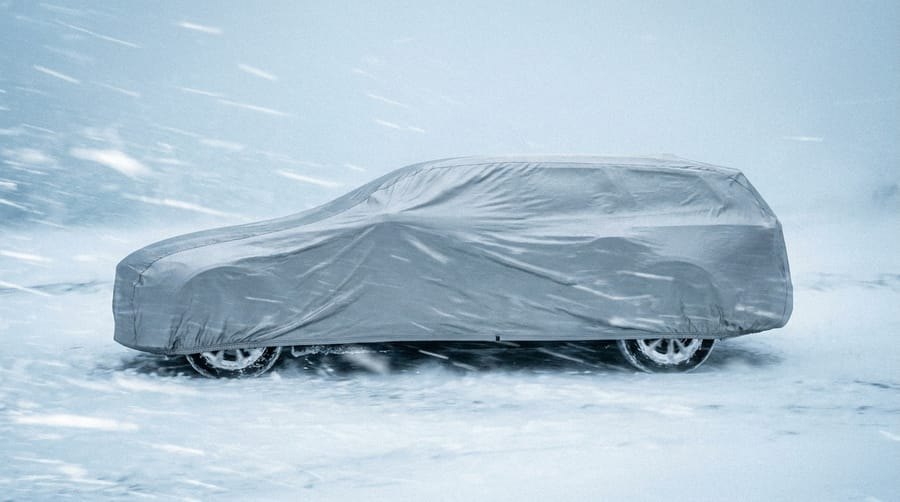 cold · wet · thawSnow & winterOur pick: Platinum Shield
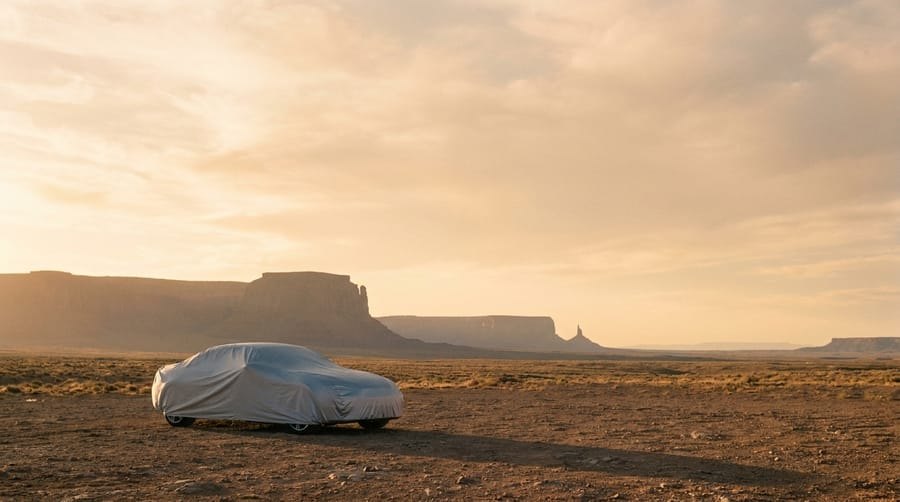 heat · glare · fadeSun & heatOur pick: Weatherproof Max
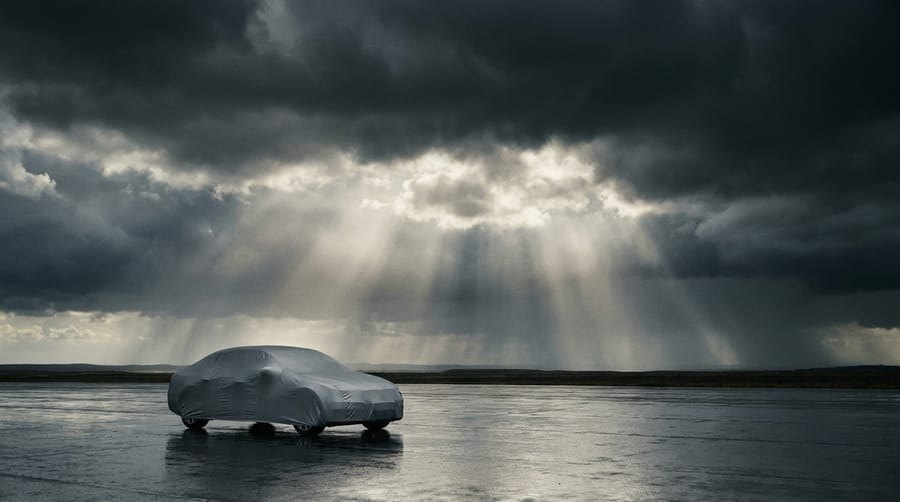 wind · rain · gritStorms & hailOur pick for wind and rain: Platinum Shield
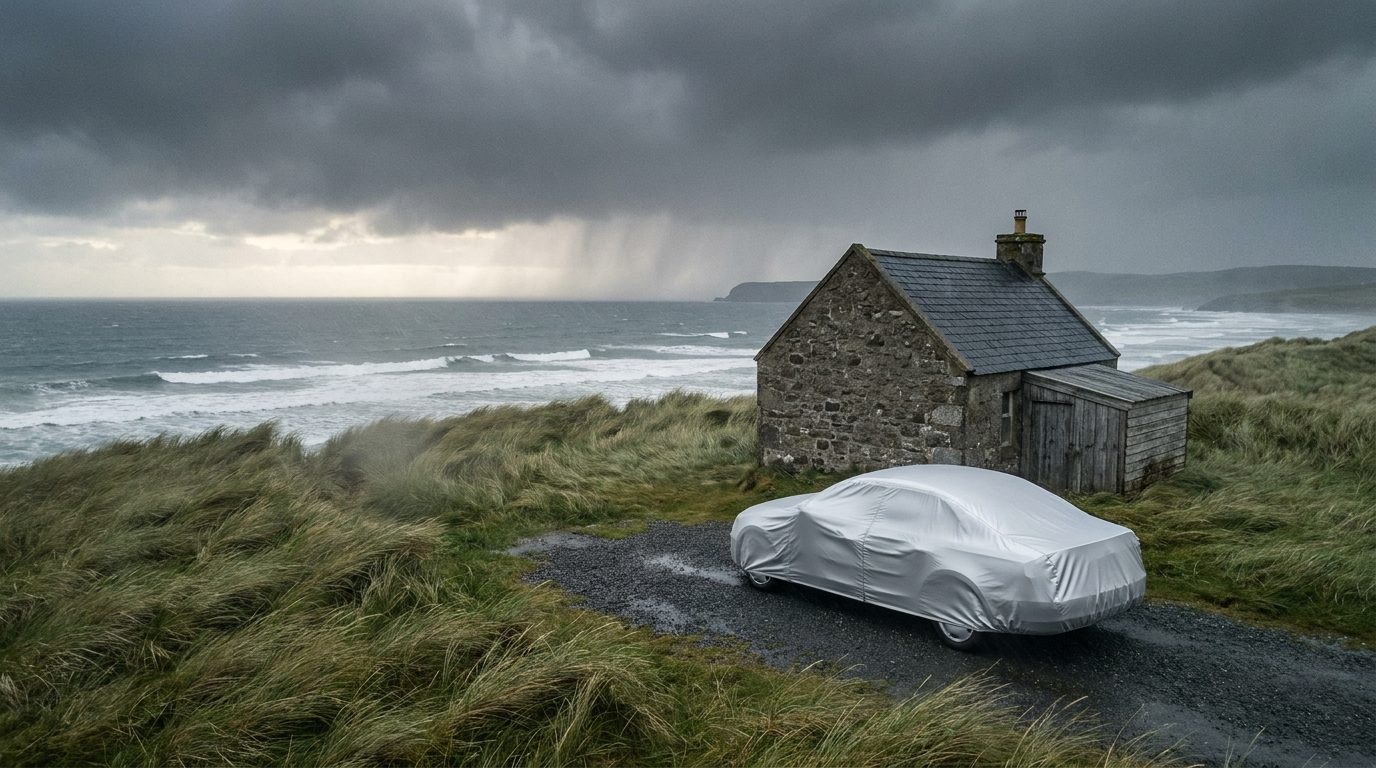 humidity · salt airRain & dampOur pick: Platinum Shield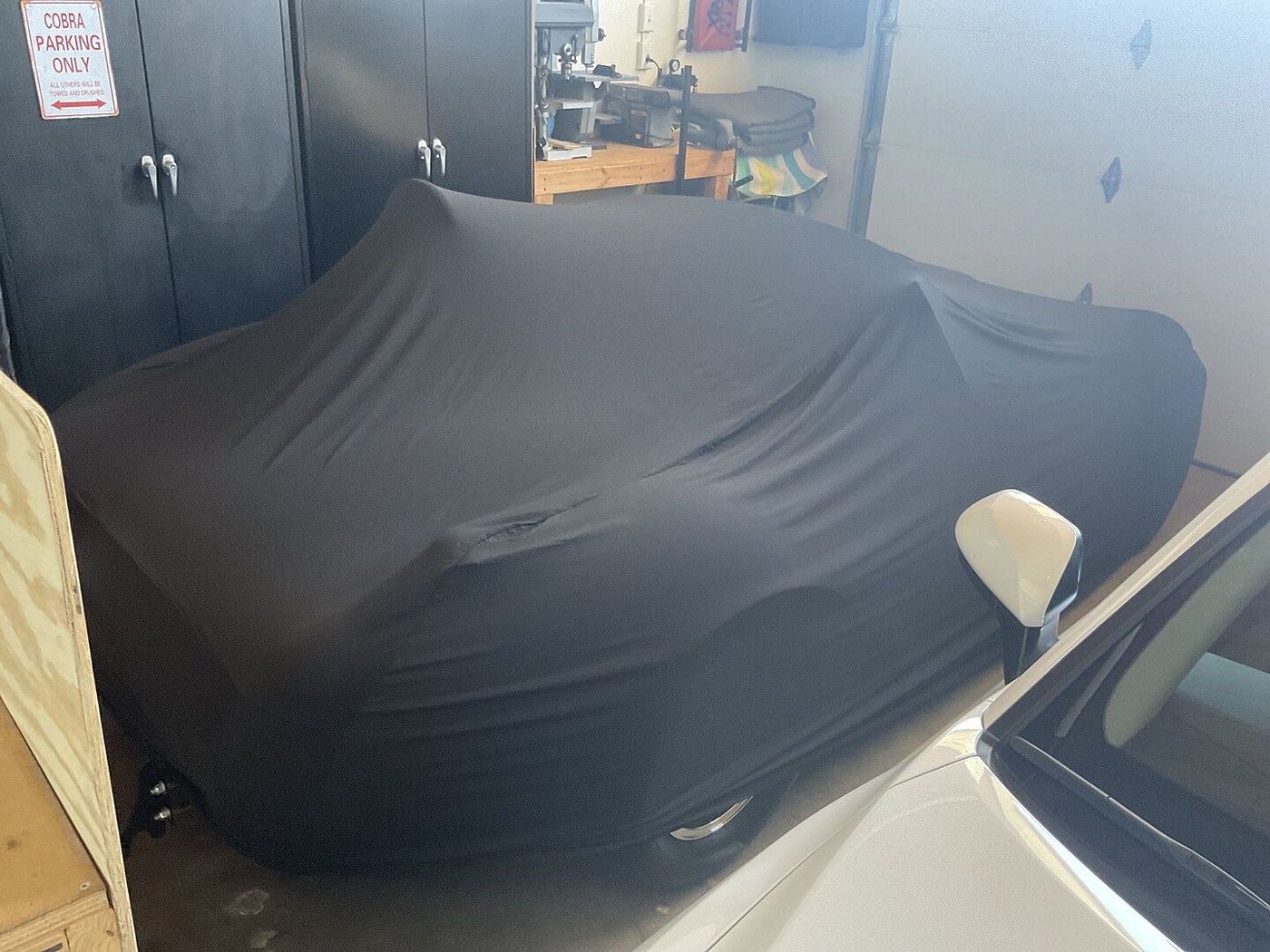
Great product, super soft interior, fits well enough. I have a factory five mk4 cobra with a single hoop. Would buy again. Definitely for indoor use only.