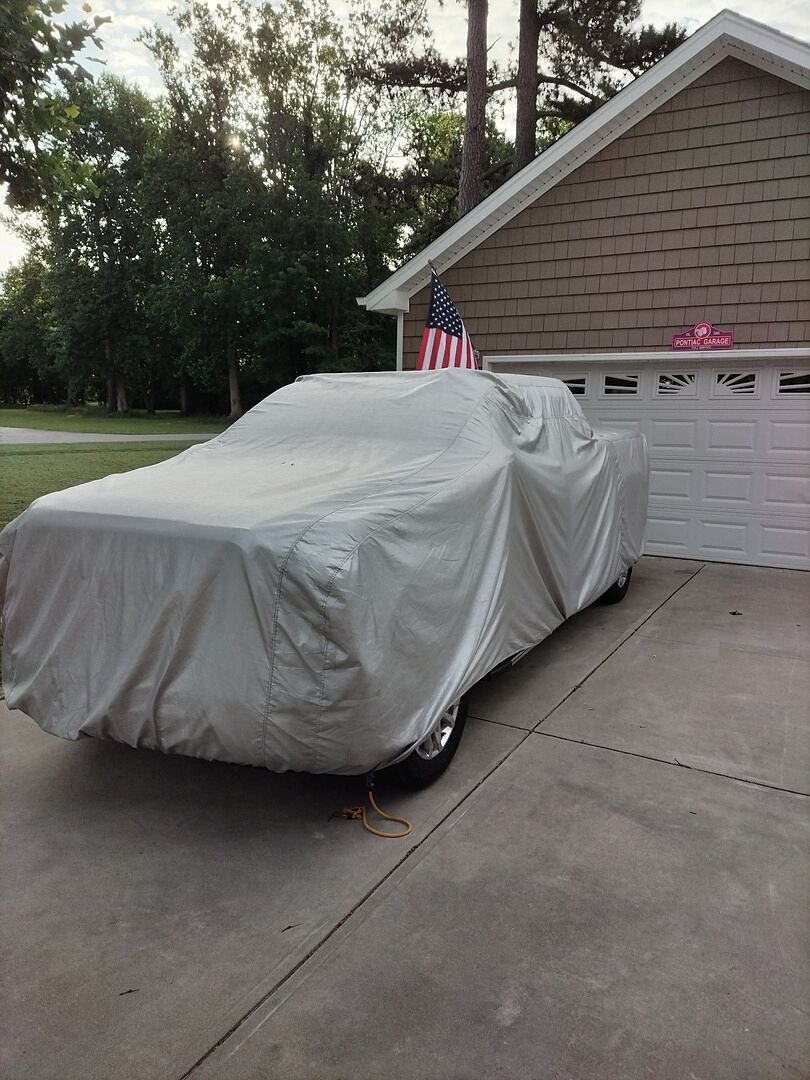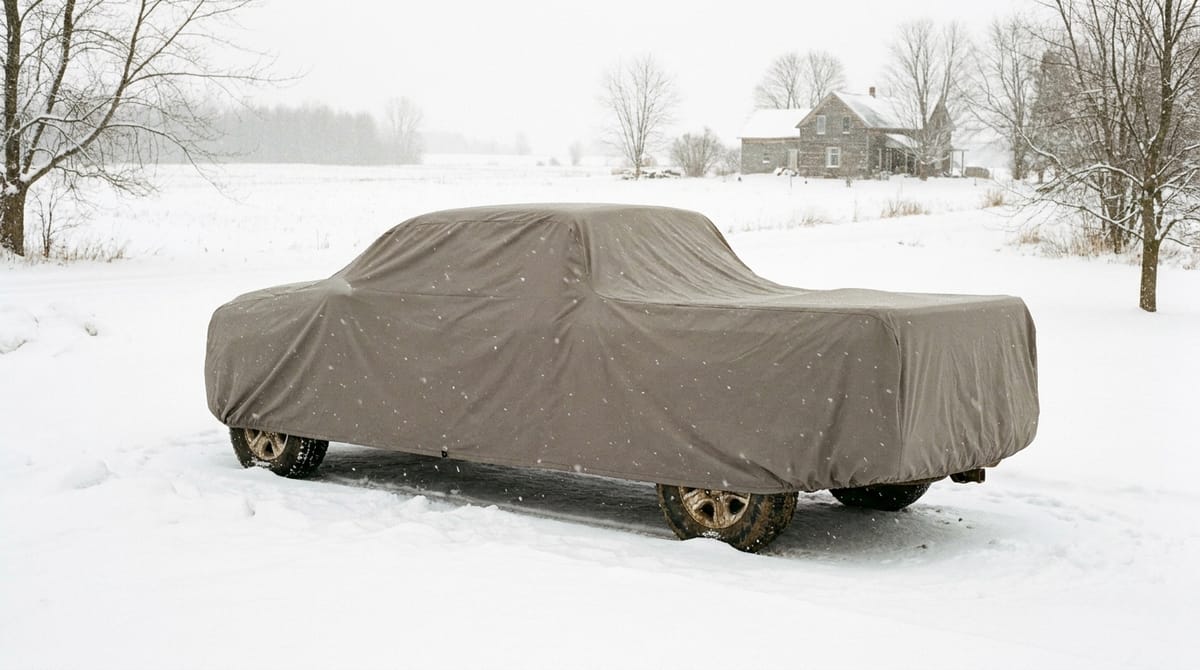

An F-150 spends its life outside. That is the whole point of a truck, but it is also what quietly ages the paint, cracks the dash and dulls the clear-coat faster than any garage-kept car. The right cover is the cheapest insurance a truck owner can buy. The wrong one flaps, scratches and blows off in the first real gust. This guide is about telling the two apart.
- Size to your cab and bed length: a SuperCrew and a regular cab are a different cover entirely.
- For a truck left outside, prioritize fit over the mirrors, elastic hems plus a clip-on wind strap, and a water-resistant fabric that lets damp escape, in that order.
- Match the grade to where you park: sun favors a UV-treated shell, snow and salt favor the Platinum Shield build, fleece-lined and breathable.
- Every cover includes the AllGuard Protection Warranty, and it pays off only when the fit is right first: fit comes before grade.
Why an F-150 needs the right cover
A full-size truck presents more square footage to the sky than almost anything else in the driveway. That hood, that roof, that long bed rail: all of it takes direct UV, and UV is what fades a factory finish, hazes the headlights and bakes the top of the dashboard until it cracks. A cover is the simplest barrier between your F-150 and the single most destructive thing it faces every day: the sun.
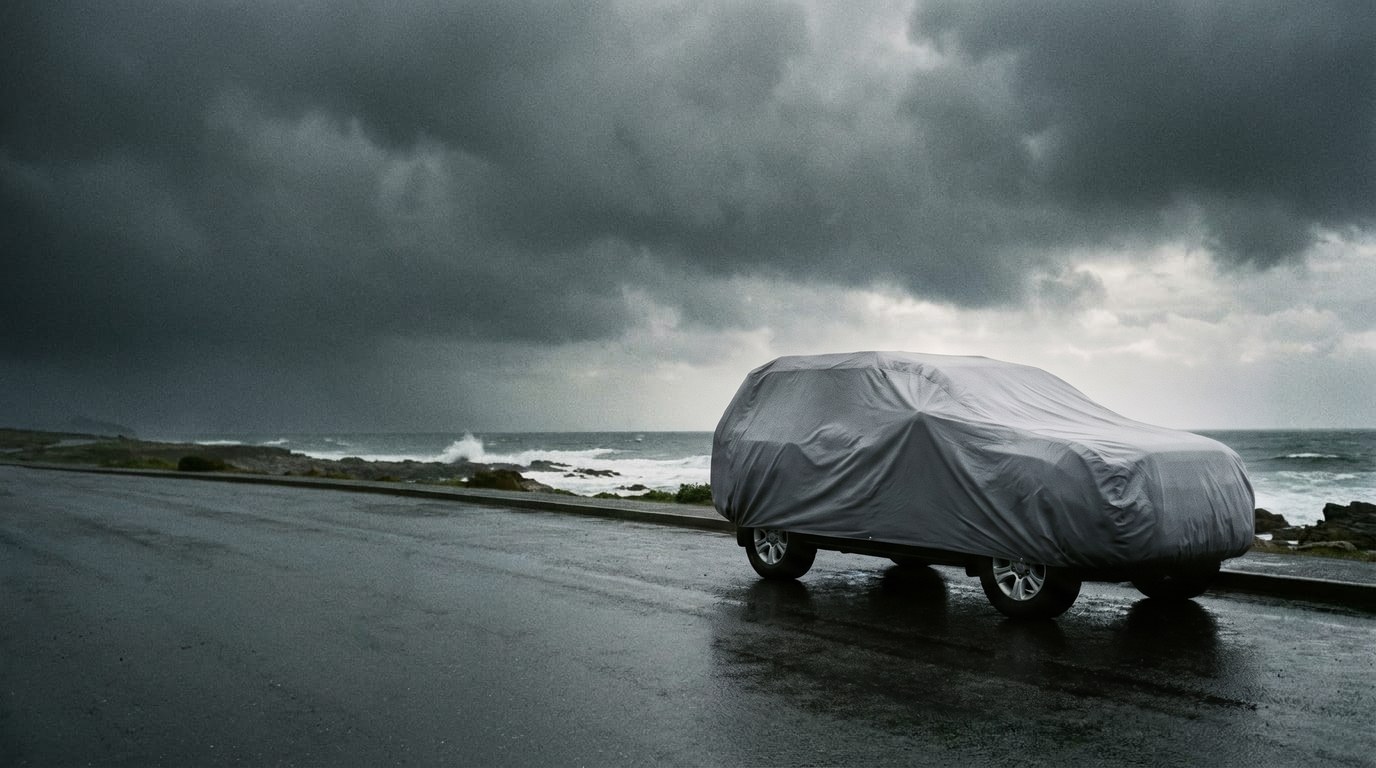
Weather is the second half of the story. Rain and snow are not the enemy on their own (a truck is built for them), but standing water, freeze–thaw cycles and wind-driven grit are. So is the slow accumulation of tree sap, pollen and bird droppings that etch the clear-coat if they sit. A good cover sheds all of it and, just as importantly, does not seal the damp in against the paint.
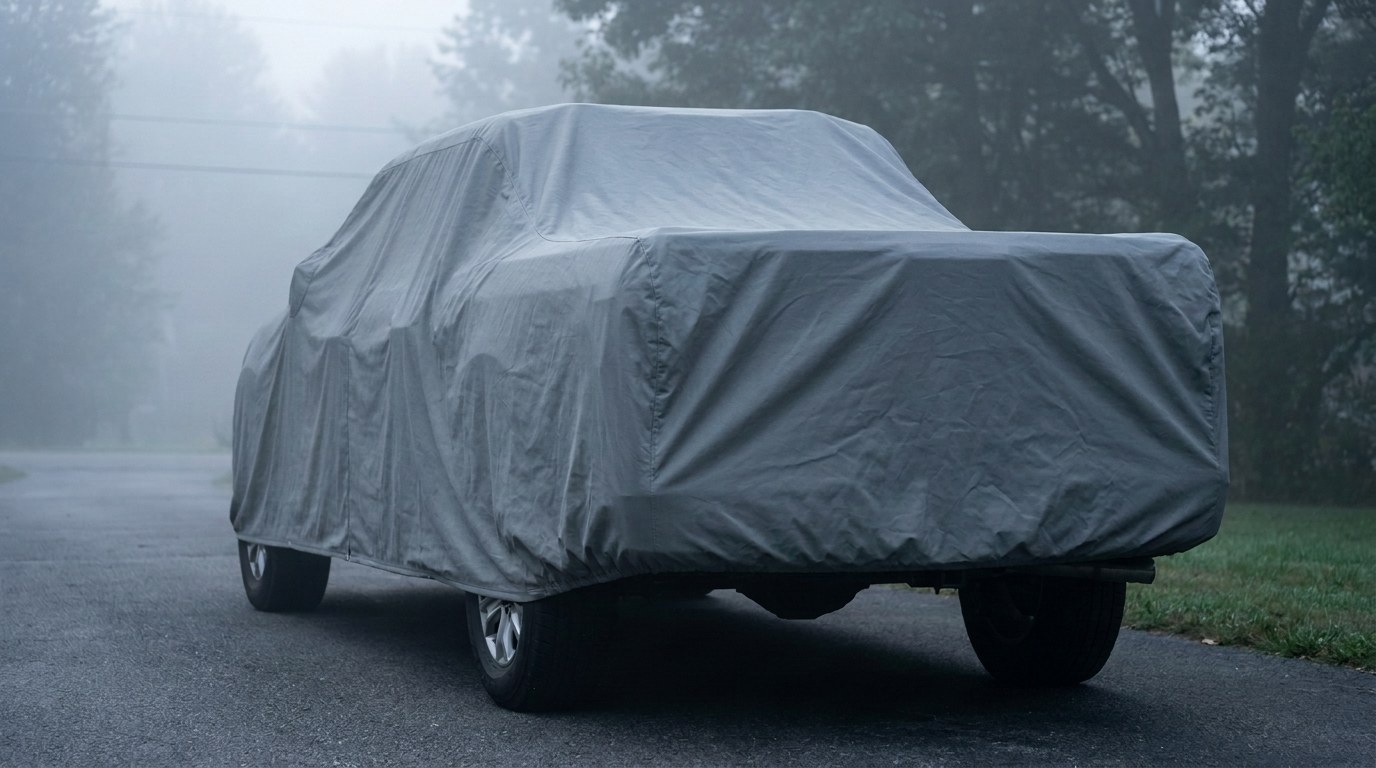
Here is the part most buyers get wrong: they shop by price or by brand, when the two things that actually decide whether a cover works are fit and where the truck lives. Get those right and a mid-tier cover outperforms a premium one that is the wrong size. Get them wrong and you have bought a very expensive sail.
Outdoor vs. indoor for a truck
The first fork in the road is simple: is the F-150 parked outside, or does it sleep in a garage or shop? The answer changes the fabric completely, and buying the wrong side of this line is the most common, and most expensive, mistake.
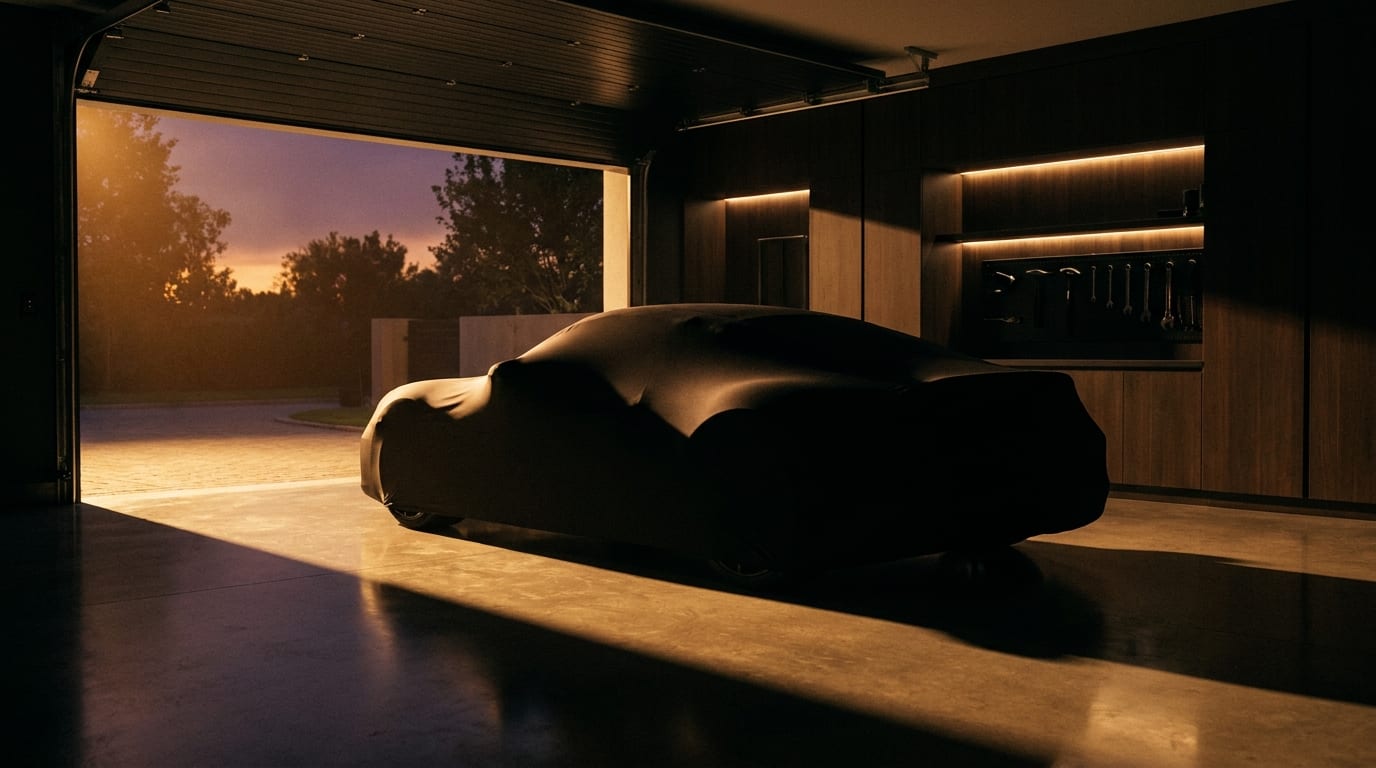
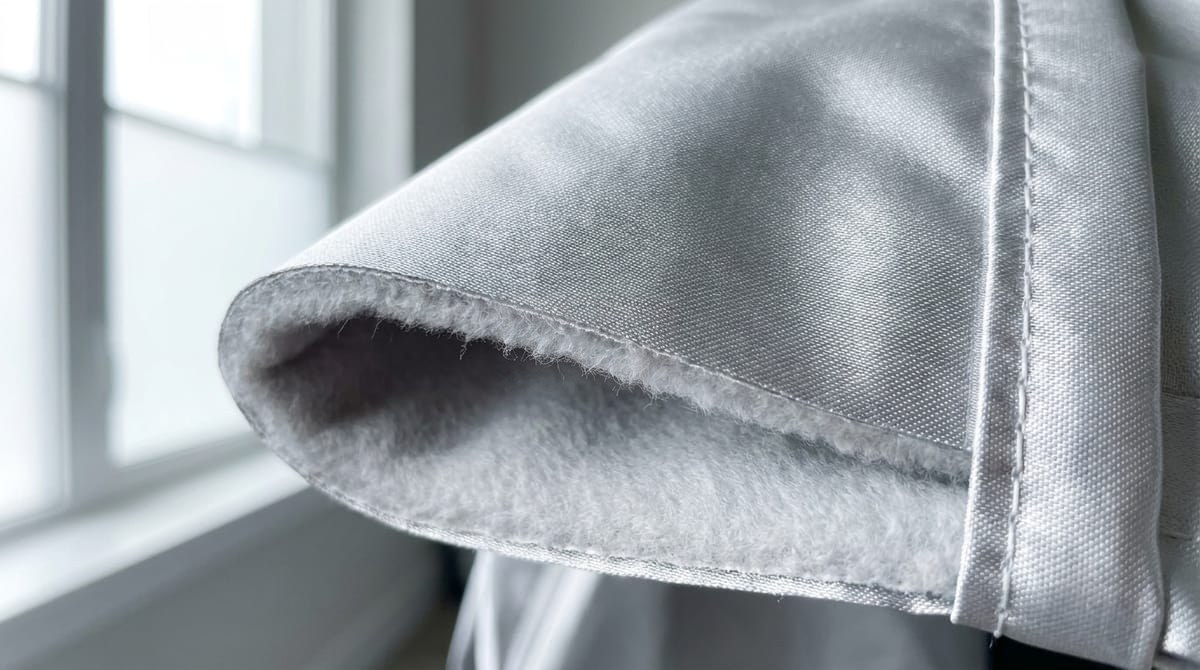
An outdoor cover is a water-resistant weather build. It has a UV-treated shell on top and a nonabrasive inner face against the paint, fleece-lined on the upper grades. It is engineered to take sun, rain, snow load and wind for years. An indoor cover is a soft stretch cover with a fleece interior, a show-finish drape whose only job is to keep dust, dings and airborne grit off a garage-kept truck. It is lighter and completely wrong for the driveway.
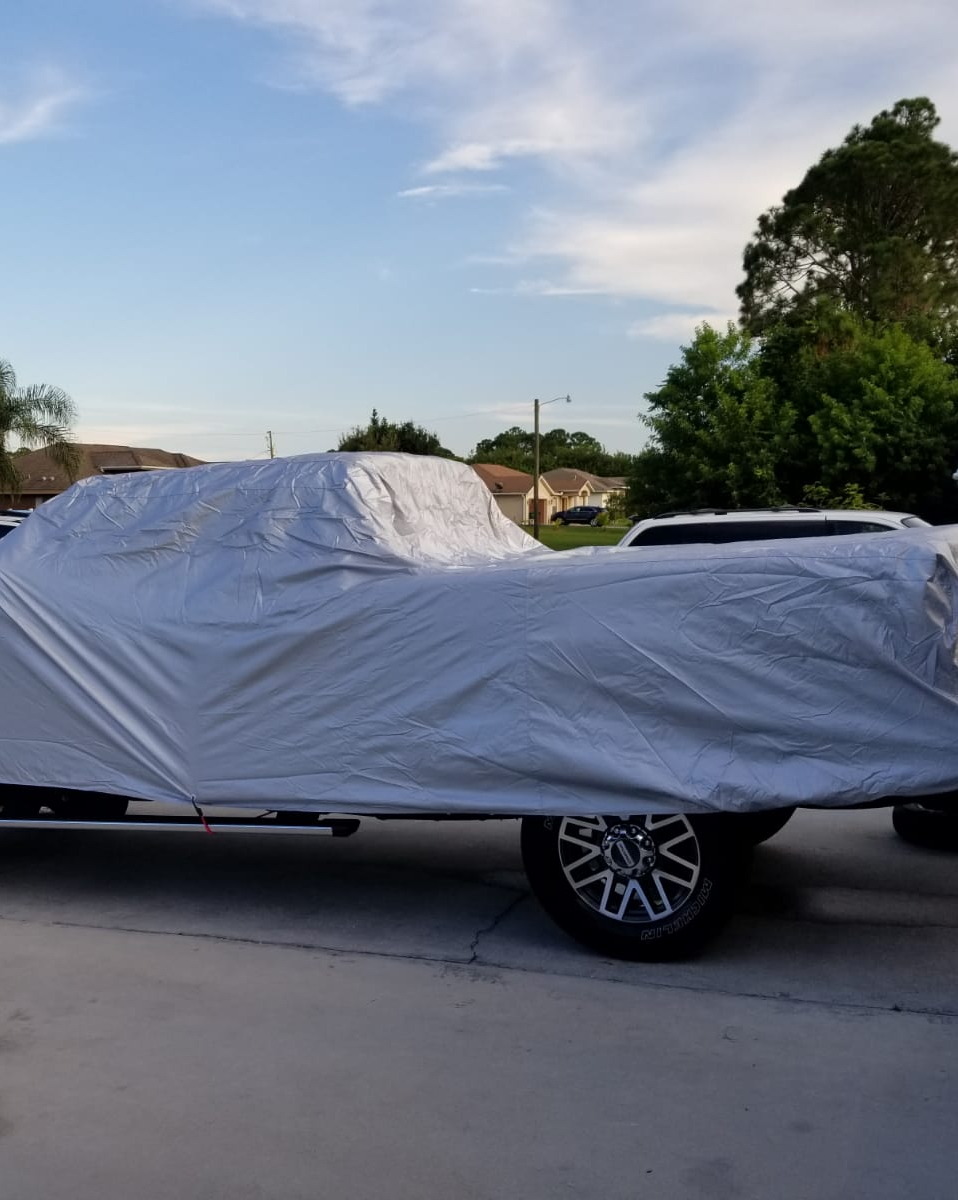 Outdoor
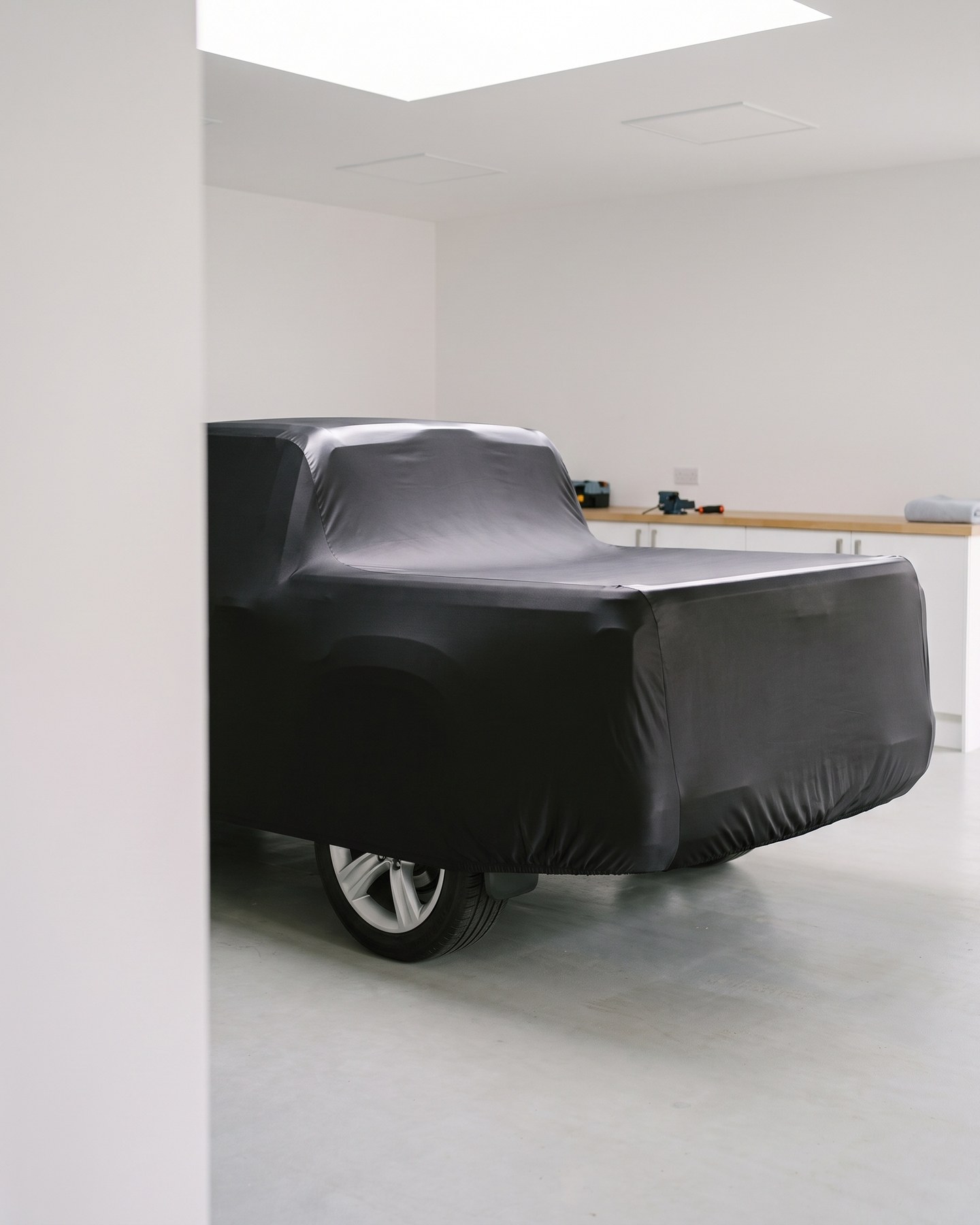 Indoor
What to look for
Once you know it is an outdoor cover, three details separate one that lasts from one that disappoints. In order of importance:
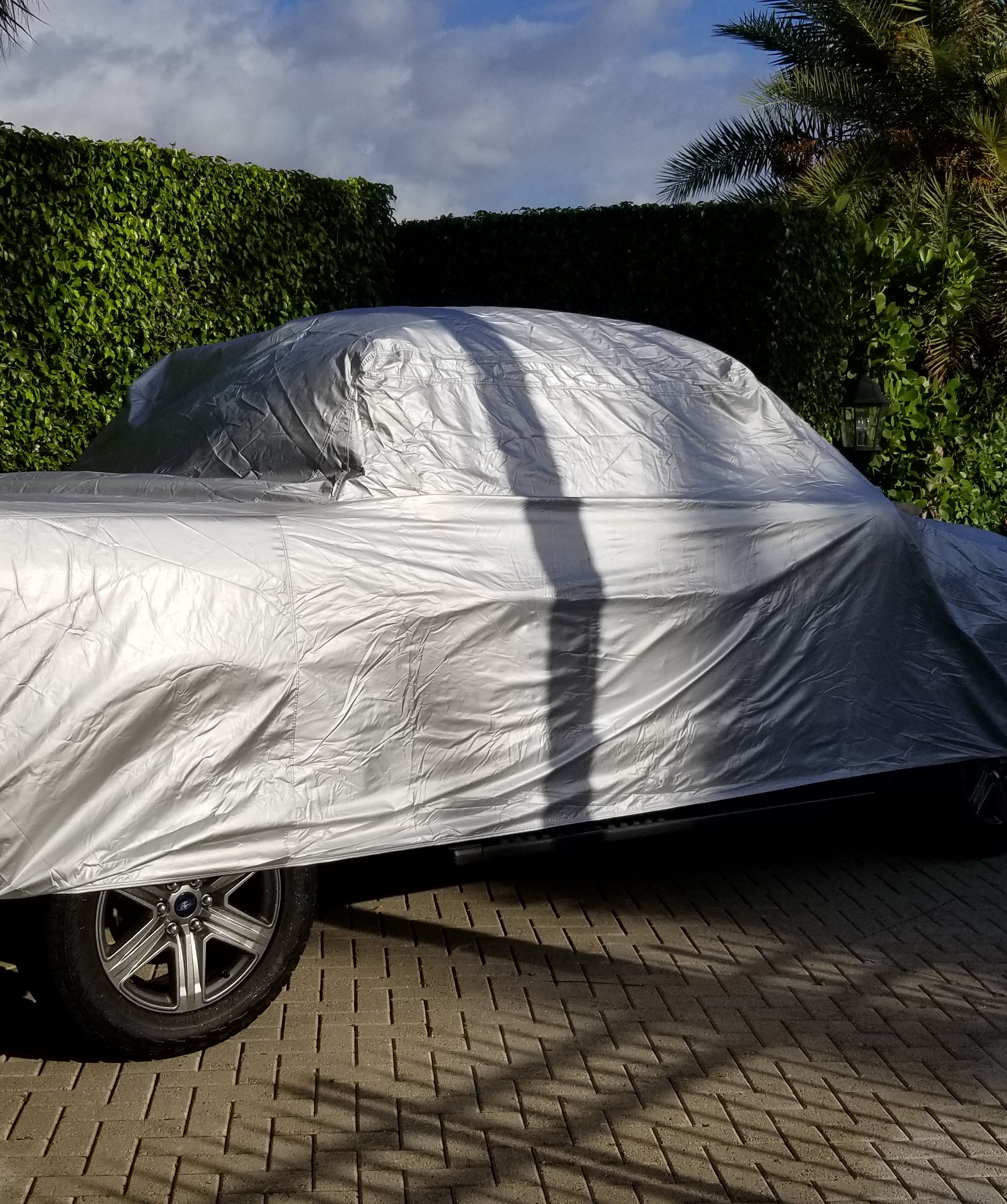
- FitShaped fit over the mirrors and bed. A truck is not a smooth shape: the mirrors, cab step and bed rails all stick out. A proper F-150 cover has a shaped wrap over the mirrors and a body-contoured cut so the fabric sits tight instead of tenting and rubbing. Tenting is what lets wind get under the cover.
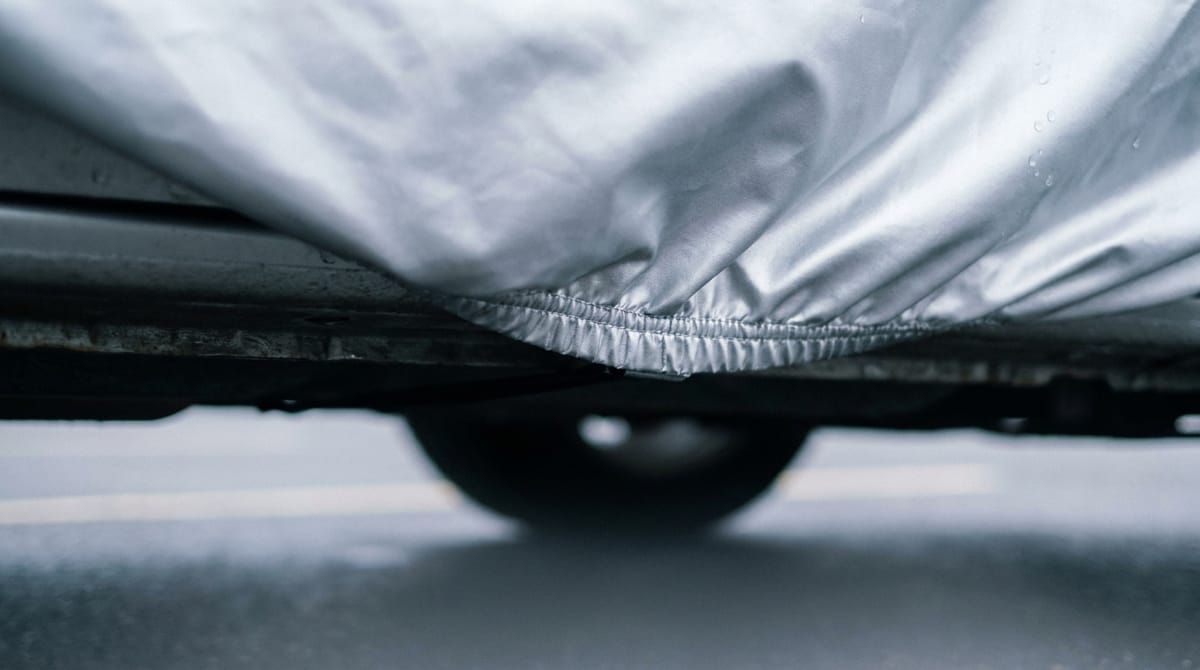
- WindA way to anchor it in wind. Elastic front and rear hems draw the cover in; for a truck this size in a gust, clip a Gust Strap to the cover’s lower edge and run its cords under the truck, so the cover is anchored to the truck, not just draped over it.
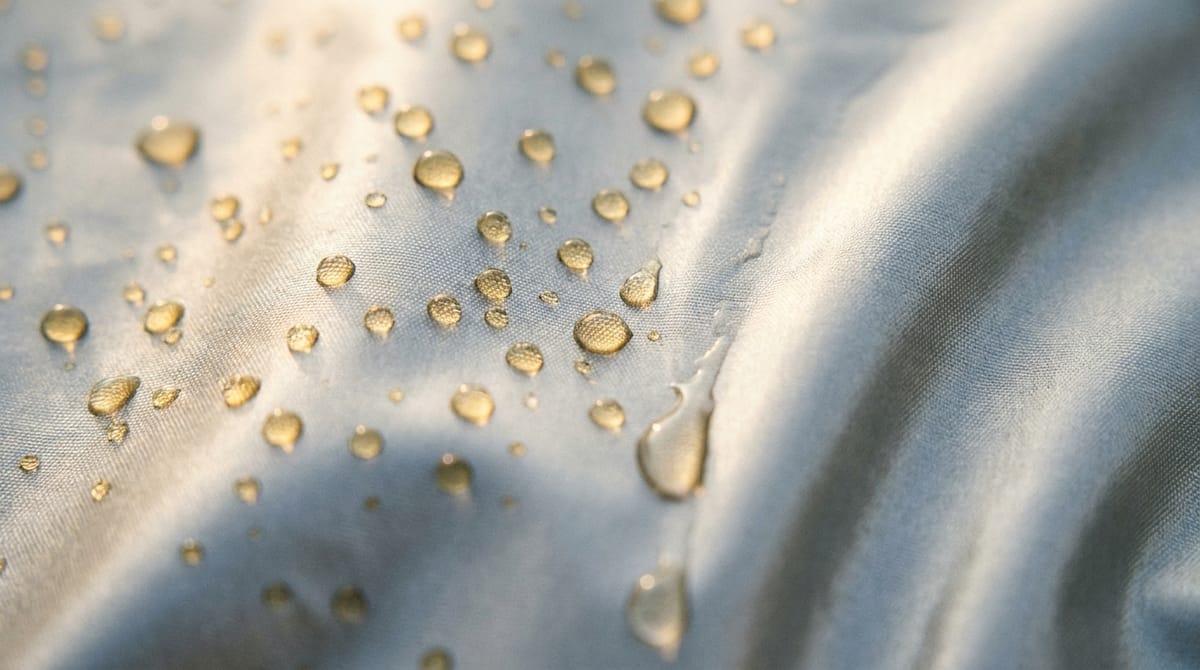
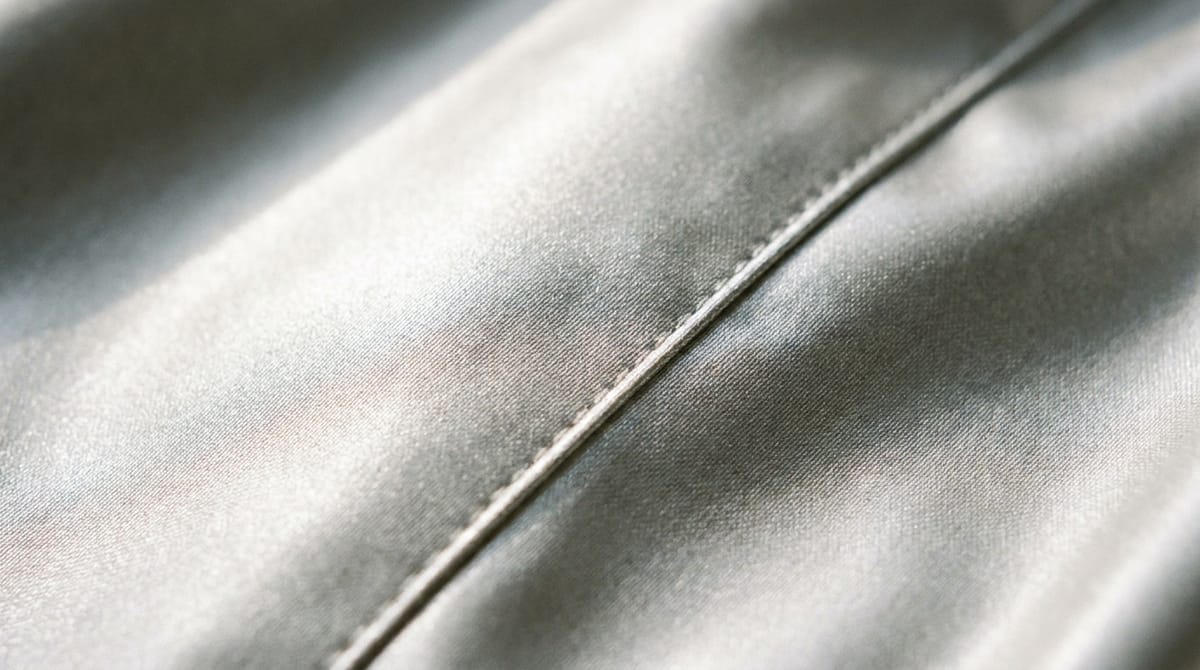
- AirWater-resistant, with a way for damp to escape. Shedding water is easy; letting condensation out at the same time is the trick. The Platinum Shield does it with breathable fabric. Without a way out, moisture sits against the paint, the very thing you were trying to avoid.
Our pick by where you park
There is no single "best" F-150 cover; there is the best one for your climate. The grade ladder is the same for every full-size truck; what changes is which rung you want. Here is how the three outdoor grades map to the three conditions that actually wear a cover out.
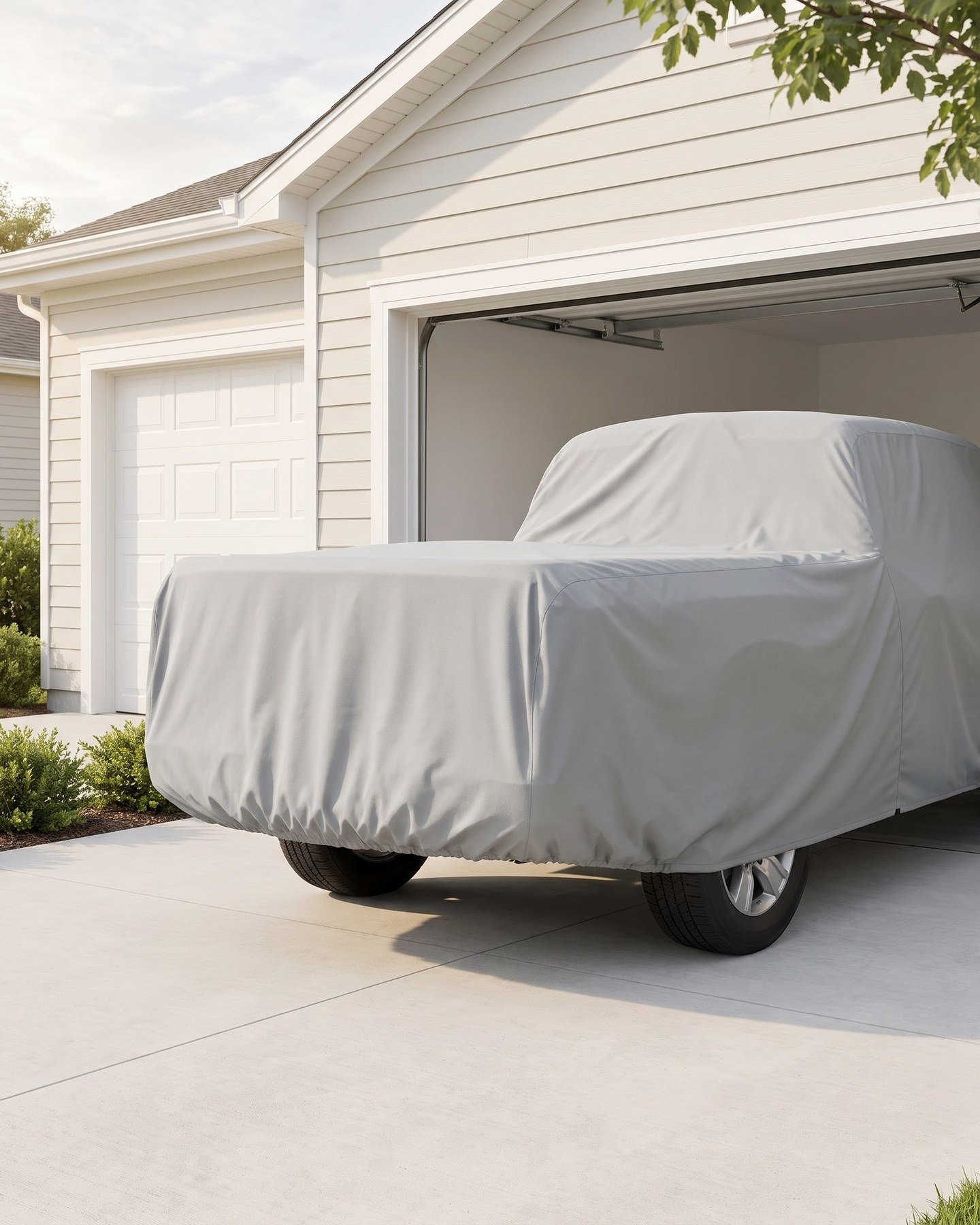
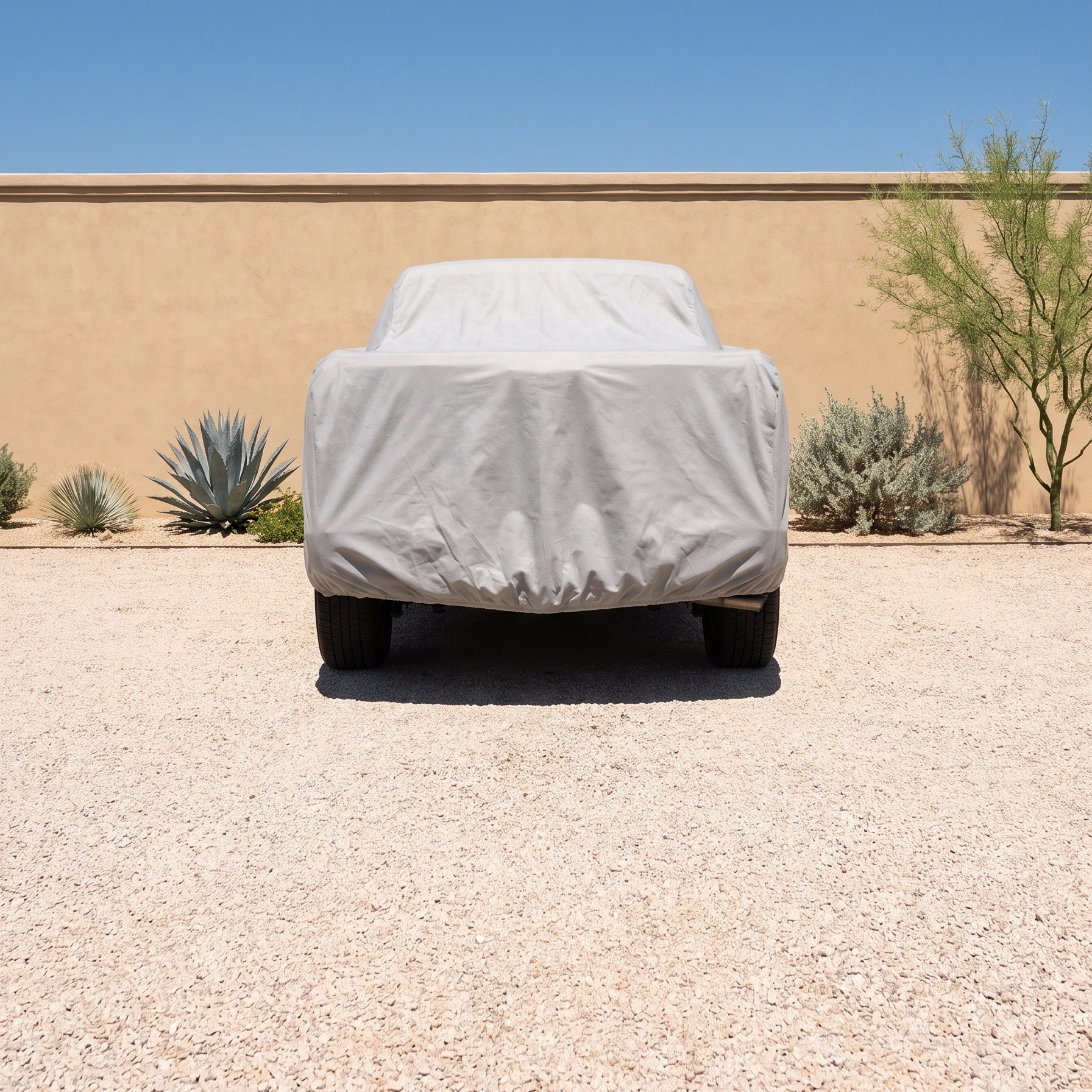
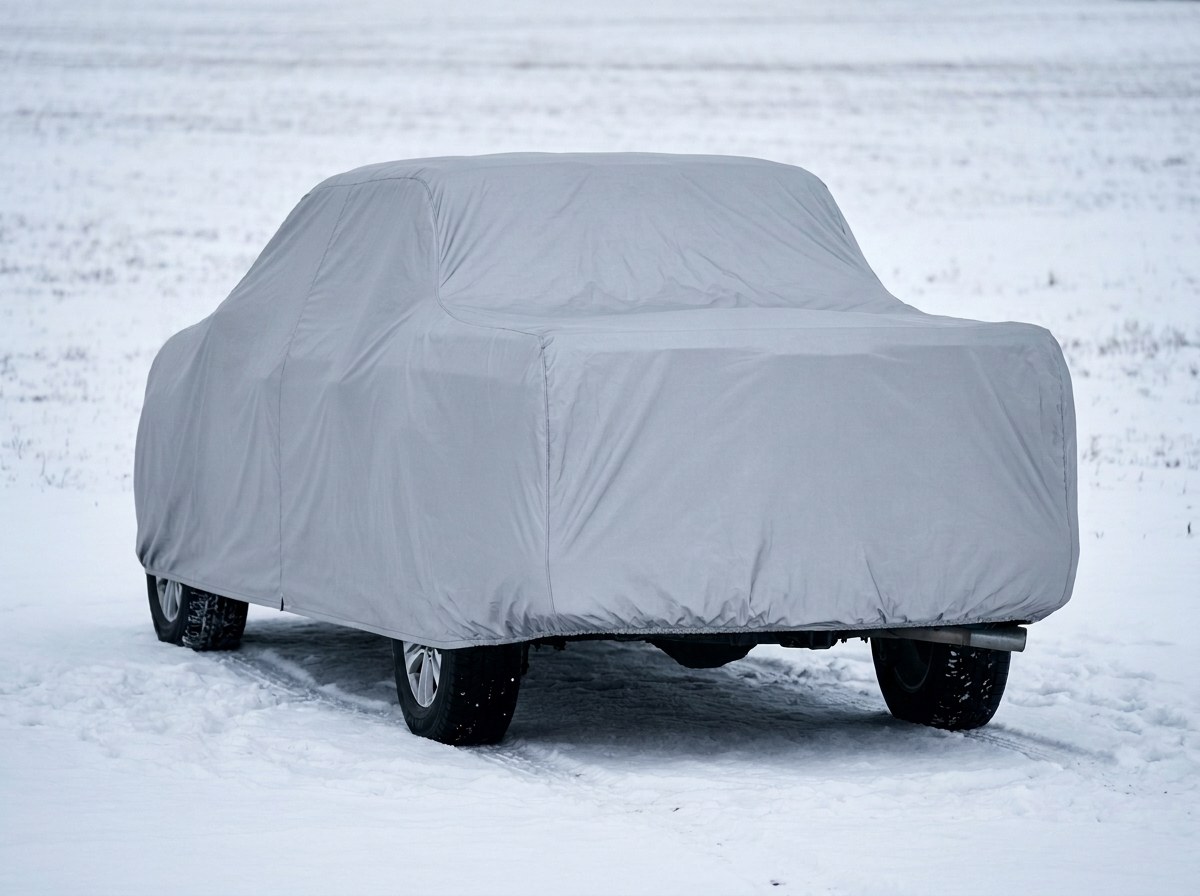
Below is the grade we recommend for your F-150 right now. It reads the vehicle in your garage and your local climate and picks the rung to match. Try the climate switch to see it re-recommend live.
The best cover for an F-150 is the one that is the right size for your cab and the right grade for your weather. Everything else is marketing.
AllGuard Fit Team · Truck fitment
If you would rather see the grades side by side, here is the full ladder for a full-size truck, with the difference that matters for a vehicle left outside called out in each row.
| Weatherproof Lite | Weatherproof Max | Best sellerPlatinum Shield | |
|---|---|---|---|
| Everyday dust & debris | ✓ | ✓ | ✓ |
| UV treatment | ✓ | ✓ | ✓ |
| Heavy rain & snow load | – | ✓ | ✓ |
| Polyurethane-coated shell | – | – | ✓ |
| Reinforced side grommets | ✓ | ✓ | ✓ |
| Fleece liner | – | ✓ | ✓ |
| Price | $129.99 | $199.99 | $229.99 |
Every cover includes the AllGuard Protection Warranty.
Fit & sizing confidence
This is the step that decides everything, so it is worth being precise. An F-150 comes in three cab styles and more than one bed length, and the overall length swings by more than three feet across the range. A cover sized for a SuperCrew short-bed will billow on a regular cab and strain on a SuperCrew long-bed. There is no "truck‑size‑fits‑all."
You do not need a tape measure and a size chart. Give us the year, cab and bed and we match the pattern for it. The cover wraps snugly over your mirrors, and the hems finish where the bumpers do. If the fit is not right, the 30-day fit guarantee swaps the size, no debate.
Care & storage
A cover is a multi-year purchase, and how you handle it decides whether it lasts three seasons or ten. Four steps cover it:
Rinse the truck first
Never cover a dirty F-150. Grit trapped between the fabric and the paint acts like fine sandpaper every time the wind moves the cover. A quick rinse and dry is the single biggest thing you can do to protect clear-coat under a cover.
Fold the mirrors, set the cover front‑to‑back
Start the cover over the cab and roof, then draw it forward over the hood and back over the bed and tailgate. Seat the cover over the mirrors, then the front and rear elastic hems. Working in one direction keeps the seams square to the body lines.
Secure it against wind
Pull the elastic front and rear hems under the bumpers. In high wind, clip a Gust Strap to the cover’s lower edge, run its cords under the truck and snug it until the cover is taut but not stretched. On a full-size truck this is what turns a cover into a second skin instead of a sail in a gust.
Store it dry
When you pull the cover for a drive, let it dry before it goes in the bag. Folded damp, any cover can hold a musty smell. Keep the storage bag in the cab or garage, not the open bed.
The AllGuard Protection Warranty
Every outdoor grade on this page, the Weatherproof Lite, the Weatherproof Max and the Platinum Shield, includes the AllGuard Protection Warranty. Full replacement in the same material and size. Covers wear and tear. Included with every cover.
It does not make the wrong size right, though: a cover that flaps wears itself out. Choose the fit first and the grade second.
Fit first, grade second. Get those two right and the Protection Warranty looks after the years that follow.
Truck fitment
F-150 cover FAQ
Will one cover fit every F-150 cab configuration?
No. A regular cab, SuperCab and SuperCrew differ by well over three feet in overall length, and bed length changes again on top of that. Always size to your year, cab and bed. A cover that is even a size off will either flap in the wind or strain at the hems.
Do I need to remove the antenna or fold the mirrors?
Fold the mirrors before covering; the cover wraps snugly over them. A short shark-fin antenna can usually stay; a long mast antenna should be removed or lowered so it does not tent and stress the fabric.
Can an outdoor cover stay on for weeks at a time?
Yes, if it has a way for damp to escape, like the breathable Platinum Shield. Its fabric lets trapped moisture out so condensation does not sit against the paint. Avoid a cheap plastic tarp for long-term use: trapped moisture is what causes water spotting and mildew.
What does the cover actually protect against on a truck?
UV fade on the hood and roof, tree sap and bird droppings, dust and pollen, rain and snow load, and the fine scratches that come from wiping a dirty truck. On a work truck it also keeps the bed and cab interior cleaner between jobs.