
Affordable Car Cover for GMC Acadia: A Budget Buyer's Guide (Without Cutting Corners)
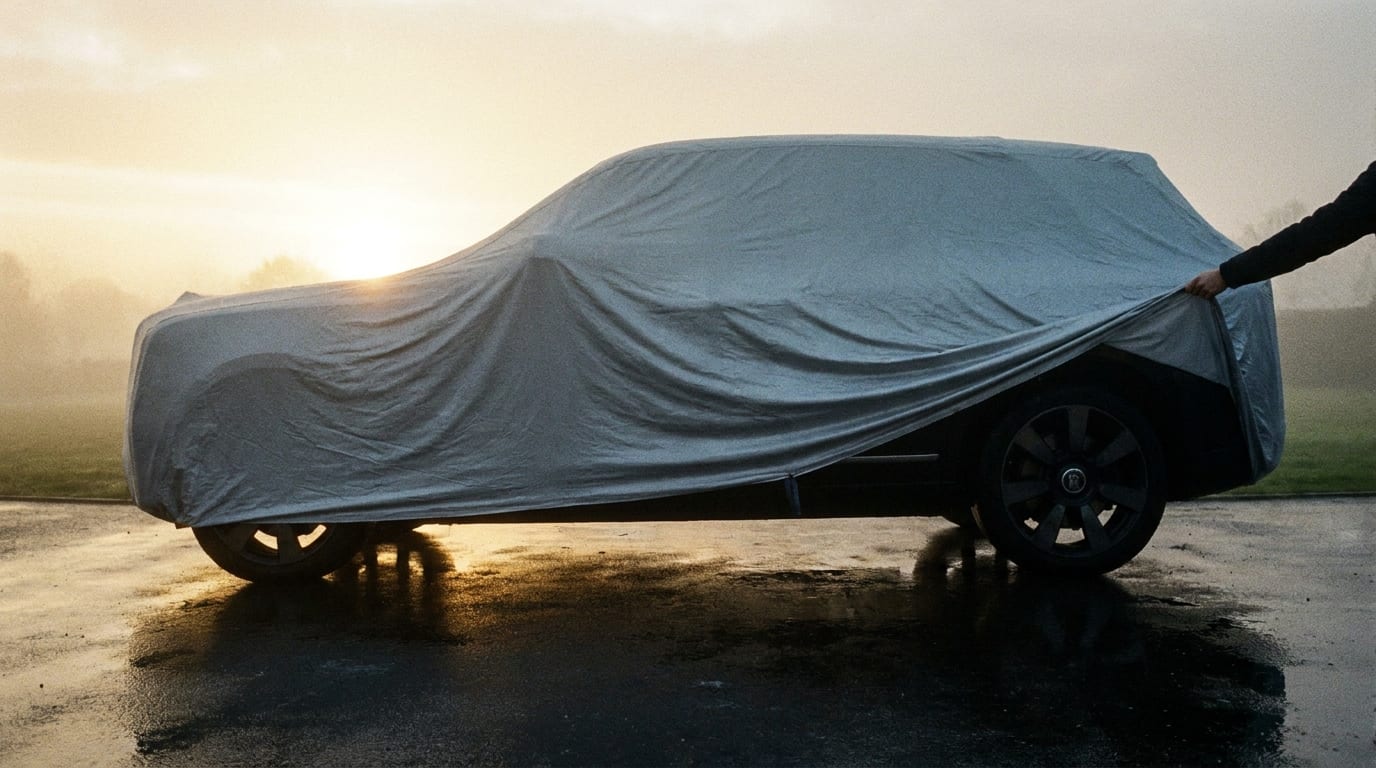
Shopping for an affordable car cover for GMC Acadia models usually starts with the same instinct: type "cheap car cover" into a search bar and grab whatever's first. Don't. Your Acadia is a big vehicle with a lot of exposed surface area, and the gap between a smart budget pick and a genuinely cheap one shows up fast, usually as swirl marks, water spots, or a cover that's already shredding at the seams by month three. This guide walks through what actually makes an Acadia cover affordable versus just cheap, and where you can trim cost without trimming protection.
Why Your GMC Acadia Needs a Cover (Even on a Budget)
The Acadia is a three-row SUV running somewhere around 16.5 to 17 feet depending on the generation you own. That's a lot of hood, roof, and glass sitting out in the sun or under a tree if you're parking in a driveway or on the street. Paint doesn't fade evenly. UV exposure hits the hood and roof hardest, and trim and rubber seals dry out and crack well before most owners notice.
Here's the math that matters: a decent cover runs somewhere between $60 and $150. A repaint job, a cracked windshield from hail, or reupholstering sun-faded seats costs multiples of that. So even the budget end of this category is still cheap insurance.
This guide isn't about finding the single lowest-priced listing on the internet. It's about finding real value, because a cover that doesn't fit the Acadia's body lines or doesn't let the car breathe can actually do more damage than parking it bare. Climate matters too. If you're in Arizona sun or Midwest hail country, your minimum bar for an outdoor car cover is higher than someone parking under a carport in a mild coastal climate. Keep that in mind as you read the price tiers below, because the "right" price depends partly on where your Acadia actually lives.
What Actually Drives the Price of an Acadia Car Cover
Three things move the price needle, and it's worth understanding each before you start comparing listings.
First, fit. A custom-fit car cover is cut to the Acadia's actual body lines, mirrors, roofline, the works. It costs more up front. But a cover that hugs the vehicle doesn't flap in wind, doesn't pool water in low spots, and doesn't rub the same four inches of paint every time a gust comes through. A universal or semi-custom cover is cheaper, and it can work, but you're accepting more slack and more wear points in exchange for the lower price.
Second, material. Single-layer budget fabrics are lighter on cost and lighter on protection. Multi-layer weatherproof fabrics cost more because they're doing more, usually a UV-resistant outer layer plus a softer inner layer that won't scratch the clear coat. That layering is also what extends the life of the cover itself, so the sticker price and the cost-per-year aren't always the same ranking.
Third, features. Grommets for a cable lock, reflective panels, an antenna patch, elastic hems. Some of these genuinely matter for an Acadia, a grommet and cable lock combo is worth having if the SUV lives on the street overnight. Others, like reflective panels, are closer to nice-to-have than essential.
One more lever worth knowing about: if your Acadia is garage-kept and only needs protection from dust and minor scuffs, an indoor car cover is the cheapest legitimate category in this whole space. No need to pay for weatherproofing you'll never use.
The Minimum Quality Bar: What Not to Skimp On

Even on the tightest budget, there's a floor you shouldn't go below.
Breathability is non-negotiable if the Acadia sits outside at all. A cover that traps moisture underneath turns into a terrarium for mold and mildew, which is worse for your paint than rain ever was. Some UV resistance is the second must-have for anyone parking outdoors regularly, even part time.
Fit beats price tier, full stop. A $50 cover that fits snugly will protect your Acadia better than a $90 cover that's too loose and whips around every time the wind picks up. That flapping is what causes micro-scratches, and it happens slowly enough that owners often blame something else.
Check stitching and seams before you buy, and make sure there's at least a basic elastic hem or strap system to anchor the cover. Without one, you're back to the flapping problem. And if your Acadia lives outside in a rain-heavy region, don't buy a cover with zero water resistance rating. That's the one corner that'll cost you the most to have cut.
Budget Price Tiers for GMC Acadia Covers

Pricing in this category roughly breaks into three bands, and matching the right one to your situation matters more than chasing the lowest number on the tag.
| Tier | Price Range | Best Fit |
|---|---|---|
| Entry | $40 to $70 | Garage-kept Acadias, occasional short-term outdoor parking, mild climates |
| Mid | $70 to $130 | Most Acadia owners parking outside regularly, year-round use |
| Upper-budget | $130 to $180 | Daily outdoor exposure, harsh sun, snow, or storm-prone regions |
The entry tier gets you a basic single-layer cover. Fine for a car that's mostly indoors and only needs a cover for the occasional overnight outside or a weekend at a relative's house. Don't expect it to hold up to daily sun and rain for years.
The mid tier is where most Acadia owners should actually be shopping. You're getting multi-layer weatherproof fabric, real UV protection, and usually grommets and straps included standard. It's the sweet spot between cost and durability, and it's worth checking a sizing guide before you buy here, since this tier often comes in multiple SUV length options and getting it wrong undoes the value.
Upper-budget covers edge toward custom fit, with reinforced seams and add-ons like cable lock loops. Worth paying for if your Acadia is outside every day in a rough climate. Skip it if you're garage-adjacent and only need occasional coverage, you'd be paying for durability you won't use up.
The rule of thumb: match the tier to actual exposure, not to the lowest price you can find. A $45 cover on a car that lives outside through four seasons isn't a deal. It's a cover you'll be replacing twice as often.
How to Find a Legit Deal (Without Getting a Bad Fit)
Before you buy anything labeled "universal SUV," check the actual dimensions against the Acadia's length and height. Universal doesn't mean one-size-fits-all, it means loosely sized for a range of vehicles, and some of those ranges are wide enough to leave you with a foot of extra slack.
Clearance pricing is a legitimate way to save, but there's a right and wrong way to do it. Look for full-spec covers marked down in clearance, rather than dropping down to a lower-spec product just because it's cheaper. The goal is the same quality for less money, not less quality for less money.
Bundles help too. A cover sold with straps and a cable lock included often costs less per item than buying each piece separately later.
And because you're buying on a budget, the return policy matters more than it would on a splurge purchase. Check the return policy and look for a no-hassle guarantee before you check out. If the sizing's off or the material isn't what you expected, that's your way back to even without eating the cost.
Mistakes That Cost Acadia Owners More Long-Term
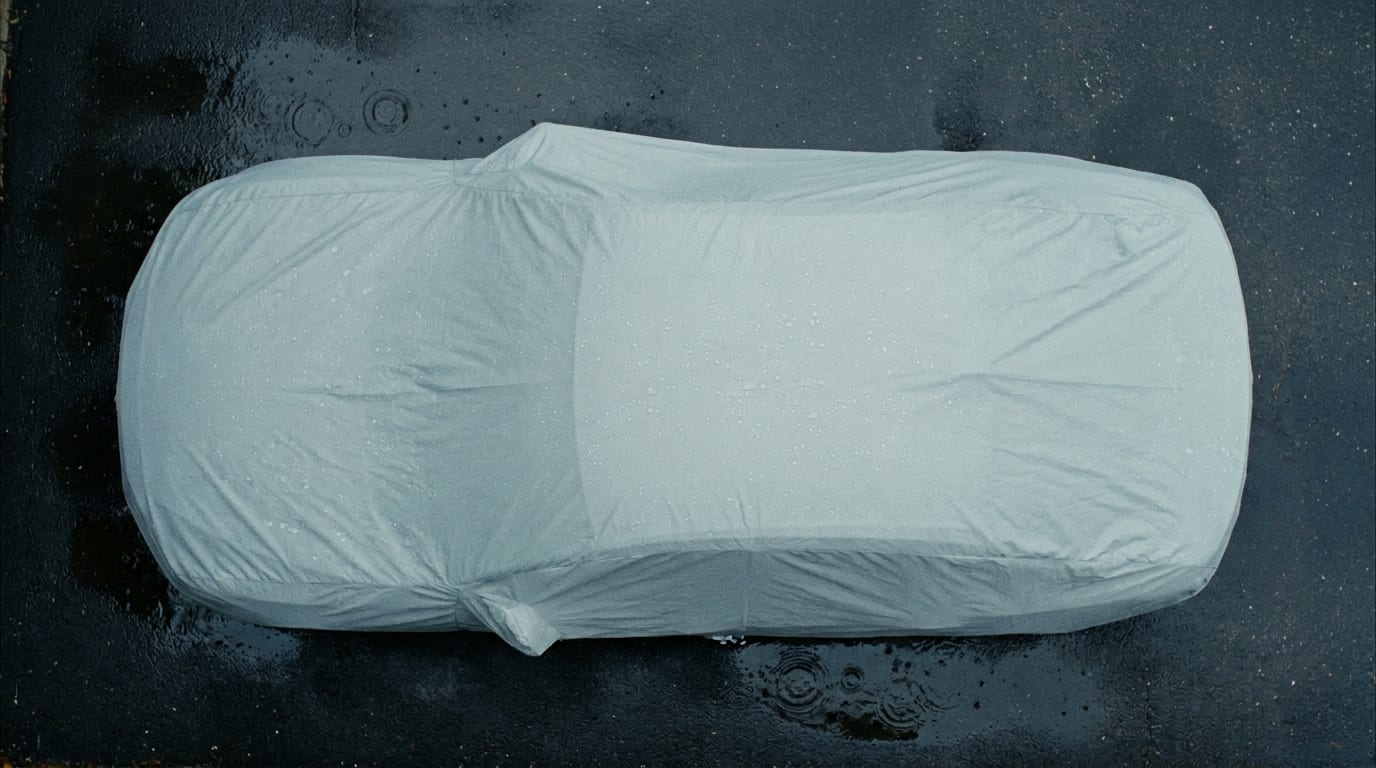
The biggest one: buying a non-breathable tarp-style cover because it's the cheapest thing on the shelf, then dealing with trapped moisture and mildew stains a few months in. That's a cover that actively works against your paint instead of for it.
Close second: a universal cover with too much slack. It looks fine in the driveway. It doesn't look fine after a windy season's worth of flapping against the hood.
Some owners skip a cover entirely to save the upfront cost. Then UV fading, tree sap, or bird droppings show up, and the repair bill is well past what a suv cover would've cost in the first place.
Last one, and it's an easy trap: buying a cover sized for the wrong Acadia generation or body style. The Acadia's changed shape more than once over its production run, and a cover built for the wrong year undermines everything else you did right in choosing it.
Bottom Line: Budget Smart, Not Cheap
The minimum bar doesn't move no matter how tight the budget is: breathable, weather-appropriate for where you park, properly fitted to your Acadia's generation, and backed by a return policy you can actually use.
For most owners, the real affordability sweet spot is the mid tier, not the cheapest listing you can find. The lowest price tag usually just means the cost shows up later, in a repaint or a replaced cover.
If you're still not sure which size or tier fits your specific Acadia, it's worth a few extra minutes to check before you buy rather than guess and hope. And if this kind of practical, no-nonsense buying advice is useful, stick around the blog, there's more where this came from for whatever you're parking next.
