
Affordable Car Cover for Honda CR-V: A Budget Buyer's Guide
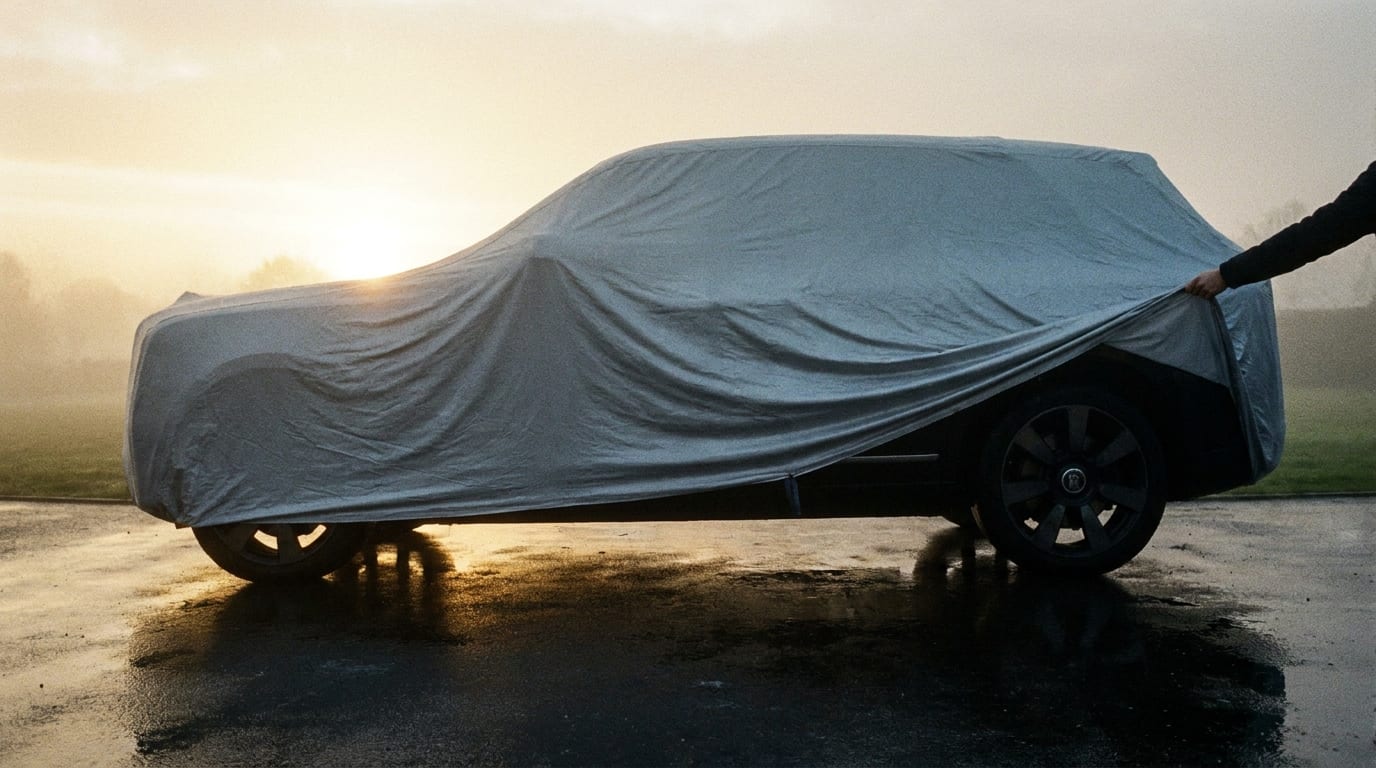
Parking a CR-V outside every night and watching the clear coat take a beating from sun and sap will make anyone start searching for an affordable car cover for Honda CR-V models. The problem is most of what shows up first is either a flimsy $25 tarp that'll shred in one windstorm or a $300 custom cover that feels like overkill for a compact SUV. Neither extreme is the right answer. This guide walks through what "affordable" should actually mean, what quality bar to insist on no matter your budget, and which red flags tell you a cheap cover won't last the season.
Here's some good news first: the CR-V's size works in your favor. It's a compact SUV, not a three-row behemoth, so it needs less fabric than a Tahoe or Suburban cover. That alone should keep your price down without you having to sacrifice material quality to get there.
Why CR-V Owners Search for an Affordable Cover (and What That Really Means)
Most people land on this topic the same way: CR-V sits in a driveway or open-air carport, no garage in sight, and the owner wants real protection from UV rays, tree sap, bird droppings, or rain without paying luxury prices built for exotic cars. That's a reasonable thing to want.
But "affordable" gets misread as "cheapest possible," and that's where people get burned (sometimes literally, where sun damage cracks a dashboard). This guide isn't about finding the rock-bottom price. It's about finding the lowest price that still clears a real quality floor, so you're not back here in four months buying a second cover because the first one disintegrated.
The CR-V actually helps here. Its compact SUV footprint means less material, less fabric reinforcement needed, and a smaller price tag across the board compared to covering a full-size SUV or pickup. Budget shoppers get more cover for their dollar simply because of the vehicle's size class.
What 'Affordable' Actually Means for a CR-V Cover
Prices for SUV covers generally fall into three tiers, and knowing them helps you spot a fair deal versus a ripoff.
| Tier | Typical Price | What You're Paying For |
|---|---|---|
| Budget universal-fit | $30 to $60 | Single-layer fabric, generic sizing, minimal hardware |
| Semi-custom SUV-fit | $80 to $150 | SUV-specific sizing, multi-layer fabric, straps or grommets included |
| Custom-fit | $150 to $250+ | Precision pattern for exact model/year, premium fabric, full weatherproofing |
The jump between tiers isn't random markup. It's driven by fabric layer count, how well the material resists UV breakdown and water, how precisely the pattern matches your vehicle's roofline, and whether straps or lock grommets come included instead of sold separately.
For most CR-V owners, the semi-custom tier is the real sweet spot. A universal cover looks cheap on the price tag but often fits so loosely that wind gets underneath it, water pools in the sagging fabric, and the whole thing wears out faster than a cover built for your SUV's actual shape. You end up spending twice over a couple of years. Browsing Honda SUV cover options built specifically for CR-V-class dimensions usually gets you more protection per dollar than the bargain bin.
The Minimum Quality Bar You Shouldn't Skip, Even on a Budget

Some things aren't worth cutting, no matter how tight the budget.
- Water-resistant, not just "water repellent." Those are different claims. Repellent fabric beads up light drizzle and fails in real rain. Look for actual waterproof car cover construction if your CR-V sits outside regularly.
- UV-stabilized material. Cheap fabric without UV stabilizers fades and goes brittle within a season of direct sun.
- Breathable layers. A cover that blocks water but doesn't breathe traps moisture underneath, which is how you get mildew on paint that never even got rained on.
- Elastic hem or front/rear straps. This is the single most common failure point on cheap covers. No strap, no grommet, first gust of wind flips the cover halfway off and it's flapping against your paint like sandpaper.
- Reinforced seams. Stitching at stress points (mirrors, roofline, wheel wells) matters more than color or brand name on the tag. A cover with weak seams rips at the first snag, no matter how thick the fabric feels in the store.
- Sizing listed for your vehicle, not a vague range. "Fits SUVs up to 190 inches" tells you nothing about whether it'll actually hug a CR-V's roof and mirrors.
Universal vs. Semi-Custom vs. Custom-Fit: Which Is Actually Worth It for a CR-V?
Universal covers are the cheapest thing on the shelf, and that's basically their only advantage. The loose, one-size-fits-most cut means flapping in wind, water pooling in the slack fabric, and faster wear at the edges. If you need something for occasional, short-term indoor use (say, storing the CR-V in a garage for a couple weeks), a universal cover might be fine. For regular outdoor parking, it's a bad trade.
Semi-custom covers, sized specifically to the SUV body class the CR-V falls into, give you the best cost-to-protection ratio for most real-world situations. You're not paying for a pattern traced off your exact trim year, but the fit is close enough that wind, water, and UV exposure are all handled properly.
Custom-fit covers earn their higher price only in specific situations: full-time outdoor parking in harsh climates, think hail-prone regions, heavy snow, or coastal salt air chewing at everything metal. If that's your situation, the extra money buys real peace of mind. If your CR-V just deals with normal sun and rain, custom-fit is money you don't need to spend.
Before buying anything, confirm your CR-V's generation and body style line up with what the cover's labeled for. CR-Vs are five-door compact SUVs, but roofline height and rear spoiler shape have shifted across generations, and that affects fit more than people expect. Check the sizing guide for your vehicle before you check out, not after it arrives and doesn't fit.
How to Cut Costs Without Cutting Protection
There are smarter ways to save than buying thinner fabric.
Match the cover to how you'll actually use it. If the CR-V lives in a garage most of the time, an indoor car cover can skip the heavy-duty weatherproofing layers entirely and cost noticeably less, since it's not fighting UV and rain every day. Save the outdoor car cover spend for when you actually need it.
Watch for free shipping and seasonal clearance pricing. Shipping costs can quietly add $15 to $20 to an order, so free shipping on a quality cover often closes the price gap with a cheaper, worse-made alternative.
A cover backed by a real warranty costs less over time than one that isn't, even if the sticker price is higher upfront. Replacing a $40 cover every single season adds up faster than buying one backed by a lifetime warranty on car covers once and being done with it.
And don't pay for capacity you don't need. Extended-length panels designed for full-size SUVs or trucks add cost for material your CR-V will never use. That's dead weight on the price tag.
Red Flags That Mean a Cover Is Cheap, Not Affordable
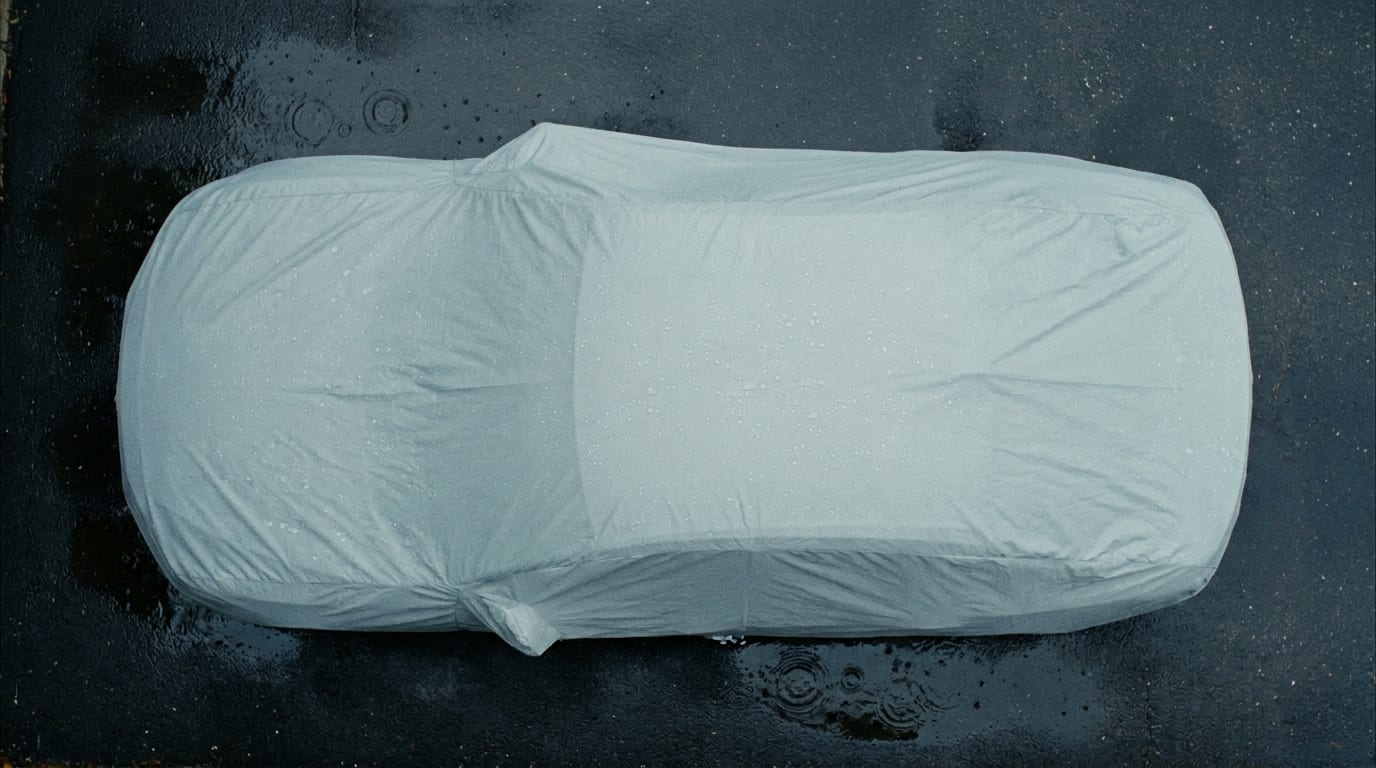
A few signs tell you a listing is cutting corners rather than cutting fat:
- No stated water resistance rating, just vague language like "weather resistant" with zero specifics behind it.
- No grommets, straps, or cable lock points anywhere in the description. That's a wind-damage problem and, depending on where you park, a theft risk too.
- Sizing described only by a length range ("fits vehicles 175 to 190 inches") instead of make, model, and body type. SUV rooflines vary enough that length alone rarely means a correct fit.
- No return policy or warranty mentioned at all. If the seller won't stand behind it, that tells you what they expect from it.
Before buying, it's worth checking the seller's return policy just so you know your options if the fit's off.
Finding the Right Affordable Fit for Your Specific CR-V
Generation and trim matter more than people assume. Roof racks, rear spoilers, and antenna placement all shift slightly across CR-V model years, and a cover cut for the wrong generation will gap at the mirrors or bunch at the hatch.
Rather than guessing off a length chart, run your CR-V's year and trim through a cover finder tool built to match specific vehicle data to the correct cover size. It takes the guesswork out, and it's a lot less annoying than measuring a return label after the wrong size shows up.
Bottom Line: Budget Smart, Not Cheap
An affordable car cover for Honda CR-V owners should still check every one of these boxes: water resistance, UV protection, correct SUV sizing, secure straps or grommets, and a warranty that backs the thing up. Skip any one of those to save a few dollars and you'll likely pay more later replacing a cover that didn't hold up.
Spending a bit more on a semi-custom, CR-V-specific cover almost always beats buying a cheap universal one twice. Take a look at the top-rated car covers in your range, or just browse what's out there and see what fits your situation, your budget, and your parking spot.
