
Affordable Car Cover for Honda Odyssey: A Budget Buyer's Guide
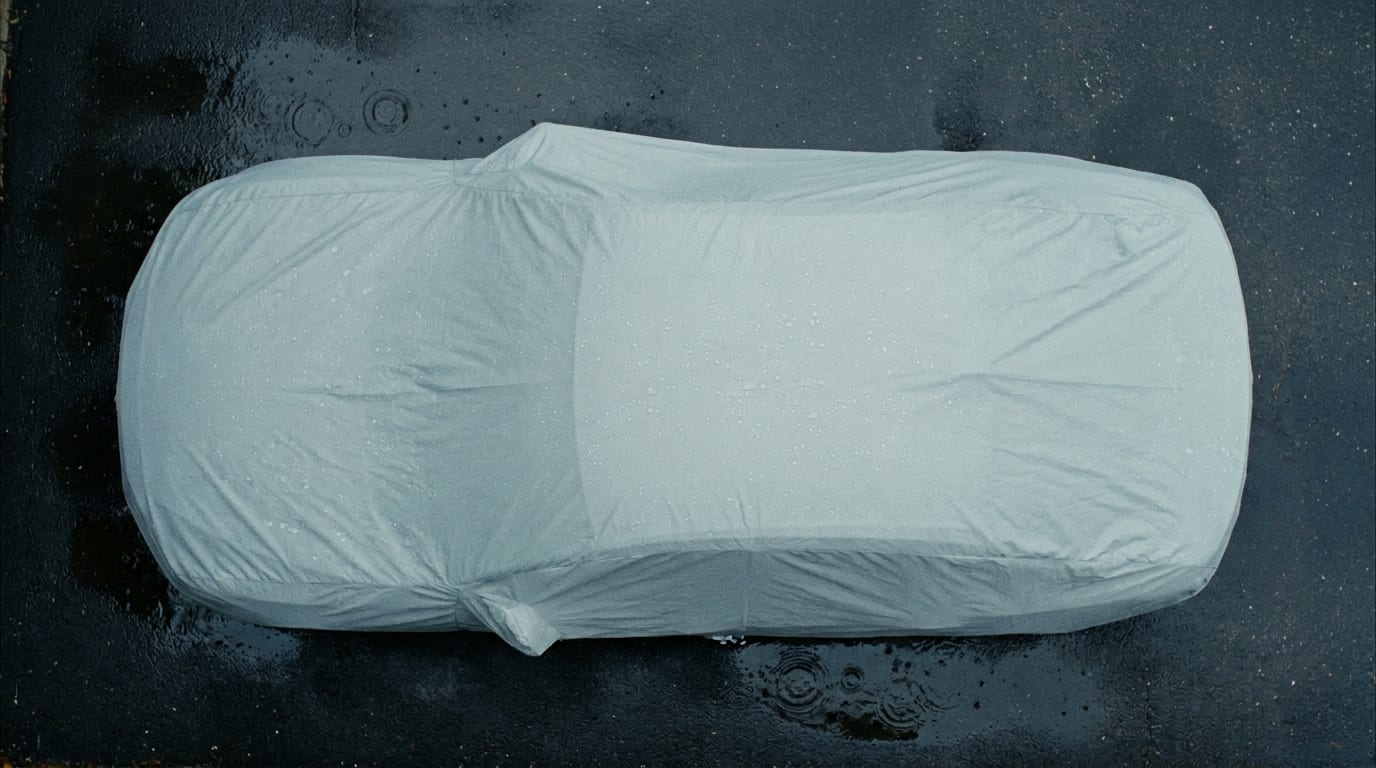
Odysseys don't sit in garages. They haul soccer gear, sit in school pickup lines, and spend most of their life parked on a driveway or in an office lot, rain or shine. So when owners go looking for an affordable car cover for Honda Odyssey minivans, they're usually not chasing a luxury add-on. They want basic protection that doesn't cost a fortune, and that's a reasonable thing to want.
Why Honda Odyssey Owners Shop for Budget-Friendly Covers
Most Odysseys are daily drivers, not weekend show cars. Nobody wants to spend car-cover money like they're protecting a classic Mustang when the van's job is hauling kids to practice.
But going without any cover has a real cost too. UV exposure fades clear coat faster than most owners expect, especially on a vehicle parked outside eight or more hours a day. Dashboards crack from years of sun baking through the windshield. Tree sap and pollen etch into paint if they sit long enough. Interior temperatures spike hard in direct sun, which stresses dashboards, seats, and electronics over time.
So this guide is about finding the sweet spot. Not the cheapest cover you can find, and not an overpriced one either. The goal is a genuinely affordable car cover for Honda Odyssey ownership that holds up through a season or two without seams splitting or fabric going brittle after month three.
What 'Affordable' Should Still Include: The Minimum Quality Bar
Cheap and affordable aren't the same thing. A cover can cost less and still do the job, but only if it clears a few basics.
UV-resistant fabric is non-negotiable. So is water resistance, though full waterproofing isn't always necessary depending on where you park (more on that later). Reinforced seams matter more than people think, since that's usually the first place a budget cover fails.
Here's the trap worth avoiding: covers with zero mention of breathability. If a listing doesn't say anything about airflow or moisture release, assume it traps condensation underneath. Trapped moisture breeds mold and can damage paint faster than leaving the van uncovered entirely. That's the irony of a bad cheap cover: it can do more harm than no cover at all.
This is also why rock-bottom options like basic tarps or single-layer polyester with no coating tend to be a false economy. They look like a deal upfront, then you're replacing them (or dealing with a damaged clear coat) within a year. A $20 cover that lasts four months isn't actually cheaper than a $60 one that lasts three years.
When you're comparing listings, run through this short checklist:
- Material weight (thin, flimsy fabric usually means thin protection)
- Stitched seams versus taped seams (taped tends to hold up better against water intrusion)
- An elastic hem or strap system to keep the cover from flapping
- Some kind of warranty, even a basic one
If a listing is missing more than one of these, keep scrolling.
Budget Tiers: What You Get at Each Price Point
Not every Odyssey owner needs the same level of protection, so it helps to think in tiers rather than a single price target.
Entry tier covers are lightweight, single-layer, and built for short-term or fair-weather use. Fine if your van spends most of its life in a garage and only needs covering occasionally, like during a road trip stop or a few days parked outdoors.
Mid tier covers step up to multi-layer woven fabric with real UV and water resistance. This is where most daily-outdoor-parking Odyssey owners should be looking. It costs more than entry tier, but it's built for the actual conditions a daily driver faces.
Upper-budget tier adds things like soft interior linings, grommets for cable locks, and heavier stitching, while still staying well under what you'd pay for a premium custom-fit car cover. This tier makes sense if you're parking on the street in a neighborhood where a cable lock matters, or if you want a bit more peace of mind without jumping to the top shelf.
The mistake most people make is picking a tier based on price alone instead of matching it to how the van is actually used. Weekend coverage in a mild climate doesn't need the same cover as daily exposure to sun, rain, and pollen. Buy for your situation, not for the lowest number on the page.
Getting the Fit Right for Your Honda Odyssey
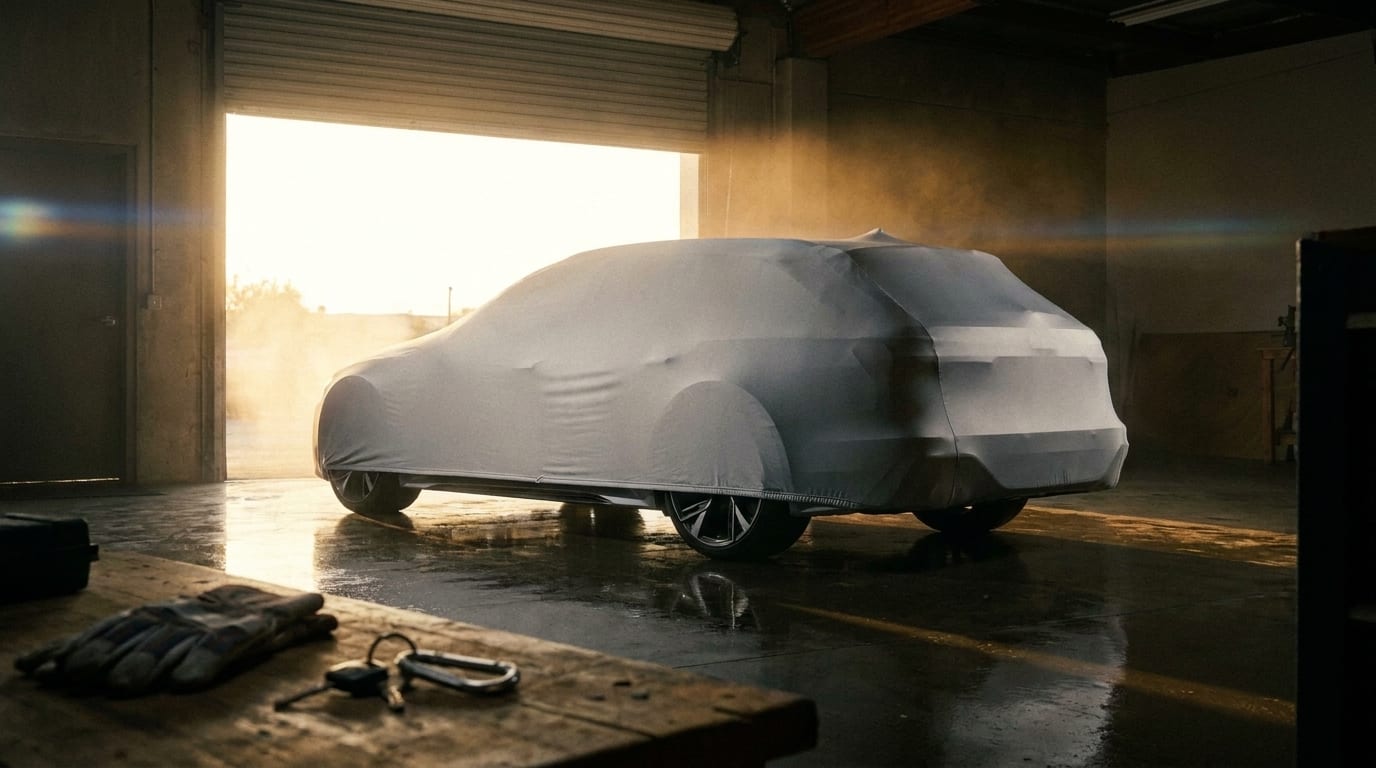
Minivans are an odd shape to cover. The Odyssey's length, roof rails, and sliding door mirrors mean a generic "universal" cover is a gamble. Universal covers are cut to fit a wide range of vehicles loosely, which usually means excess fabric flapping around the mirrors and doors in any real wind.
That flapping isn't just annoying. It's how wind rub wears through clear coat over time, the same kind of damage a cover is supposed to prevent. A poorly fitted cheap cover can genuinely do more paint damage than skipping the cover altogether, which is exactly the opposite of what a budget buyer is trying to achieve.
Odyssey generations have changed body shape and dimensions over the years, so it's worth checking semi-custom or model-specific sizing by year range rather than assuming one size covers every generation. Before buying, check the Honda van cover page and run your exact year through the sizing guide to confirm fit. It takes two minutes and saves you from returning a cover that bags around the mirrors or rides up on the hood.
Where to Save and Where Not to Skimp
Budget shopping works best when you know which corners are safe to cut and which ones aren't.
Safe to save on: premium storage bags, extra color options, padded mirror pockets you don't actually need. These are nice-to-haves, not protection features. Skipping them doesn't hurt the van at all.
Not safe to skimp on: the UV protection layer, seam quality, and matching the cover to your actual climate. A cover rated for occasional light rain won't hold up if your Odyssey sits outside through real weather all season.
This is where it helps to separate the two main use cases. Outdoor car covers need real UV and water resistance built in, since they're fighting sun, rain, and debris every day. Indoor car covers can be lighter and cheaper, since their main job is dust and light scuffs in a garage. If you're parking outside daily, don't downgrade to an indoor-grade cover just to save a few dollars. If you've got garage space, don't overpay for heavy-duty waterproof protection you'll never actually use.
One more thing worth prioritizing over a lower sticker price: a no-hassle return policy or basic warranty. A seller who stands behind the product, even a budget one, is telling you something. Check the no-hassle guarantee terms or look for something comparable to the lifetime warranty on car covers before you commit. A cover with zero return policy is usually a cover the seller doesn't trust either.
Simple Care Habits That Make a Budget Cover Last

A budget cover's lifespan comes down to how it's treated more than almost anything else.
Shake off leaves and debris before folding it up. Don't stuff it away wet, since that's how mildew sets in fast. Wash it according to the fabric's actual instructions rather than tossing it in a standard machine cycle, which can strip coatings and weaken seams. The cover care guide walks through the right process if you're not sure where to start.
Installation matters just as much. Secure the straps properly, and make sure the cover isn't dragging on pavement when you walk around the van or load the kids in. That dragging is what frays the fabric at the bottom edge, and it's one of the most common reasons budget covers die early. The installation guide covers the basics in a few minutes.
Here's the math worth remembering: if you stretch a budget cover's life by even one extra season, you've closed most of the price gap with a mid-tier option anyway. Good habits are basically free money here.
Final Take: Getting Real Value on an Odyssey Cover
Price matters, but it's not the whole story. UV protection, correct fit, and a basic warranty do more for long-term value than shaving a few dollars off the upfront cost. A cover that fits right and holds up for three seasons beats one that's cheaper but needs replacing every year.
Before you buy, check the warranty terms. That's usually the fastest way to tell a genuinely affordable cover from one that's just cutting corners and hoping you don't notice until it's too late.
If you're still narrowing things down, it's worth browsing van covers or checking out top-rated car covers to see what other owners are landing on, then running your Odyssey's year through the sizing guide before you commit. A little homework now saves a return (or a faded hood) later.
