
Affordable Car Cover for Jeep Cherokee: A Budget Buyer's Guide That Still Protects Your SUV
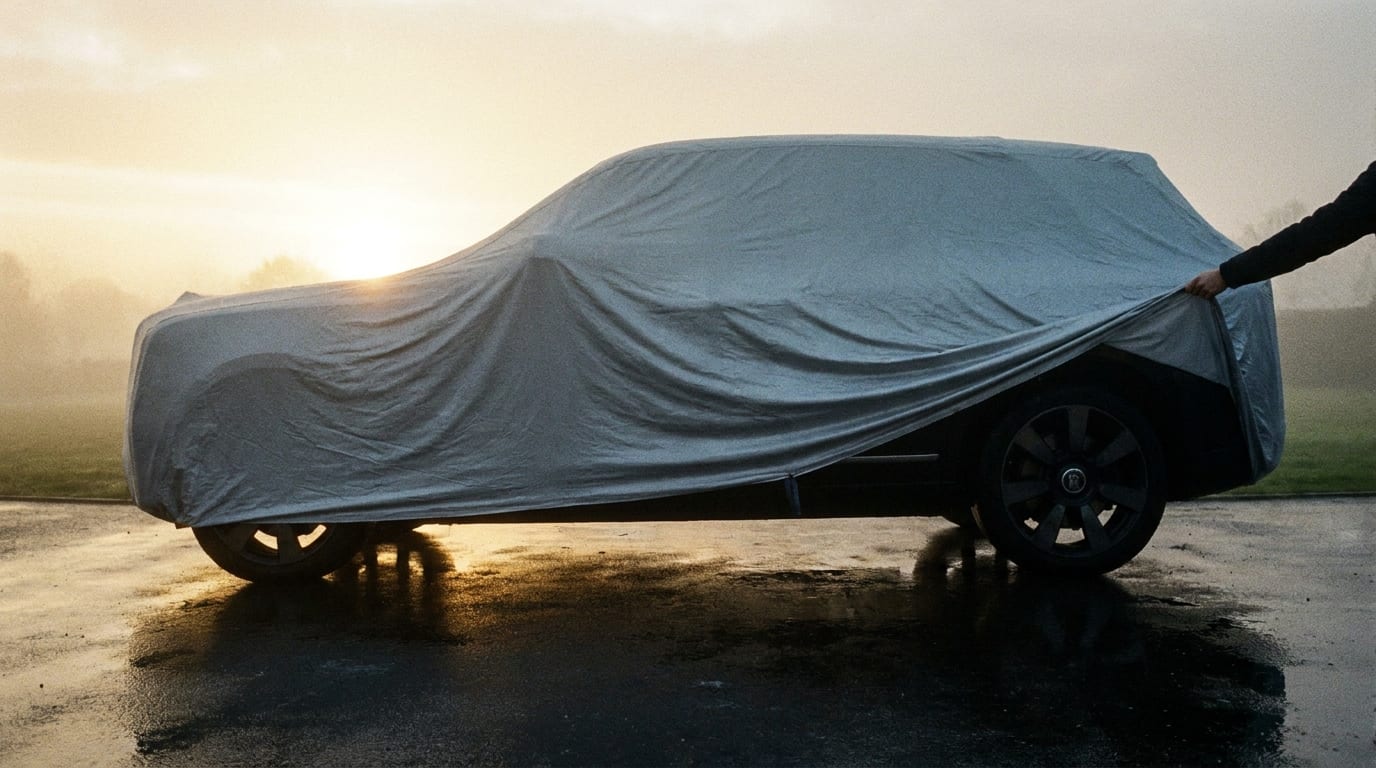
Why Jeep Cherokee Owners Are Searching for a Budget Cover
Most people looking for an affordable car cover for Jeep Cherokee aren't being cheap for the sake of it. They're parking on the street, or in a driveway with no garage, or the Cherokee is the second vehicle that sits half the week while the commuter car gets used. None of those situations call for the $300 cover with the heated grommets and the lifetime warranty on triple-stitched seams. They call for something reasonable.
But here's the thing: affordable doesn't mean disposable. A $25 cover that traps moisture against your paint, or flaps around in the wind every time a storm rolls through, can cost you a repaint. That's not a deal. That's just deferred spending with extra steps.
This guide is about finding the real floor, the minimum quality level you shouldn't go below, and figuring out where you can actually save money without creating a bigger problem later. One more thing worth saying up front: Cherokee and Grand Cherokee are mid-size SUVs with real body curves, not boxy shapes a generic tarp fits well. Fit matters here more than it would on a basic sedan cover.
What Actually Drives the Price of a Jeep Cherokee Car Cover
Price differences aren't random. A few specific things push cost up, and knowing which ones matter for your situation helps you spend on the right stuff.
Material is the big one. Thin, single-layer polyester covers are cheap because they're cheap to make, full stop. Multi-layer woven fabrics cost more because they're doing more work: blocking UV, resisting water, holding up to wind abrasion without thinning out.
Fit type matters too. Universal covers are the least expensive option because one size (sort of) fits a whole category of vehicle. Semi-custom covers are shaped closer to your SUV's actual dimensions. True custom-fit car covers built for the Cherokee's body lines cost the most up front, but they use material more efficiently since there's no excess fabric bunching or dragging on the ground.
Hardware adds cost too: elastic hems, grommets for cable locks, built-in gust straps. Every one of these is a small add, but they're also the parts that actually stop your cover from becoming a kite in a windstorm or walking off in the night.
And then there's the coating. UV-stabilized, water-resistant treatments cost more at checkout but they're the difference between a cover that lasts three or four seasons and one you're replacing every spring.
The Minimum Quality Bar: What Not to Skip, Even on a Budget
Here's where I'll take a position: if your Cherokee ever sees outdoor parking, even occasionally, a plain "dust cover" isn't enough. You need something at least water-resistant. Dust covers are for garages where nothing but dust and the occasional cat is a threat. Street parking is a different job.
A few non-negotiables, regardless of what you're spending:
- UV-stabilized fabric. Uncoated budget material will fade, chalk, and crack after one hard summer in direct sun. That's not a slow decline, it happens fast.
- A fit sized to your actual vehicle. Loose covers flap in wind, and that flapping rubs micro-scratches, sometimes called swirl marks, into your clear coat over time. Check a sizing guide for your vehicle before you buy instead of guessing.
- Real stitched hems and reinforced grommets. A plain cut edge frays within a season. Reinforced points around the grommets mean the fabric won't tear the first time you thread a cable lock through it.
- Some kind of warranty or return window. If a cover has zero return policy and no warranty backing it, treat that as a signal, not a bargain. A company that doesn't stand behind its own product even a little bit usually knows something about it that you don't yet.
Skip the padded storage bag, skip the embroidered logo, skip the extra color options if they cost more. None of that protects your paint.
Universal vs. Semi-Custom vs. Custom-Fit: Which Gets You the Most for Your Money

This is really the core decision once you've set your floor. Here's how the three tiers stack up for a Cherokee specifically.
| Fit Type | Upfront Cost | Fit Quality on Cherokee | Realistic Lifespan Outdoors |
|---|---|---|---|
| Universal | Lowest | Loose, excess fabric at bumpers and mirrors | Shortest, more wind wear |
| Semi-custom | Mid-range | Closer to body lines, less flap | Moderate to long |
| Custom-fit | Highest | Tightest fit, matches body contours | Longest, least wasted material |
Universal covers are tempting because the sticker price is lowest. But a Cherokee has a distinct roofline and rear hatch shape that a generic SUV cover just drapes over loosely. That slack is where wind gets in, and wind is what causes most of the damage people blame on "bad material."
Semi-custom is where I'd point most budget-conscious buyers. You get a noticeably better fit than universal, at a price that's still a step below full custom. For a Cherokee owner weighing cost against protection, this is usually the sweet spot.
Custom-fit costs the most at checkout, but it's worth running the math over a few years of ownership rather than just looking at day-one price. A tight, correctly shaped cover wears more evenly and lasts longer, so the cost per year of use can actually come out lower than replacing a universal cover every season.
Simple rule: if the Cherokee is parked outside every single day, lean semi-custom or custom-fit. If this is occasional or short-term storage, like a couple weeks parked at the airport or sitting through a slow winter month, a universal cover is a defensible choice.
Where to Actually Find a Good Deal
Saving money on a cover isn't about finding the cheapest listing. It's about buying the right tier at the right time.
Check clearance inventory before paying full price for a current-season cover. Retailers rotate stock, and last season's design is functionally identical to this year's in almost every case that matters for fit and material.
Timing helps too. Spring and fall are when a lot of outdoor gear gets discounted to clear shelf space for the next season's lineup. If you can wait a few weeks for a seasonal transition, you'll often see better pricing on the exact same cover.
Pay attention to what's bundled. A cover that includes a cable lock and storage bag for $70 can be a better deal than a $55 cover sold with nothing, once you add those accessories separately. Read the listing closely instead of comparing sticker prices alone.
And don't guess on sizing. Returns and exchanges cost time and sometimes shipping fees on both ends. Running your Cherokee's year and trim through a cover finder tool before you buy is a five-minute step that avoids a real hidden cost.
Make a Budget Cover Last Longer With Basic Care
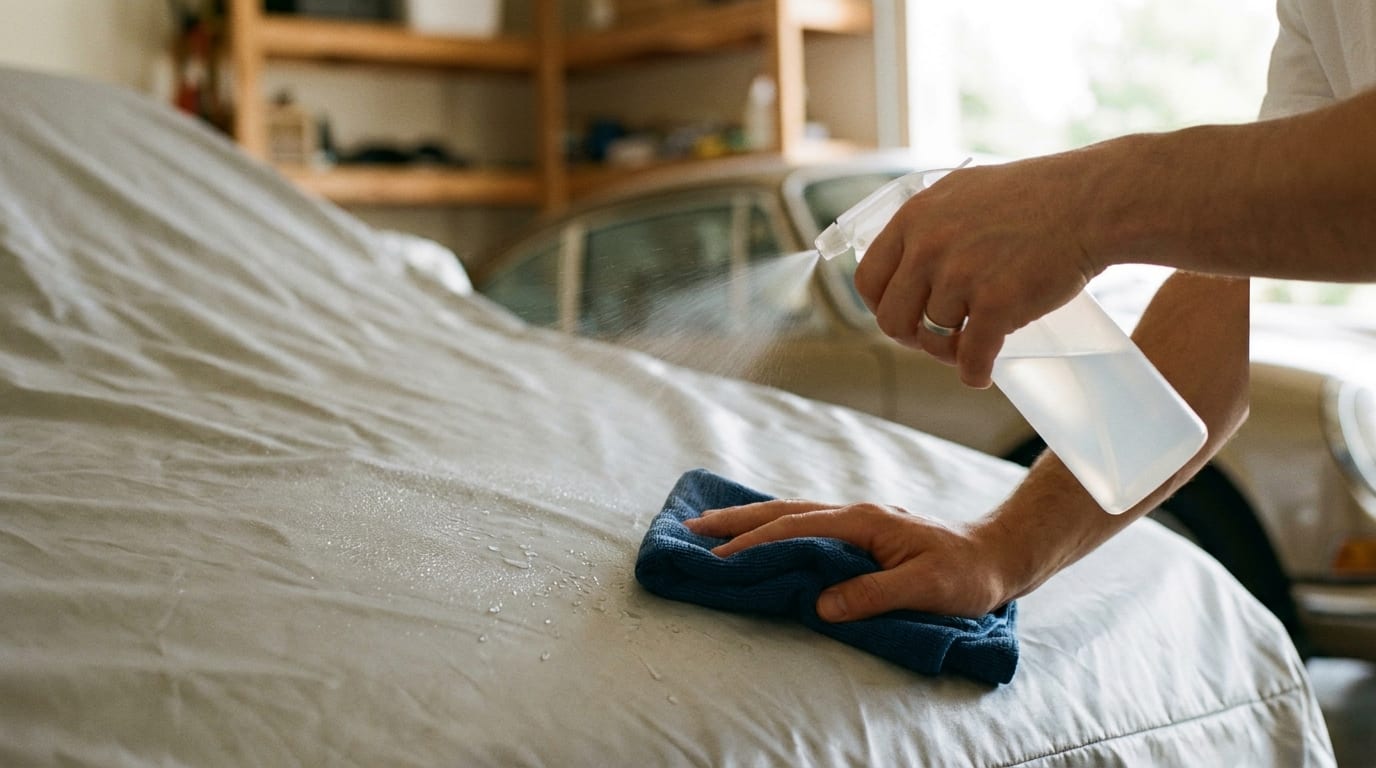
A budget cover that's cared for well will usually outlast a pricier one that's treated carelessly. This is the part most people skip, and it's the part that actually determines whether your purchase was a good deal.
Shake debris off before folding it up. Leaves, grit, and tree sap ground into the fabric during storage wear down coatings faster than sun exposure does. Don't drag the cover across pavement when you're pulling it off either; that's an easy way to abrade the underside against curb edges or gravel.
Wash it according to the fabric's actual care instructions, not with a pressure washer on the highest setting. Harsh washing strips water-resistant coatings faster than normal weather does. There's a full cover care guide worth reading once, even if you think you already know how to wash fabric.
Store the cover itself properly between uses, dry and loosely folded, not damp and balled up in the trunk. Damp storage is how mildew gets started, and mildew stains don't come back out easily.
Put plainly: a $60 cover that gets this basic care will often beat a $150 cover that gets tossed in a wet heap after every use. Care is the multiplier here, not price alone.
Final Take: Buying Smart, Not Just Cheap
The floor doesn't move just because your budget is tight: water resistance, UV stabilization, a fit that actually matches your Cherokee, and some kind of warranty or return window. Skip any of those and you're not saving money, you're postponing a bigger expense.
For most Cherokee owners parking outside regularly, semi-custom fit hits the right balance of price and protection. If you're only covering the vehicle occasionally, universal can work, just go in with clear eyes about the tradeoffs.
If you're still weighing options, it's worth browsing current Jeep SUV cover choices and running your specs through a sizing tool before you commit to anything. And if you've never bought a cover before and aren't fully sure about fit, a solid return policy is your safety net, not a nice-to-have. Worth checking before you check out, not after.
