
Affordable Car Cover for Tesla Model X: A Budget Buyer's Guide
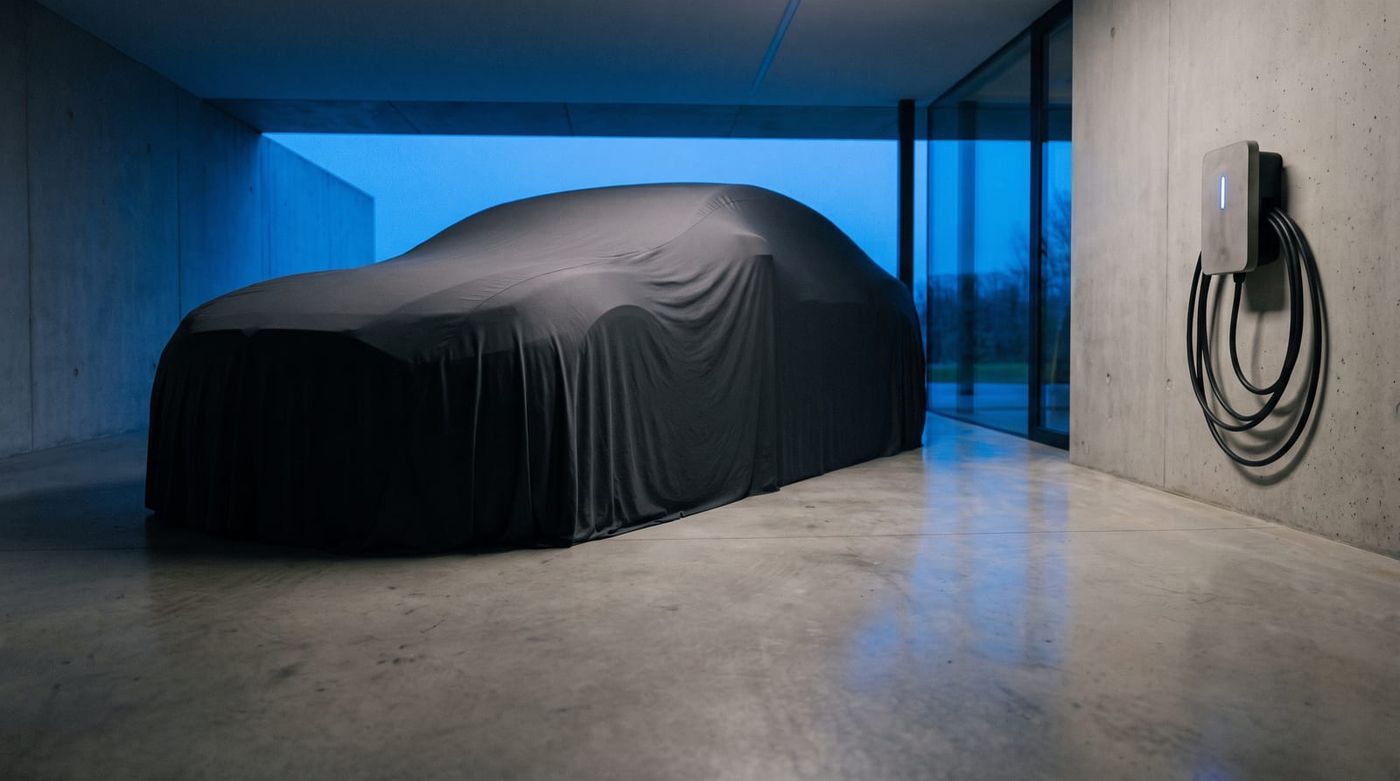
A Tesla Model X is not a cheap vehicle, and yet most owners still park it the way they'd park anything else: in a driveway, an apartment lot, or on the street overnight. That means paint, glass, and a roof full of sensors sit exposed to whatever the weather throws at them. The falcon-wing doors don't help either. Their seals and hinge mechanisms are more exposed at rest than a standard SUV door, since they're not just sitting flush against a frame, they're built to swing up and create their own weak points for dust and moisture to creep in.
This is where an affordable car cover for Tesla Model X earns its keep. "Affordable" doesn't have to mean flimsy. It does mean knowing which corners are safe to cut and which ones aren't. This guide walks through realistic price ranges, the minimum feature bar worth holding a cheap cover to, and the fit quirks that make the Model X a little trickier to shop for than your average SUV.
What "Affordable" Really Means for a Model X Cover
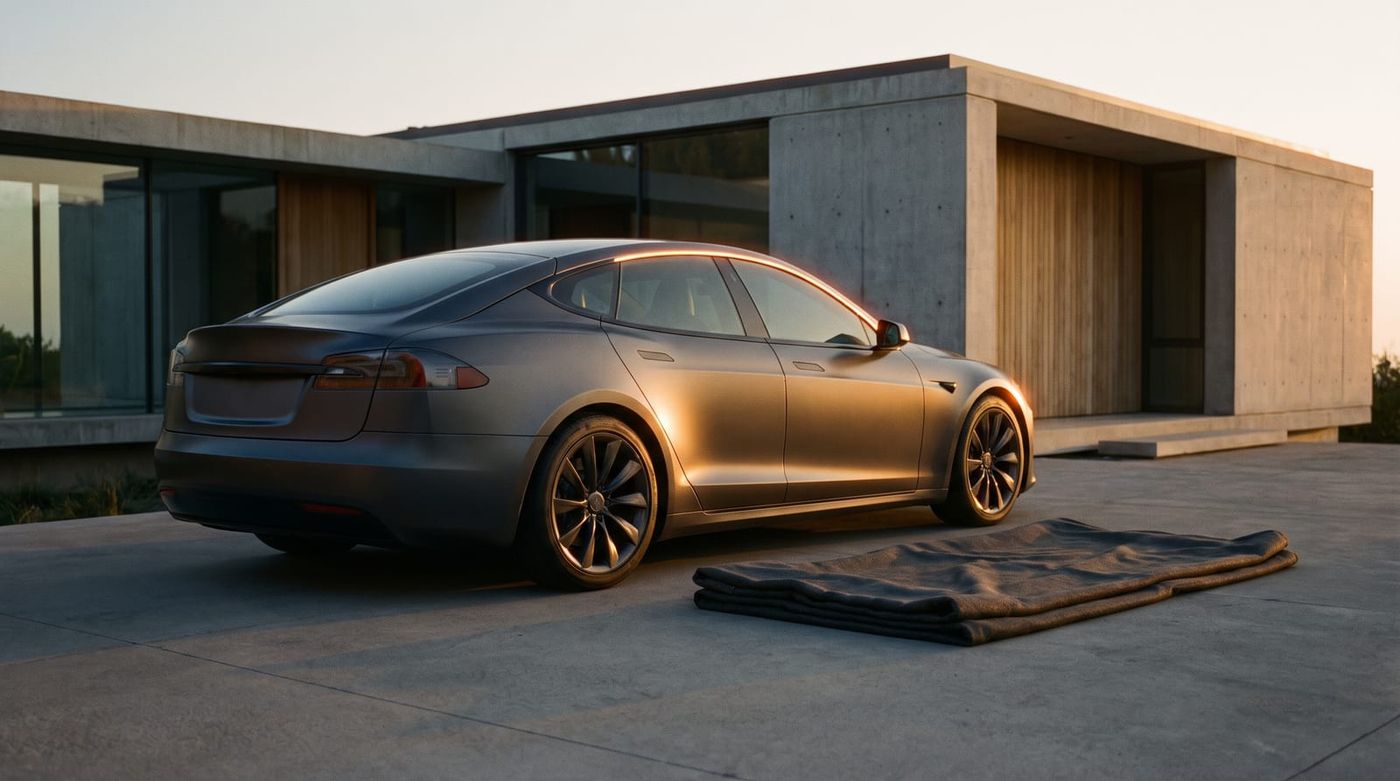
Car covers for a vehicle this size roughly split into three price bands. Budget universal-fit covers run about $40 to $80. Semi-custom fits built for the general SUV category land around $100 to $180. Custom-fit covers, patterned to the Model X's actual dimensions, run $180 to $300 and up.
What drives that spread isn't branding, it's materials and labor. More fabric layers, UV-inhibiting treatments, a soft interior lining, and the patterning work needed to clear falcon-wing doors and roof-mounted sensors all cost money to engineer and produce. A universal cover skips most of that work because it's cut to fit a wide range of vehicles reasonably well, not any one of them precisely.
Here's the trade-off worth sitting with: the cheapest universal covers might save you $20 to $40 up front, but on a vehicle this tall and this long, a loose, generic fit is a real risk, not just a cosmetic issue. Think of "affordable" less as the lowest sticker price and more as the best protection you can get without paying for things that don't matter. That's a different question than "what's cheapest," and it's the one this guide is actually answering.
The Minimum Quality Bar: Features You Shouldn't Skimp On

Even on a budget, a handful of features aren't optional if you want the cover to actually do its job.
Water resistance, ideally real waterproofing, on the outer shell matters because the Model X often sits parked for long stretches while charging or just sitting idle, and a cover that lets moisture pool on the surface is worse than no cover at all. If you want to go deeper on this one feature before you buy, the waterproof car covers guide breaks down what waterproof actually means versus water-resistant marketing language.
UV-resistant coating protects paint and plastic trim from fading, which matters more than people expect in places with intense sun exposure. A cover without it is basically a tarp.
Soft interior lining, usually a fleece or fleece-like layer, keeps the cover itself from scratching the paint as wind pushes it around. This is an easy spec to check and an easy one for cheap covers to skip.
Reinforced grommets and a strap or tie-down system matter because the Model X has a lot of surface area for wind to grab. A cover without decent anchoring will flap, and flapping fabric against paint for months does real damage. None of these four features should be treated as upgrades. They're the floor.
Universal vs. Semi-Custom vs. Custom-Fit: Finding the Budget Sweet Spot
| Fit type | Approx. price | Fit on Model X |
|---|---|---|
| Universal | $40-$80 | Loose, excess fabric near falcon-wing door seams |
| Semi-custom | $100-$180 | Reasonable shape accuracy for SUVs |
| Custom-fit | $180-$300+ | Built to exact dimensions, minimal wind flap |
Universal-fit covers are the cheapest option, but they're cut to a generic silhouette, and on a Model X that means loose fabric bunching or flapping right around the falcon-wing door seams, exactly where you don't want fabric rubbing in the wind. Semi-custom fits do a better job of tracking the actual shape of an SUV and land in a reasonable middle price range, which makes them a fair compromise for budget-conscious buyers.
Custom-fit covers are built to the Model X's exact dimensions. They cost more, but they minimize wind flap and, importantly, reduce the risk of the cover interfering with door clearance when you go to open those falcon-wing doors. Given the vehicle's height and that door mechanism, I'd treat semi-custom or custom-fit as the practical minimum here, even if you're shopping on a budget. Universal fit is the one tier where cutting corners actually costs you something functional, not just cosmetic. For anyone weighing whether the jump to custom is worth it, the custom-fit car covers guide lays out the case in more detail, and you can see Tesla-specific options directly on the Tesla SUV cover page.
Sizing and Fit Considerations Specific to the Model X
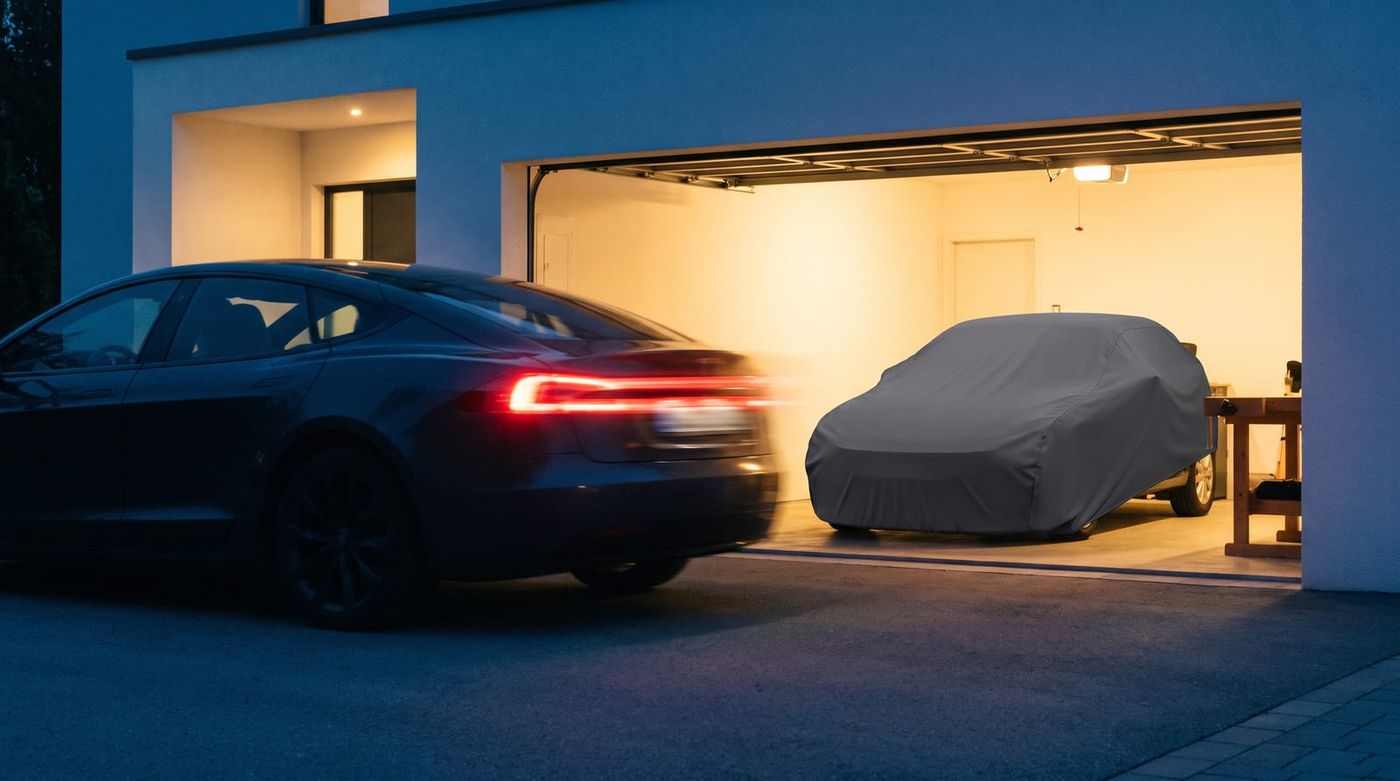
Most SUV covers are built around a general "SUV" size category, and for a lot of crossovers that works fine. The Model X is long, it's tall, and it's got falcon-wing doors that open vertically instead of swinging out, so generic sizing is less reliable here than it is for something like a RAV4 or CR-V.
Don't just trust the "SUV" label on a listing. Check the actual dimensions against the maker's size chart before you buy. The sizing guide walks through how to measure your vehicle and compare it against a cover's stated range, which takes maybe five minutes and saves you a return shipment.
Small details matter more here too. Mirror pockets and antenna cutouts aren't just convenience features, they're there because the Model X carries more exterior sensors than a typical SUV, and a cover that doesn't account for them will either stretch awkwardly or need extra fabric cut away by hand. If you're cross-shopping fit across other SUV models, the SUV covers category page is a useful place to compare options side by side.
Where to Save and Where to Splurge
Not every dollar on a cover buys you protection. Color options, extra storage bags, and add-on accessories don't affect how well the cover actually shields the car, so that's where you save if budget is tight.
Where you shouldn't cut back: fabric durability and warranty coverage. A cover that falls apart after one season isn't actually cheap, it's just deferred cost. You'll be buying a second one within a year, and that second purchase wipes out whatever you saved on the first.
It's worth connecting this back to the car itself. Teslas are built to rack up serious mileage over their lifespan (see how many miles a Tesla can last for more on that), so a cover protecting that investment should be judged against a similar long horizon, not just this season's weather.
A warranty is actually one of the more useful signals you have when comparing affordable options. A maker backing their fabric with a real warranty is telling you something about how confident they are in it holding up. Worth checking the lifetime warranty on car covers page to understand what that kind of coverage typically looks like before you compare it against a specific product.
Making a Budget Cover Last Longer
A budget cover that's cared for well will often outlast a pricier one that's neglected. Clean it regularly. Grit and road dust that sit against the fabric grind into it every time the cover shifts in the wind, and that's what shortens lifespan fastest, not just UV exposure.
Fold and store it properly between uses too. Balled-up fabric creases, traps moisture, and can start to mildew, especially if you're storing it in a garage corner right after a damp morning. And check the straps and grommets periodically; a strap that's fraying quietly for months is the one that snaps during an actual storm, right when you need it most.
For the specific process, the cover cleaning guide covers the step-by-step, and it's worth a read even if you think you already know how to hose down a tarp.
Bottom Line: Buying Smart, Not Just Cheap
The minimum bar for an affordable car cover for Tesla Model X isn't complicated: water resistance, UV protection, a soft interior lining, reinforced tie-downs, and a fit that actually clears the falcon-wing doors. Skip any one of those and you're not saving money, you're just delaying a worse expense.
Semi-custom or custom-fit is worth the modest jump over universal fit for this particular vehicle. The height, the length, and those doors make generic sizing a real liability here in a way it isn't for most SUVs.
If you're ready to compare fit and price side by side, it's worth browsing a few Tesla-specific options before deciding. And if you'd rather keep learning first, stick around the blog for more buying guides like this one before you commit to anything.
