
Affordable Car Cover for Tesla Model Y: What to Buy (and What Not to Skimp On)
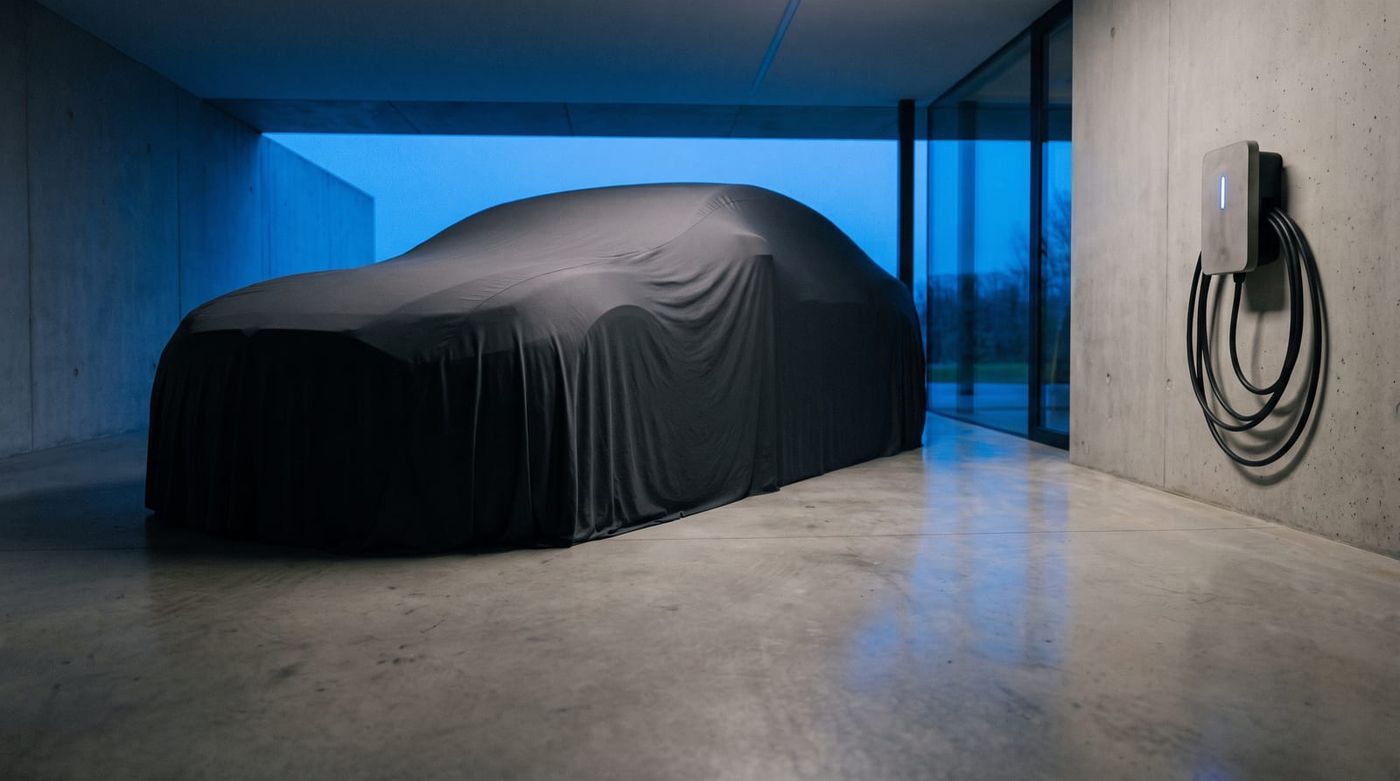
Shopping for an affordable car cover for Tesla Model Y usually starts the same way: you open a browser, search the phrase, and get a wall of $25 "universal fit" covers sitting right next to $200 custom options with no explanation of why the price gap is so big. This guide is here to close that gap. We'll tell you where it's genuinely fine to save money, where it's not, and how to tell the difference before you hand over your card number.
Why Your Tesla Model Y Needs a Cover (Even on a Tight Budget)
Your Model Y's painted panels and glass roof deal with the same sun, sap, bird droppings, and hail as any other SUV on your street. The difference is what it costs to fix. Repainting an aluminum panel or replacing a cracked panoramic roof isn't a cheap afternoon job, it's a bill that makes the price of a decent cover look like pocket change.
If you don't have a garage, or you park on the street most nights, a cover is one of the cheapest forms of insurance you can buy for this car. Compare it to paint correction, glass repair, or a trip to a body shop, and even a $150 cover starts to look like a bargain. Check out SUV covers built for this body style and you'll see the price range is nowhere near what a single paint chip repair runs.
This guide isn't about finding the single cheapest cover on a results page. It's about finding real value at a lower price point. "Affordable" here means smart spending with a quality floor, not the $20 big-box special that shreds itself in one windy season and ends up costing you twice.
What 'Affordable' Should Actually Mean for a Model Y Cover
Model Y covers generally fall into three price bands. Budget universal-fit covers run cheapest, often under $60, and they're cut to fit a general "midsize SUV" shape rather than your car specifically. Mid-range semi-custom covers add shaping around the roofline and mirrors for somewhere in the $80 to $150 range. Custom-fit covers, built to the Model Y's exact dimensions, usually land above that.
Here's the thing people miss: the cheapest option isn't always the most affordable one. A $40 cover that needs replacing every single year costs you more over three years than a $120 cover that lasts five. Do the math in cost-per-year of protection, not sticker price. A cover that costs $100 and lasts four years is protecting your car for $25 a year. A $35 cover that falls apart by spring is protecting it for a lot more than that, once you add in the second and third purchase.
There's also a quality floor below which a cover actively hurts your car. Trapped moisture, stiff fabric that scuffs the clear coat, a loose fit that flaps against the hood in wind. None of that is "affordable." It's just deferred damage.
The Non-Negotiables: Minimum Quality Bar for Any Tesla Model Y Cover
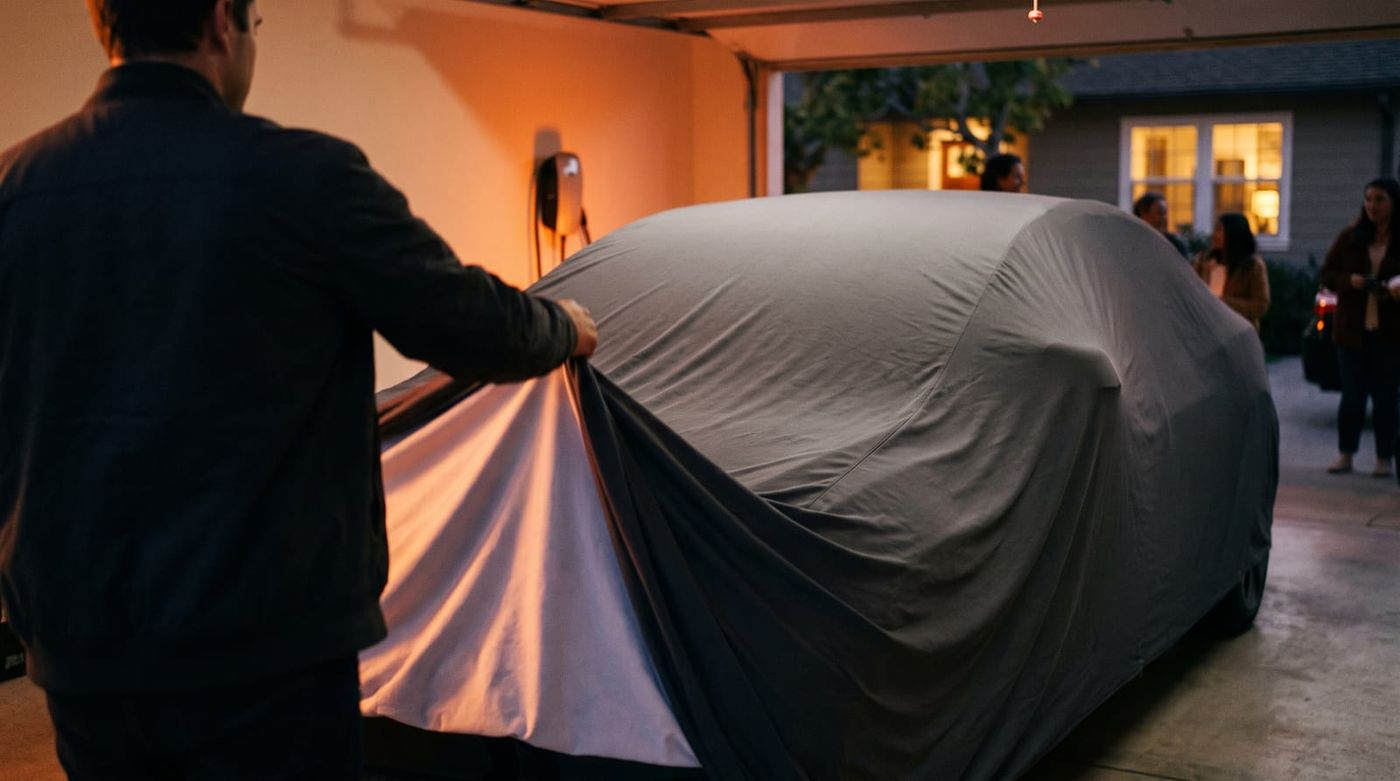
Before you compare a single price tag, check these line items. Skip any of them and you're not saving money, you're borrowing against future paint correction.
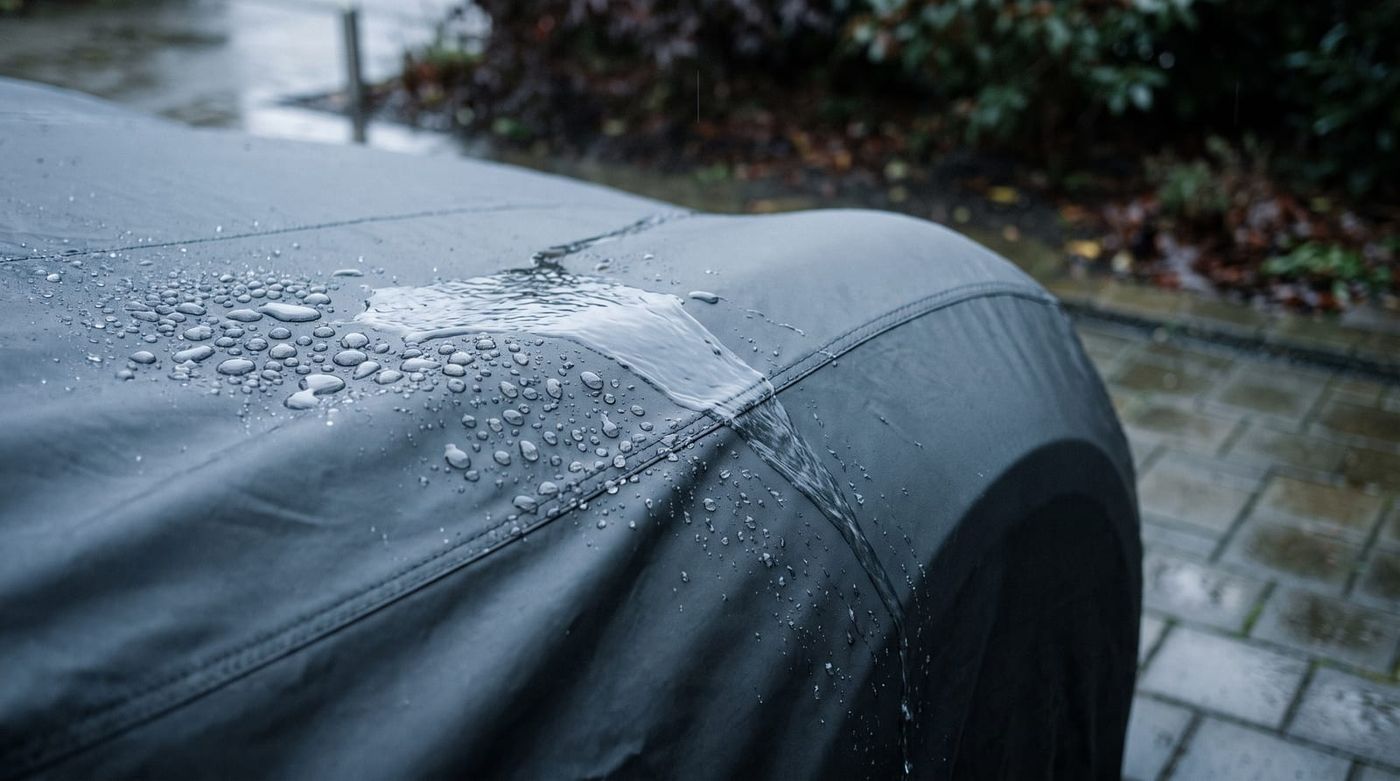
- Water resistance. If the car ever sits outside, even occasionally, you need a waterproof car cover or at minimum a strong water-resistant one. A cover that soaks through just traps water against the paint, which is worse than no cover at all.
- Soft inner lining. Fleece or a similar non-abrasive layer matters a lot here. Tesla's factory clear coat is known to be thinner than a lot of legacy automakers, so a stiff or gritty lining will leave fine scratches you won't notice until the sun hits the hood just right.
- UV resistance. Sun breaks down cheap fabric fast. A cover that fades and goes brittle within a season isn't protecting anything by month eight, it's just decorative at that point.
- A secure fit system. Elastic hems, grommets, or a strap and buckle setup keep the cover from lifting in wind. A cover that flaps is sanding your paint every time the wind picks up.
- Breathability. Vinyl and tarp-style covers trap moisture underneath them. That's how you get mold and water spotting, which defeats the entire purpose of covering the car.
None of these are luxury features. They're the floor. Anything priced below that floor isn't a budget option, it's a liability with a price tag.
Custom-Fit vs. Universal-Fit: Which Actually Saves You More
Universal-fit covers are cheaper to buy. They're also cut generously enough to fit a range of SUVs, which means excess fabric around your Model Y specifically, and excess fabric is exactly what catches wind and rubs against the paint near the curved roofline and rear hatch.
A custom-fit car cover or semi-custom option costs more on day one, but the tighter fit means less flapping, less abrasion, and a longer usable life. Run the cost-per-year math from the last section, and custom-fit frequently wins even though the sticker price looks worse in your cart.
Don't guess your size from a generic "fits most SUVs" label. Use a sizing guide or a dedicated cover finder tool to match the cover to your actual vehicle before buying. The Model Y is built and sized as an SUV, not a sedan, so sedan-oriented sizing charts and mirror pocket placements won't line up right. Get this part wrong and even a well-made cover will fit poorly.
| Fit type | Upfront cost | Wind/fit risk | Typical lifespan |
|---|---|---|---|
| Universal-fit | Lowest | Higher, loose fabric flaps | Shortest |
| Semi-custom | Mid-range | Moderate | Longer |
| Custom-fit | Highest | Lowest, snug fit | Longest |
Smart Ways to Save Without Sacrificing Protection
There are real ways to cut cost here that don't touch the quality floor from earlier.
If your Model Y spends most nights in a garage and only occasionally sits outside, you don't need the heaviest all-weather cover on the shelf. An indoor car cover is lighter, cheaper, and does the job just fine for dust and light scuffs, saving you the premium price of a cover built for driving rain and sun exposure it'll rarely see. If it's outside daily, though, don't cheap out, go with a proper outdoor car cover rated for it.
Seasonal sales and bundles are worth timing your purchase around. Buying a cable lock or mirror pockets separately later usually costs more than getting them bundled with the cover upfront.
Watch shipping costs closely too. A cover that's $10 cheaper but charges $25 for shipping isn't actually the better deal, check for free shipping before you compare final totals, not just the price on the product page.
And skip add-ons you don't need. Heavy snow-load reinforcement is wasted money if you live somewhere that doesn't see real winter. Pay for the protection your climate actually demands, not the maximum spec sheet.
Factor These Into 'Total Cost' Before You Checkout
A few things to check before you hit buy, because they change what "affordable" actually means over the life of the cover.
Warranty length tells you something real: it's the manufacturer's own estimate of how long the thing should last. A cover backed by a lifetime warranty is a different proposition than one with no warranty language at all, even if the two look identical in photos.
Check the return policy too. Fit issues happen, and shipping a bulky car cover back and forth isn't free if the seller makes it difficult. A flexible return window is worth something, factor it into your decision the same way you'd factor in price.
Shipping speed matters if you're buying ahead of a storm or a seasonal shift, a cover that arrives two weeks late doesn't help you during this week's hailstorm. And look at whether replacement straps or buckles are sold separately. A cover where you can just replace a broken strap instead of buying a whole new cover stretches its usable life a lot further than the price tag suggests.
Tesla Model Y-Specific Fit Considerations
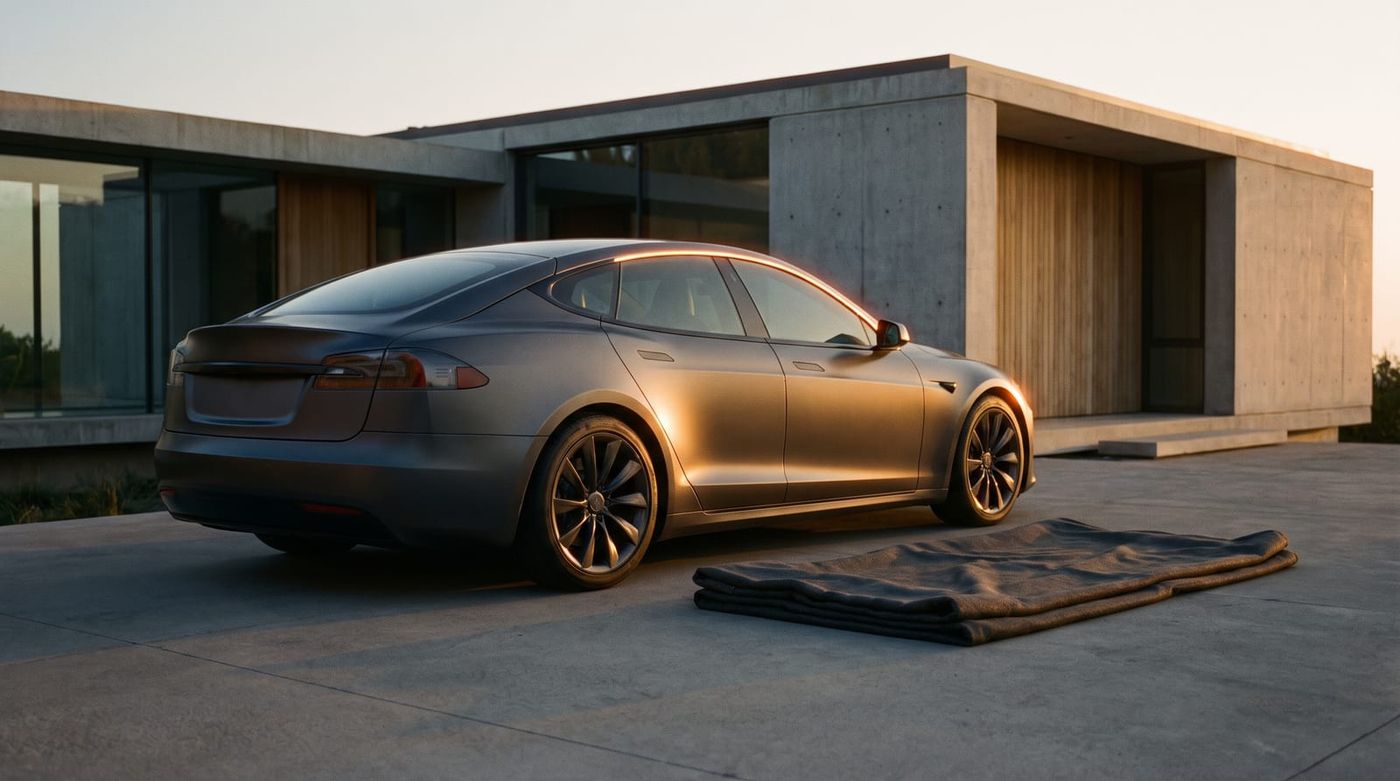
The Model Y is classified as an SUV, which matters more than it sounds like it should. Shopping sedan-sized covers, or generic "fits all cars" listings, is the fastest way to end up with something baggy in the wrong places. Start from Tesla's SUV cover page or a proper SUV category instead.
The panoramic glass roof and frameless doors mean a snug fit isn't just nice to have, it's doing real work keeping wind from lifting the cover and grinding grit across that glass. A loose universal cover is a worse match for this car than it would be for something with a traditional window frame and shorter roofline.
One thing you don't need to worry about: charging port cutouts. Most full covers work fine over the Model Y's port placement without a dedicated flap, though it's worth a quick double-check against the specific listing before you buy.
Zoom out and this is a small line item anyway. Exterior protection is a minor cost next to the car's total cost of ownership over its lifespan. Spending a bit more for the right fit now is cheap compared to everything else you're already putting into keeping this car on the road.
Bottom Line: Buying an Affordable Cover That's Actually Worth It
Keep the checklist short and non-negotiable: waterproof, soft inner lining, UV-resistant fabric, a secure fit system, and breathability. Anything missing one of those isn't a budget find, it's a problem waiting to happen on your hood.
Between fit types, custom and semi-custom options are usually the better long-term buy for a Model Y, even with the higher price on day one. The snugger fit pays for itself in fewer replacements and less wind damage.
Start with a sizing or fit lookup tool before you start comparing prices. It's the fastest way to avoid buying the wrong size twice. And before you check out, give the warranty terms and return policy one last look. That's really the final affordability check, more than the number on the price tag.
If you're still figuring out what your Model Y actually needs, stick around and browse a few more guides here, it's worth getting this one right the first time.
