
Affordable Car Cover for Toyota Camry: A Budget Buyer's Guide
Why Camry Owners Don't Need to Overspend on a Cover
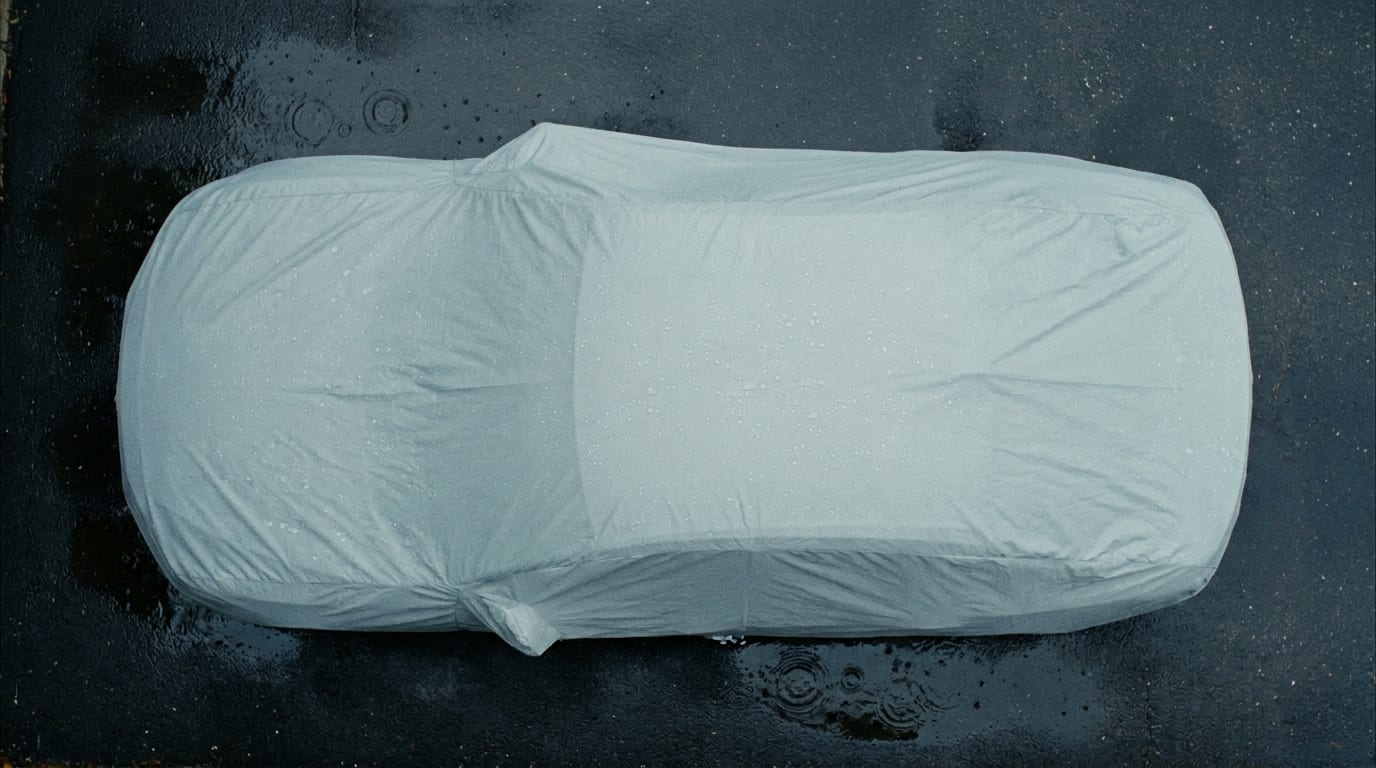
The Toyota Camry is one of the best-selling sedans in America, which actually works in your favor here. High production numbers mean more cover makers have already built patterns for it, and more competition means prices stay reasonable. You're not shopping for a cover for some low-volume import where only one or two companies bother making a custom fit. An affordable car cover for Toyota Camry owners is genuinely easy to find, not a compromise you're forced into.
But "affordable" and "cheap" aren't the same thing. A cover that falls apart after one summer isn't a deal, it's a slow-motion waste of money. There's a real quality floor you shouldn't drop below, even when you're trying to spend as little as possible.
This guide walks through what actually drives the price of a Camry cover, what a legitimate budget option needs to include, and where you can trim cost without trimming protection.
What Actually Drives the Price of a Camry Cover
A few variables do almost all the work in setting the price tag.
Fit type. Universal and semi-custom covers are cheaper because one pattern fits a range of vehicles loosely. A true custom-fit car cover is patterned to the Camry's actual body lines: mirrors, roofline, rear spoiler if your trim has one. Loose universal fits save you money upfront but flap in wind, and that flapping is what wears through fabric and scuffs clear coat over time.
Material layers. Single-layer fabrics are the budget default. They're fine for short-term or indoor use, but they skip the water and UV resistance that multi-layer or laminated fabrics build in. You're paying for layers, not just fabric weight.
Use case. A cover meant for a garage is lighter, thinner, and cheaper than one rated for sun, rain, and snow. That's a legitimate way to save, but only if your Camry actually lives indoors.
Added hardware. Small things like a built-in cable lock loop, an antenna patch, or grommets for wind straps add a few dollars to the price. They're worth it. A cover that can't be secured is a cover that eventually ends up tangled around your side mirror after a windstorm.
The Minimum Quality Bar: What Not to Skip, Even on a Budget

Here's where I'll take a position: most people shopping on a budget make the mistake of treating price as the only variable. It shouldn't be. A few things matter regardless of what you're spending.
Water resistance is the first one. The cover needs to shed light rain and dew at minimum. Uncoated fabric soaks through, and once it's wet, it sits against your paint holding moisture in place, which is worse than leaving the car uncovered entirely.
Breathability is the second, and it's the one people overlook. A cheap vinyl or tarp-style cover might look waterproof, but if it doesn't let moisture escape, you're trapping condensation underneath it every single day. That's a recipe for swirl marks, hazing, even mildew on the paint. Non-breathable "protection" can genuinely do more damage than no cover.
Third: secure fit. Elastic hems or a strap-and-buckle system keep the cover from shifting in wind. A cover that moves is a cover that sands your clear coat a little more every time the wind picks up.
Fourth: basic UV stabilization. Without it, the fabric itself starts cracking and fading within a season, regardless of how it protects the car underneath.
One quick gut check: look at the warranty length. A company that stands behind a budget cover for a year or more is telling you something about how it's built. Check the terms on lifetime warranty coverage for car covers before assuming "budget" means short-lived.
Budget Price Tiers for a Toyota Camry Cover
Budget shopping for a Camry cover generally breaks into three tiers.
| Tier | Best for | What you get |
|---|---|---|
| Entry | Garaged Camrys, short-term dust protection | Lightweight fabric, indoor or light-outdoor rating, minimal hardware |
| Mid | Daily-driver Camrys parked outside at least part-time | Semi-custom or custom fit, water resistance, UV protection |
| Upper-budget | Year-round outdoor parking | Custom fit, reinforced seams, added straps, longer warranty |
The entry tier is the right call if your Camry sits in a garage most of the time and just needs something over it to stop dust and scratches from brushing against it. It's not built for weather and shouldn't be asked to handle it.
The mid tier is where most daily-driver Camry owners should land. You get real water resistance and UV protection without paying for the top-end features you may not need, like extra-reinforced seams for extreme climates.
The upper-budget tier still counts as affordable, it's just built for a harder life: daily outdoor exposure, real weather, longer ownership timelines.
One thing worth knowing before you assume universal fit is automatically the cheaper route: because the Camry sells in such high volume, manufacturers can produce custom-fit covers for it at scale, which often brings the price close to universal options anyway. Compare both before you default to "universal because it's cheaper." It might not be.
Where It's Safe to Save vs. Where It Costs You Later
Some corners are fine to cut. Others cost you a repaint.
Safe to save on: color choice, bundled accessory kits, premium storage bags. None of that affects how well the cover actually protects your Camry, it's just convenience and looks.
Also safe: going with an indoor car cover if your Camry is genuinely garage-kept and never sees rain or sun. No reason to pay for weatherproofing you'll never use.
Where you shouldn't cut: water resistance and UV rating, full stop, if the car is parked outside at all. This is exactly where the cheapest tarp-style covers fail, and they tend to fail fast, sometimes within a single season of real sun exposure.
Also don't cut on sizing. A cover that's too loose or too tight for your specific Camry model year will chafe against the paint no matter how good the fabric is. Check what size car cover fits your vehicle before buying, not after.
Last thing: check the return policy before you buy budget. A low-cost cover backed by a real return window takes the risk out of trying it. One that isn't returnable is a gamble, even at a low price.
Quick Buying Checklist Before You Order

Before you check out, run through this:
- Confirm the cover is patterned for the Camry specifically, sedan body style, correct model years, not a generic "mid-size sedan" universal fit
- Match the weather rating to where the car actually parks: covered carport, open driveway, street parking
- If it's parked outside, confirm it has wind-security features like strap grommets or an elastic hem
- Know how you'll clean and maintain the cover so it lasts multiple seasons instead of needing replacement after one
- Double check the warranty and return terms in case fit or fabric doesn't hold up the way you expected
Skipping any one of these is how people end up buying the same cover twice in two years.
Find the Right Affordable Cover for Your Camry
Affordable doesn't mean lowest price. It means the lowest price that still clears the water-resistance, breathability, and secure-fit bar we laid out above. Go below that line and you're not saving money, you're just delaying the cost.
If you want to skip the guesswork, use a cover finder tool to filter by your Camry's year and trim alongside your budget range, or check top-rated car covers to see what's actually holding up for other owners.
Want more guides like this before you buy? Stick around and browse a few more before you decide, it's a quick way to make sure you're not missing something that'll matter in six months. And when you're ready to compare actual options, Toyota-specific car covers are a good place to start.
