
Best Indoor Car Cover for a Chevrolet Suburban: Soft-Lining Dust Protection for Garage Storage
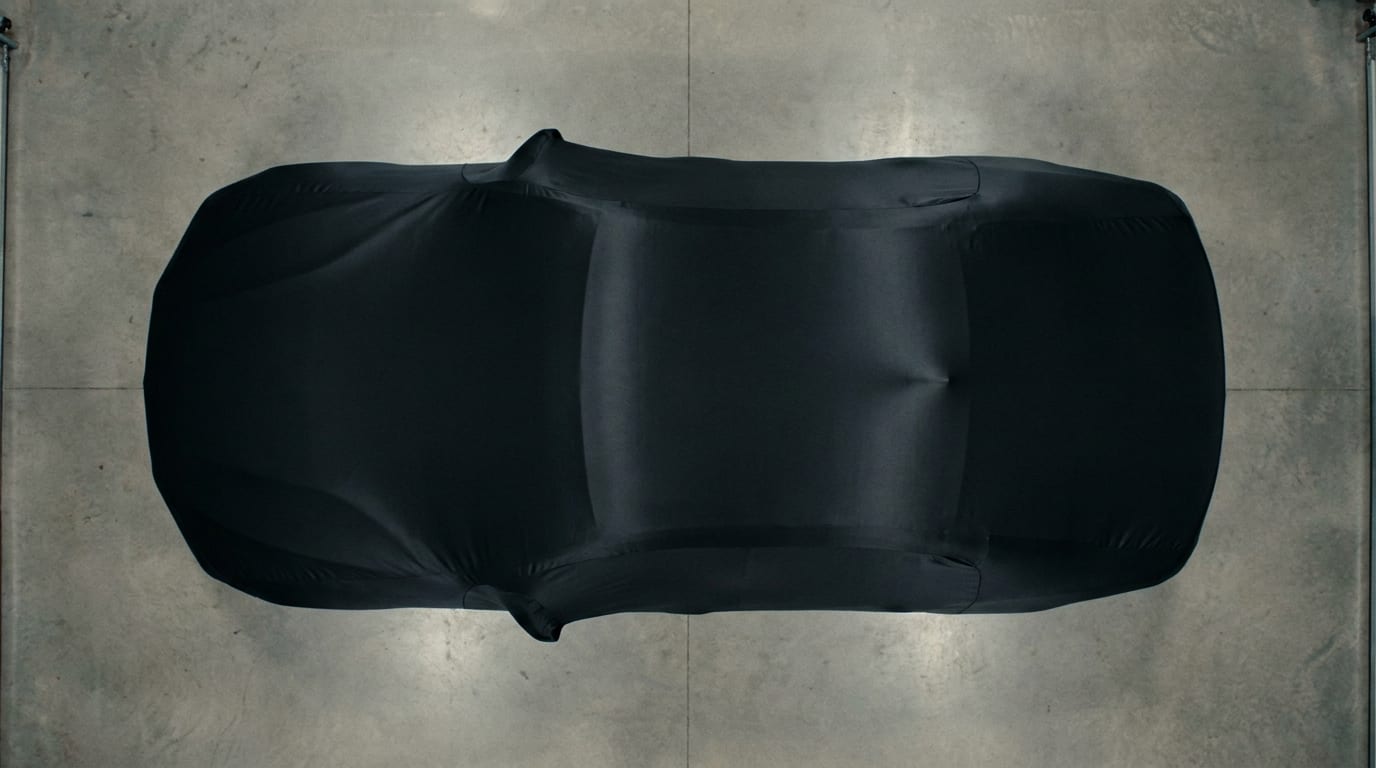
A Suburban parked in the garage every night still picks up a fine layer of dust by morning. Anyone who's run a hand across the hood after a week of storage knows this. That's the gap most owners don't think about until the paint starts showing swirl marks: an indoor car cover for a Chevrolet Suburban isn't about rain or hail, it's about keeping a garage-kept vehicle from slowly grinding grit into its own clear coat. This guide covers what actually matters for that job, the fabric, the fit, and the day-to-day habits that keep a big SUV looking new between drives.
Why a Garage-Kept Suburban Still Needs an Indoor Cover
A garage feels like a clean, controlled space. It isn't. Dust settles constantly, drywall particles and concrete dust drift in from the slab itself, pollen rides in on shoes and open doors, and temperature swings between day and night cause condensation to form on cold metal. None of that requires a drop of rain to cause damage.
A Suburban makes this worse just by being large. More hood, more roof, more flat glass, more square footage for dust and static-charged debris to land on and stay put. Owners of smaller sedans deal with this too, but a full-size SUV's panels catch noticeably more of it, simply because there's more surface exposed to the air inside that garage.
The assumption that "garage-kept means no cover needed" gets repeated a lot, and it's not wrong exactly, it's just answering the wrong question. Weatherproofing, sure, you don't need it indoors. But paint preservation and interior protection are a separate issue entirely. Dust sitting on a hood for weeks, then wiped off with a shop rag, is exactly how fine scratches happen. This article isn't about waterproof shells or hail-rated layers. It's about soft-lining fabric and dust control, the two things that actually matter once the vehicle is already under a roof.
What Makes an Indoor Cover Different From an Outdoor Cover

Outdoor covers are built like rain jackets: laminated, UV-treated, heavier, designed to survive sun and storms. Indoor covers are built more like a soft blanket. Fleece-backed or satin-style linings prioritize a gentle touch against the paint over water resistance, because water resistance isn't the job.
That distinction matters more on a Suburban than on most vehicles. The hood and roof are large, flat, and mostly uninterrupted, which means any grit trapped between a stiff fabric and the clear coat has a lot of room to drag across the surface every time the cover shifts. A soft inner lining cushions that contact instead of grinding it in.
Breathability is the other half of it. Because an indoor cover doesn't need to fight off rain, it can use a looser, more breathable weave that still traps dust and pollen without sealing in moisture. That's a genuinely different design goal than an outdoor cover, not just a lighter version of one. For a full rundown of how the two categories differ, indoor car covers covers the specifics in more depth.
Getting the Fit Right on a Full-Size SUV
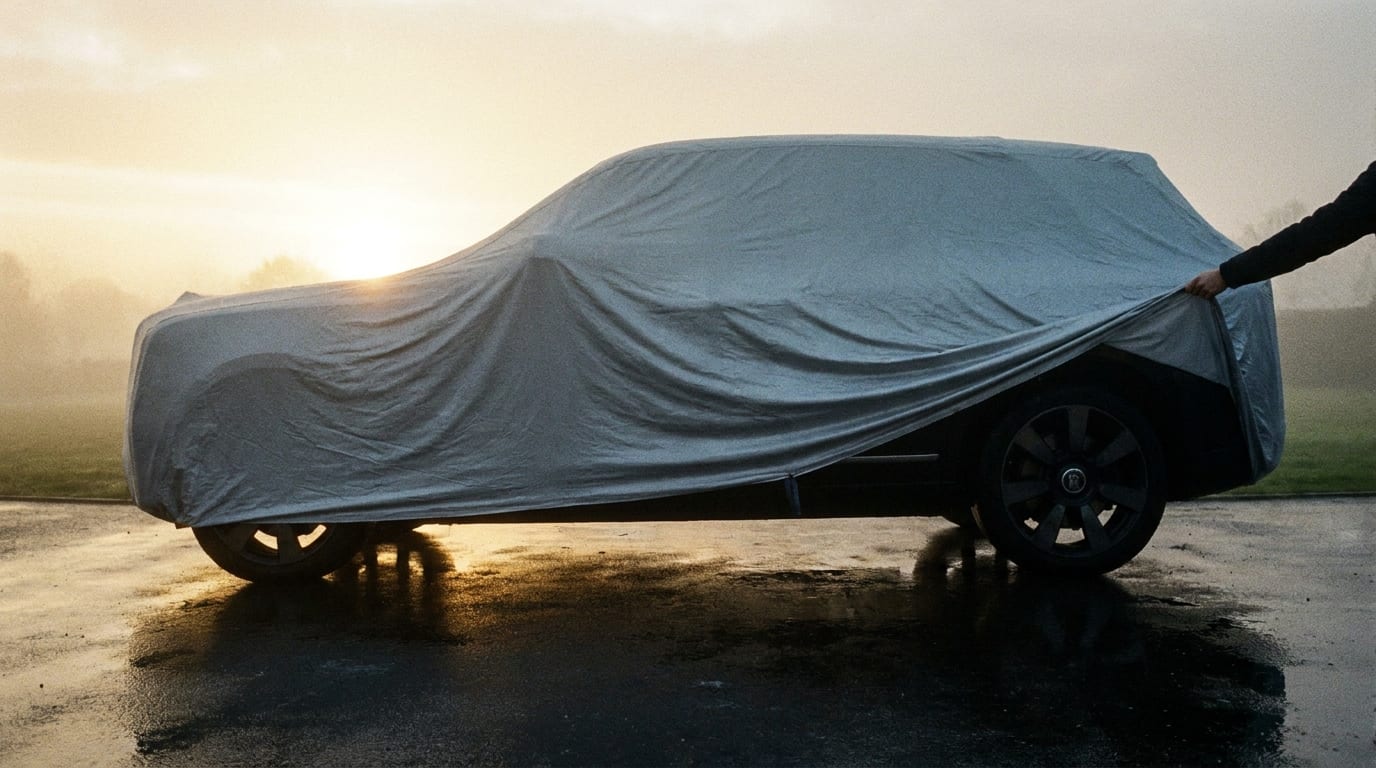
A cover that's cut for a "large SUV" as a generic category tends to fit the Suburban badly. There's too much extra fabric at the nose, not enough clearance around the liftgate, and the excess bunches up wherever the wheelbase runs long. Every fold of loose fabric is a friction point, and friction points are where micro-scratches start.
Fit details matter here in ways that are easy to overlook. Mirror pockets need to actually match the Suburban's mirror shape, not just have a vague pouch stitched on. Roof rack and rail cutouts need to clear the hardware without catching. Rear spoiler clearance at the liftgate is another spot where a generic cover either bunches or doesn't close properly. And because the Suburban has changed across model years, running boards, roof rail styles, and trim-specific add-ons aren't identical from one year to the next, so it's worth confirming the cover matches your specific trim before ordering, not just the model name.
For sizing logic in general, what size car cover for my vehicle walks through how covers are measured against a vehicle's actual dimensions, and custom fit car covers explains why a cover cut to the vehicle beats a generic universal one. If you want to start from the vehicle side instead, Chevrolet SUV covers lists the options built around Chevy's SUV lineup specifically.
Choosing the Right Soft-Lining Tier for Your Garage
Not all indoor covers use the same fabric, and the differences show up fast once you're using one daily.
| Tier | Lining | Dust/pollen resistance | Breathability | Typical use case |
|---|---|---|---|---|
| Entry-level | Single-layer soft knit | Basic | Good | Occasional storage, infrequent moves |
| Mid-tier | Satin or fleece-lined | Strong | Very good | Regular garage use, weekly driving |
| Premium | Multi-layer indoor construction | Excellent | Good, with added cushioning | Daily-driven vehicles, frequent on/off |
Entry-level fabric does the basic job: it keeps dust off, it's soft enough not to scratch, and it costs less. Fine for a Suburban that mostly sits and gets uncovered once a week or so. Mid-tier satin or fleece linings step up the dust and pollen resistance noticeably, and the added cushioning matters more once you're pulling the cover on and off several times a week. Premium multi-layer covers add another layer of protection against friction, which is really the deciding factor: how often is this cover actually going to be handled.
A Suburban that's daily-driven and gets covered and uncovered constantly puts a lot more wear on a cover's lining than one that sits in storage for weeks at a time. If your Suburban falls into the first category, it's worth looking at something like the indoor black satin cover specifically, since it's built around that soft-lining priority rather than being a generic indoor cover with a lining bolted on as an afterthought.
Protecting Against Garage-Specific Threats
Garages have their own specific list of hazards, and none of them show up in a weather forecast. Dust settles overnight regardless of how clean the space looks. Pet hair collects fast if a cat or dog has access to the garage, and claws scratch clear coat just as easily as they scratch furniture. Static cling pulls in debris that a bare panel wouldn't otherwise attract. And stored items, tools leaning against a wall, a bike rolled in a little too close, are a constant low-grade bump risk.
A soft lining doesn't stop a direct bump, nothing short of a rigid shell does that. But it does reduce the friction-based swirl marks that come from a cover (or a bare panel) rubbing against something repeatedly. An uncovered Suburban parked next to shelving or a tool bench picks up fine scratches over time just from proximity and airflow. A covered one has a buffer.
If pets are part of the household, this is worth taking seriously rather than treating as a minor risk. Protect from cats and animal scratches goes into this specifically, since claws do real damage fast and most owners underestimate it until it's already happened.
One caveat: even a breathable indoor fabric needs some airflow around it. Fully enclosed garages with poor ventilation can trap moisture underneath a cover if the space itself runs humid, so it's worth cracking a window or running a fan occasionally rather than assuming the fabric alone solves that problem.
Installing and Maintaining Your Indoor Cover
On a vehicle this size, technique matters more than it would on a compact car. Start at the windshield, drape it back toward the liftgate, then work the fit around the mirrors and roof rails before adjusting the front and rear hems. Trying to do it all at once, front to back in one motion, is how the fabric ends up twisted or the mirror pockets get missed.
Basic care is simple but easy to skip. Shake the cover out before folding it, since packed-in dust is exactly what causes the fine scratching a soft lining is supposed to prevent. Spot-clean the lining if it picks up anything oily or sticky. Garage-use covers need washing less often than outdoor covers, since they're not fighting mud and pollen buildup from being outside, but they still need it periodically, especially if pets are around.
For the full washing process, cover care and how to clean a car cover has the actual steps. And if the on/off routine still feels clumsy after a few tries, installing your car cover breaks down the general technique that applies here too.
Making the Decision: Warranty, Fit Guarantee, and Final Buying Checklist
Before buying, run through the basics: confirm the fit matches your Suburban's exact model year and trim, pick a lining tier that matches how often you're actually moving the vehicle in and out, and check that mirror pockets and roof rail cutouts line up with your specific hardware. Skipping any one of these is how people end up with a cover that technically fits but fights them every time they use it.
A lifetime warranty on stitching and fabric covers manufacturing defects, things like seams coming apart or fabric failing prematurely. It won't cover normal wear from years of daily on/off handling, which is expected wear rather than a defect. Lifetime warranty on car covers spells out exactly what's included. And if the fit turns out to be off once it arrives, the no-hassle guarantee covers returns and exchanges without a fight.
If you're ready to look at options sized for a vehicle this size, SUV covers is the place to start browsing. And if garage storage and vehicle care is a topic you want more of, it's worth poking around the rest of the site's guides before you buy anything.
