Best Indoor Car Cover for Toyota Tacoma: Soft Lining & Dust Protection for Garage Storage
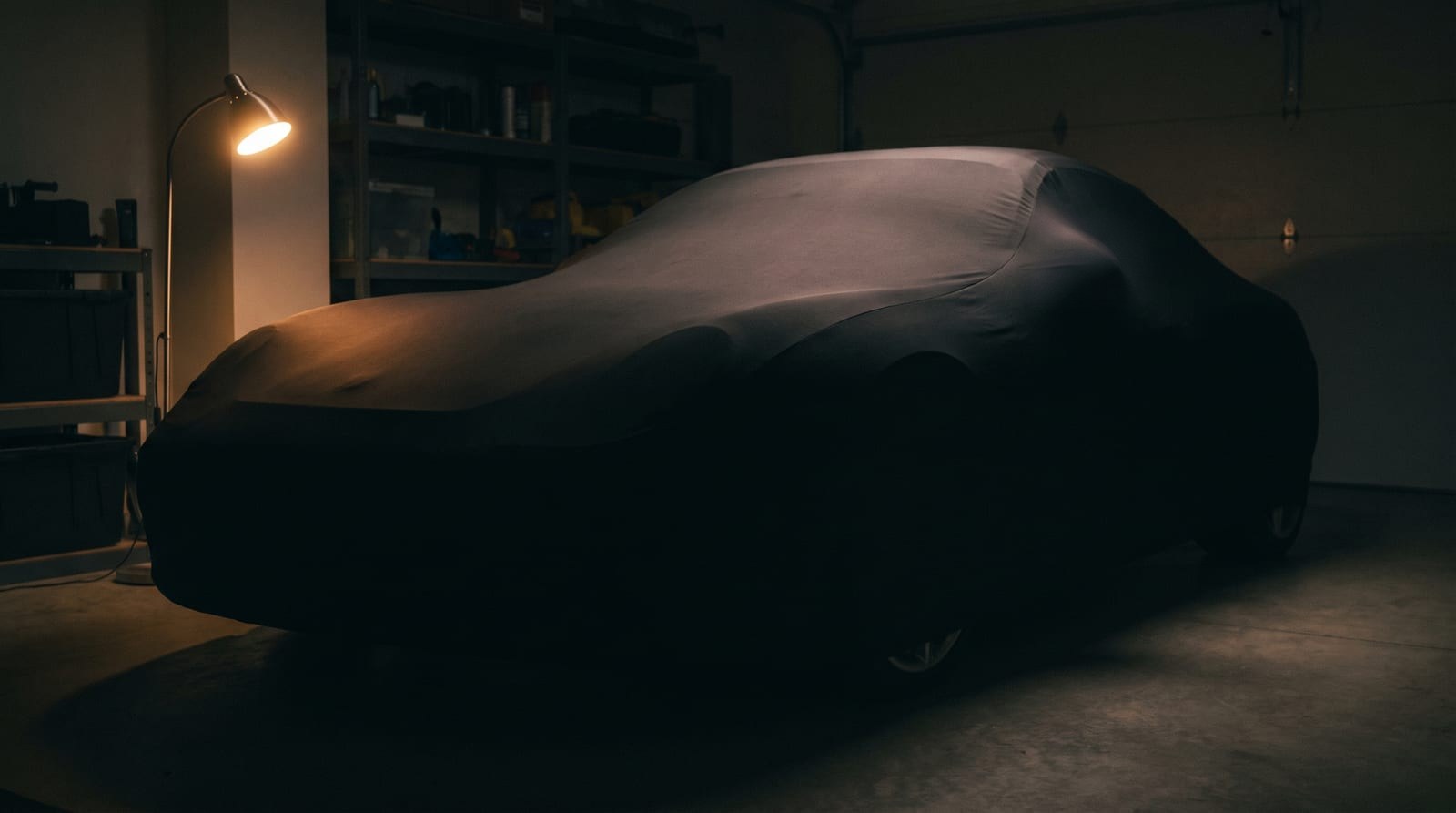
A garage door closing doesn't seal your Tacoma off from the world. Dust settles on flat surfaces within days, pollen drifts in every time someone opens the door, and if you're storing tools or bikes in the same space, a stray handlebar or ladder can leave a mark before you even notice. That's the case for an indoor car cover for Toyota Tacoma owners who think a garage alone is enough. The truck's still exposed, just to different threats than it'd face outdoors.
Indoor covers aren't outdoor covers with the waterproofing stripped out. They're built around a different job entirely. No UV rays to block, no rain to shed, so the whole design shifts toward what touches the paint: soft interior lining, breathable fabric, a snug fit that keeps dust from working its way underneath. This guide walks through how to pick one for a Tacoma specifically, based on lining material, how it fits your cab and bed setup, and the dust-blocking details that actually matter day to day.
Why a Garage-Kept Tacoma Still Needs an Indoor Cover
A closed garage feels sealed, but it isn't. Dust comes in through door gaps, vents, and every time you walk in from outside carrying it on your clothes. Drywall particles linger for years after any renovation work. And if there's any chance of rodent activity, an uncovered truck is an invitation for nesting under the hood or chewing on wiring.
Then there's the physical stuff. Garages are storage spaces first, parking spots second, for a lot of Tacoma owners. Bikes leaning against a wall, a rake propped in the corner, someone squeezing past with a cooler. All it takes is one brush against the fender to leave a scratch you'll notice every time the light hits it right.
This is where the distinction matters. Outdoor covers are engineered for water resistance and UV blocking, which usually means a tougher, less forgiving exterior shell. An indoor car cover for Toyota Tacoma trucks skips most of that in favor of a soft-touch interior, because the priority indoors is contact protection, not weatherproofing. Get that distinction wrong and you'll end up with a cover that's overbuilt for a job it doesn't need to do, while underperforming on the one thing that matters in a garage: keeping dust and scuffs off the finish.
What Makes an Indoor Cover Actually Protect a Tacoma's Finish
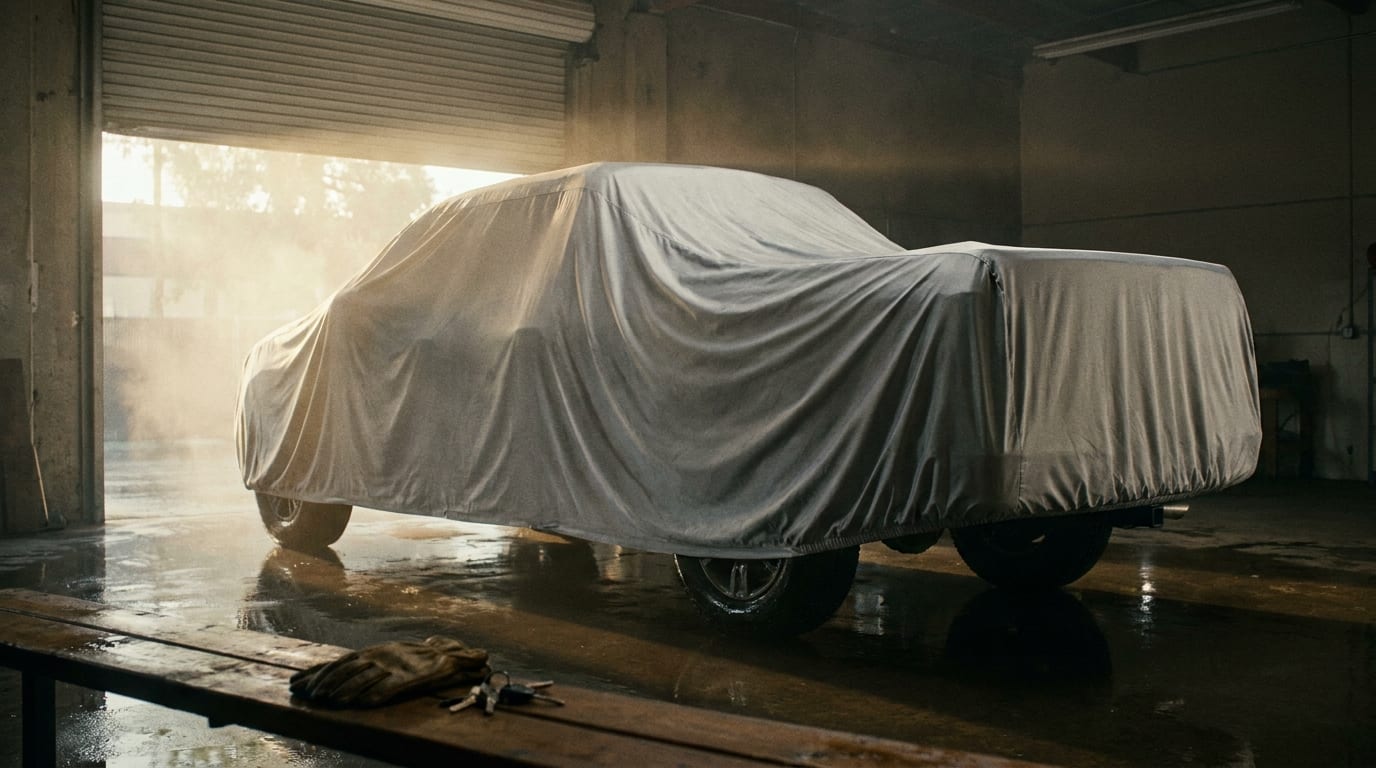
Lining material is where indoor covers earn their keep. Flannel and fleece-backed fabrics have a soft, brushed texture that sits gently against clear coat and doesn't generate much static, which matters because static is what pulls fine dust particles onto a panel in the first place. Satin linings go a step further on smoothness, gliding on and off with almost no drag against the paint. If your Tacoma has a fresh respray, a wrap, or a matte finish that shows every swirl mark, satin lining is worth the extra cost.
Breathability sounds like an outdoor-cover concern, but it isn't only that. A truck cooling down overnight can still generate condensation under a cover that traps moisture, and indoors, that moisture doesn't evaporate the way it might in open air with a breeze moving through. Trapped humidity under a poorly ventilated cover can leave water spotting on the finish even in a bone-dry garage.
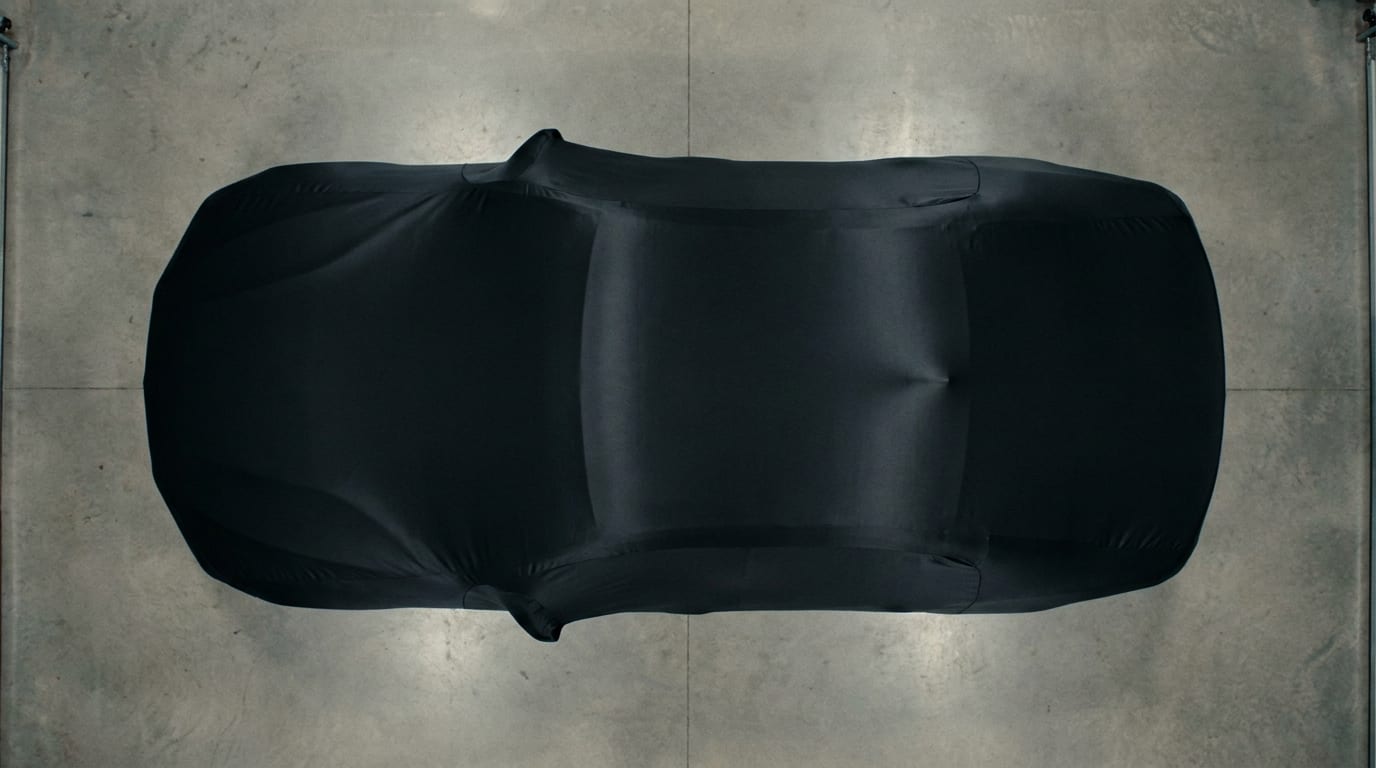
Then there's the tight weave. A loose weave lets fine dust particles pass right through, which defeats half the point of covering the truck at all. Pair that with an elastic hem or cinch straps at the front and rear, and the cover actually seals against the body instead of gapping open at the bumpers where dust settles fastest.
Tacomas have a few spots that trip up generic covers. Bed rails and the tailgate lip create hard edges that a poorly cut cover will rub against every time wind from an open door moves the fabric. Side mirrors need enough room that the cover doesn't cinch tight around them and leave stress marks. A cover cut with these areas in mind sits looser where it needs to and snug everywhere else, instead of pulling tight across the whole body.
Getting the Right Fit for Your Tacoma's Cab and Bed Configuration
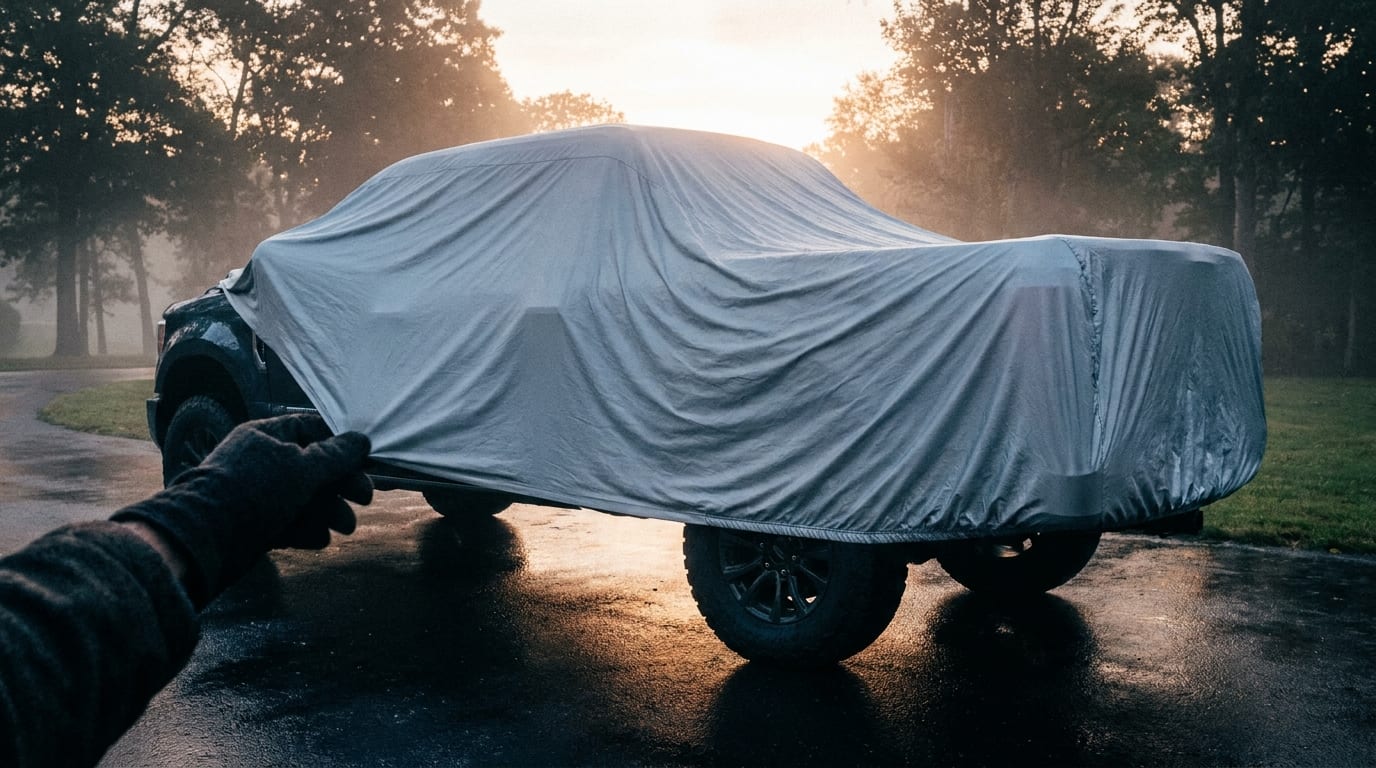
Fit is where a lot of Tacoma owners get tripped up buying online. Access cab and double cab bodies aren't the same length, short beds and long beds change the rear dimensions, and Tacoma generations have shifted body lines enough that a cover cut for a 2010 model won't sit right on a 2022. None of this is obvious from a product photo.
A universal-fit cover splits the difference across all of that, which means loose fabric somewhere on your truck no matter which trim you have. Loose fabric moves in air currents, drags across the paint as it shifts, and picks up dust along the way, essentially working the grit into the surface instead of keeping it off. A semi-custom or model-specific cut solves this by matching the actual body lines, so the cover holds still.
Before you buy, measure with any bed accessories installed. A tonneau cover, a bed liner, or a roll bar all raise the profile of the truck, and a cover sized for a bare bed won't stretch over them without straining at the seams. Measure with those pieces in place, not the factory bed alone.
If you're not sure which numbers matter, run your Tacoma's specs against a sizing resource before you check out. It's a five-minute step that saves you a return shipment.
Indoor Cover Options Compared: Which Fits a Garage-Kept Tacoma Best
Not every indoor cover is solving the same problem, and the differences show up fast once you line them up side by side.
| Factor | Basic single-layer cover | Satin-lined cover |
|---|---|---|
| Primary job | Dust-only protection | Dust protection plus finish softness |
| Fit style | Often universal | Often model-specific |
| Weight | Lighter, packs small | Heavier, bulkier storage |
| Best for | Daily on/off use, older or work-use trucks | Long-term storage, new paint, wraps, matte finishes |
| Price | Lower | Higher |
A basic single-layer cover does the core job: keeps dust off, folds up small, and is easy to grab for quick daily use if you're pulling the truck in and out often. It won't do much for a paint job you're precious about, but it's not trying to.
A satin-lined option costs more, and that premium is justified mainly by paint sensitivity. If your Tacoma has a wrap, ceramic coating, or you just bought it and want to keep the factory finish pristine, the smoother lining reduces the risk of fine marring over months of use. For a truck that gets driven daily and covered as an afterthought, that upgrade is probably overkill.
Fit precision plays into this too. A universal cover on a Tacoma will always have some slack somewhere, while a custom-fit car cover built around the Tacoma's actual dimensions holds snug against the body, which is really what blocks dust infiltration at the hems. You can browse Toyota-specific truck cover options directly through Toyota truck covers to compare what's built for your exact configuration.
Installing and Caring for an Indoor Tacoma Cover

Installation order matters more than people expect. Start at the front, laying the cover over the hood and windshield first, then work back toward the bed and tailgate. Pulling it the other direction means dragging fabric across panels you've already covered, which can grind any dust that's settled there right into the clear coat.
Before you cover the truck at all, give it a quick wipe-down. Sounds like an unnecessary step for a truck that's already clean, but trapping grime or dust under the cover, even a light layer, creates the exact micro-scratch problem you bought the cover to avoid. Thirty seconds with a microfiber cloth is cheap insurance.
Indoor covers don't need cleaning as often as outdoor ones, since they're not fighting mud, pollen storms, or road grime. But they still need it. Dust that settles on the exterior of the cover works its way into the fabric over time, and once it's embedded, every time you pull the cover on or off, you're dragging that grit across the paint again. Check the cover care and cleaning guide for the right method for your specific lining.
Between uses, how you store the cover matters more than most people think. Folding it loosely into a breathable bag keeps the lining clean and ready to go. Wadding it into a tight ball or leaving it crumpled on a garage shelf invites dust to settle into the folds, which then gets transferred straight onto your truck next time you use it.
What to Check Before You Buy
Read the listing carefully before you commit. Some covers marketed as multi-purpose or indoor/outdoor use a rougher exterior-facing fabric that isn't built with the soft lining an indoor-only cover prioritizes. If the description doesn't specifically call out a soft interior lining, assume it's not optimized for garage use.
Check the warranty and return policy too. Even careful measuring sometimes results in a fit that's slightly off for your trim or bed length, and you want to know you can exchange it without a fight. CarCovers backs its products with a lifetime warranty, which is worth confirming applies to whatever indoor cover you're eyeing.
Look for the dust-specific details covered earlier: elastic hems, cinch straps, and ideally a storage bag included so the cover has a clean place to live between uses instead of getting tossed on a workbench.
And don't skip the customer reviews. Spec sheets tell you what a cover is supposed to do. Reviews from other Tacoma owners tell you whether it actually fits the way the listing claims, especially for bed configurations that are easy to get wrong on paper.
Protect Your Tacoma's Finish With the Right Indoor Cover
The decision really comes down to three things: match the lining softness to how much you care about the paint, match the fit to your specific cab and bed setup, and don't skip the dust-blocking details like elastic hems and tight weave. Skimp on any one of those and you're covering the truck without actually protecting it.
It's a small investment for what it protects. A garage-kept Tacoma holds its resale value largely because the paint stays clean between drives, and an indoor cover is one of the cheapest ways to keep it that way.
If you're still narrowing down your options, it's worth browsing what's out there and finding the fit that matches your setup exactly.