
Best Outdoor Car Cover for Chevrolet Colorado: Waterproofing & UV Protection Guide
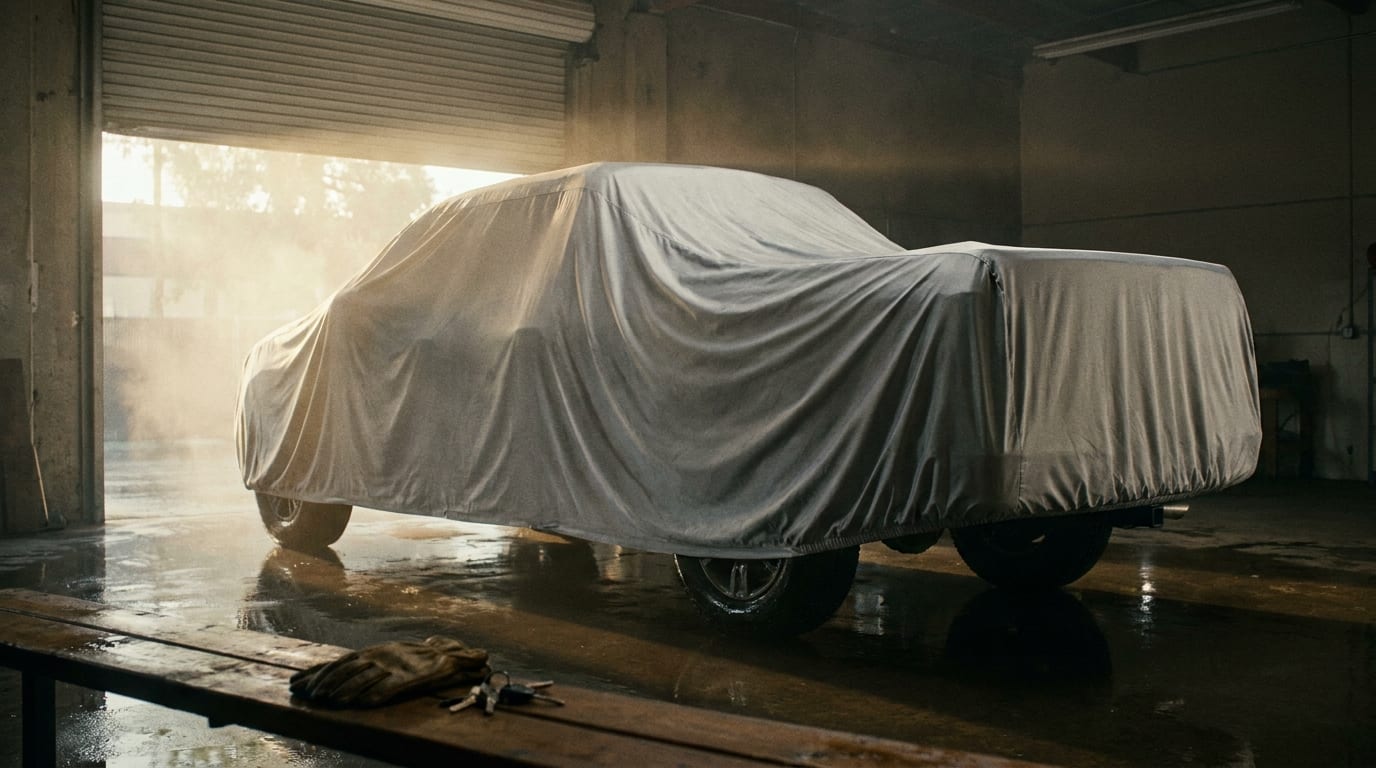
Parking a Chevy Colorado outside isn't a compromise, it's just reality for most truck owners. Driveways, apartment lots, job sites: none of them come with a garage attached. If that's you, the cover you buy needs to be built for outdoor duty, not just borrowed from an indoor dust-cover lineup. This guide walks through what actually matters when you're shopping for an outdoor car cover for Chevrolet Colorado trucks: waterproofing, UV resistance, fit, and the hardware that keeps a cover on the truck instead of in your neighbor's yard.
Why Your Chevy Colorado Needs a Purpose-Built Outdoor Cover
Indoor covers are built for a different job. They keep dust and light scratches off a vehicle that's already protected by four walls and a roof. Outdoor covers have to handle rain, UV exposure, wind, pollen, tree sap, and temperature swings, often all in the same week. Put an indoor-grade cover on a truck that lives outside and you'll find out fast where it falls short.
The Colorado's shape works against it here. That long, flat hood catches direct sun for hours. The bed rails and tailgate sit exposed with nothing shielding them. Rain doesn't run off a truck bed the way it does off a sedan's sloped trunk, it pools. So before you even start comparing brands or price points, narrow your decision down to two specs that actually determine whether a cover does its job: waterproofing and UV resistance. Everything else (color, how it folds, bonus straps) is secondary.
This isn't a "what is a car cover" primer. If you're here, you're probably ready to buy one, so let's get into what separates a cover that protects your Colorado for years from one that fails by the second summer.
Waterproofing: What Actually Protects a Colorado Parked Outside

"Waterproof" gets thrown around loosely on cover listings, and it shouldn't be taken at face value. A genuinely waterproof cover needs seam-sealed construction (the stitching points are where water sneaks in first), a water-repellent outer coating, and enough breathability underneath that moisture doesn't get trapped against the paint. Miss any one of those three and you've basically got a tarp with better marketing.
Truck beds complicate this further. Water pools on a closed tailgate and on tonneau covers in a way it never would on a car's trunk lid. Add exposed hardware, bed rail caps, hinges, and you've got rust risk that a sedan owner never has to think about. A cover that's merely "water-resistant" might shrug off a light drizzle, but a few hours of steady rain and it soaks through, trapping moisture between the fabric and your paint overnight. That's worse than no cover at all in a lot of cases.
There's a simple test you can run before you ever buy: pour a little water on the fabric and watch what happens. If it beads up and rolls off, the coating's doing its job. If it darkens and soaks in, walk away. This beading test works in showrooms, at trade shows, even on a sample swatch mailed to you, and it tells you more than any spec sheet claim. For a deeper breakdown of what outdoor exposure actually does to a cover over a full season, the guide to using a car cover outdoors covers wind and UV too, not just rain. And if waterproofing is your top priority (it should be, for most outdoor Colorado owners), it's worth reading through the full breakdown of waterproof car cover construction before you commit to a tier.
UV Protection: Stopping Paint Fade and Dashboard Cracking
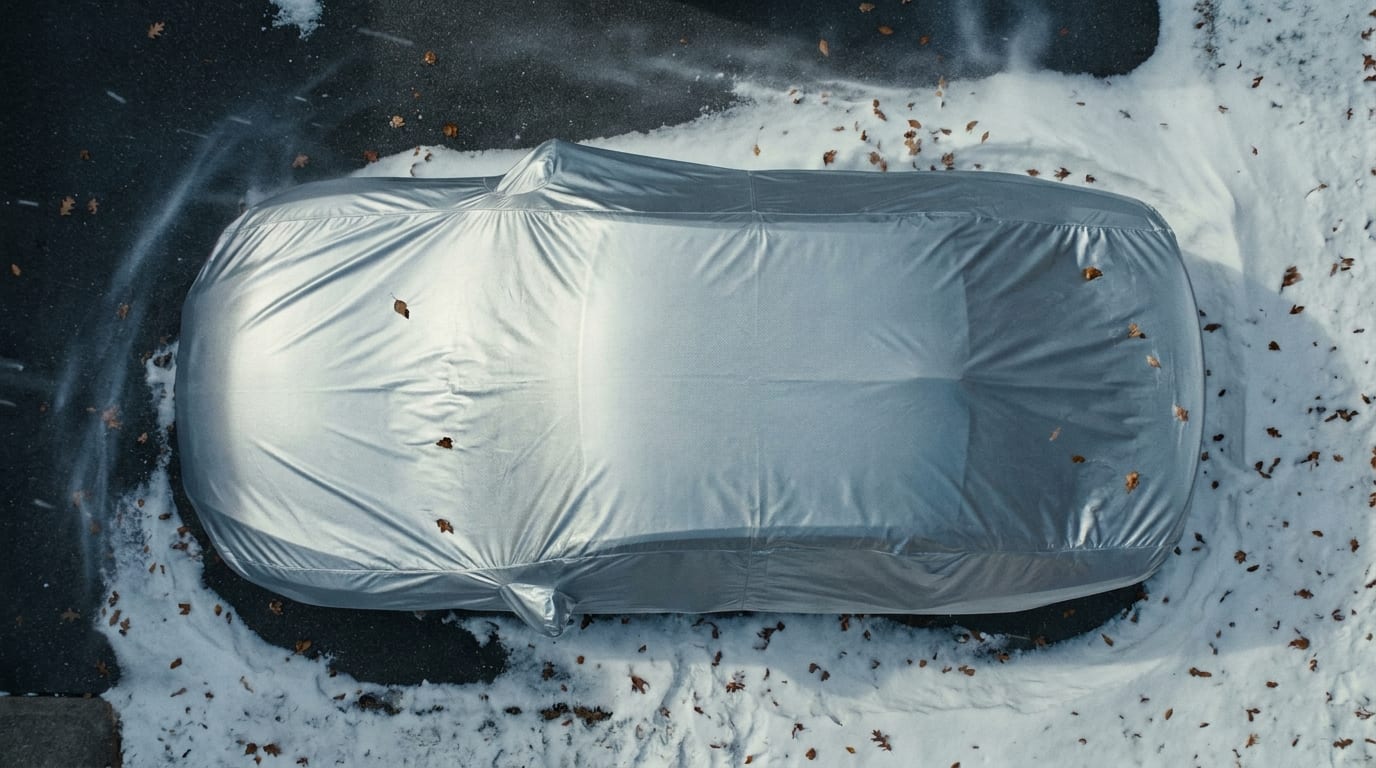
Sun damage is slower than rain damage, which is exactly why people underestimate it. UV rays break down clear coat over time through oxidation, and the horizontal panels, hood, roof, bed rails, take the worst of it because they face the sun directly for hours every day. You'll notice it first as a dull, chalky patch on the hood before anywhere else.
It gets worse with heat buildup. A truck parked outside all day isn't just absorbing UV, it's baking under it. Interior temperatures climb, dashboards crack, and seat material dries out faster than owners expect, especially on trucks used daily rather than stored occasionally. If your Colorado is outside more days than it's in a garage, that heat cycle repeats constantly.
A properly UV-rated fabric is treated or coated specifically to block and reflect those rays, not just block visible light. A basic cover with no UV treatment might look fine folded up on a shelf, but under a few months of daily sun it turns brittle, loses its weatherproof coating, and stops doing much of anything. For a truck that sits outside most of the year, UV resistance isn't a nice-to-have feature tacked onto the listing. It's as core to the purchase decision as waterproofing, and honestly gets overlooked more often because fade damage doesn't show up in week one.
Comparing Cover Tiers for Outdoor Colorado Protection
Not every outdoor cover protects the same, and the tier you pick should match how often your Colorado actually sits outside. Here's how the tiers typically stack up:
| Feature | Entry/Basic Tier | Deluxe Tier | Platinum/Premium Tier |
|---|---|---|---|
| Waterproofing | Water-resistant, light rain only | Seam-sealed, handles sustained rain | Full seam-sealed waterproof, built for prolonged exposure |
| UV protection | Minimal or none | Baseline UV-resistant coating | Multi-layer fabric rated for year-round sun |
| Breathability | Single-layer, limited airflow | Multi-layer with better airflow | Multi-layer, engineered against trapped moisture and mold |
| Expected outdoor lifespan | Shortest, fabric degrades faster | Moderate, holds up to seasonal rotation | Longest, built for daily outdoor abrasion and wear |
| Best for | Occasional outdoor parking | Regular outdoor parking, mixed climates | Full-time outdoor storage, harsh sun or heavy rain regions |
If your Colorado spends a weekend outside here and there but mostly lives in a garage, an entry-level cover will probably hold up fine. But if it's parked outside daily, rain or shine, that's where the deluxe or platinum tier earns its price difference. The extra cost buys you fabric that won't need replacing after one bad summer. Browsing the full truck cover lineup side by side makes the tier differences easier to see than reading spec sheets in isolation.
Getting the Fit Right for Your Colorado's Body Style
A cover that's rated for waterproofing and UV resistance still fails outdoors if it doesn't fit right. Wind gets under loose fabric, flaps it around, and wears through the coating at the stress points, way faster than a properly fitted cover would wear. The Colorado comes in regular cab, extended cab, and crew cab configurations, each paired with different bed lengths, so a "universal" fit is a gamble at best.
Accessories complicate sizing further. A tonneau cover or bed rack changes the profile the cover needs to clear. Towing mirrors stick out further than stock mirrors. Aftermarket bumpers add length. Any one of these can turn a cover that should fit into one that bunches, gaps, or tears at a seam within weeks.
Before you buy, confirm your exact cab configuration and bed length rather than assuming your trim matches someone else's Colorado. The truck bed size guide is a quick way to check your specific measurements, and the broader sizing guidance for car covers walks through how accessories factor into the fit beyond just the cab and bed length.
Securing the Cover Outdoors: Straps, Cable Locks, and Support

A great cover with no way to anchor it is still just loose fabric in the wind. Trucks parked in open lots or driveways catch more wind than cars tucked between buildings, so a gust strap system that cinches underneath the truck matters more here than it would for a garage-adjacent sedan. Skip it, and you'll eventually chase your cover across the parking lot.
Theft is the other overlooked risk. A cover left on an outdoor-parked truck overnight is an invitation unless it's locked down. A cable lock threaded through the cover and around a wheel or frame point adds a real deterrent, not a guarantee, but enough friction to make a thief move on. Installing one is quick: the cable lock installation guide covers the setup in a few steps.
Water pooling is the third piece people forget. On a truck with a bed cover or a flat cab roof, standing water settles right where it shouldn't. A support pole lifts the center of the cover just enough to let water run off instead of sitting there all night. The truck support pole installation guide walks through getting it positioned correctly. None of these three (straps, lock, pole) are optional add-ons bolted onto a sales page. They're part of the actual protection system, and skipping them undercuts everything the waterproofing and UV fabric are supposed to do.
Final Buying Checklist and Where to Get Your Colorado Cover
Before you check out, run through the short list: seam-sealed waterproofing (not just water-resistant), UV-treated fabric rated for daily sun exposure, a fit confirmed against your actual cab and bed length, and the strap, lock, and pole accessories to back it all up.
If your Colorado sits outside full-time, spend up for the deluxe or platinum tier. It's the difference between a cover that lasts one season and one that lasts several. Occasional outdoor parkers can get away with less. Either way, check the warranty terms before you buy. An outdoor cover is a multi-year investment, and warranty coverage tells you how confident the manufacturer actually is in their own fabric. Once the cover's on the truck, keeping it clean also extends its life. The cover cleaning guide is worth a quick read so the waterproof coating doesn't wear down from the wrong cleaning products.
When you're ready to shop, the Chevrolet truck cover page has the fit options broken out by cab and bed configuration. And if you're still deciding between indoor and outdoor storage for your situation, the outdoor car cover guide is a good next stop before you commit to a cart.
Still weighing your options? Poke around a few more guides on the site before you buy. There's no rush, your Colorado can wait one more week for the right cover instead of the first one you find.
