
Best Outdoor Car Cover for Hyundai Santa Fe: Waterproofing & UV Protection Guide
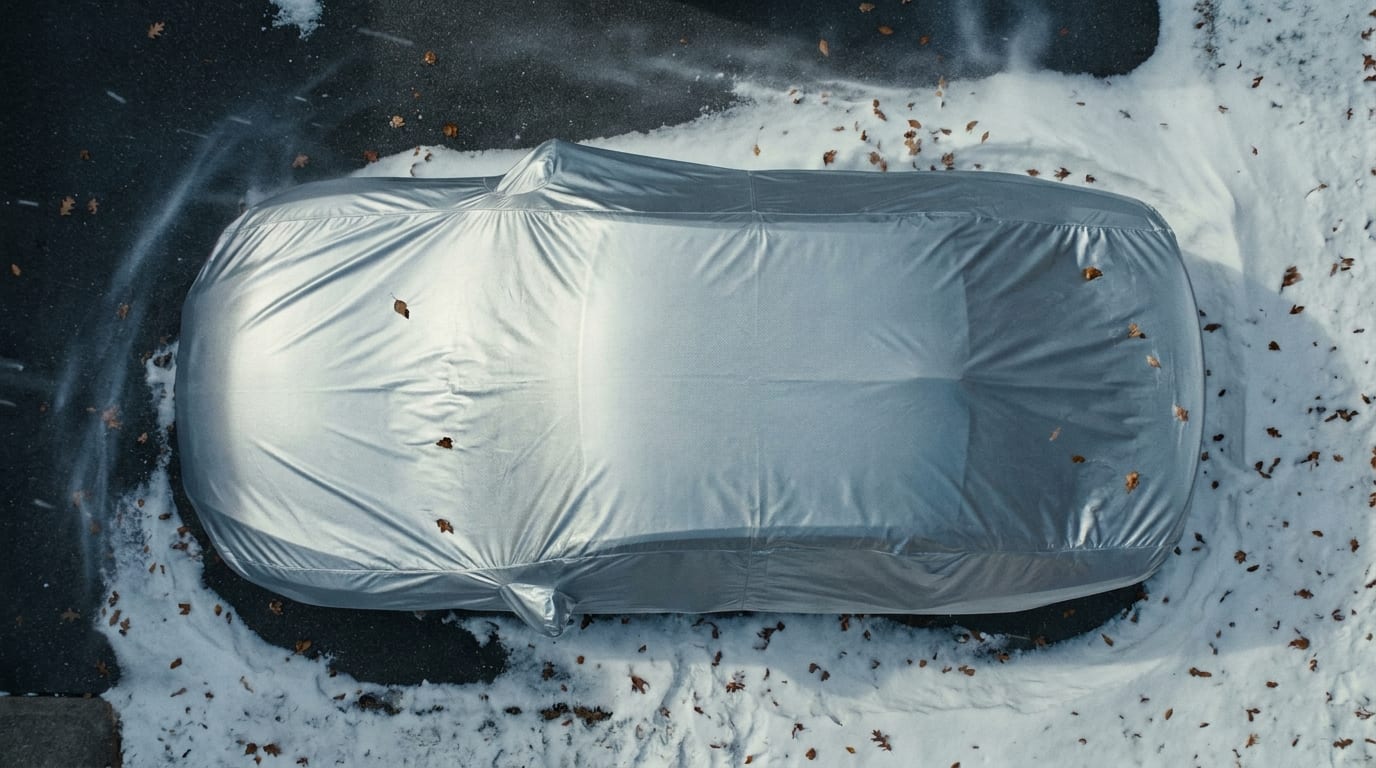
Leave a Santa Fe outside long enough and it'll tell on you. Chalky trim, a dull clear coat, maybe a water spot etched into the hood from mineral-heavy rain. If you park in a driveway, carport, or open lot, you already know the drill: sun, rain, pollen, and whatever blew in off the road all land on your SUV every single day. The right outdoor car cover for Hyundai Santa Fe owners isn't a luxury accessory, it's basic maintenance.
Here's the catch, though. The Santa Fe's body isn't a generic box. It's got a sloped roofline, side mirrors that stick out at specific angles, and a rear liftgate with its own curve. A flat tarp or a one-size-fits-all SUV cover will gap at those points, and gaps are exactly where water pools and wind gets a grip. This guide walks through what "waterproof" and "UV-rated" actually mean in practice, not just as marketing words on a product page, and how to pick a cover tier that matches where you actually park.
Why Your Hyundai Santa Fe Needs a Dedicated Outdoor Cover
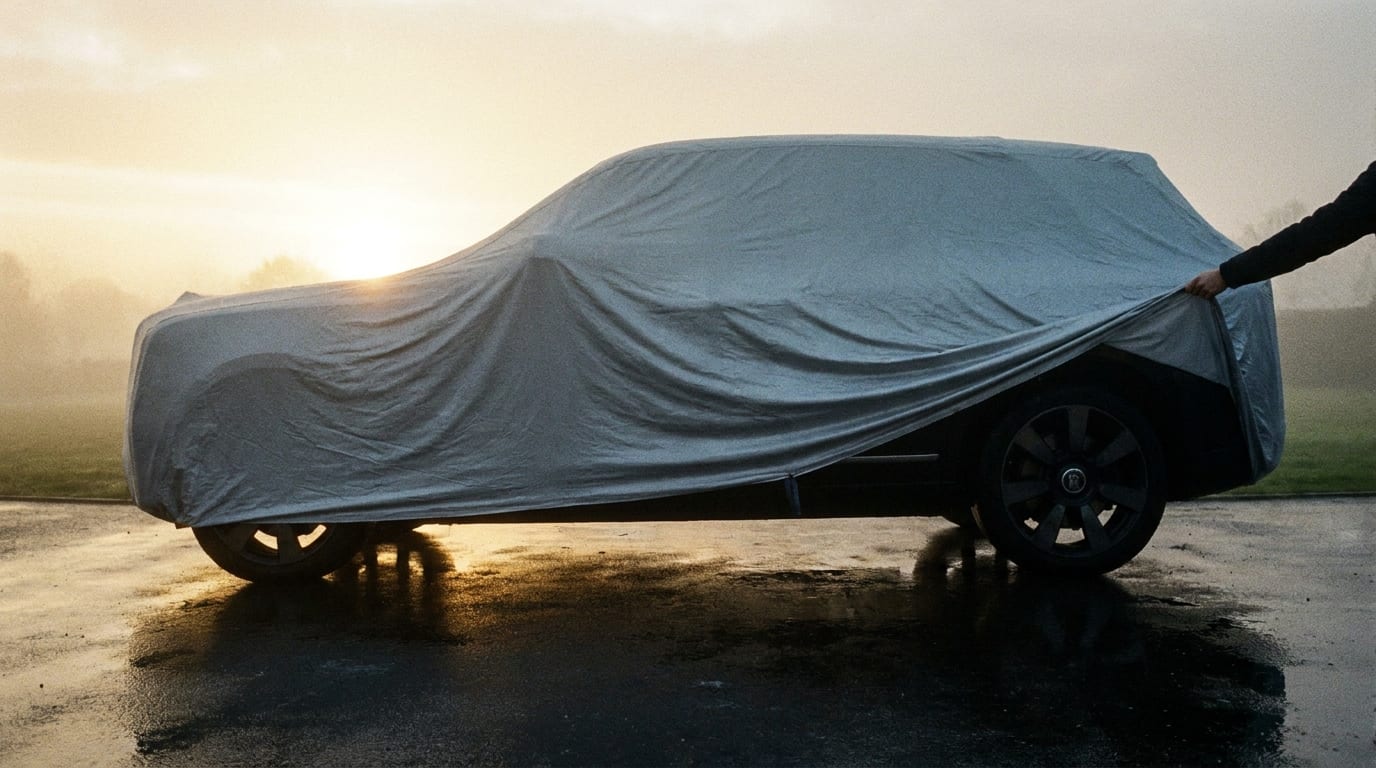
If your Santa Fe spends its nights outside, it's absorbing more punishment than you'd think. UV rays bake the paint. Rain carries pollutants that etch into clear coat. Pollen season leaves a sticky film that, left alone, turns into stains. None of this happens overnight, but it compounds. Two years of daily exposure adds up to a faded hood and cracked trim faster than most owners expect.
Generic covers struggle here because the Santa Fe is a midsize SUV with specific contour points. The roofline curves. The mirrors jut out. The liftgate angles back. A universal cover sized for "SUVs" in general tends to billow at these spots, which means wind can get underneath and water collects instead of running off. That's the real problem this guide solves: finding an outdoor car cover for Hyundai Santa Fe owners that's genuinely waterproof and UV-rated, not just labeled "all-weather" and left at that.
The decision comes down to three things: what the fabric is actually made of, whether the fit is custom or universal, and which protection tier matches your climate. Get those three right and the rest takes care of itself.
Waterproofing: What Actually Keeps Rain and Snow Out

Water-resistant and waterproof are not the same thing, even though a lot of product listings use them interchangeably. Water-resistant fabric beads off a light drizzle but soaks through in sustained rain. Waterproof construction means seam-sealed seams and a coating built to handle real downpours, plus snow sitting on top for hours without soaking through to the paint.
The layering matters too. A cover with a breathable inner layer lets moisture that's already on the car (morning dew, residual humidity) escape instead of getting trapped. Trap that moisture under a non-breathable shell and you're looking at mold, mildew, and water spotting, which defeats the entire purpose of covering the car in the first place.
Then there's the fit hardware. Grommets, elastic hems, and cable-lock-ready grommet points are what keep the cover sealed against the Santa Fe's body during wind-driven rain, when water isn't just falling straight down but getting pushed sideways under loose edges. Without that hardware, even a genuinely waterproof fabric can let water in at the hem.
If you want the full technical rundown on coatings, seam sealing, and how these covers hold up in different climates, the guide to using a car cover outdoors covers it in more depth than we can here. For the shopping side of it, the waterproof car covers overview breaks down construction types side by side.
UV Protection: Stopping Sun Damage on Paint and Interior
Sun damage is slower than rain damage, which is why people underestimate it. UV exposure fades clear coat gradually, and it chalks and cracks plastic trim, mirror housings, door handles, all the bits that are supposed to stay matte black and end up gray and brittle instead.
A UV-stabilized fabric coating does more than block light. It reflects solar heat off the surface, which keeps cabin temperatures lower even with the windows covered, and that matters for the dashboard and leather underneath. Leave an SUV uncovered in a sunbelt climate and you'll often see visible fading within a year or two. Covered vehicles parked right next to them hold their finish noticeably longer.
This isn't just about looking good in the driveway. Paint and interior condition are two of the first things a buyer or appraiser checks. A cover that blocks UV is protecting resale value, not just saving you a wash. If you're weighing whether to spend more on a UV-rated option, think of it as insurance on the vehicle's future price tag, not an upsell.
Choosing the Right CarCovers Tier for Your Santa Fe: Basic vs. Deluxe vs. Platinum
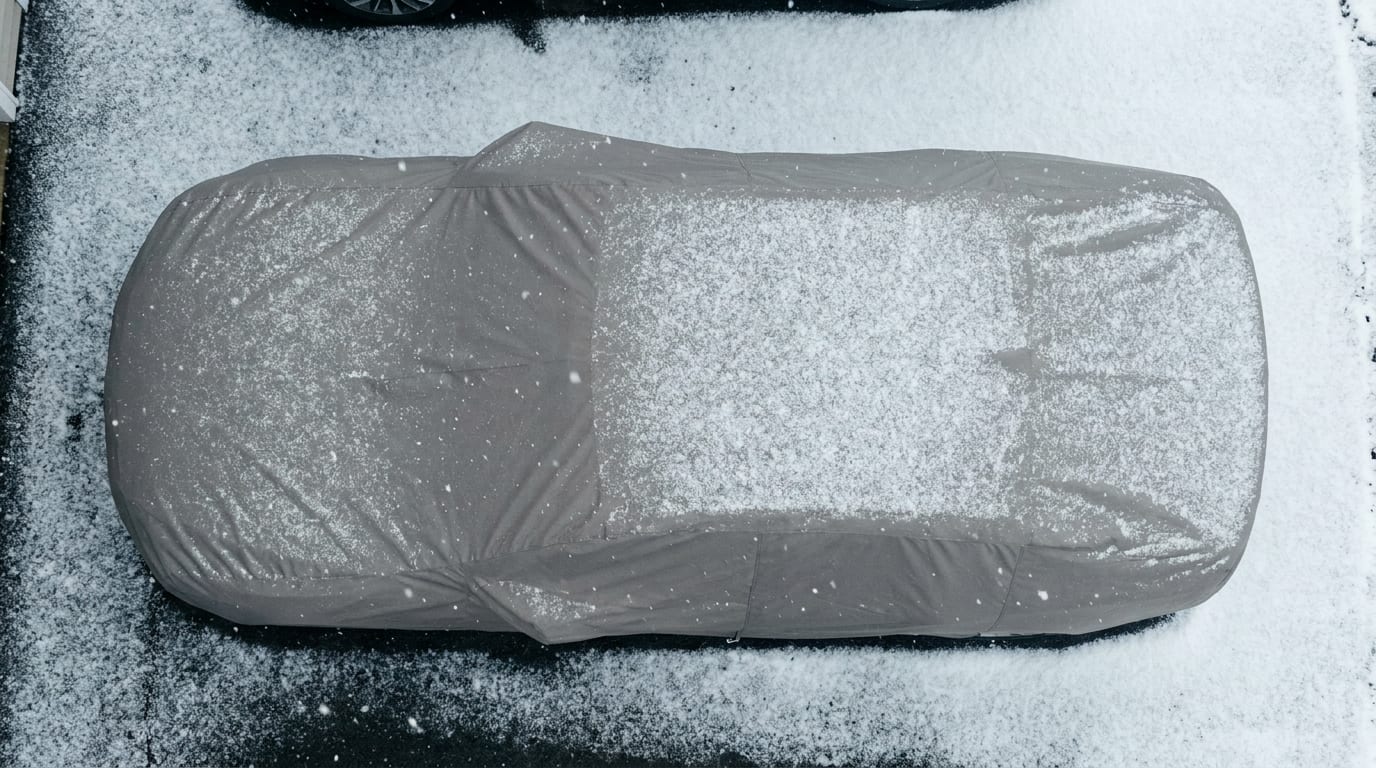
Not every Santa Fe owner needs the same level of protection, and matching tier to climate is the actual decision here, not defaulting to whatever's cheapest.
| Tier | Waterproofing | UV Protection | Layers/Breathability | Best For |
|---|---|---|---|---|
| Basic | Light rain and dust resistance | Moderate UV coating | Single or dual layer | Mild climates, occasional outdoor parking |
| Deluxe | Full seam-sealed waterproofing | Strong UV-stabilized coating | Multi-layer with breathable inner shell | Year-round outdoor parking, humid or sunbelt regions |
| Platinum | Heavy-duty, handles snow and ice load | Maximum UV-stabilized coating | Thickest multi-layer construction | Extreme weather regions, snow, hail-prone areas |
Basic makes sense if your Santa Fe mostly sits under a carport or only sees the elements a few days a week. It'll handle dust and a passing shower fine, but it's not built for a car that lives outside through every season.
Deluxe is the one most year-round outdoor owners end up choosing. The seam-sealed waterproofing paired with a breathable inner layer handles humid climates without trapping condensation, and the stronger UV coating is worth it if you're in a sunbelt state where the cover is doing daily work against intense light.
Platinum is for the harder cases: regions with real snow load, ice, or hail risk. If you're in that category, it's worth reading through the dedicated hail car covers page before deciding, since hail protection has its own construction requirements beyond standard waterproofing.
The honest framing: don't buy Basic because it's cheap if your Santa Fe sits outside twelve months a year in Phoenix or Minneapolis. Match the tier to what your climate actually throws at the car, not to the lowest sticker price.
Fit Matters as Much as Fabric
A custom-fit cover built to the Santa Fe's exact dimensions beats a universal SUV cover on two things that matter a lot outdoors: wind lift and water pooling at the roofline. Universal covers are cut to fit a range of vehicles loosely, which means extra fabric flaps in wind and low spots where rain collects instead of running off.
Custom fit removes that slack. The cover follows the Santa Fe's roofline, mirror cutouts, and liftgate curve closely enough that wind has less to grab and water has fewer places to sit. You can see the dedicated Hyundai SUV cover lineup to check what's built specifically for your model year, and it's worth confirming sizing before you buy, since trim level and year can shift dimensions slightly. The sizing guide and custom-fit car covers pages both help confirm you're ordering the right fit instead of guessing.
If you're in a high-wind region, don't stop at the cover itself. Gust straps and cable locks keep an otherwise well-fitted cover from working loose in sustained wind, which is a small add-on cost against the risk of the cover blowing half off overnight.
Installing and Maintaining Your Santa Fe's Outdoor Cover
Installation isn't complicated, but doing it in the wrong order causes most of the fit problems people blame on the cover itself. Drape front to back, not side to side, so the fabric settles into the roofline naturally. Secure the straps underneath before you worry about mirror and antenna cutouts, which are specific to SUV body styles and easy to misalign if you rush. The installation guide walks through the full sequence if this is your first custom-fit cover.
Cleaning cadence matters more than people think. Harsh detergents strip the UV treatment and waterproof coating right off the fabric, which quietly undoes everything you paid for. Stick to the cleaning approach laid out in the cover care guide and you'll keep both treatments intact for years instead of one season.
Build in two seasonal checks: once before winter, to catch any wear points before snow load tests them, and once after pollen season, since built-up pollen can trap moisture against the fabric if it's not rinsed off.
Buy with Confidence: Warranty and Next Steps
The decision tree here is simple even if the options aren't: match your waterproofing and UV tier to your actual local climate, confirm a custom fit for your Santa Fe's year and trim, and add gust straps or a cable lock if you're somewhere windy. Skip any of those three and you're leaving protection on the table.
Buying outdoor gear sight unseen is easier when there's real warranty backing behind it. Covers sold with lifetime warranty coverage and a no-hassle guarantee take the risk out of picking a tier, since you're not stuck if the fit or fabric isn't right the first time.
If you're ready to look at options built specifically for your SUV, browse the Hyundai lineup and find the cover that matches how and where you actually park. And if you want more guides like this one as you take care of the Santa Fe, it's worth poking around the rest of our car care articles for what else might be quietly wearing down your vehicle outside.
