
Best Outdoor Car Cover for Mercedes-Benz E-Class: Waterproofing & UV Protection Guide
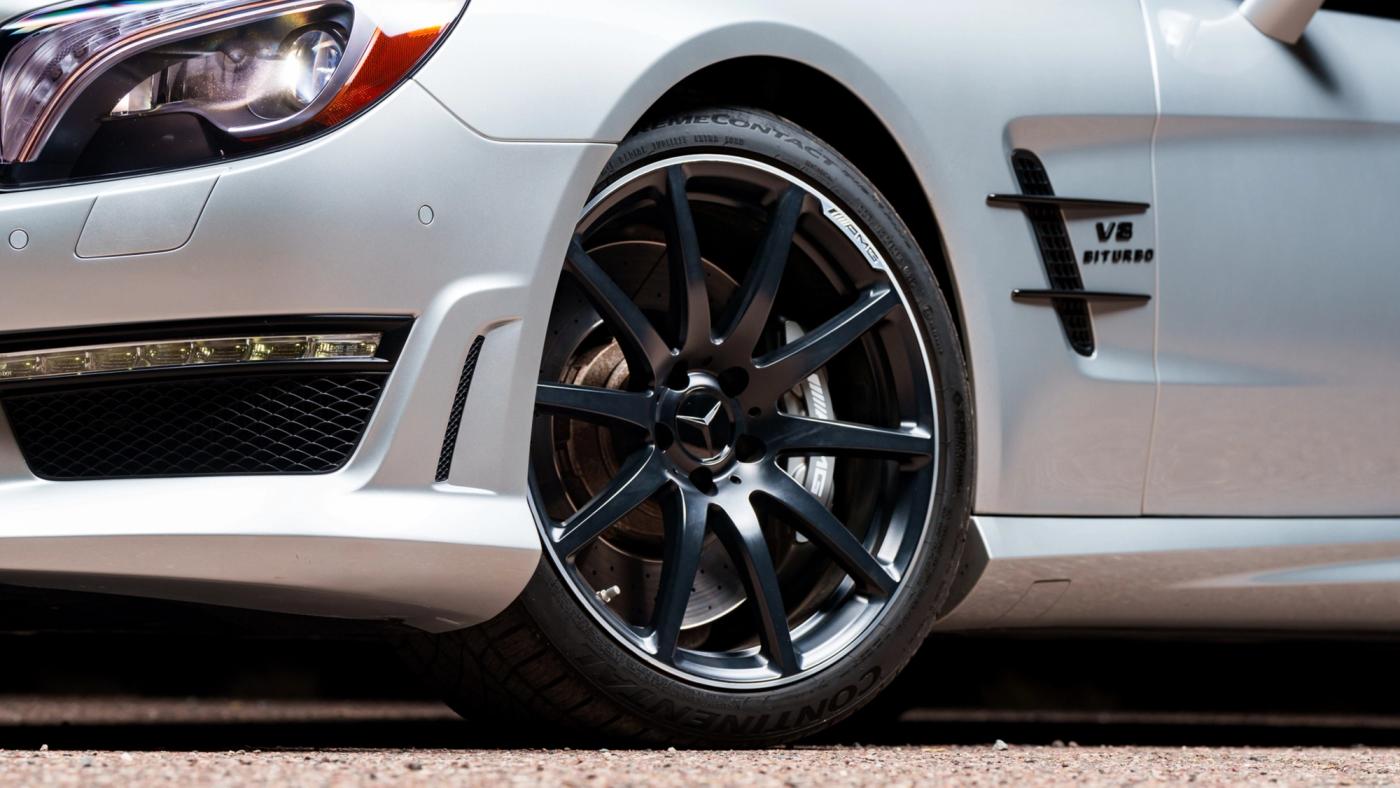
If you park your E-Class outside, you already know the drill: pollen in spring, sap in summer, hail or sudden downpours whenever the forecast feels like being wrong. An outdoor car cover for Mercedes-Benz E-Class owners isn't a luxury accessory, it's the thing standing between your clear coat and a slow fade you won't notice until the resale appraisal comes in low. UV exposure cracks dashboards and dries out leather. Water finds its way into trim seals and sits there. And a cheap tarp from the hardware store traps moisture just as well as it blocks rain, which defeats the whole point.
This guide is built for one decision: picking the right outdoor-rated cover for your specific E-Class, whether you're running a sedan, a wagon, or one of the coupe and cabriolet variants across different generations. Two things determine whether a cover actually does its job once you drive away and leave it outside: how it handles water, and how it handles sun. Get those two right and everything else (fit, straps, price) falls into place.
Why Your E-Class Needs a Real Outdoor Cover
Owners who park on the street or in an uncovered driveway deal with a different set of problems than garage owners. Paint fades unevenly under direct sun. Leather seats and dash plastics crack from UV bombarding the cabin through the glass, even with the cover on if the fabric isn't rated for it. Trim seals around windows and mirrors are a common entry point for water during storage, especially on older E-Class generations where the rubber has had years to harden and shrink.
A generic cover, or worse, a tarp meant for firewood, doesn't solve any of this. Tarps trap condensation against the paint because they don't breathe, which is how you end up with swirl marks and mildew spots under a cover that was supposed to protect the car. Indoor-only covers have the opposite problem: they're soft and breathable but have zero UV-stable coating, so a few months outside and the fabric itself starts breaking down.
So this is about choosing and buying the right outdoor-rated cover for your exact E-Class body style and model year. The two deciding factors, waterproofing and UV protection, are what the rest of this guide walks through.
What 'Outdoor-Rated' Actually Means for a Cover
Not every cover labeled "all-weather" actually is. A genuine outdoor-rated cover starts with multi-layer woven or laminated fabric, not a single thin sheet of coated polyester. That fabric needs a water-resistant or fully waterproof outer shell, plus a UV-stabilized topcoat that's baked into the material, not just sprayed on as an afterthought.
Water-resistant and waterproof aren't the same claim, and the difference matters depending on where you live. Water-resistant fabric sheds light rain and morning dew fine. Fully waterproof means seam-sealed construction that holds up through a sustained downpour without soaking through. If you're in the Pacific Northwest or anywhere with long stretches of steady rain, don't settle for resistant when you need proof.
Breathability is the part people skip past, and it's the one that bites you later. A cover that's waterproof but not breathable traps condensation underneath it, right against your E-Class's paint. That moisture has nowhere to go, so it sits there overnight, every night, slowly working on the clear coat. The good covers solve this with an engineered breathable fabric or membrane layer that lets vapor escape without letting rain in.
Then there's fit detail, which sounds minor until wind gets involved. Mirror pockets keep the cover from flapping loose around your side mirrors. An antenna grommet matters if your E-Class still has a fixed antenna. An elastic hem keeps the bottom edge snug, and tie-down points let you cinch things down so a gust doesn't peel the whole cover off overnight. Check our outdoor car covers guide for how these details are specced across different cover tiers.
Waterproofing: What to Check Before You Buy

Seams are where cheap covers fail first. Taped or sealed seams close up the needle holes left from stitching, which is the most common leak point you'll never notice until water's already pooling on your hood. If a product listing doesn't mention seam sealing at all, assume it doesn't have it.
Hems and straps work together to stop wind-driven rain from wicking up under the edge of the cover. An elastic hem keeps things snug around the body, and grommets let you run a cable lock or wind strap through for extra hold. Without that combination, wind can lift the hem just enough to let water sneak in sideways, which defeats a perfectly good waterproof fabric.
Breathability sounds like it would work against water resistance, but done right it does the opposite. A breathable fabric lets built-up moisture escape from underneath without becoming its own entry point for rain. It's a small design detail that separates a cover engineered for outdoor use from one that just happens to be marketed that way.
Before you buy, run through this: confirm the actual waterproof rating language used (resistant versus fully waterproof), check that seams are sealed, and make sure the hem includes strap or grommet points. Skip any of those and you're gambling. The waterproof car covers page breaks down rating language by product if you want to compare options side by side, and our guide to using a car cover outdoors covers wind, rain, and UV together in more depth.
UV Protection: Preventing Sun Damage on an E-Class
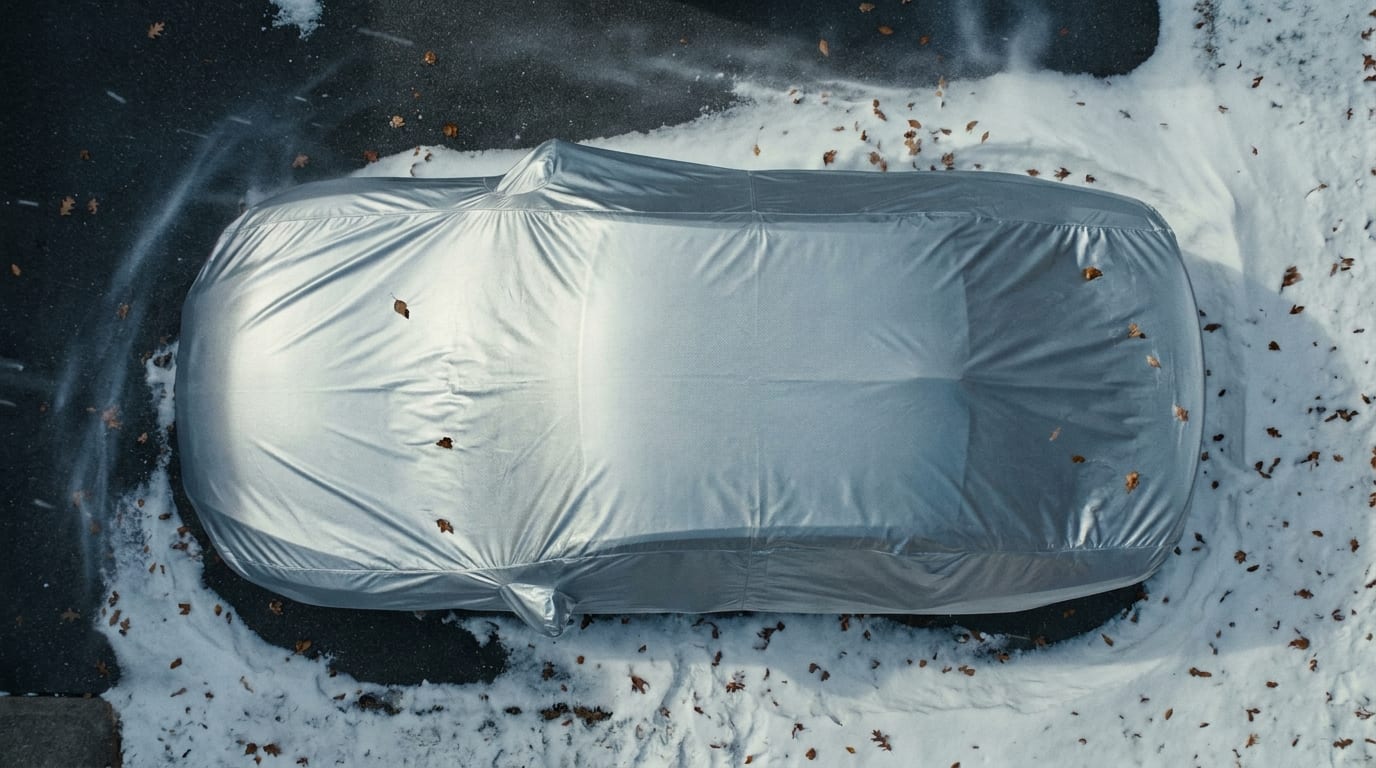
Sun damage is slow, which is exactly why people underestimate it. Months of outdoor storage fade clear coat, dry out badges, and age trim faster than most owners expect, especially if you're driving the E-Class daily and it's sitting in a lot or driveway all day between trips.
UV-stabilized fabric is treated to resist that degradation. Untreated fabric doesn't just let UV through to the car, it breaks down itself after a season or two outside, going brittle and losing whatever water resistance it started with. That's the trap with bargain covers: they look fine on day one and fall apart by the second summer.
Heat buildup inside the cabin is the other half of this. A reflective or UV-rated cover keeps interior temperatures from swinging as hard, which matters for leather seats and dash materials that crack under repeated heat cycles. If you're shopping, look specifically for a cover tier rated for sun exposure, not one that's only marketed for dust and light rain. Those are two different products wearing similar packaging.
This is really the whole case for an outdoor car cover for Mercedes-Benz E-Class owners who don't have garage access: the cover is doing double duty, blocking water and blocking sun, and cutting corners on either one shows up as a repair bill eventually.
Custom-Fit vs. Universal Fit for the E-Class
Fit matters more outdoors than it does in a garage. A loose universal cover flaps in the wind, and that constant movement wears down the fabric faster than sun or rain ever would. Worse, gaps at the mirrors or hem give water a direct path in, so a bad fit undermines even a genuinely waterproof fabric.
The E-Class has changed shape plenty across generations: sedan, wagon/estate, coupe, cabriolet, each with its own roofline, mirror placement, and overall length. A cover cut for a W213 sedan won't sit right on a C238 coupe. Mirror cutouts in particular are generation-specific, and getting that wrong means either a cover that won't tuck at the mirrors at all or one with pockets in the wrong place.
Confirm your model year and body style at checkout rather than assuming "Mercedes E-Class" is one product. If you're not sure which year falls into which fit range, the custom-fit car covers page and the sizing guide will get you to the right option faster than guessing. You can also start from the Mercedes-Benz cover page to see what's built for your specific trim.
Comparing Cover Tiers for Outdoor E-Class Storage
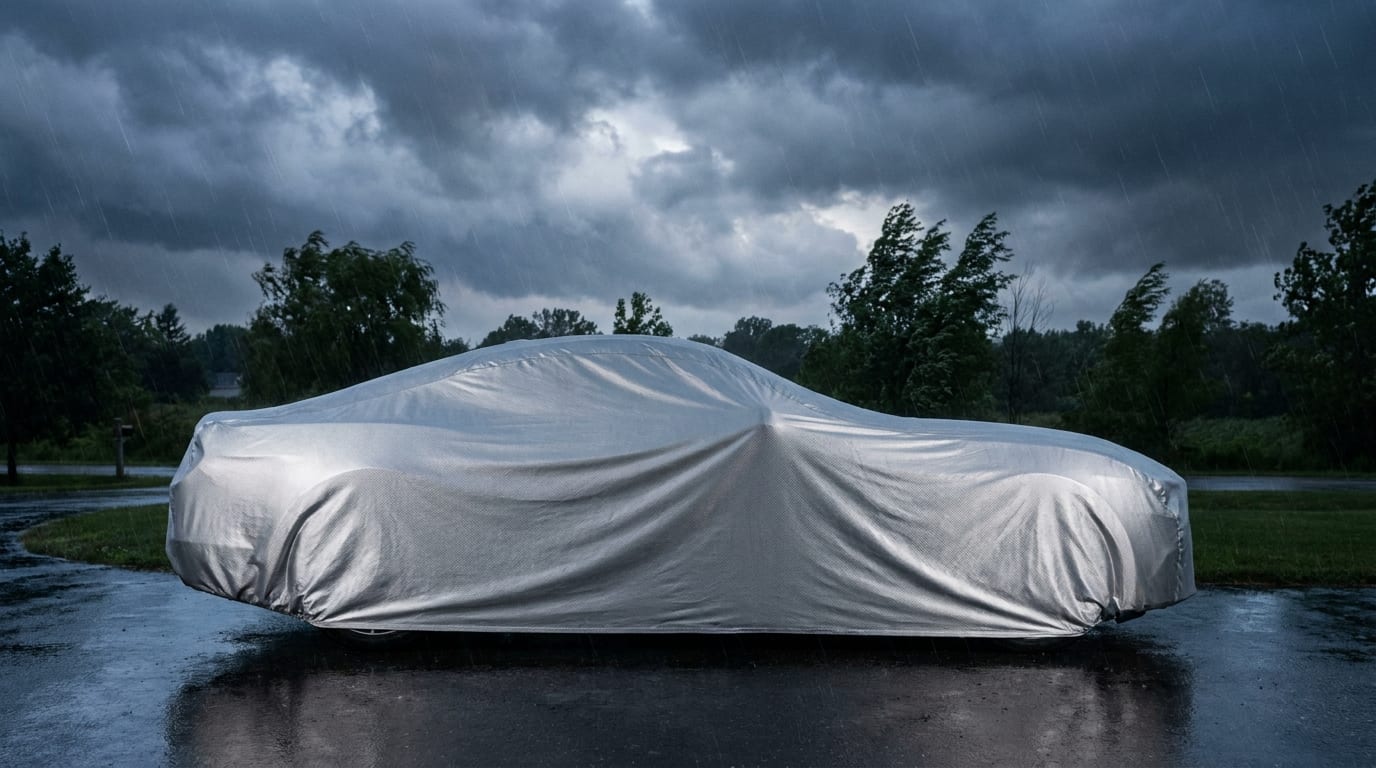
Not every climate needs the same cover. Mild sun and occasional light rain can get by with a lighter-weight waterproof layer. Frequent storms or harsh year-round sun call for a heavier, fully sealed tier. Matching the tier to where you actually live saves you from paying for protection you don't need, or worse, under-buying for conditions you do have.
| Factor | Lighter-weight tier | Heavier-duty tier |
|---|---|---|
| Fabric weight | Easier to install, less bulk to store | Bulkier, but stronger UV/water barrier |
| Best climate | Mild sun, occasional light rain | Harsh sun, frequent storms |
| Hardware included | Basic strap or hem elastic | Full strap/grommet and cable lock points |
| Breathability | Generally higher, lighter layer | Still breathable, through engineered fabric |
Cost is the obvious trade-off, and it's worth being honest about it. A higher-tier outdoor cover costs more at checkout. But weigh that against what it's replacing: a paint correction job after sun damage, or interior repair after water gets in around the trim. Those bills add up fast compared to the price difference between cover tiers.
If you're a long-term owner, meaning the cover goes on and off daily and the car lives outside year-round, don't shop by price first. Prioritize the most durable waterproof and UV tier you can afford. That's the one actually built for the use case you've got.
Installing and Maintaining the Cover to Preserve Protection
A good cover installed badly stops being a good cover pretty quickly. Secure the straps or cable lock every time, and avoid dragging the cover across pavement when you put it on or take it off. That dragging motion is what abrades the waterproof coating fastest, usually right at the hem where it's already working hardest. Our installation guide walks through the process, and the gust strap install guide covers the wind-strap setup specifically if your area gets gusty.
Wash the cover on a regular cadence, not just when it looks dirty. Dirt and grit sitting on the fabric degrade UV coatings over time and can clog the breathable layer, which brings back the condensation problem you were trying to avoid in the first place. The cover care guide has the specifics on wash frequency and what to avoid.
Between uses, how you store the cover matters too. Folding along the same creases repeatedly stresses the coating in those spots; hanging it, when you have the space, spreads wear more evenly. Small habit, but it adds real life to the cover.
None of this is optional if you want the waterproofing and UV protection to actually perform at the level they're rated for. Install it right, clean it on schedule, store it sensibly. That's the whole maintenance side of this, and it's not complicated.
Choose the Right Outdoor Cover for Your E-Class
Boil it down to three checks: confirm your E-Class body style and model year, pick a waterproof rating that matches your actual climate, and prioritize UV-stabilized fabric if the car sits outside daily. Get those three right and you've covered the two factors that matter most.
If something's wrong with the material itself, you're backed by warranty coverage on car coversso the purchase risk here is low.
Worth browsing the car care section too if you want more on keeping the rest of the car in shape between washes and storage stretches. And if you're ready to look at options, start with the exact fit for your E-Class before you compare specs side by side. That's the fastest way to land on a cover that actually does what it says.
