
Best Outdoor Car Cover for Mercedes-Benz S-Class: Waterproofing & UV Protection Guide
Does Your S-Class Really Need an Outdoor Car Cover?
Short answer: yes, if it spends any real time parked outside. An S-Class sitting in a driveway, office lot, or street spot overnight needs a cover built for outdoor exposure, not a thin indoor dust cover pulled from a bargain bin. Those lightweight covers are designed to keep shop dust off a car that's already protected by four walls. Outside, they just sit there soaking up moisture and sun, doing almost nothing.
Think about the math for a second. A repaint on an S-Class isn't a budget job. Reconditioning leather or replacing open-pore wood trim costs real money, and that's before you factor in corrosion repair around chrome and badging. A quality outdoor car cover for a Mercedes-Benz S-Class runs a fraction of any of those repair bills. You're not buying an accessory here. You're protecting a six-figure asset with a product that costs less than a set of floor mats.
This guide sticks to two things: waterproofing and UV protection. Those are the two properties that fail first on cheap covers left outdoors, and they're also the two that matter most for a car with this much exposed paint, glass, and trim.
Why the S-Class's Paint and Interior Are Vulnerable to Outdoor Exposure
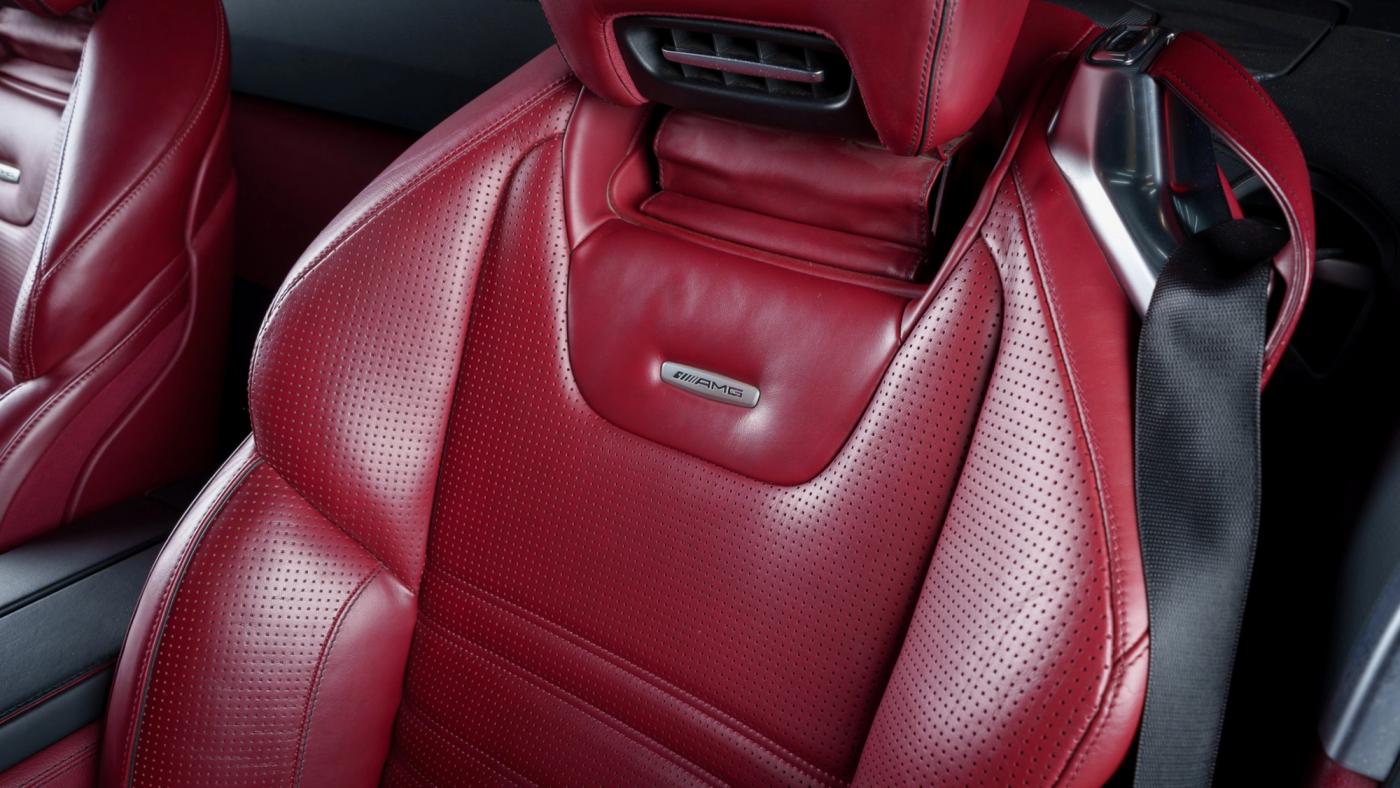
UV doesn't care that the clear coat on your S-Class came out of a factory known for paint quality. Sun exposure breaks down clear coat over time, fades leather, and can crack open-pore wood trim and ambient lighting components after enough cycles of heat and light. It's slow, cumulative damage. You won't see it after one week outside. You'll see it after two summers.
Water does its own kind of damage, just faster in some ways. Rain, dew, and road grime sitting on body panels overnight accelerates clear coat etching, and it promotes corrosion right at the trim seams and badge edges where moisture likes to collect and just sit.
The S-Class also has more surface area working against it than a typical sedan. Long, low hood and trunk lines plus large glass areas mean more flat space exposed to pooling water and direct sun than you'd get on a smaller or more upright car. Water doesn't run off as efficiently on those long flat panels, and the glass takes a beating from UV with nothing in between.
This is where a generic universal cover usually lets you down. It's cut to "fit" a size range, not your car, so it tends to leave gaps at the mirrors, around the antenna, and across the rear deck. Those gaps are exactly where water gets in and where UV keeps working on exposed panels underneath. A custom-fit car cover closes those gaps instead of leaving them to chance.
Waterproofing: What Actually Keeps Rain and Snow Out

Not every cover labeled "waterproof" actually is. There's a real difference between water-resistant (fine for light drizzle) and fully waterproof (holds up through sustained rain, snow, and sprinkler spray). If your S-Class lives outside, you need the second category. Water-resistant just isn't built for it.
Good outdoor covers use multi-layer breathable fabrics. The outer layer sheds rain and snow, while the inner layers stay breathable enough to let trapped moisture vapor escape. That matters more than people expect: a cover that seals water out but also seals moisture in just turns into a greenhouse, and you end up with a musty interior and potential mold growth from humidity that never had anywhere to go.
The details that separate a genuinely waterproof cover from a tarp with delusions of grandeur are seam-taping and underside coating. Seams are the weak point on any cover. If they're not taped or sealed, water finds its way through the stitching no matter how good the main fabric is. An underside coating adds another layer of resistance against moisture wicking up from below, which matters when the cover's draped over a wet car to begin with.
Here's a simple way to check: pour a small amount of water on the fabric and watch what happens. If it beads up and rolls off, you're looking at real waterproofing. If it soaks in or darkens the fabric, it's not what it claims to be. Worth doing before you buy, and worth repeating occasionally after, since waterproof coatings do wear down over years of use.
One more thing worth saying plainly: vinyl or tarp-style covers are often worse than no cover at all. They don't breathe, so they trap condensation directly against the paint. You end up with a car that's wet under its cover every morning, which is the opposite of the point. For more detail on breathable outdoor fabrics, the waterproof car cover guide walks through how the layering actually works, and this breakdown of waterproof fabrics covers the material science behind it.
UV Protection: Stopping Sun Damage on a Luxury Finish
Waterproofing gets most of the attention, but UV protection is just as important, maybe more so for a car like the S-Class where fading leather or cracked wood trim is expensive to put right. UV-stabilized outer fabrics have coatings built specifically to block fading and oxidation. Plain woven fabric without that stabilization degrades fast outdoors, often within a season or two, and it stops protecting the car long before it looks obviously worn.
Dark-colored covers in direct sun create their own problem: heat buildup underneath. In hot climates, that trapped heat can work against you almost as much as direct sun exposure would. Reflective or lighter-colored outer layers help here, bouncing more heat away instead of absorbing it and holding it against the car's surface all day.
UV protection isn't just about the car, either. It's also what keeps the cover itself from breaking down. Cheap covers without UV stabilization get brittle fast; that's why you see so many cracked, torn, flapping car covers after a single summer outside. The fabric itself is a casualty of the same sun it's supposed to be blocking.
The two properties need to work together. A cover with great waterproofing but weak UV resistance still lets sun damage happen. A cover with strong UV protection but poor waterproofing still lets rain in. You need both ratings, not just one, which is really the whole point of shopping specifically for an outdoor car cover rather than treating all covers as interchangeable.
Choosing the Right Outdoor Cover Tier for Your S-Class
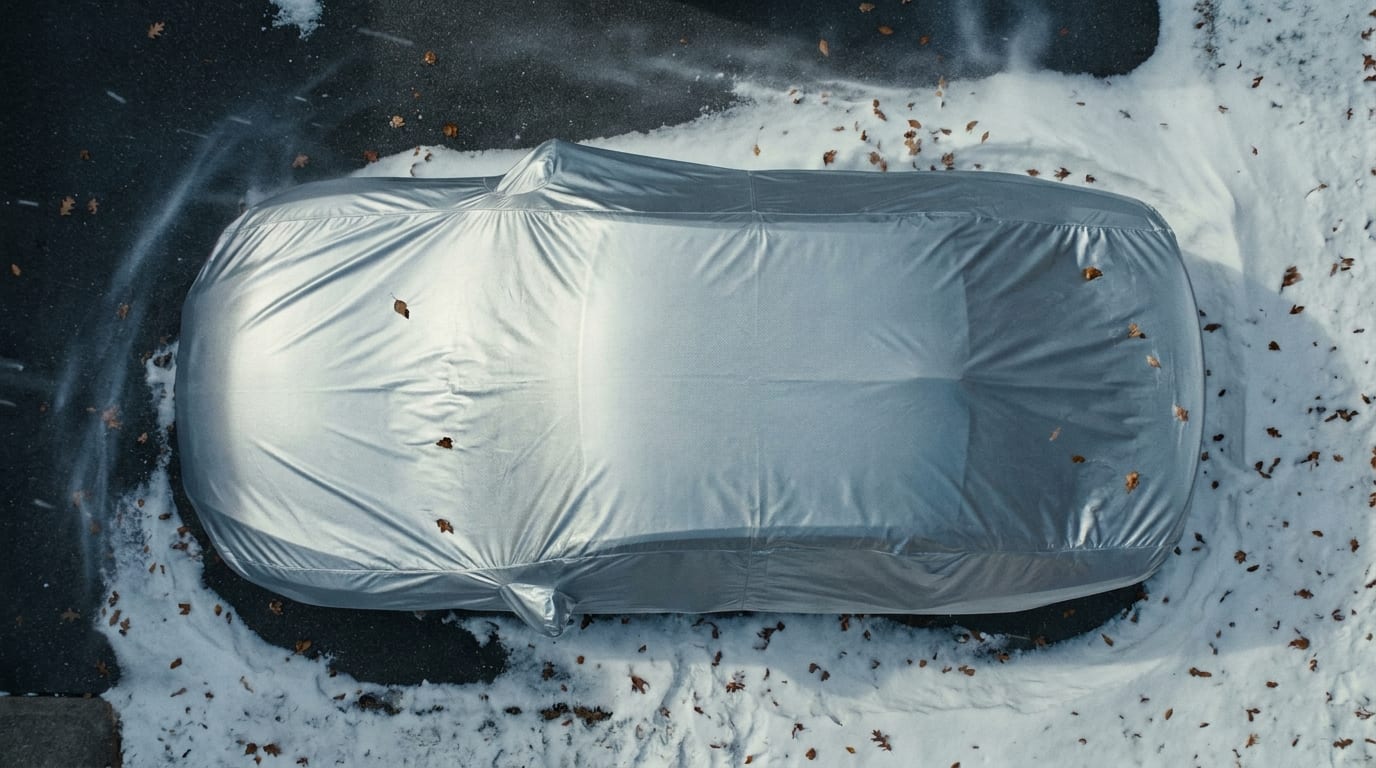
Not every S-Class owner needs the same level of protection, and tier should match your actual conditions, not just your budget ceiling.
| Tier | Waterproofing | UV resistance | Best for |
|---|---|---|---|
| Entry-level outdoor | Basic, handles moderate rain | Lower | Mild, mostly dry climates |
| Mid-tier outdoor | Fully waterproof, multi-layer fabric | Stronger UV-stabilized coating | Parking outside most of the year, mixed weather |
| Premium/top tier | Heaviest waterproofing, built for snow | Highest UV rating | Year-round outdoor storage, harsh sun or snow |
The premium tier typically adds a scratch-resistant inner lining too, which matters for an S-Class given how much soft-touch, easily marred surface area it has. That extra lining layer protects the finish from the cover itself during daily use, not just from weather.
The decision rule here is simple: match the tier to how many months per year the car actually sits outside, and how harsh your climate gets, not to whatever's cheapest on the page. An S-Class in Phoenix needs different priorities (heat, UV) than one in Seattle (near-constant rain) or one in Minnesota (snow load and freeze cycles). Buy for your actual weather, not an average one.
Custom-Fit vs Universal: Why Fit Affects Waterproofing and UV Performance
Fit isn't a cosmetic detail. It's functional. A custom-fit cover built for the S-Class's exact dimensions eliminates the billowing and loose fabric that let wind drive rain underneath and expose trim to direct sun through gaps.
Universal covers struggle specifically at the front and rear overhangs. They're cut to a size range, so they tend to leave loose fabric hanging at the bumpers, and that loose fabric becomes a pooling point exactly where water damage tends to start. It's a small design flaw with a big downstream cost.
Proper sizing also keeps the cover anchored in wind. A cover that shifts overnight stops doing its job, UV-blocking fabric slides off panels it's supposed to be covering, and you wake up to sun hitting bare paint anyway. Checking what size car cover fits your vehicle before buying, and pairing the cover with a gust strap system for windy areas, keeps the fit doing what it's supposed to do night after night.
Buyer's Checklist Before You Purchase
A few things worth confirming before you check out:
- The cover is explicitly rated for outdoor use, not indoor/dust-only, and lists both a waterproof rating and a UV protection rating. If a listing doesn't mention UV at all, that's a red flag, not an oversight.
- It includes an elastic hem and grommets for a cable lock, and it's compatible with gust straps for securing it in wind.
- The warranty terms and return policy are clear before you buy. Outdoor covers see the heaviest wear of any cover type, so they're the most likely to need a claim down the road. Check the lifetime warranty on car covers and the no-hassle guarantee before committing.
- Mirror pockets, antenna patch compatibility, and a soft inner lining are all accounted for, so daily installation doesn't risk micro-scratching the clear coat. The installation guide is worth a quick read even before you order, just so you know what you're signing up for.
Protect Your S-Class Year-Round
Two things aren't negotiable here: real waterproofing and UV-stabilized fabric. Everything past that (tier, lining, color) is a judgment call based on your climate and how often the car sits outside.
If you're ready to stop guessing at sizes, enter your S-Class's details and get a guaranteed custom fit instead of hoping a universal cover happens to work. Compare tiers, check the warranty coverage, and pick the cover rated for the weather you actually deal with. And if you want more on keeping a cover performing season after season, our articles on car care and cover maintenance are worth a bookmark before winter hits.
