
Best Outdoor Car Cover for Nissan Frontier: Waterproofing & UV Protection Guide
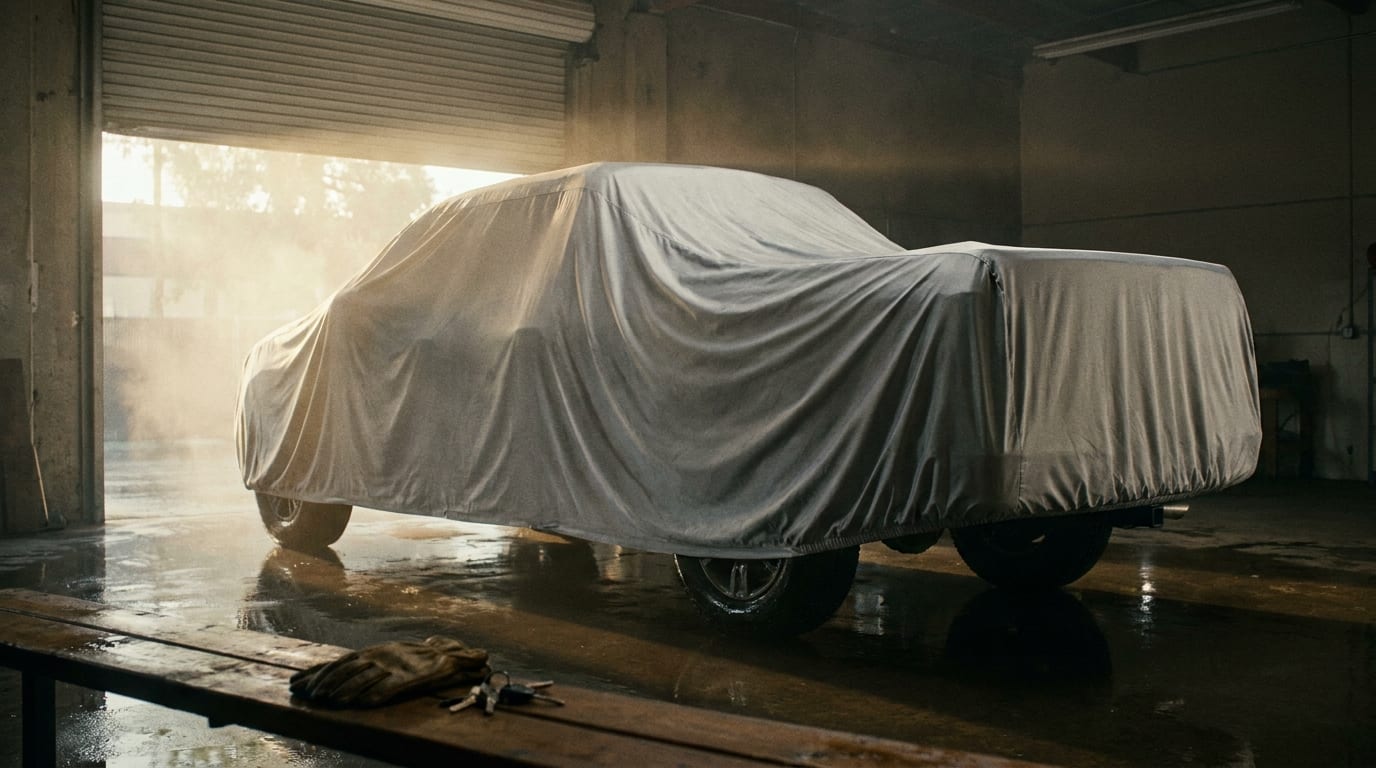
Nissan Frontiers spend more time outside than most trucks on the road. Jobsite parking, driveways with no garage, gravel lots behind a shop, that's the reality for a lot of owners. If you're shopping for an outdoor car cover for Nissan Frontier trucks, you're probably past the point of wondering whether you need one and onto figuring out which one actually holds up. Good instinct. Not all covers marketed for trucks are built for real weather, and the difference shows up fast once your Frontier sits through its first real storm.
Why Your Nissan Frontier Needs a Real Outdoor Cover
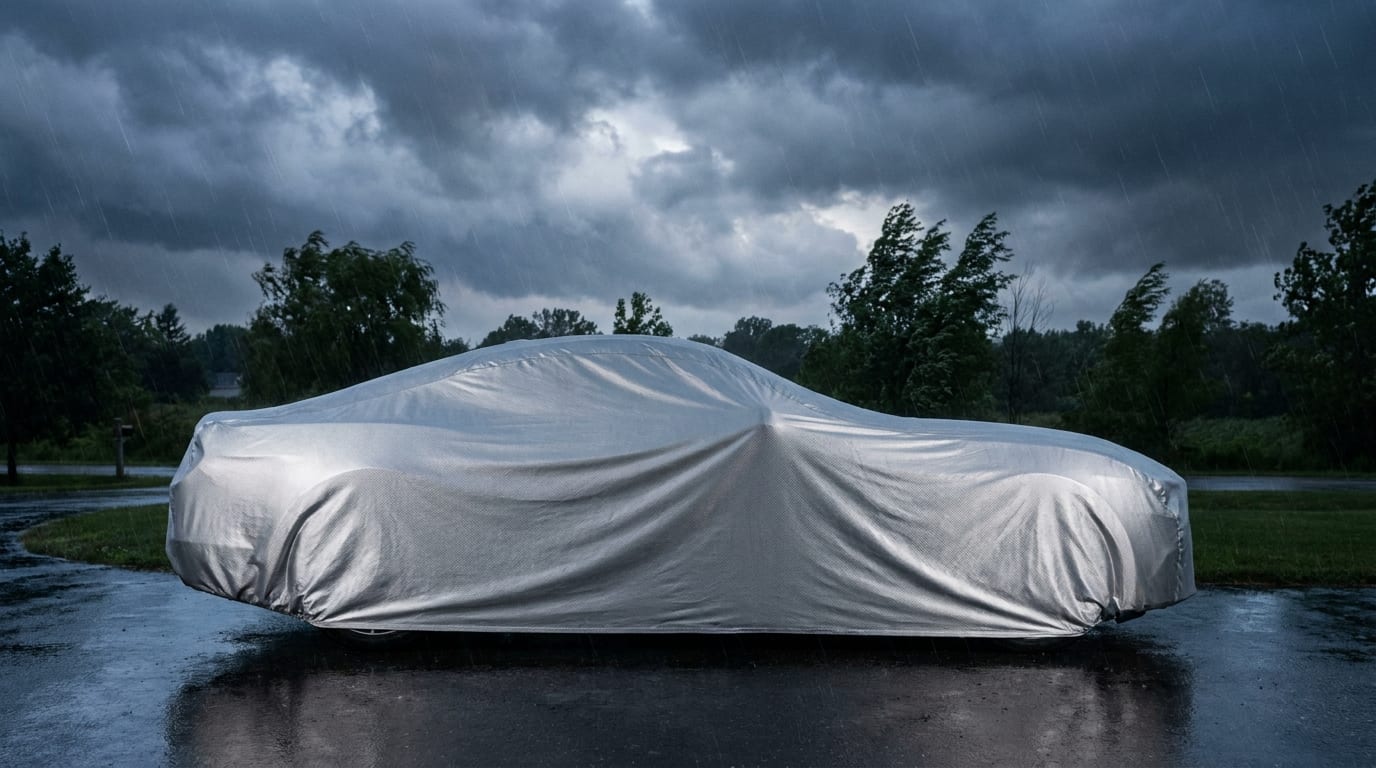
A Frontier has a lot more exposed surface than a sedan. The hood is bigger, the roof is flatter, and then there's the bed itself, wide open and catching sun, rain, and whatever's falling out of the trees above it. All that exposure adds up. Clearcoat fades faster on a truck parked outside daily than on a car tucked in a garage, and a bed liner left under direct UV for years starts to crack and chalk.
Owners parking on driveways, jobsites, or gravel lots deal with a specific combination: UV radiation baking the paint, tree sap and bird droppings etching into it, dust working into every seam. A cheap tarp from the hardware store doesn't solve any of that. It traps moisture, flaps in the wind, and tears at the grommets within a season.
There's also a real gap between "water-resistant" and actually waterproof. Water-resistant usually means it'll shrug off a light mist for twenty minutes. Waterproof means it holds up through sustained rain, lawn sprinklers hitting it every morning, and snowmelt sitting on the surface for hours. That difference is the whole point of this guide. We're going to walk through material, UV rating, fit, and which tier of cover actually matches what Frontier owners deal with day to day, so you're not guessing when you check out.
What 'Waterproof' Actually Means in a Cover's Fabric

Most decent outdoor covers use a layered build: an outer shell that repels water, and an inner layer that lets moisture escape rather than pool against your paint. That second part matters more than people think. A cover that's fully sealed on both sides keeps rain out, sure, but it also keeps condensation in. That trapped moisture sits on your Frontier's hood overnight and you end up with water spots or worse, mildew creeping across the fabric itself.
Here's where cheap covers actually fail, by the way: it's rarely the fabric. It's the seams. Water finds the stitching long before it finds a way through solid material, so a cover with sloppy seam-sealing will leak even if the fabric itself is rated for heavy rain. If you're comparing two covers with similar fabric specs, look at how the seams are finished before you look at anything else.
Before buying, check two things. First, whether the listing gives you a hydrostatic rating or at least a plain statement that it blocks sustained rain, not just drizzle. Second, whether it's machine washable without stripping the waterproof coating. A cover you can't clean properly is a cover that degrades faster than it should, especially one sitting outside collecting dust and sap on a weekly basis. For a deeper look at how these waterproof builds work, the waterproof car covers guide breaks down the fabric tech in more detail.
UV Protection: Stopping Fade on Bed, Hood, and Interior
Sun damage doesn't need the engine running. A Frontier parked in direct sun all day, every day, takes a beating on the clearcoat whether it's driven or not. And it's not just the exterior. UV comes through the windshield and side glass too, which is why dash and seat fading happens even on trucks that barely move.
A UV-blocking layer works by reflecting or absorbing that radiation before it reaches the paint underneath. For Frontier owners in sun-heavy states, this isn't a nice-to-have, it's the main job the cover needs to do. Without it, you're looking at oxidized paint and a dash that cracks years ahead of schedule.
One thing people miss: heat buildup under a cover with no UV rating can be just as damaging as direct sun exposure. A dark, non-reflective cover left on all day in a hot climate basically turns into a greenhouse over your hood. If you're in Arizona, Texas, Florida, anywhere with sustained summer heat, look for a lighter-colored or reflective outer shell built specifically for that kind of exposure. For the full technical rundown on balancing UV, wind, and waterproofing in one cover, check the guide to using a car cover outdoors.
Getting the Fit Right for Your Frontier Trim
Frontiers aren't one size. King Cab and Crew Cab have different cab lengths, and short bed versus standard bed changes the overall length the cover needs to span. A cover cut for the wrong combination either bunches up at the tailgate or comes up short and leaves the bed rail exposed. Either way, you've got a gap for wind and water to work through.
This is where a universal tarp falls apart, literally. Generic covers aren't shaped around mirrors or a tailgate line, so they leave slack exactly where wind catches it. That slack turns into flapping, and flapping tears seams over time, even on a cover with decent fabric.
Truck-specific covers solve this with mirror pockets, antenna patches, and grommets positioned for a cable lock, details a generic car cover never includes. Before you order, don't eyeball it against "standard truck dimensions." Run your Frontier's actual trim and bed length through a vehicle-specific sizing lookup so the fit's confirmed, not guessed. If you're not sure which bed length you've got, the pickup truck bed size guide walks through how to check. You can also browse Frontier-specific options directly on the Nissan truck cover page.
Comparing Cover Tiers for Outdoor Frontier Use
Not every Frontier owner needs the same level of protection, and the tier that fits your truck depends mostly on climate and how often it's parked outside.
| Tier | Best for | What you get |
|---|---|---|
| Entry-level outdoor | Mild climates, occasional outdoor parking | Basic waterproofing, lighter fabric, decent UV resistance |
| Mid-tier (Deluxe-style) | Year-round outdoor storage, variable weather | Heavier multi-layer fabric, stronger UV coating, better seam sealing |
| Top tier (Platinum-style) | Harsh climates, coastal or desert exposure | Maximum waterproofing, reinforced UV protection, added abrasion and wind resistance |
If your Frontier only sits outside occasionally and you're in a mild climate, entry-level is fine. Don't overspend there. But if it's parked outside every single day, rain or shine, year-round, the mid or top tier earns its price difference in actual protection, not marketing. Coastal salt air and desert sun both chew through lighter covers fast. Match the tier to your actual conditions instead of defaulting to whatever's cheapest on the page. The outdoor car covers overview breaks down these tiers in more depth if you want to compare specs side by side, and the full truck covers lineup shows how these tiers apply across different models.
Installing and Securing Your Cover on a Truck
Trucks catch more wind than sedans, plain and simple. All that extra surface area means an outdoor car cover for Nissan Frontier needs real tie-downs, not just a snug fit. A cable lock through the grommets keeps the cover anchored and deters anyone thinking about messing with it, while wind straps stop the fabric from ballooning in gusts.
Securing it properly takes a few extra minutes: cinch the front at the cab, run the strap under the bed, and make sure the mirror pockets are seated so they're not catching wind like little sails. Skipping this step is how covers wear out early. Flapping fabric rubs against itself and against the paint, and that friction adds up over months outside.
If your cover has a flat section over the bed, a support pole underneath helps prevent water from pooling there after rain, which saves the fabric and keeps standing water off your tailgate. For the full walkthrough, check the installation guide for wind straps, the cable lock installation steps, and the truck support pole installation guide.
Keeping Your Cover Working: Care and Replacement Basics
A waterproof coating isn't permanent if you treat the cover badly. Stick to mild soap, skip the harsh detergents, and let it air dry completely before folding it back up. Folding a damp cover is how mildew gets started, and once that sets in, it doesn't come out.
Watch for a few warning signs that it's time to replace: coating that's flaking or peeling off the fabric, seams starting to separate, or UV fading visible on the cover itself rather than just your paint. Once the fabric's compromised, it's not protecting anything, it's just sitting there. For the exact wash steps that won't strip the waterproof layer, the car cover cleaning guide walks through it step by step.
Choosing and Buying the Right Cover for Your Frontier
Before you check out, run through this: confirm your trim and bed length match the cover's sizing, pick a tier based on how harsh your local climate actually is, and double-check the waterproof and UV specs line up with where your truck actually parks. Skipping any one of those three is how people end up with a cover that doesn't fit or doesn't hold up.
Warranty coverage is worth a look too. A cover backed by a lifetime warranty says something about how confident the maker is in their own stitching and fabric.
If you want to stop guessing and just see what fits, pull up your exact Frontier through the cover finder and compare your options directly. And if you're still unsure about sizing, there's a no-hassle guarantee that takes the risk out of ordering before you've seen it on the truck. Worth a look before you commit either way, and if you want more guides like this one as you get your Frontier set up for outdoor storage, it's worth poking around the rest of our car cover articles too.
