
Best Outdoor Car Cover for Nissan Titan: Waterproofing & UV Protection Guide
The Nissan Titan isn't a small vehicle, and that matters more than most owners think when it comes to picking a cover. A full-size truck has a lot more hood, bed, and tailgate exposed to the elements than a sedan ever will, which means more square footage soaking up rain, sun, and road grime every single day it sits outside. If your Titan lives in a driveway or a parking lot rather than a garage, the buying decision comes down to one thing: you need a cover built with layered waterproofing and UV-rated fabric, not a thin dust sheet meant for indoor storage. This guide walks through what an outdoor car cover for Nissan Titan needs to actually do its job, the two failure modes it has to prevent (water getting in, and UV slowly wrecking your paint and trim), and how to pick the right tier for where you live.
A Titan parked outside occasionally is a different animal than one parked outside full-time. If yours falls into the second category, keep reading, because the stakes for picking the wrong cover are higher than people expect.
Why Waterproofing Matters for a Truck Parked Outdoors

Rain doesn't just hit a Titan and run off. It sits. Hood seams, bed rail edges, exposed hardware around the tailgate latch, all of it holds moisture for hours after a storm passes, and that's exactly where rust starts. Sprinkler overspray does the same thing on a smaller scale, day after day, which adds up faster than most owners realize.
Here's the part that trips people up: a cover that keeps rain out isn't automatically a good cover. If the material doesn't breathe, moisture gets trapped underneath it, and you end up with mold and mildew forming on the paint, sometimes migrating to interior surfaces if any seals have gaps. A non-breathable cover can actually make things worse than no cover at all in humid climates.
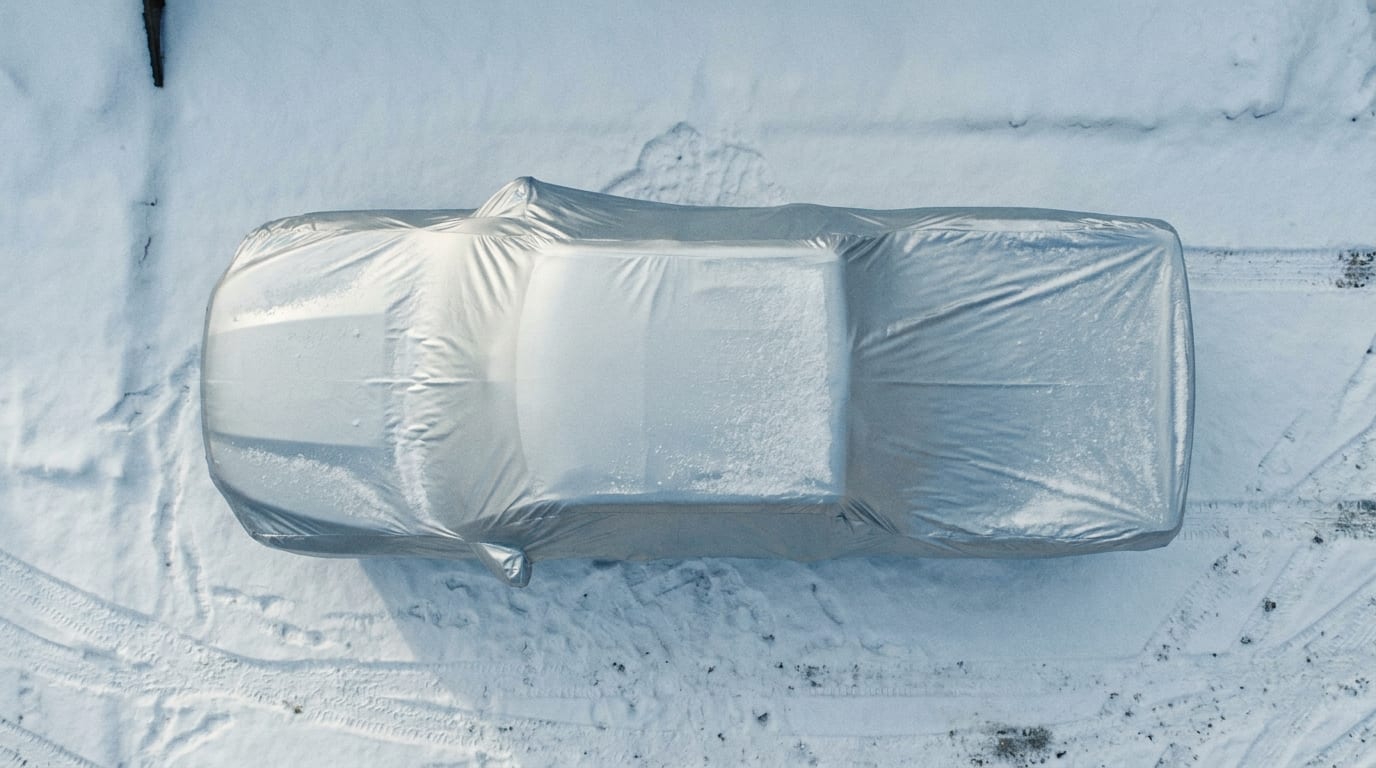
Snow adds another wrinkle specific to trucks. A Titan's flat hood and wide bed collect standing snow instead of shedding it the way a sloped sedan roof does. A thin, single-layer cover can fail at the seams under that kind of weight, and once a seam goes, water finds its way in everywhere.
The fix is multi-layer construction: a water-resistant outer shell that sheds rain and snow, paired with a breathable inner layer that lets condensation and vapor escape instead of getting sealed against your clear coat. That combination is really the whole game when you're shopping for a waterproof car cover built for outdoor use rather than garage dust protection.
UV Protection: Stopping Sun Damage on Paint and Interior
Sun damage is quieter than rain damage, but it's just as expensive to fix. A Titan parked outside all day, every day, takes a slow beating from UV rays that fades clear coat and dries out interior dash plastic faster than most owners notice until it's obvious.
Not all cover fabric handles this the same way. UV-stabilized treatments are built into the fabric to block harmful rays before they reach the paint, which is a real step up from uncoated, budget universal-fit covers that weren't designed with sun exposure in mind. If a cover doesn't mention UV treatment at all, assume it wasn't built for this.
There's a compounding effect worth knowing about too. Heat buildup under the hood on a sun-baked day, combined with UV exposure on exterior rubber seals and gaskets, speeds up cracking and brittleness. It's not just paint at risk, it's every rubber component on the exterior of the truck.
None of this is cosmetic nitpicking, either. A Titan with faded paint and cracked trim looks older than it is, and that shows up at resale. Keeping the factory finish intact with proper UV protection is one of the cheaper ways to protect what you paid for the truck in the first place.
What to Look for in an Outdoor Cover for a Nissan Titan
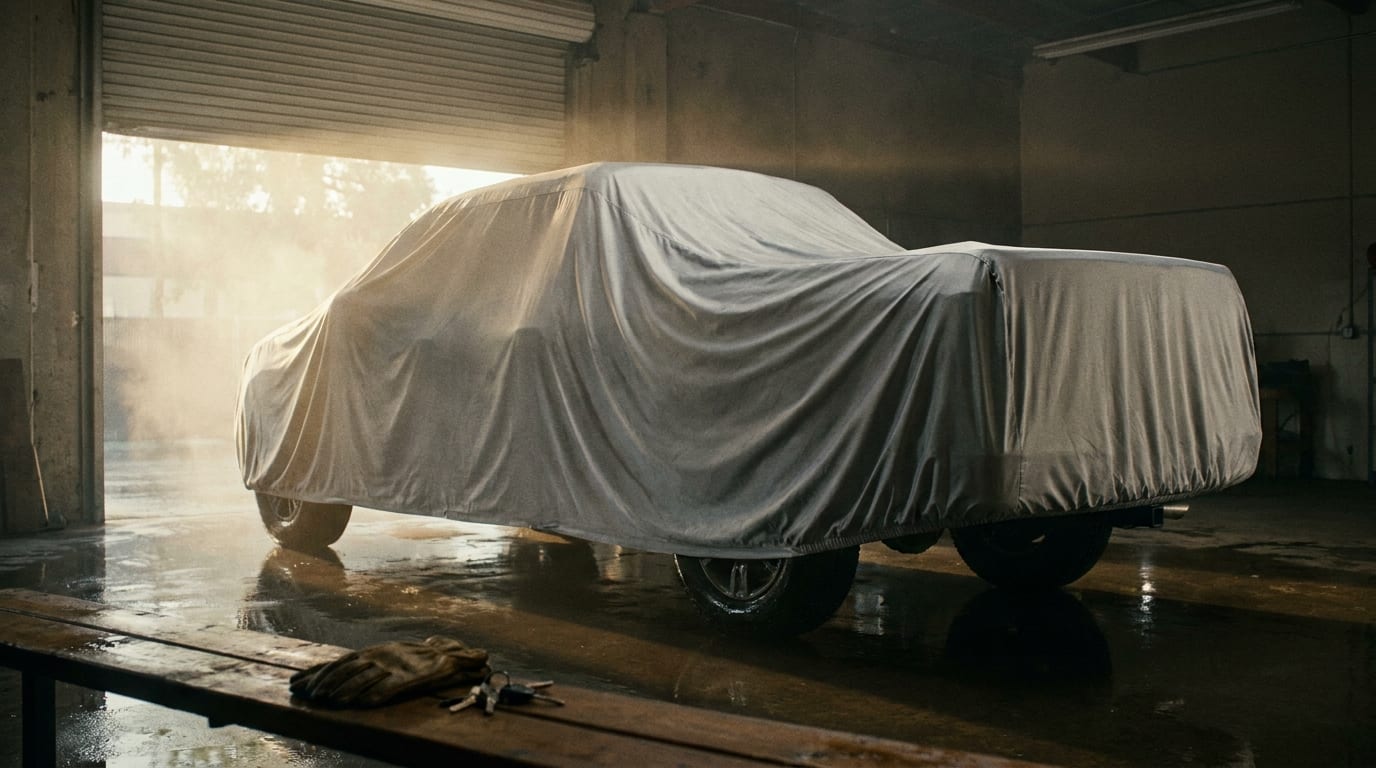
A few things separate a cover that actually works outdoors from one that just gets the job half done.
Fit precision. A loose, generic-fit cover flaps around in wind, and that constant movement grinds fabric against paint over time, which defeats the purpose of covering the truck at all. A Titan-specific or accurately-sized cover sits snug and stays put. Check what size car cover fits your vehicle before buying anything, since Titan trim years and cab configurations vary enough to matter.
Material weight and layering. Outdoor fabrics trade a bit of flexibility for serious waterproofing and UV resistance. That's a fair trade. A single-layer indoor cover is lighter and easier to handle, but it won't hold up outside for more than a season or two.
Securement features. Elastic hems, grommets for a cable lock, and included wind straps keep the cover anchored when weather turns. Skip these and you're relying on gravity and luck during a storm.
Bed and mirror pocket design. The Titan's bed length and mirror placement need to be accounted for in the pattern, or you'll get bunching at the tailgate and gaps around the mirrors where water and dust sneak in. Check pickup truck bed size differences if you're unsure how your Titan's configuration affects cover fit.
Breathability rating. This ties back to the waterproofing section: airflow built into the fabric is what keeps moisture from getting sealed against the paint. A cover that's fully waterproof but not breathable is solving one problem by creating another.
For a deeper rundown of what outdoor-specific covers need to handle wind, waterproofing, and UV all at once, the guide to using a car cover outdoors covers it in more depth than this section can.
Comparing Cover Tiers for Different Outdoor Conditions
Not every Titan owner needs the same level of protection, and matching the tier to your actual conditions saves you from both overspending and under-protecting.
| Tier | Fabric | Best for |
|---|---|---|
| Light/moderate | Lighter water-resistant fabric, single or thin double layer | Mild rain, moderate sun, occasional outdoor parking |
| All-weather mid | Added waterproof layer plus UV treatment | Daily outdoor parking in mixed climates with regular rain |
| Premium all-weather | Thickest multi-layer construction, UV-stabilized coating, reinforced seams | Year-round outdoor exposure, snow and hail-prone regions |
The light tier works fine if your Titan spends most of its life in a garage and only sees outdoor weather now and then. It's not built for sustained storms or snow load, and pushing it past its limits just means replacing it sooner.
The mid tier is where most daily outdoor parkers land. It handles regular rain and sun without issue, and the UV treatment keeps paint protected through normal seasonal cycles.
The premium tier earns its price if you're in a region with real winters, hail risk, or your Titan simply never sees a garage. Reinforced seams matter here specifically because that's where thinner covers fail first under snow weight or wind stress.
The decision rule is simple: match the tier to how many months a year the Titan sits outside and how rough your local weather actually gets, not to whatever's cheapest on the page. Browse the full lineup on the truck covers page to compare tiers side by side.
Installing and Maintaining Your Titan's Outdoor Cover
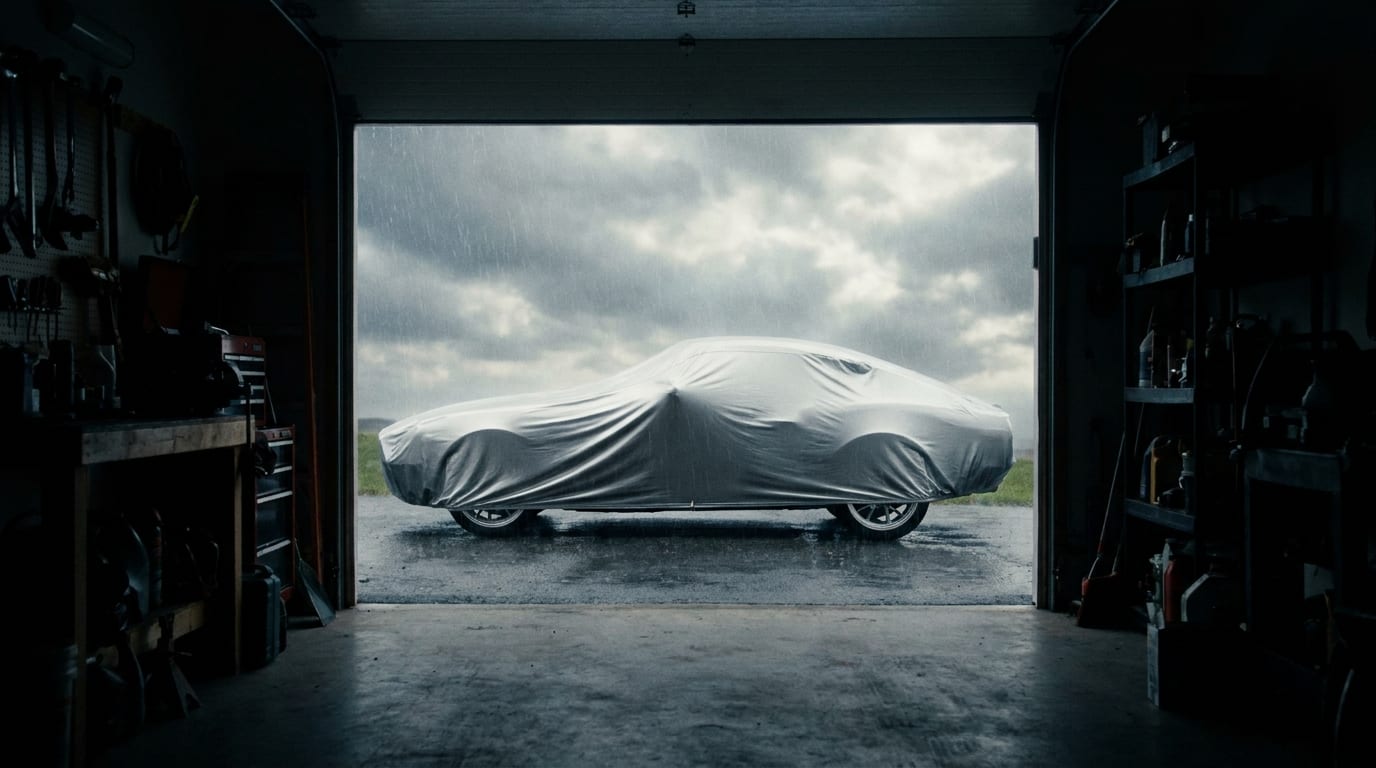
Installation order matters more than people assume. Start at the front, work toward the back, and secure your straps or cable lock before you let the wind straps take any tension. Doing it out of order usually means re-adjusting the whole thing anyway.
Pay attention to where the grommets and straps sit against the body. If they rub the same spot every single day, that's a wear point in the making, and it'll show up as a dull patch or scuff eventually. Rotate the cover's position slightly if you notice this happening.
Cleaning isn't optional if you want the waterproofing and UV coatings to last multiple seasons. Dirt and grit that sit on the fabric get ground in every time the cover flexes in wind, which wears down the coating faster than UV exposure alone would. The guide to cleaning a car cover has the specifics, but the short version is: don't let dirt sit for months at a time.
Check in on the cover after major storms and again before winter sets in. Confirm straps are still snug, and look closely at stress points (seams, grommet edges) for any tears starting. Catching a small tear early is a lot cheaper than replacing the whole cover later. For the install itself, the simple guide to car cover installation and the wind strap installation guide cover the mechanics step by step, and if you're dealing with a particularly exposed parking spot, the truck support pole installation guide is worth a look too.
Get the Right Fit for Your Titan and Buy with Confidence
Pick the tier that matches your climate and how often the Titan actually sits outside. That's the whole decision. If your truck lives outdoors full-time, the cheapest cover on the shelf isn't saving you money, it's just delaying a replacement purchase by a season.
CarCovers backs its outdoor covers for the Titan with a no-hassle guarantee and lifetime warranty coverage, which takes a lot of the risk out of trying a given tier. If it doesn't hold up the way it should, you're not stuck with it.
Head to the Nissan truck cover page to see Titan-specific fit options and find the tier that matches your weather.
Measure your Titan, pick a tier, and get it covered before the next storm or stretch of hard sun does any more damage. And if you want more guides like this one on keeping your truck in shape, the CarCovers articles section is worth bookmarking for next time.
