
Best Outdoor Car Cover for Toyota Highlander: Waterproofing & UV Protection Guide

Why Your Toyota Highlander Needs a True Outdoor Cover
Park a Highlander outside every day and two spots take the beating first: the massive windshield-to-liftgate glass area, and the painted plastic on the roof rails and mirror caps. That plastic doesn't age like sheet metal. It chalks, fades, and goes dull years before the paint around it does. If you've noticed your roof rails looking rougher than your doors, that's why.
A generic "universal" cover doesn't fix this. Those tarp-style covers are cut from flat fabric with no regard for a Highlander's actual body lines, so they flap in the wind, pool water in the roof channel, and abrade the clear coat right where it's already vulnerable. A purpose-built outdoor car cover for Toyota Highlander owners is cut and weighted for this exact shape, with fabric chosen for breathability and water-shedding rather than just cheap yardage.
This guide is written for people who park outside most of the year, driveway, street, apartment lot, not for someone tucking a car away for winter storage once a season. If that's you, two specs matter more than anything else on the label: a genuinely waterproof or water-resistant fabric rating, and a UV-stabilized coating. Everything else (grommets, straps, antenna patches) is secondary to those two.
What to Look for in a Waterproof Cover for the Highlander
"Water-resistant" and "waterproof" get used interchangeably in marketing copy, and they shouldn't be. Water-resistant fabric slows moisture down. Waterproof fabric, with properly taped or bound seams, stops it. On a vehicle with as much flat roof surface as the Highlander, that difference shows up fast during a real downpour, because seams are where water finds a way in first, not the fabric itself.
Multi-layer woven fabric matters here too. A good outdoor cover uses a breathable inner layer against the paint and a tighter, water-shedding outer layer facing the weather. That combination is what stops condensation from getting trapped under the cover on the Highlander's wide roof panel, which is exactly the kind of moisture that causes water spotting and, over time, dulls clear coat. A single-layer cover doesn't breathe the same way, and you'll notice it as a damp film under the cover on humid mornings.
Want a quick visual check before you buy? Look for water beading up on the surface, not soaking in or pooling. Beading means the coating is doing its job. Pooling or dark wet patches mean the fabric is absorbing water it should be shedding, and that's a fabric that's going to fail in a real storm, not just a light drizzle.
Grommets, a cable-and-lock system, and a hem that sits snug against the rocker panels round it out. Without them, wind-driven rain wicks up underneath the cover's edge during storms, no matter how good the fabric is. For a deeper breakdown of how these elements work together outdoors, the guide to using a car cover outdoors covers wind, rain, and UV exposure in more depth than we can here. If waterproofing is your main concern, it's worth reading the full waterproof car covers breakdown too.
UV Protection: Stopping Sun Damage Before It Starts
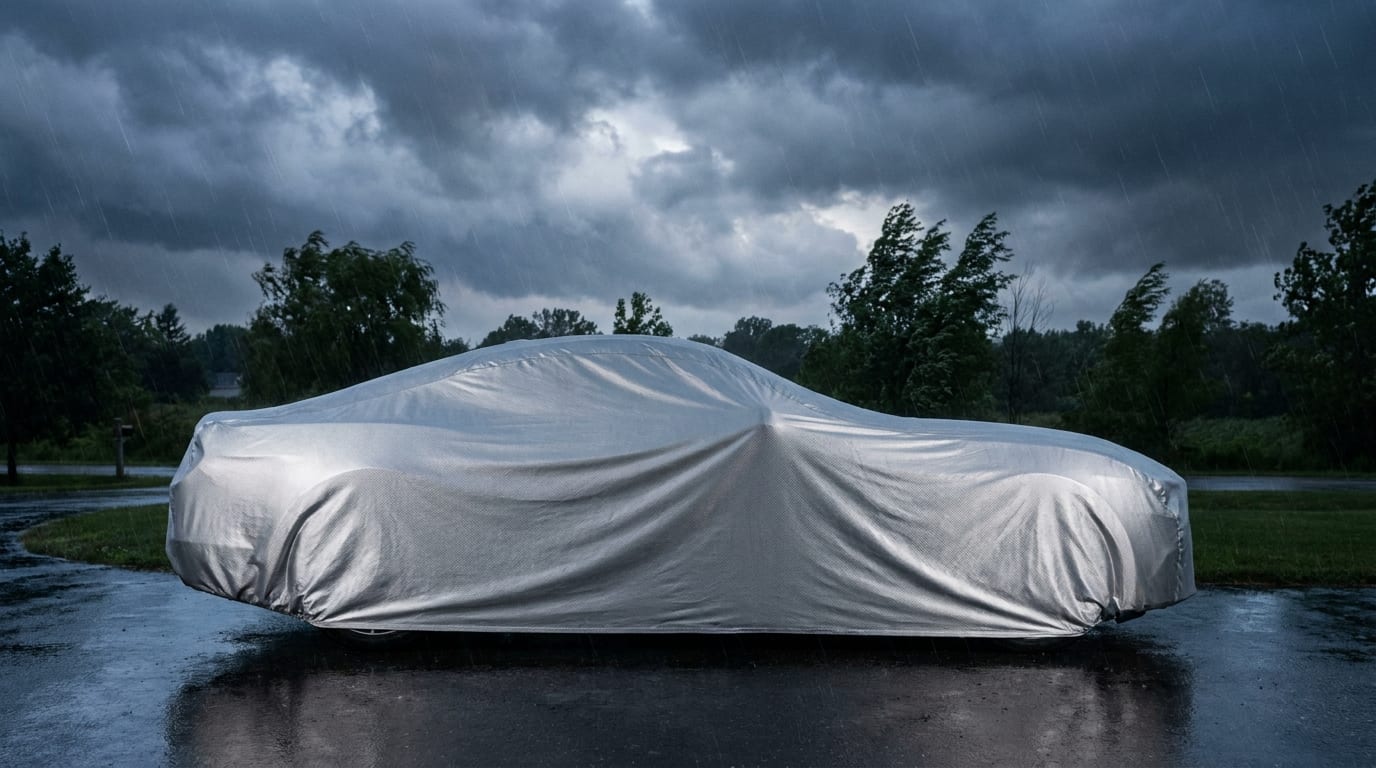
A UV-treated outer shell isn't just about keeping the paint from looking sun-bleached, though that's the visible part. It's blocking the UV exposure that oxidizes clear coat and, indirectly, the heat buildup that cracks dash plastic and dries out interior trim over years of daily sun.
If you're in the Southwest or Southeast, you'll see this play out on the hood and roof specifically, since those are the two panels catching direct sun hour after hour. Owners in milder, cloudier climates can sometimes get away with a lighter-duty cover. Owners in Phoenix or Tampa really can't.
Here's the tradeoff nobody advertises well: heavier UV-blocking fabric is often less breathable. Load up on sun protection without matching ventilation design, and you trap heat and moisture underneath the cover instead of blocking it, which just trades one problem for another. The better covers solve this with venting or a more open weave in the inner layer, not by just thickening the outer shell.
Before you buy anything marketed as "sun protection," check for an actual UV rating or warranty language backing it up. "Blocks harmful UV rays" on a product page means nothing without a number or a guarantee behind it.
Comparing CarCovers' Outdoor Cover Tiers for the Highlander
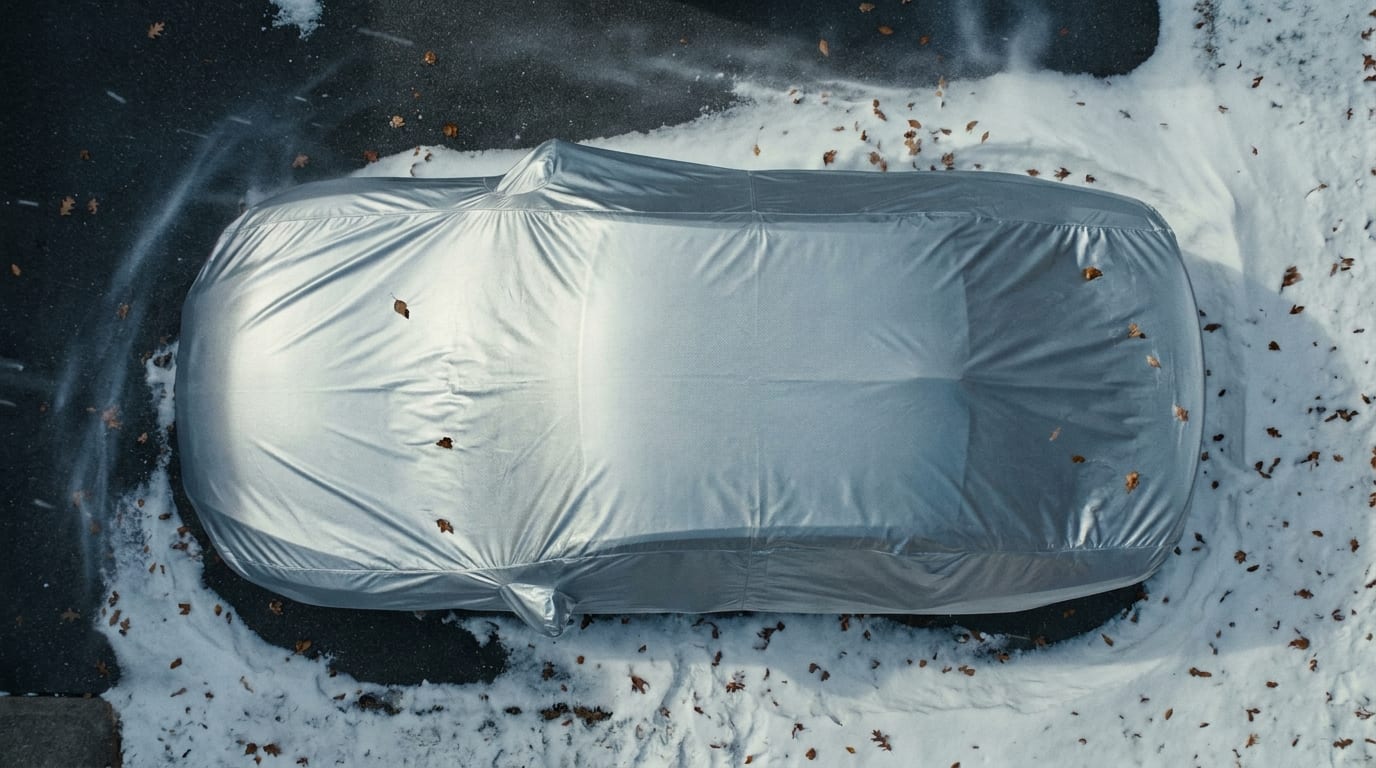
Not every outdoor cover on the market is built to the same spec, and that's true within a single brand's lineup too. Here's roughly how the tiers break down for a vehicle like the Highlander:
| Tier | Waterproofing | UV Protection | Breathability | Included Hardware |
|---|---|---|---|---|
| Entry | Water-resistant single layer | Basic UV-treated shell | Single-layer, higher mildew risk over time | Grommets only, cable/lock sold separately |
| Mid | Fully waterproof multi-layer | UV-stabilized, rated for regular outdoor use | Multi-layer, better airflow | Grommets, cable and lock included |
| Top | All-weather waterproof, reinforced seam taping | Heavy-duty UV-stabilized, year-round rating | Multi-layer with vented design | Grommets, cable and lock, antenna patch included |
The gap between entry and mid tier is mostly about seams and layering, the stuff that decides whether your cover survives its first real thunderstorm intact. The jump from mid to top tier is more about longevity: reinforced seam taping and heavier UV-stabilized coating cost more to produce, but they're what holds up over three or four Southwest summers instead of one.
Price climbs with each tier, which tracks with the added material and construction, not just branding. Warranty length is a decent proxy for how confident the maker is in the fabric's outdoor lifespan: a short warranty on an "outdoor" cover is worth noticing before you buy. It's worth comparing coverage terms against the lifetime warranty on car covers page so you know what's actually being backed up. If you want to see how these tiers stack up against other options on the market generally, the best car cover comparison page and top-rated car covers roundup are both good next reads.
Getting the Fit Right: Sizing and Installation for Highlander
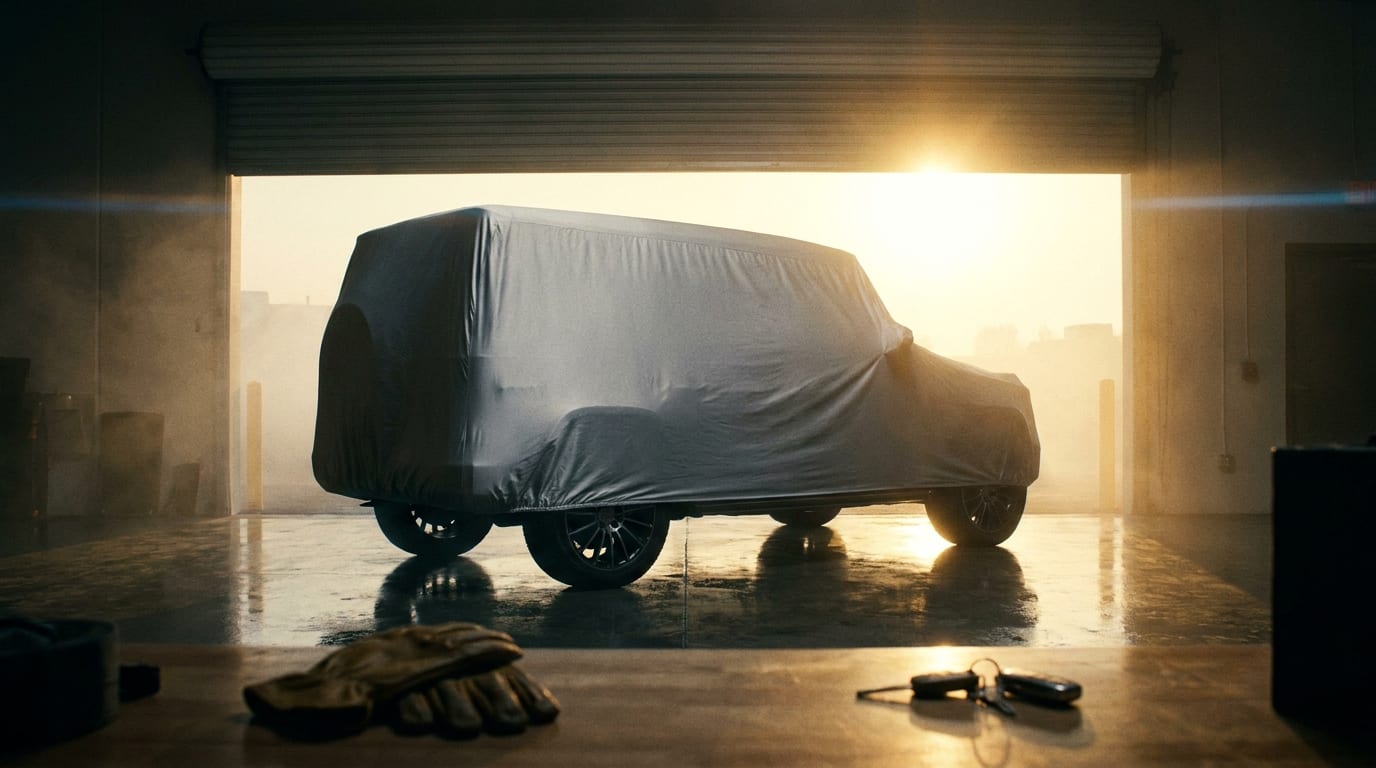
Model year actually matters here. Highlander generations have shifted roof rail height, spoiler shape, and rear liftgate contour more than once, and a cover cut for a 2015 won't sit right on a 2023. Confirm your exact model year before ordering, not just "Highlander" as a general category. The Toyota SUV cover page is the place to check that your year and trim actually match before you buy.
Custom-fit, semi-custom, and universal covers aren't interchangeable choices, they're a tradeoff. Custom-fit hugs the Highlander's actual body lines and minimizes flapping. Semi-custom gets close but leaves a bit more slack around mirrors and bumpers. Universal is the loosest fit of the three, and on a vehicle this size, that slack turns into wind flap fast. If you're unsure what size or fit category applies to your specific trim, what size car cover for my vehicle walks through how sizing actually works before you commit to an order.
Fit isn't just about looks, either. A properly fitted cover reduces wind flap, and wind flap is what wears down waterproof coatings early, since it's constant friction against the exact same spots. Loose universal covers age faster for this reason alone, regardless of what the fabric spec sheet says.
If you're in a windy area, gust straps are worth adding. They cinch the cover down at pressure points so it doesn't lift or shift overnight, which matters more than people expect until they've had a cover blow half off in a storm. The gust strap installation guide covers the setup in a few minutes.
Keeping Your Cover's Waterproofing and UV Coating Working Long-Term
Cleaning a waterproof cover wrong is how you strip the coating you paid for. Mild soap and water, soft brush, air dry. Skip the harsh solvents and skip the machine dryer entirely, since heat breaks down the water-repellent finish faster than sun exposure does. The full process is laid out in the cover care and cleaning guide, and it's worth following exactly rather than winging it with whatever's under the sink.
Check the high-friction points every few months: mirror pockets and wheel well edges. That's where waterproofing typically fails first, since those spots take the most rubbing and stretching every time you put the cover on or take it off.
And when the cover's not on the car, don't just wad it up in the garage corner. Fold it dry and store it somewhere ventilated. A damp cover stored folded up is a mildew problem waiting to happen, and mildew degrades the water-repellent finish from the inside out, which defeats the entire point of buying a waterproof cover in the first place.
Final Decision: Which Outdoor Cover Fits Your Highlander and Climate
Keep the decision simple. Mild, dry climate: a mid-tier waterproof cover is genuinely enough. Heavy rain, snow, or intense year-round sun: spend up for the top-tier all-weather option with reinforced seams. Trying to save money on fabric tier in a harsh climate just means replacing the cover sooner, which costs more in the long run anyway.
Fit and fabric tier work together, not separately. A top-tier waterproof fabric on a loose, ill-fitting universal cover still flaps, still wears at the mirror pockets, still lets water wick in at the edges. The spec sheet only means something once the cover actually sits right on the car.
Before you buy, confirm your exact Highlander fit through a vehicle-specific finder rather than guessing off a generic size chart. And if you want more buying guides like this one as you shop, it's worth subscribing or browsing a few related reads before you decide.
