
Best Outdoor Car Cover for Volkswagen Golf: Waterproofing & UV Protection Guide
Why Your Volkswagen Golf Needs a Dedicated Outdoor Cover
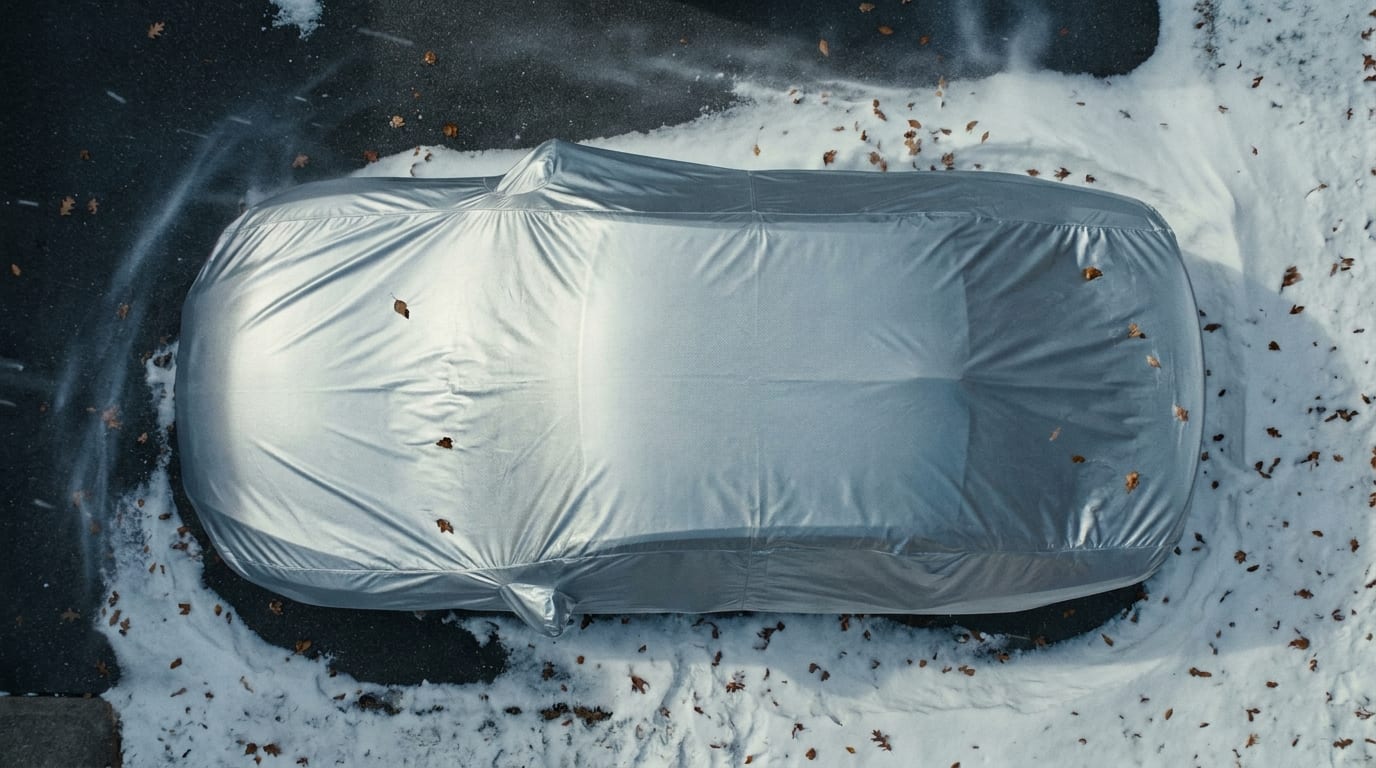
Most Golfs aren't babied in a heated garage. They're daily drivers, parked on driveways, in apartment lots, or wherever street parking opens up, which means the paint and interior take a beating every single day of the year. Clear-coat fading, water spots that etch into the finish, tree sap, bird droppings, that gritty dust that settles into every panel gap. If any of that sounds familiar, you already know why an outdoor car cover for Volkswagen Golf owners isn't a nice-to-have.
This guide assumes you're past the "do I need a cover" stage and ready to actually pick one. Good. There are two specs that matter more than anything else for outdoor use: waterproofing and UV resistance. Everything else (fit, straps, price tier) is secondary to getting those two right, and that's what the rest of this guide breaks down. If you want a broader primer first, the outdoor car cover buying guide covers the basics before you dive into specifics.
What 'Waterproof' Actually Means in an Outdoor Cover

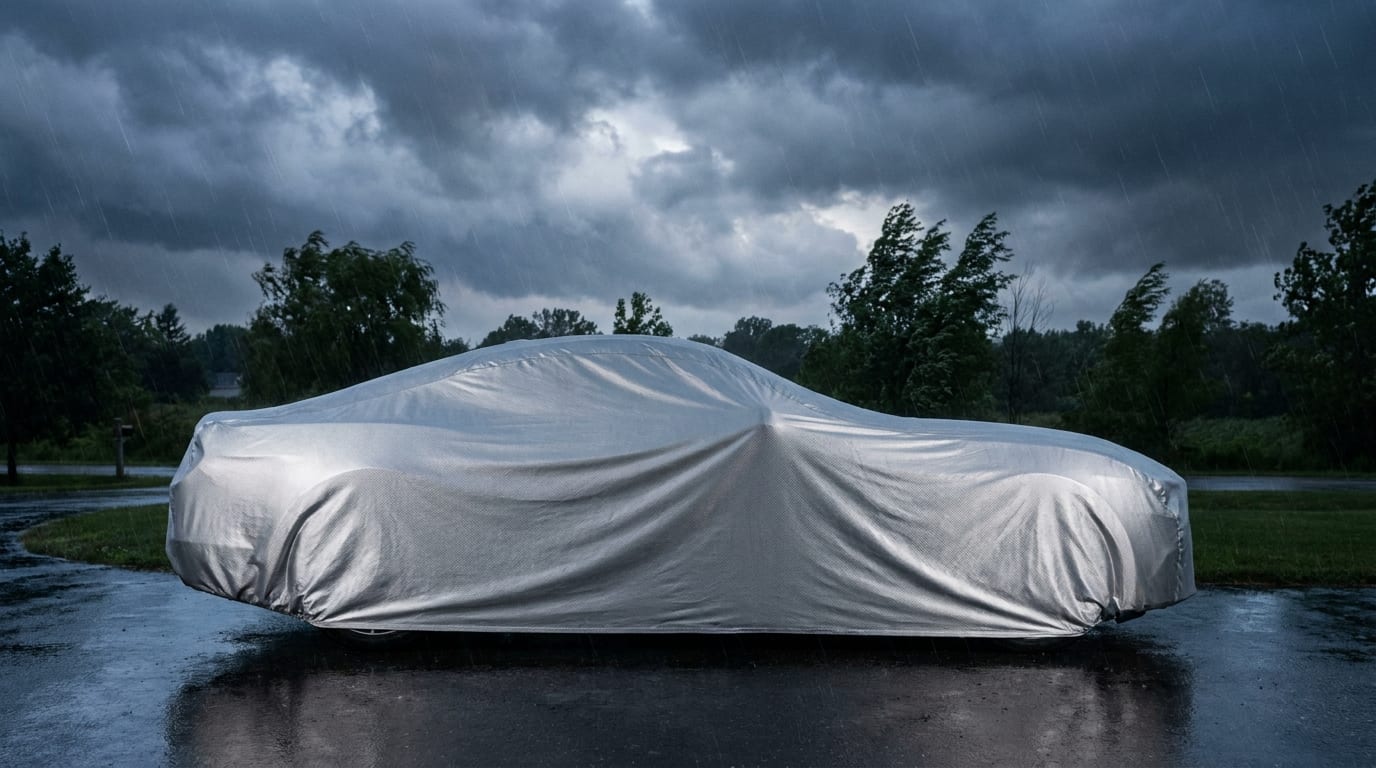
Here's where a lot of buyers get burned. "Water-resistant" and "waterproof" get used interchangeably in product listings, but they're not the same thing. Water-resistant fabric slows water down. Waterproof fabric stops it. If you park your Golf outside in a region that sees real rain, not just the occasional drizzle, resistant isn't enough.
The real differentiator is construction. Multi-layer woven fabrics with taped or sealed seams keep water from wicking through at the stitch lines, which is the single most common failure point on cheap covers. You can have a waterproof main panel and still end up with a soaked hood because the seams leak. Look for a waterproof car cover built with sealed construction, not just a water-repellent coating sprayed onto thin fabric.
Breathability matters just as much, and it's easy to overlook. A cover that's waterproof but doesn't let moisture out traps condensation against the paint, which defeats the purpose. You want water kept out, not water locked in. One quick gut-check before you buy: look for water-beading performance in photos or reviews. If water sheets off instead of beading up, that's a fabric that's already losing its coating.
UV Protection: Stopping Sun Damage on a Parked Golf
Sun does slower, quieter damage than rain, but it's just as expensive to fix. UV exposure fades clear coat over time and makes plastic trim, bumpers, mirror housings, badges, go chalky and brittle. This happens on brand-new Golf model years just as much as older ones. Paint doesn't care how many miles are on the odometer.
Fabric matters here too. A UV-stabilized outer layer resists breakdown from constant sun exposure, while uncoated fabric gets stiff and brittle within a season or two, right around the time it also stops repelling water. The two failures tend to happen together, which is why cheap covers feel fine for a few months and then fall apart all at once.
There's a comfort angle too. A reflective or UV-rated cover keeps heat buildup under the fabric lower, which protects dash plastics and seat material if you're parking in direct sun for hours at a time. For the full picture on how sun, rain, and wind interact outdoors, the guide to using a car cover outdoors walks through all three together.
The takeaway: a cover that only handles one of these jobs isn't built for year-round outdoor use. Waterproofing without UV resistance leaves you with a cover that cracks. UV resistance without real waterproofing leaves you with water spots and trapped moisture. You need both.
Getting the Fit Right for a Volkswagen Golf
Fit matters more outdoors than it does in a garage, and it's not close. A loose cover indoors just sits there. A loose cover outdoors flaps in the wind, and that constant movement abrades the clear coat over weeks and months. It's slow, invisible damage until one day you notice swirl marks you can't buff out.
For a hatchback shape like the Golf, you've got a choice between custom-fit and semi-custom (sometimes called universal-fit) covers. Semi-custom can work for occasional use, but a custom-fit car cover built to the Golf's actual dimensions holds its shape, resists wind lift, and doesn't leave gaps at the hatch or bumper where water sneaks in.
Pay attention to the details that keep wind and water out at the edges: mirror pockets so the fabric doesn't bunch or tear near the mirrors, antenna cutouts if your Golf has a fixed antenna, and elastic hems that cinch snug around the wheel wells. These aren't bonus features, they're what separates a cover that actually works outside from one that just looks like it should. Not sure what size you need? The car cover sizing guide is worth checking before you check out.
Comparing Outdoor Cover Tiers for the Golf
Not every outdoor cover is built the same, and the price difference usually tracks pretty directly with construction quality.
| Tier | Waterproofing | UV Protection | Best For |
|---|---|---|---|
| Entry-level | Water-resistant, single-layer fabric | Minimal or none | Occasional outdoor parking, short exposure |
| Mid-tier | Water-resistant to waterproof, basic coating | Moderate UV resistance | Mixed indoor/outdoor storage |
| Premium | Fully waterproof, seam-sealed | UV-stabilized outer layer | Daily street parking, wet or sunny climates |
The decision rule is simple. If your Golf lives outside full-time in a climate with real rain or strong sun, the premium tier earns its price. If it's outdoor storage a few days a week with garage access the rest of the time, mid-tier usually holds up fine.
Don't ignore the hardware either. Straps, grommets, and cable-lock compatibility matter more on a smaller hatchback than you'd think, since the Golf's shorter body catches wind differently than a sedan or SUV. A cover with no strap points is one gust away from ending up in your neighbor's yard. Before you buy, it's worth a quick scan of top-rated car covers as a final gut-check, and look at whether the listing backs its waterproofing claims with a lifetime warranty, that's usually a decent signal the manufacturer trusts their own fabric.
Installing and Securing Your Cover Properly
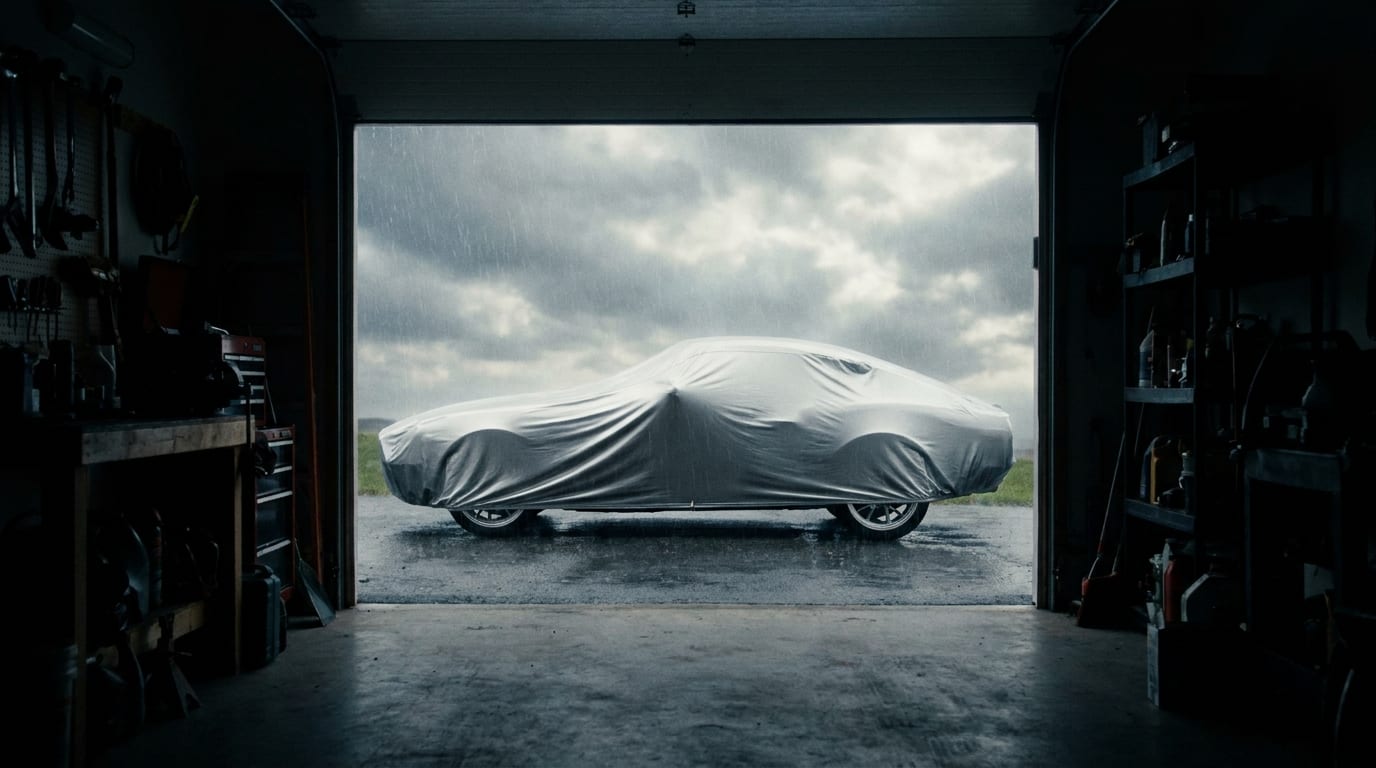
Installation on a hatchback is pretty straightforward once you know the order. Start at the front, work your way back, and secure the mirror pockets first so the fabric doesn't shift out of alignment as you pull it over the roof and hatch. Finish by cinching the hem snug around the bottom edge.
If your Golf sits in an open lot or an exposed driveway, wind lift is the thing that'll wreck your cover fastest. Gust straps run underneath the vehicle and hold the cover down against the body, which stops the flapping that causes paint abrasion in the first place.
Street parking adds a theft angle too. A cover alone won't stop someone determined, but a cable lock threaded through the hem and secured to something solid is a real deterrent, and cheap insurance against someone deciding your cover (or what's under it) looks worth grabbing.
One thing worth saying plainly: most cover damage people blame on "bad fabric" is actually bad tensioning. Pull it too tight and it rubs against high points. Leave it too loose and it flaps. Snug and even, that's the goal.
Maintaining Waterproofing and UV Protection Over Time
A cover's water-repellent coating doesn't last forever, and dirt speeds up its decline. Grime sitting on the surface breaks down the coating faster than normal sun and rain exposure would on its own. A dirty cover is a cover that's quietly failing.
Cleaning cadence doesn't need to be complicated: a rinse and gentle hand wash every few weeks, more often if you're in a dusty or high-pollen area. Skip the washing machine and skip harsh detergents, both will strip the waterproof coating faster than UV exposure ever will. The cover care guide walks through the specific method that won't void the coating.
Check seams and hems each season, before winter and again before summer. A small tear at a seam is a quick fix. Ignored, it's where water gets in and ruins the whole point of having a waterproof cover. Taking care of the fabric this way also stretches the UV coating's working life, not just the waterproofing, since both degrade from the same buildup of grime and neglect.
Final Decision: Choosing and Buying with Confidence
Two things matter more than anything else here: verified waterproofing with sealed seams and breathable fabric, and a UV-stabilized outer layer that won't go brittle after one summer. Get those right, in that order, and everything else (straps, pockets, hems) is just refinement.
If you're still unsure about fit or performance once the cover arrives, a solid warranty and return policy should take the risk off the table. A cover that doesn't perform the way it's described shouldn't be a cost you eat.
If you've read this far, you're probably ready to stop comparing and start protecting your Golf. Take a look at what's available, and don't hesitate to dig into our other guides on cover care and installation while you're at it, your paint will thank you either way.
