
Car Cover Size Chart for Mini Cooper: Find Your Exact Fit

Mini Coopers are small, but "small" isn't a size. If you've gone looking for a car cover size chart for Mini Cooper models and found yourself staring at generic "compact car" measurements that don't mention your specific body style, you're not alone. The Hardtop, Convertible, Clubman, and Countryman all wear the Mini badge, but they're not the same footprint, and a cover that's technically "the right size" on paper can still fit like a tarp thrown over a go-kart. Here's what actually matters before you buy.
The Short Answer: Mini Cooper Falls in the Compact/Small Car Size Class
Most Mini Cooper models, specifically the Hardtop 2 Door, Hardtop 4 Door, and Convertible, land in the smallest universal size bracket. Cover makers usually call this "Compact" or Size Class A, and it generally covers vehicles under roughly 157 inches long. If you drive a standard Hardtop, that's your starting point.
Clubman and Countryman owners need to look one size up. Both are longer and built on a wagon or small SUV platform, which bumps them into "Midsize" or Size Class B territory. The extra length and the taller, boxier roofline change the equation even though they still carry the Mini name.
Here's why this matters before you click "buy": a lot of people search for a car cover size chart for Mini Cooper, see "small car," and assume one size fits every Mini. It doesn't. A cover sized for a generic small-car bracket but built around a different length than your actual model can leave the mirrors exposed, bunch up at the bumper, or ride up short of the hatch. None of those are catastrophic, but they all defeat the point of covering the car in the first place.
Mini Cooper Size Chart by Model
Here's how the lineup breaks down by approximate exterior dimensions and the universal size class each one typically falls under.
| Model | Body Style | Approx. Length (in) | Approx. Width (in) | Approx. Height (in) | Recommended Universal Size Class |
|---|---|---|---|---|---|
| Mini Cooper Hardtop 2 Door | Hatchback | 151 | 68 | 56 | Compact (Class A) |
| Mini Cooper Hardtop 4 Door | Hatchback | 158 | 70 | 56 | Compact (Class A) |
| Mini Cooper Convertible | Convertible | 151 | 68 | 55 | Compact (Class A) |
| Mini Cooper Clubman | Wagon | 168 | 70 | 58 | Midsize (Class B) |
| Mini Cooper Countryman | Crossover SUV | 172 | 71 | 61 | Midsize (Class B) |
A quick footnote: these are manufacturer-published exterior dimensions, and they can shift slightly depending on model year, trim, and whether a car has aftermarket add-ons like wider mirrors or roof racks. Always double check your specific year against the numbers above before you check out.
Why Universal Size Charts Can Still Miss on a Mini Cooper
A universal cover is built to a length and width range, not to the Mini's actual shape. That's the tradeoff you accept with any off-the-shelf cover: it's designed to stretch across a span of vehicles, not hug one specific car's curves, roofline, or mirror pockets.
Two Mini-specific quirks make this more noticeable than on, say, a generic sedan. First, the Convertible's folded soft top sits higher at the rear than a Hardtop's trunk line, so a cover that drapes fine on the hatchback version can pull tight or gap over the folded top. Second, the Clubman's split rear barn doors create a different rear profile than a conventional hatch, which affects how the back of the cover needs to sit and secure.
So a cover that's "correctly sized" by length and width can still sag in the middle, flap around in wind, or leave the lower rocker panels exposed if it isn't cut with the Mini's body in mind. Size class gets you in the right neighborhood. It doesn't guarantee a snug fit.
How to Measure Your Mini Cooper Before Buying
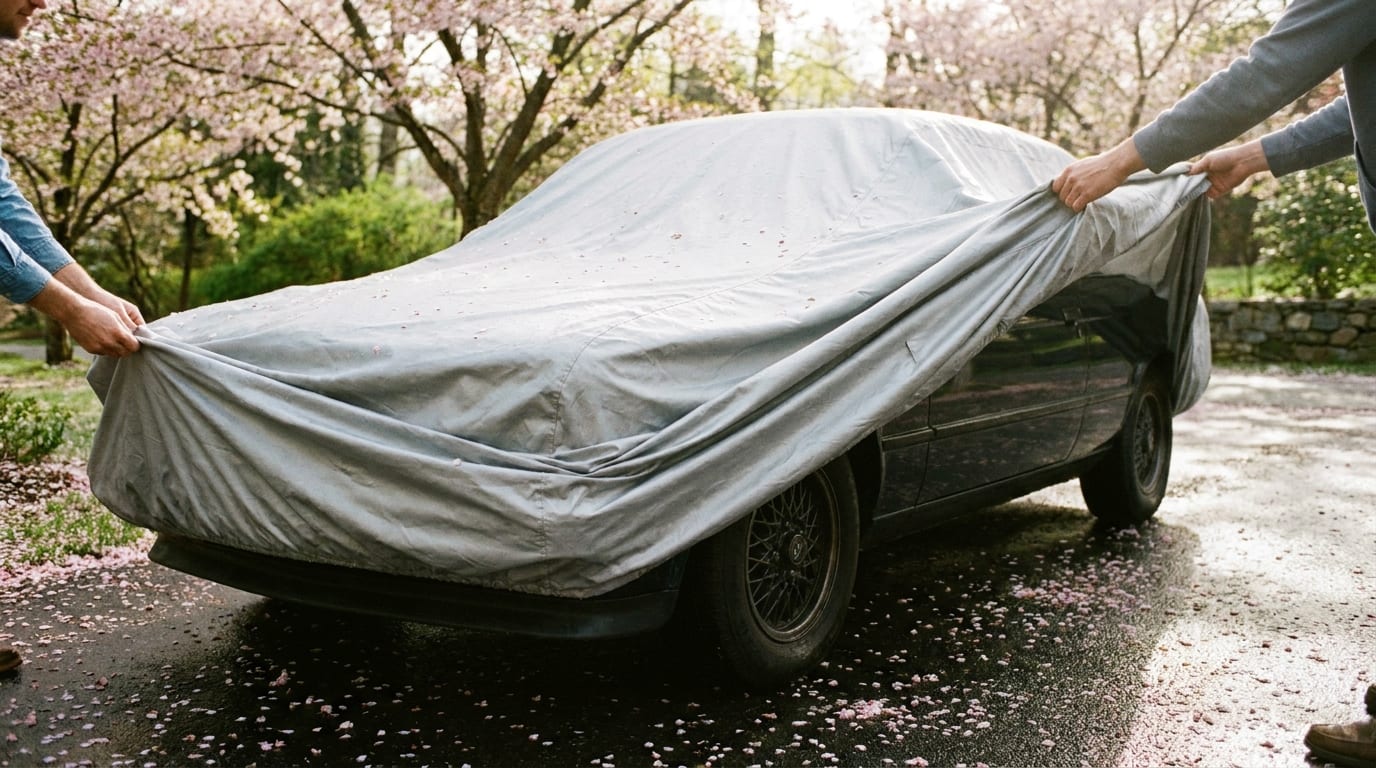
Don't trust the spec sheet alone, measure the actual car. It takes ten minutes.
Step 1: Park on level ground and measure bumper-to-bumper length, front to back, in a straight line.
Step 2: Measure width at the widest point, which on most Minis is across the side mirrors or the front fenders if the mirrors fold in.
Step 3: Measure height from the ground to the highest point of the roof. If you've got a roof rack, cross bars, or a shark-fin antenna, note that separately. It'll affect which cover you need and whether you need an antenna patch.
Once you've got your three numbers, check them against the Mini Cooper size chart above, and against the specific size range listed on whatever product page you're considering. If your Countryman happens to run long due to trim or model year, use the sizing guide for your specific vehicle to confirm before you order rather than guessing.
Custom-Fit vs. Universal Covers for Mini Cooper Owners
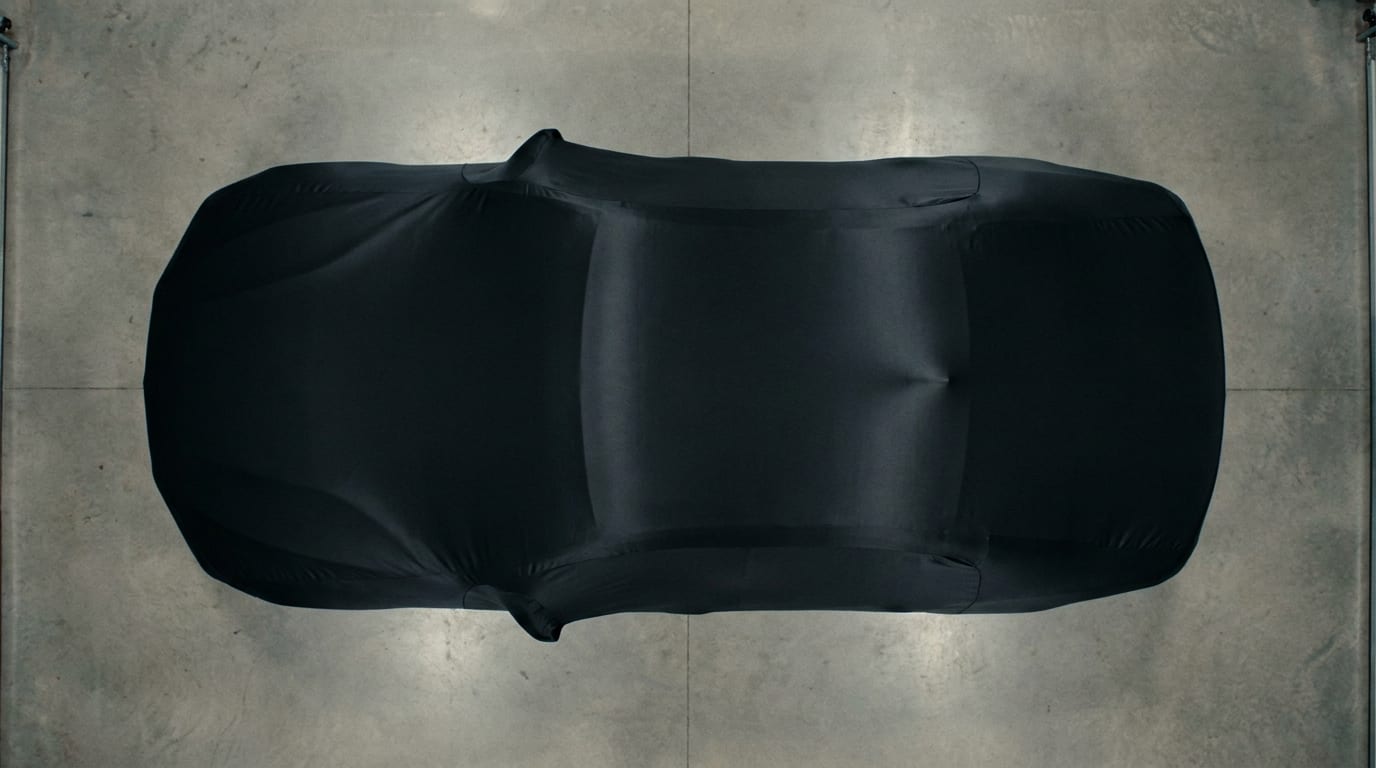
Universal covers are sized to a range. Custom-fit covers are patterned to your exact year, make, and model, mirror cutouts and all.
For a Mini owner, the tradeoff comes down to cost versus precision. Universal covers are cheaper, but on a car this small, "extra room" in the size class often means loose material at the corners. You'll likely want straps or a cable lock to cinch things down so wind doesn't get underneath and start working the cover loose. That's not a dealbreaker, it's just an extra step most Hardtop and Convertible owners end up taking anyway.
If you're storing the car outdoors long-term, especially somewhere windy, that loose fabric becomes more than a cosmetic issue. Flapping material rubs against paint over time. For that use case, a custom-fit car cover built specifically for your Mini generation is worth the extra cost, since it eliminates the slack that causes chafing in the first place. If the car lives in a garage and only needs occasional dust protection, a well-fitted universal cover from the car cover lineup is usually enough.
Beyond Size: Other Fit Factors to Check

Size class is step one, not the whole decision. A few other things to think through:
Indoor vs. outdoor use. A car kept in a garage needs something light and breathable mainly to keep dust and scratches off, which is where indoor car covers come in. A car parked outside needs real weather protection, UV resistance, and water resistance, which points you toward outdoor car covers built for sun and rain exposure. If you're dealing with regular rain or humidity, look specifically at waterproof car cover options rather than assuming any outdoor cover handles moisture well.
Convertible top height. If you've got a Convertible, confirm the cover is cut to accommodate the folded soft top's extra height at the rear. A cover designed around the Hardtop's flat hatch profile won't sit right over a stowed top.
Roof rails and cross bars. Clubman and Countryman owners who've added roof rails or cargo bars need to factor that into height measurements. A cover that fits the bare roofline might not clear hardware sitting on top of it, and forcing it over the rails can stress the seams.
Find the Right Cover for Your Mini Cooper
Most of the lineup, Hardtop and Convertible, sits comfortably in the compact size class. Clubman and Countryman owners need to size up to midsize. That's the short version of the car cover size chart for Mini Cooper models, but the real answer comes from your own tape measure, not just the model name on the back of the car.
Measure your specific Mini, cross-reference it against the chart above, and check the exact size range on the product page before you buy. If you want to skip the guesswork, browse Mini-specific options or try a quick cover finder tool to match your exact year and trim to the right fit. A few extra minutes now saves you from a cover that bunches at the mirrors or flaps loose in the wind six months from now.
