
Car Travel Safety Tips for All Weather Conditions

Image Credit: fancycrave1/ Pixabay
By John Linden
The unpredictable nature of the weather means that it can change dramatically without warning. And this can have a significant impact on driving conditions. But it doesn’t mean that you should fear the weather. Regardless of whether it’s sun, rain, snow or ice, you can master the roads and drive safely.
All you need is the basics. And, once you’ve got the basics established, you’ll feel much more confident when you turn your key in the ignition. Let’s take a look at the best car travel safety tips for all weather conditions.
Image Credit:JerzyGorecki/ Pixabay
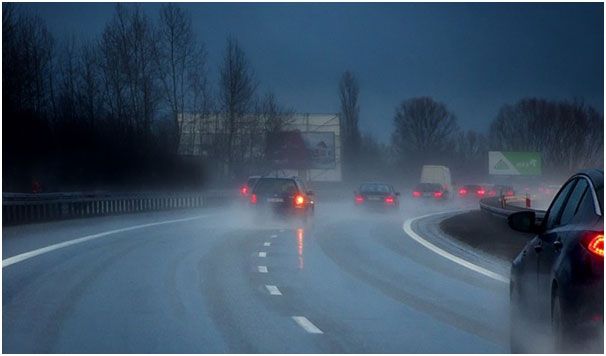
Driving in the Rain
When you notice those first few raindrops on your windscreen it’s time to start making changes and adjust your driving style:
- All cars leak oil at some point when they’re on the roads and, when the roads are dry, this isn’t a problem. However, when rainwater first comes into contact with this oil the roads can become incredibly slippery. Therefore, drive carefully at the first sight of rain.
- Your braking time will increase significantly during rainfall. It takes much longer for a car to stop on a wet road due to the reduced friction. And it’s recommended that you double your normal braking time in the rain.
- You’re always going to struggle with visibility in the rain. That’s why you need to drive much more carefully and slower in the rain. It may take longer to get to your destination, but you’ll arrive in one piece.
Navigating Your Way in Bright Sunshine
Taking the car out on a sunny day is one of the simplest pleasures in life. But visibility is soon compromised by the dazzling rays of the sun. Make sure youunderstand these best practices:
- You can be blinded by the glare of sun at any time of the year, so it’s crucial that you always carry sunglasses in your car. Driving in these will reduce the impact of glare.
- A dirty windshield can make driving in bright sunshine more difficult as it will scatter the light. To avoid this make sure that your windshield is always kept clean, especially on sunny days.
- Increase the distance between yourself and other vehicles. There’s an increased risk of collisions when visibility is hampered by sunlight, so keep an appropriate distance from the car in front.
Staying Safe in the Fog
When fog descends upon a road it can be a driver’s worst nightmare due to the reduced visibility it inflicts. However, it’s possible to drive safely in fog by:
- Slowing down. Due to the reduced visibility you need more time to react to hazards on the road. Even a small margin of reduction can provide you with ample time to react in the fog.
- Never use high beams as fog is made up of tiny water droplets which reflect light. Instead, turn on your low beams to preserve visibility for yourself and other road users.
Driving in the Snow
We need to face a basic truth: no one likes driving in the snow. However, you can increase your confidence by:
- Only accelerating gently and when necessary. A road that is covered in snow is going to be more slippery than one that isn’t. And any sudden acceleration is likely to make your vehicle skid across the road.
- Taking care when driving uphill in snowy conditions. You want to tackle all uphill climbs at a constant speed, so it’s vital that you leave plenty of room between yourself and any vehicles in front.
- Using low beam headlights instead of high beams. The increased glare of high beams will mean increased reflection off snowy surfaces and a reduction in visibility for you and other road users.
Tackling Icy Roads
Icy roads can be very dangerous. And black ice is doubly dangerous as it’s transparent. Keep safe by adhering to the following:
- Braking in icy conditions is much more difficult to achieve. Even if there’s only a thin layer of ice present you need to multiply your standard braking distance by 10.
- The best way to deal with a skid is by steering gently into it. The natural reaction is to steer away, but you need to remain calm and remember to steer into the skid.
All of these tips are relatively simple and should be understood in next to no time. Not only will they make you a more confident road user in all weather conditions, but they will preserve the safety of the road.
