
How Much Is a Car Cover for a Tesla Model S? (Real Price Ranges)
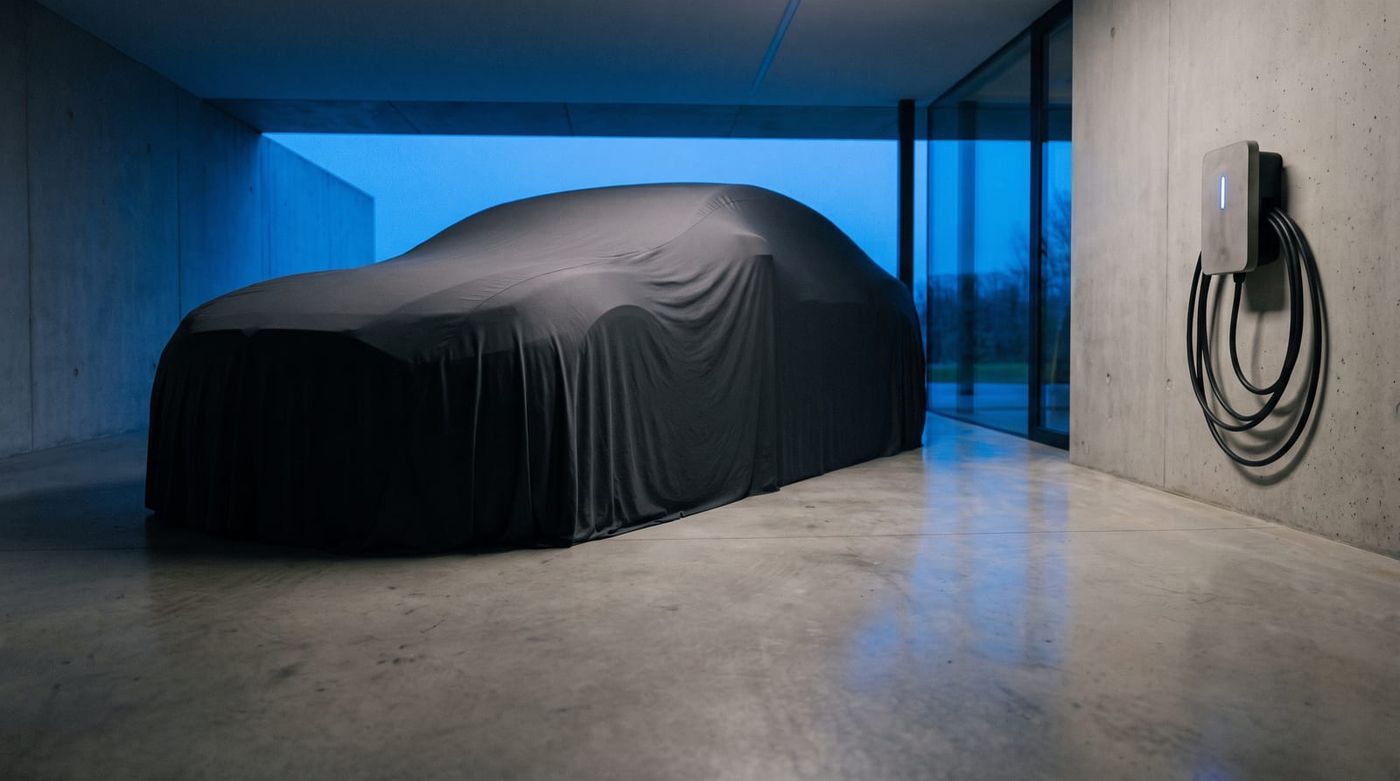
How Much Does a Tesla Model S Car Cover Cost?
How much is a car cover for a Tesla Model S? Plan on $60 to $120 for a basic universal or semi-custom cover, $130 to $250 for a solid mid-tier custom-fit option, and $250 to $350 or more for a premium multi-layer or indoor satin cover built specifically for this car. That's a wide range, and the reason it's wide comes down to the Model S itself.
This isn't a typical sedan shape. The low nose, the flush door handles, the mirror housings, the sensor cluster up front, all of it means a sloppy-fitting cover doesn't just look bad, it can actually rub paint or let water pool in places a generic cover wasn't designed for. That's part of why so many Model S owners end up skipping universal covers entirely and going custom-fit, even though it costs more upfront. If you're thinking long-term about an investment that's built to go the distancea cover that actually fits matters more than it would on a car you're planning to trade in next year.
The rest of this guide breaks down exactly what pushes a cover's price toward the bottom or top of that range, and which tier actually makes sense for your situation. This isn't a pitch for one product. It's here to help you figure out which price point fits how and where you park your car, specifically the Tesla-specific cover options built for this body style.
What Actually Drives the Price Up or Down
A few factors explain almost all of the price spread.
Material and layer count. Cheap covers use a single layer of lightweight fabric. It's fine for dust, not much else. Pricier covers stack a soft inner lining against the paint with a weatherproof outer shell, which is what actually blocks UV and rain.
Custom-fit vs. universal. A pattern cut to the Model S's exact length, mirror position, and roofline costs more to produce than a one-size-stretches-over-everything design. But it's also the only way to avoid flapping at highway speeds or gaps around the mirrors and sensors.
Where you're using it. Indoor-only covers skip the waterproofing and UV coating since they're protecting against dust and scratches, not weather. That keeps the price down. Outdoor covers need real waterproof protection built in, which adds cost.
Hardware extras. Cable locks, antenna patches, grommets for wind straps, mirror pockets: each one is a small add-on, but they stack up. A bare-bones cover with none of these will always undercut one that has all of them.
Warranty backing. A cover with real warranty coverage behind it tends to sit higher on price than a generic no-name option with no guarantee at all. You're paying partly for the fabric, partly for the assurance that it'll hold up.
Price Breakdown by Cover Tier

Here's roughly what you get at each price point.
| Tier | Price Range | What You're Getting |
|---|---|---|
| Entry | $60 to $120 | Single-layer, lightweight fabric, minimal UV or water resistance, best for mild climates or short-term indoor use |
| Mid | $130 to $250 | Multi-layer woven fabric, better UV and water resistance, usually custom-fit to the Model S body, good for daily outdoor parking |
| Premium | $250 to $350+ | Heavy-duty multi-layer or satin-lined indoor material, strongest weather resistance or softest interior lining, longest warranty terms |
None of these tiers is objectively "right." A Model S that lives in a climate-controlled garage doesn't need premium-tier UV armor. One that sits on a driveway in Phoenix or Seattle year-round probably shouldn't be wearing an entry-tier cover. The next two sections get into exactly how to tell which tier fits your situation.
Custom-Fit vs. Universal Covers for the Model S
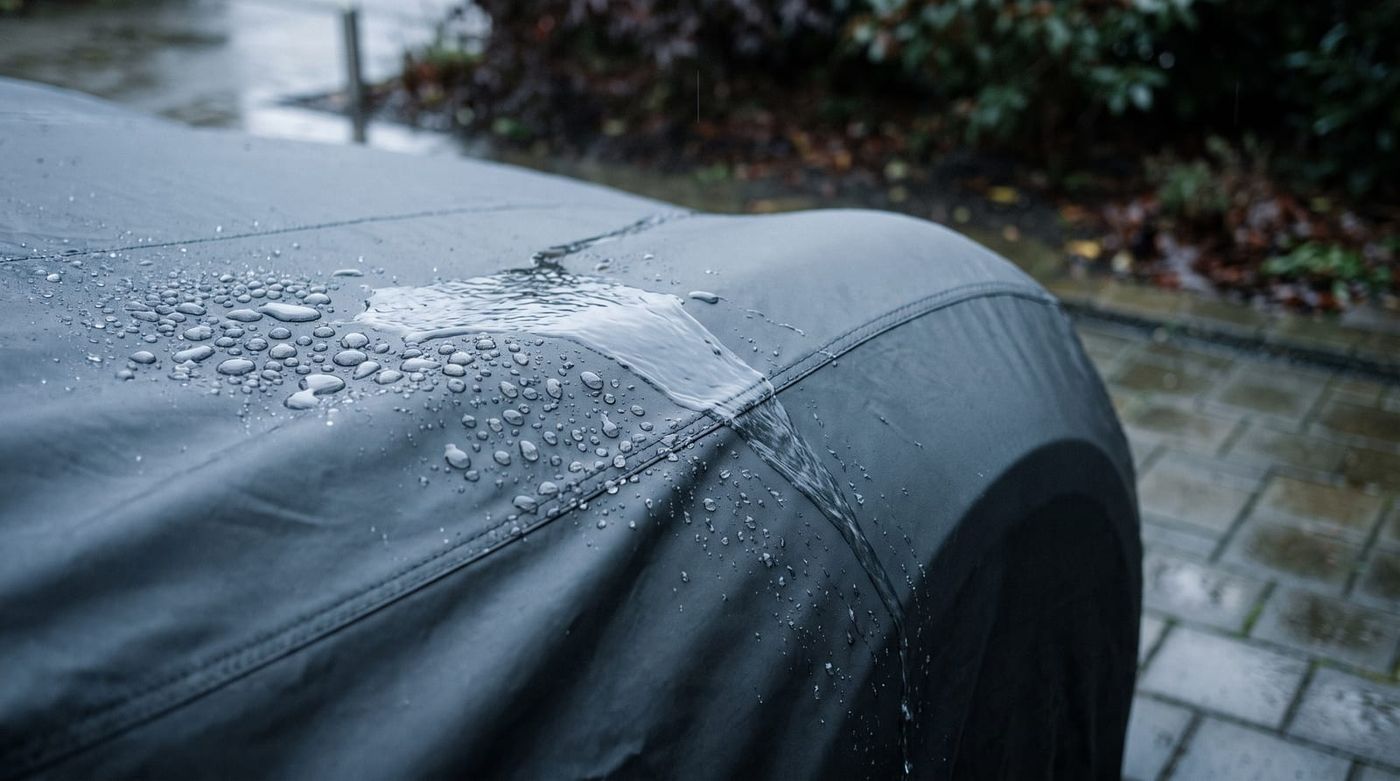
Universal covers are cheaper, no argument there. But on a Model S, the tradeoffs show up fast: gaps at the mirrors, slack around the low front nose, loose fabric near the rear spoiler that catches wind and flaps all night. That flapping isn't just annoying, it's friction against your clear coat.
Custom-fit car covers run 30 to 60% more than a universal cover, because they're patterned to the Model S's actual length, mirror placement, and roofline instead of a generic sedan silhouette. That tighter fit means less wind movement and less fabric rubbing against the paint over time.
Think about it as cost per year instead of cost per purchase. A universal cover that needs replacing every season because it's stretched out or torn at the seams isn't actually cheaper than a custom-fit one that lasts several seasons and does its job properly the whole time. Cheap can get expensive fast when you're buying it twice a year.
Indoor vs. Outdoor Use Changes the Price Too
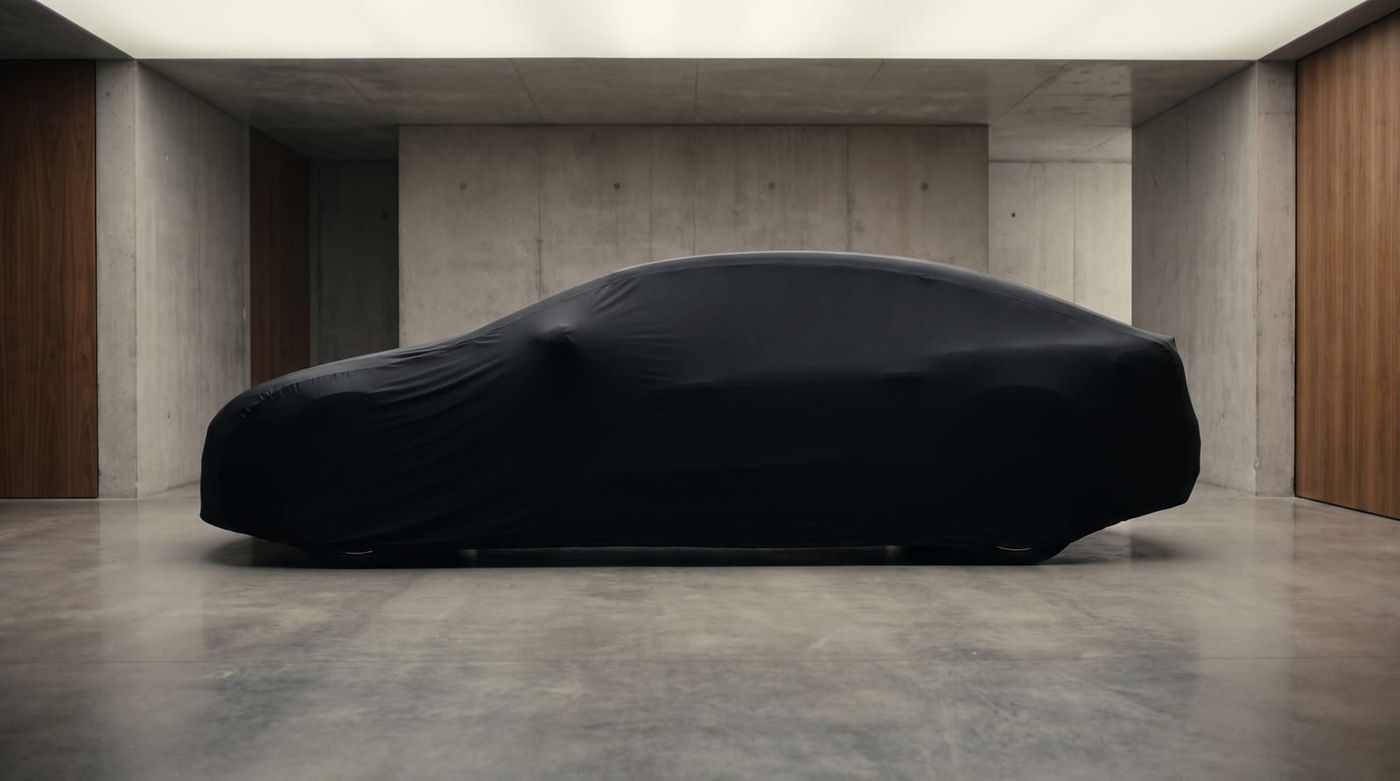
Where the car sleeps at night changes what you should be paying for.
Indoor car covers don't need UV coatings or waterproof layers. They're built for soft-touch protection against dust, light scratches, and the occasional brush from a garage shelf. That stripped-down job means a lower price tag.
Outdoor car covers need to work harder: UV-resistant coating so the sun doesn't fade your paint, waterproofing so rain doesn't sit and spot the finish, and wind-securing features like straps and grommets so the whole thing doesn't blow loose. All of that adds cost, but it's the difference between a cover that protects your car and one that just sits on top of it.
Quick rule of thumb: garage-kept Model S owners can save real money going with an indoor cover. Driveway or street-parked owners should budget for the outdoor tier, full stop. And if you're in a region with intense sun or frequent heavy rain, lean toward the upper half of that outdoor price range rather than the bargain end. Thin outdoor covers in brutal climates tend to fail early, and then you're buying twice.
How to Pick the Right Price Point for Your Situation
Before you land on a tier, run through this:
- Where does the car park most nights? Garage, driveway, or street?
- What's the climate like? Heavy sun, frequent rain, hail risk, snow?
- Is this a daily-use cover or something you'll pull out occasionally for storage?
- Do you need extras like a cable lock or antenna patch? Those add to the base price, so factor them in up front rather than being surprised at checkout.
Once you've got honest answers to those, match them against the tier breakdown earlier in this piece instead of just grabbing whatever's cheapest. If you're still unsure about sizing specifics for your Model S, the vehicle cover sizing guide walks through how to measure and match fit. And it's worth checking a seller's return policy before you commit to a tier. Covers are hard to judge from a product photo alone, so having room to send it back if the fit's off takes some of the risk out of guessing.
Find the Right Tesla Model S Cover for Your Budget
So, how much is a car cover for a Tesla Model S? Anywhere from $60 to $350+, and the honest answer for you depends less on the sticker price and more on where the car parks and what your weather actually throws at it. A tight-fitting mid-tier cover for a driveway-parked car will outperform a cheap universal one stretched over the same vehicle, even at a higher price.
Spend a few minutes matching your situation against the tiers above before you buy. It's a better use of time than chasing the lowest number on the page. If you want to keep learning about car care and ownership topics like this one, it's worth browsing around for more guides before your next purchase decision.
