
How Much Is a Car Cover for a Toyota Camry? Price Ranges by Type

A Toyota Camry car cover typically runs $40 to $100 for a basic universal-fit option, $80 to $180 for a semi-custom fit, and $150 to $250 or more for a custom-fit, multi-layer weatherproof cover. So if you're asking how much is a car cover for a Toyota Camry, the honest answer is "it depends on fit and material," but those three ranges cover almost every option you'll find.
The Camry's a sedan, and that works in your favor price-wise. Less material than a truck or SUV cover means less cost across the board, so you're rarely going to see Camry-specific covers priced at the high end of what a full-size pickup owner might pay. What actually pushes the price up or down within that Camry range comes down to three things: fit type, how many layers of material you're getting, and whether the cover's meant for indoor or outdoor duty.
Model year and trim matter less here than you'd think. A 2010 Camry and a 2024 Camry are built on the same basic sedan silhouette, so cover pricing doesn't swing much between generations. What swings the price is fit precision and where the car actually lives at night.
What Actually Changes the Price of a Camry Cover
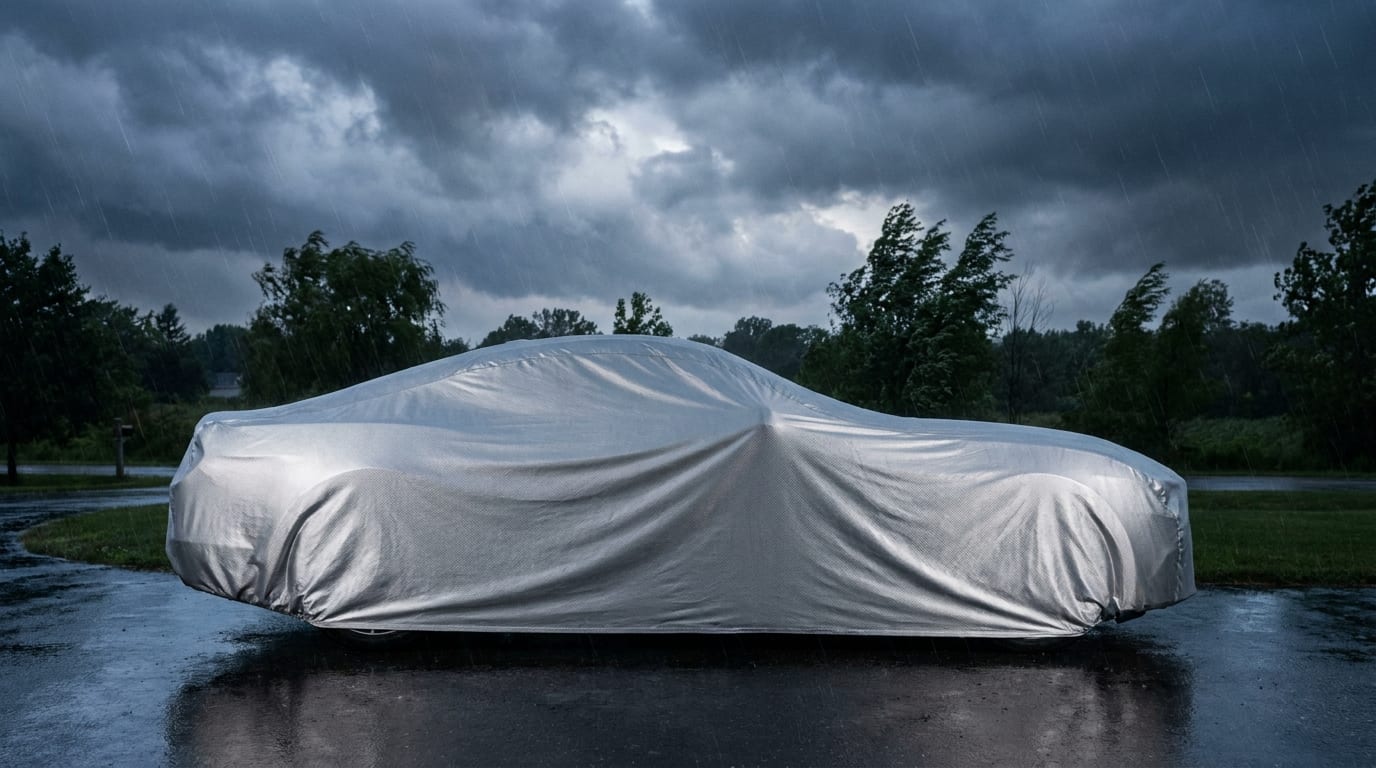
Three variables do almost all the work in determining what you'll pay.
Fit type is the biggest one. Universal covers are the cheapest because they're made to stretch loosely over a general size class of car, Camry included, without being shaped to it. Semi-custom covers step up in price because they're sized to sedan body styles specifically, giving a noticeably better fit than universal without the full custom price tag. Custom-fit covers cost the most because they're patterned to the exact dimensions of a specific Camry generation, mirrors, roofline, and all.
Material and layer count matter almost as much. A single-layer polypropylene cover sits at the bottom of the price range, fine for short-term or light-duty use. Multi-layer laminated fabrics with built-in UV and water resistance cost more to manufacture, and that shows up in the sticker price.
Then there's where the car parks. Indoor covers are lighter and cheaper since they only need to stop dust and stray scratches. Outdoor covers need to survive rain, sun, and wind cycling day after day, which means heavier fabric and more reinforcement, and that costs more.
Finally, small features add up. Elastic hems for a snugger fit, grommets for running a cable lock through, an antenna patch, reflective UV coating: none of these are huge on their own, but stack a few together and you'll notice the price creep from the low end of a tier to the high end of it. If you're not sure which fit category your Camry actually falls into, this guide to sizing a car cover correctly walks through it.
Price Breakdown: Basic, Mid-Range, and Premium Camry Covers
Here's roughly how the market breaks down by tier.
Basic ($40 to $100): Universal or semi-custom fit, single-layer fabric, best suited for short-term storage or indoor use where weather isn't a factor. Don't expect much from these in a storm.
Mid-range ($80 to $180): Semi-custom or custom fit, multi-layer fabric, decent UV resistance and enough water resistance to handle light rain. This is the tier most daily-driver Camry owners who park outside end up in.
Premium ($150 to $250+): Fully custom-fit for your specific Camry generation, heavy-duty waterproof or hail-resistant material, and the hardware to match: grommets, straps, the works.
Climate should push your decision more than sticker price does. A Camry parked outside in Phoenix sun or through a Michigan winter needs more protection than one that's mostly garaged in a mild climate, even if that means spending more upfront than you'd planned. If you're weighing whether you actually need that level of protection, it's worth reading about waterproof car covers and, if hail's a regular concern where you live, hail-resistant car covers before you decide which tier makes sense.
Indoor vs. Outdoor Camry Covers: Why the Price Gap Exists
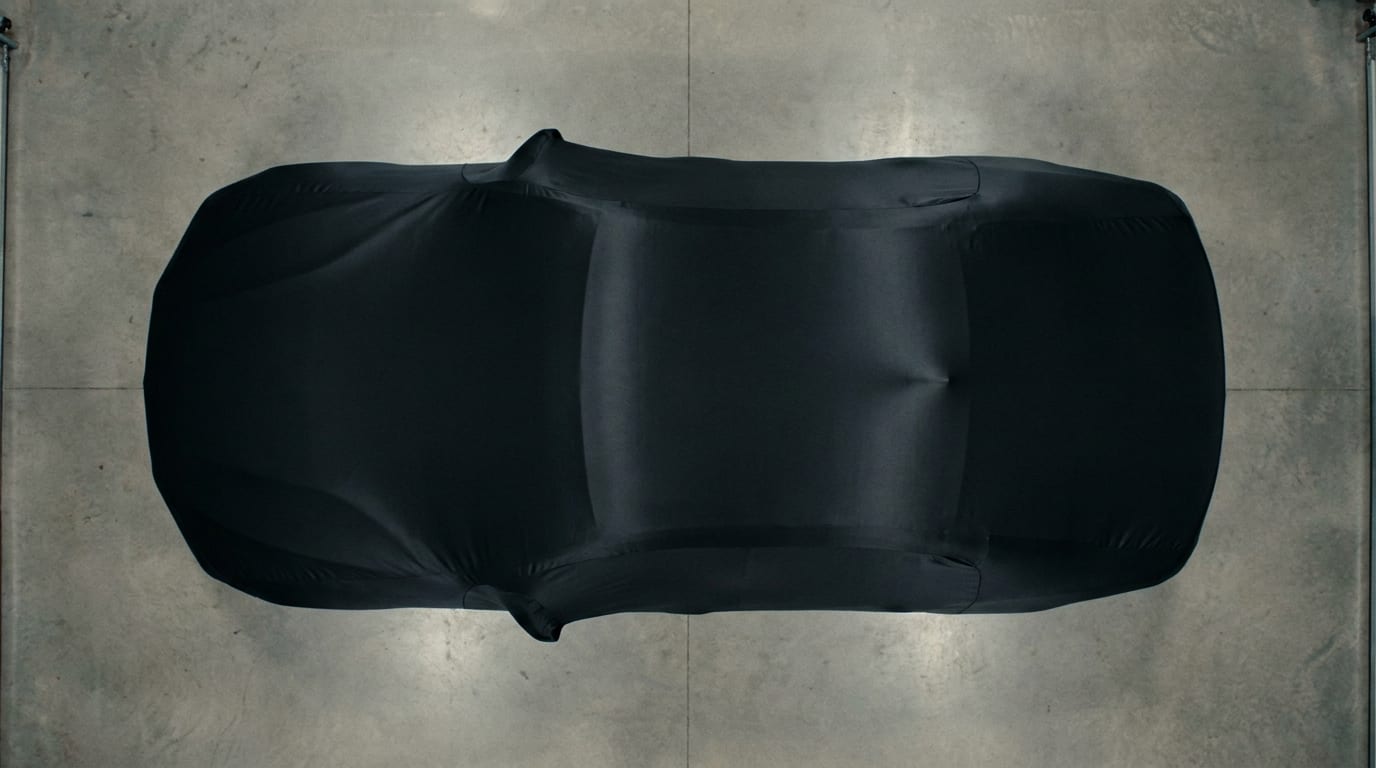
The indoor/outdoor split explains a lot of the price spread you'll see when researching how much a car cover for a Toyota Camry actually costs.
Indoor covers are built light. They're not fighting UV rays or rain, just dust, garage clutter, and the occasional bump from a bike leaning against the car. That simplicity keeps the price down.
Outdoor covers have a harder job. They need UV-resistant coatings so the fabric doesn't degrade in direct sun, water-repellent treatment so rain beads off instead of soaking through, and reinforced seams that can take repeated wind flex without tearing. All of that costs more to build, so it costs more to buy.
Here's a rule of thumb that holds up well: if your Camry sleeps in a garage, an indoor cover in the $40 to $80 range is usually plenty. If it's parked outside daily, rain or shine, budget $100 or more and lean toward the mid-range or premium tier. Trying to save money with an indoor cover on a car that lives outside just means replacing it sooner. Check out indoor car covers and outdoor car covers to see which category actually matches your situation before you buy.
Custom-Fit vs. Universal: Is the Extra Cost Worth It for a Camry
Universal covers are tempting because they're cheap. But they're loose by design, and that looseness causes problems: wind gets underneath and makes the cover flap (which wears down the fabric fast), and gaps around the mirrors and wheel wells let moisture sneak in exactly where you don't want it.
Custom-fit covers cost more upfront, but they're patterned to the Camry's actual shape, so there's less material for wind to grab and a tighter seal against the weather. If you're keeping the car covered outside for more than the occasional weekend, that tighter fit pays for itself in fewer replacement purchases.
This really comes down to budget versus how long you're planning to leave the car covered outdoors. A weekend cover for occasional dust protection doesn't need custom fit. A cover that's going to sit on your Camry through an entire winter does. For a deeper look at how the fit categories differ, this breakdown of custom-fit car covers is worth a read.
Where Camry Pricing Fits Compared to Other Toyota Models
Sedans like the Camry and Corolla sit in a similar, lower price band compared to Toyota's SUVs and trucks, mostly because there's just less surface area to cover. A 4Runner or Tundra cover needs more fabric, more seams, and more structure, so it costs more no matter which tier you're shopping in.
Toyota's lineup has cover options across nearly every body style they make, so if you're curious how Camry pricing stacks up against the rest of the brand, the full Toyota cover lineup is worth browsing. The Corolla is a useful reference point too, since it's a similarly sized sedan and tends to land in roughly the same price range as the Camry. And if you're curious how the Camry fits into Toyota's broader history as a model, this look at Toyota's history covers that ground.
How to Choose the Right Camry Cover for Your Budget
Before you buy, run through a short checklist: Where does the car actually park, garage, carport, or open driveway? What's the climate like, dry and mild or harsh sun, heavy rain, snow? How long will the cover stay on at a stretch, overnight or for weeks at a time? And how long do you want this cover to last before replacing it?
Match your answers to the tiers above instead of defaulting to whatever's cheapest. A $50 universal cover on a car parked outside year-round in a coastal, humid climate is going to disappoint you fast.
Warranty terms are worth weighing too. A cover backed by a longer warranty can be the better deal even at a higher upfront price, since you're not replacing it every year or two. It's worth checking how car cover warranties actually work before you commit to a specific product.
Find the Right Cover for Your Camry
So, to circle back: basic Camry covers start around $40, custom premium options can run $250 or more, and most daily drivers land comfortably in that $80 to $180 mid-range. Where you land depends less on the car and more on how and where you park it.
If you want to browse actual options and current pricing, CarCovers' car cover selection is a solid starting point, and their top-rated picks or side-by-side comparison guide can help narrow things down if you're deciding between a couple of specific products. Worth a look before you commit either way.
