
How Much Is a Car Cover for a Volkswagen Atlas? (2024 Price Guide)
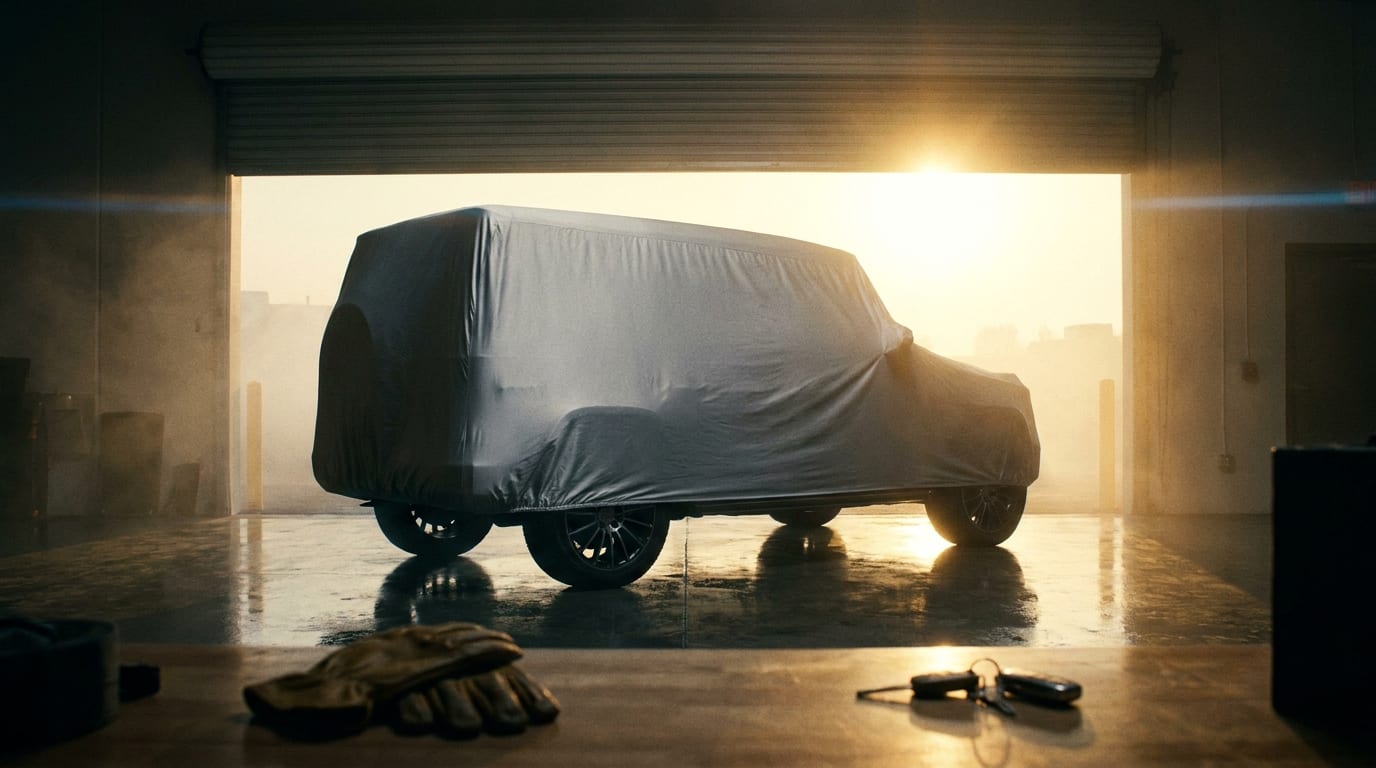
A car cover for a Volkswagen Atlas typically costs between $60 and $250, depending on how precisely it fits and what kind of weather it's built to handle. That's a wide range, so if you're asking how much is a car cover for a Volkswagen Atlas before you buy, the honest answer is: it depends on what you need it to do. A cover meant to keep dust off in a garage costs a lot less than one that needs to survive daily rain and UV exposure outdoors.
How Much Does a Car Cover for a Volkswagen Atlas Cost?
Most Atlas owners end up spending somewhere in the $90 to $180 range for a solid, custom-fit cover. That's the sweet spot where fit quality and material durability meet without paying for features you don't need.
On the low end, universal and semi-custom covers run $30 to $80. They're built to a general size category, not to the Atlas specifically. On the high end, fully custom-fit, multi-layer covers designed around the Atlas's three-row SUV body push toward $200 to $250. Given how much surface area you're covering on a vehicle this size, that's not surprising.
Three things drive where you land in that range: the fit type (universal, semi-custom, or custom), the material and weatherproofing tier, and any extras like locks or straps. The rest of this guide walks through each one, so you can figure out which tier actually matches how and where your Atlas gets parked, rather than guessing and overpaying or underprotecting it.
Why Fit Type Changes the Price
Fit is the single biggest price driver, and it's also the one people underestimate.
Universal covers are the cheapest option, usually $30 to $80. They're stretch-fit and sized by vehicle length category rather than molded to the Atlas's actual body lines. That means a looser fit, more fabric flapping around in wind, and gaps near the mirrors and roofline that let water sneak in.
Semi-custom covers run $70 to $150 and get closer to the Atlas's SUV shape. Mirror pockets and antenna cutouts tend to line up better, though these covers are still mass-produced across a range of similar body styles, not patterned to the Atlas alone.
Custom-fit covers are the top tier, typically $150 to $250 or more. These are patterned specifically to the Atlas's dimensions, including length, roof rails, and mirror placement. Less excess fabric means less wind lift and less water pooling in low spots. If you want to confirm you're getting a true match, a sizing and fit guide is worth five minutes before you buy.
Here's the thing about a vehicle the size of the Atlas: a cheap universal cover that doesn't fit well often ends up costing more over time. Loose fabric rubs against paint in the wind, and gaps let moisture sit against the body instead of running off. You save $50 up front and pay for it in chafing and reduced protection later.
Material and Weatherproofing Tiers Explained
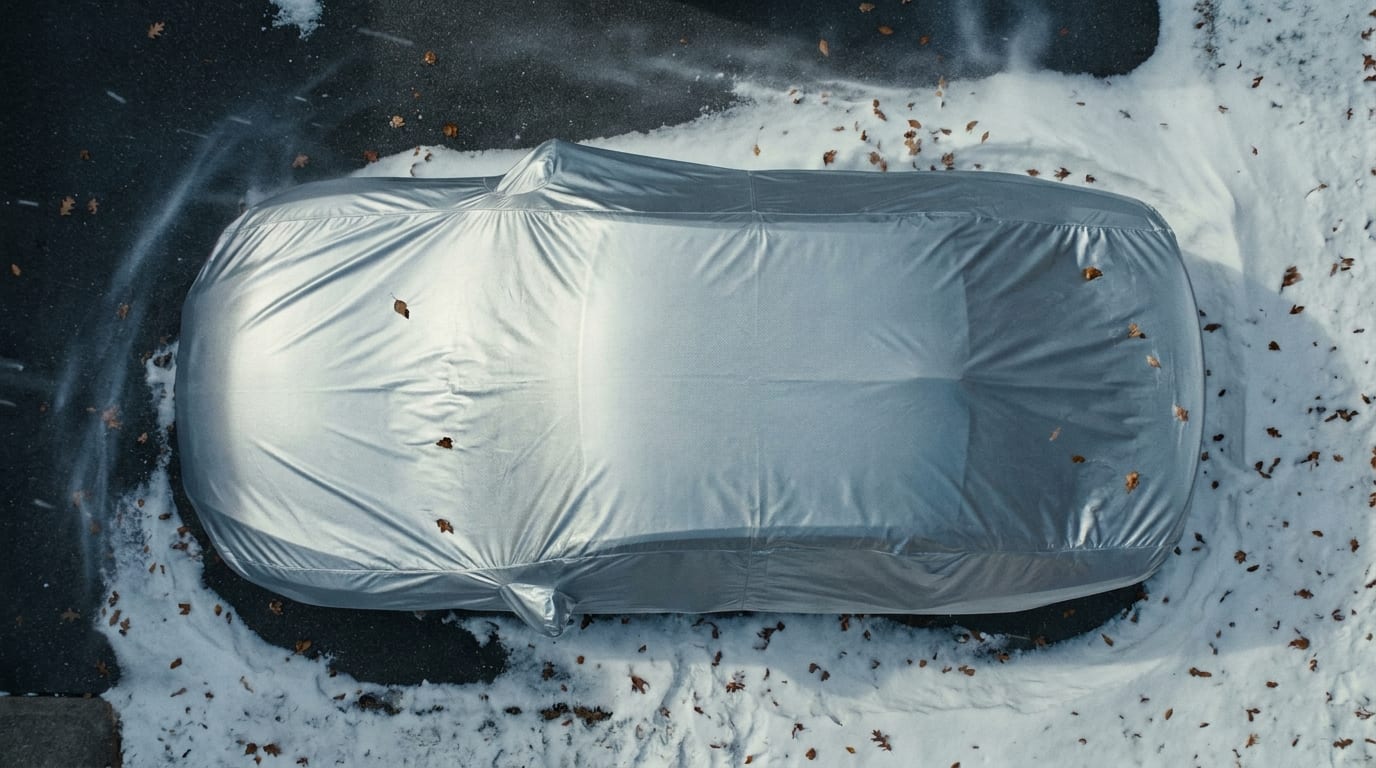
Fit is one axis. Material is the other, and it matters just as much for the final price tag.
Entry-level or indoor covers use lighter fabric meant for dust and minor scratch protection. These sit at the bottom of the price range and aren't built for rain or sun. If your Atlas lives in a garage and only needs protection from dust and the occasional cat walking across the hood, an indoor car cover is plenty, and there's no reason to pay more for weatherproofing you'll never use.
Mid-tier outdoor covers are water-resistant with UV-treated, multi-layer fabric. This is the most common pick for Atlas owners who park outside sometimes, maybe a driveway or an open lot, and need something that holds up without going full heavy-duty. Pricing here sits in the middle of the range.
Premium, all-weather covers are fully waterproof with heavy-duty stitching, built for daily outdoor storage in rough conditions. These command the highest prices, but if you're in a region with regular rain, snow, or intense UV, that's where the money should go. Worth checking a waterproof car cover option specifically if hard rain is a regular issue, and if hail is a real risk where you live, a hail car cover is a different, sturdier category worth a look too.
My take: don't default to the cheapest or the most expensive tier just because it's easiest to decide. Match the cover to where the Atlas actually sleeps at night. A $250 all-weather cover on a garage-kept SUV is wasted money. A $60 indoor cover on a driveway-parked one won't survive a season.
Added Costs: Straps, Locks, and Accessories

Once you've picked fit and material, a few add-ons can nudge the total price up.
Cable locks and gust or wind straps typically add $15 to $40. For a cover this size, they're worth it. The Atlas catches a lot more wind than a sedan would, and a cover that isn't cinched down properly is more likely to shift, slide, or blow partially off in a storm. If you go this route, an installation guide for gust straps makes the setup painless.
Antenna patches or mirror pockets are usually baked into custom-fit covers already. On universal fits, they might be a small add-on instead, so check what's included before assuming.
Some retailers bundle a cover with care accessories, a cleaning spray or a storage bag, at a slight discount compared to buying each piece separately. Worth checking, but not a dealbreaker either way.
None of this is a hidden necessity. Think of straps and locks as optional upgrades that affect your final total, not fine print you're forced into.
Is a Custom-Fit Cover Worth the Extra Cost for an Atlas?

This is where most buyers hesitate, so let's lay out the actual tradeoff.
A custom-fit cover costs more upfront, no way around that. But it reduces wear points, hugs the roof rails properly instead of billowing over them, and holds up longer under repeated daily use. A universal cover might survive a season or two before the fabric starts thinning at the friction points. A custom-fit car cover built around the Atlas's exact dimensions doesn't have those friction points in the first place.
Size matters more here than it would on a compact sedan. The Atlas is a three-row SUV, which means more surface area for excess fabric to flap around on a universal cover, and more opportunities for water to pool in the slack instead of running off. On a smaller car, a loose fit is an annoyance. On the Atlas, it's a bigger gap between what you paid for and what you're actually getting.
Before buying anything, double check your specific model year and trim against a sizing guide. Atlas dimensions have shifted slightly across generations, and a cover that fit the 2019 model won't necessarily fit a newer trim level with different roof rail spacing.
Warranty coverage is part of the value math too. A cover backed by a lifetime warranty changes the calculation on a pricier option, since you're not just paying for the cover, you're paying for not having to replace it in two years.
Getting the Right Cover for Your Budget
The decision path is simpler than it looks once you separate it out. Indoor, occasional-use situations point you toward the lower end of the price range. Daily outdoor exposure in rain, snow, or intense sun points you toward the upper end. Everything in between lands in that $90 to $180 middle tier most Atlas owners settle on.
If you're still unsure which fit and material combo matches your specific Atlas, a cover finder tool will match your exact model year to the fit and price options actually available, rather than you guessing from a size chart. And once you've got a cover, a quick read through how to clean a car cover will help it actually last as long as the warranty suggests it should.
If you want to see what's out there for your specific SUV, browsing Volkswagen SUV cover options is a reasonable next step, no pressure, just a place to compare fit and material side by side.
One more time, for the scanners: a car cover for a Volkswagen Atlas runs $60 to $250, with most buyers landing around $90 to $180 for a quality custom fit. Figure out your parking situation first, then let that number guide which tier you actually need.
