
How to Measure a Tesla Cybertruck for a Car Cover (Step-by-Step Guide)
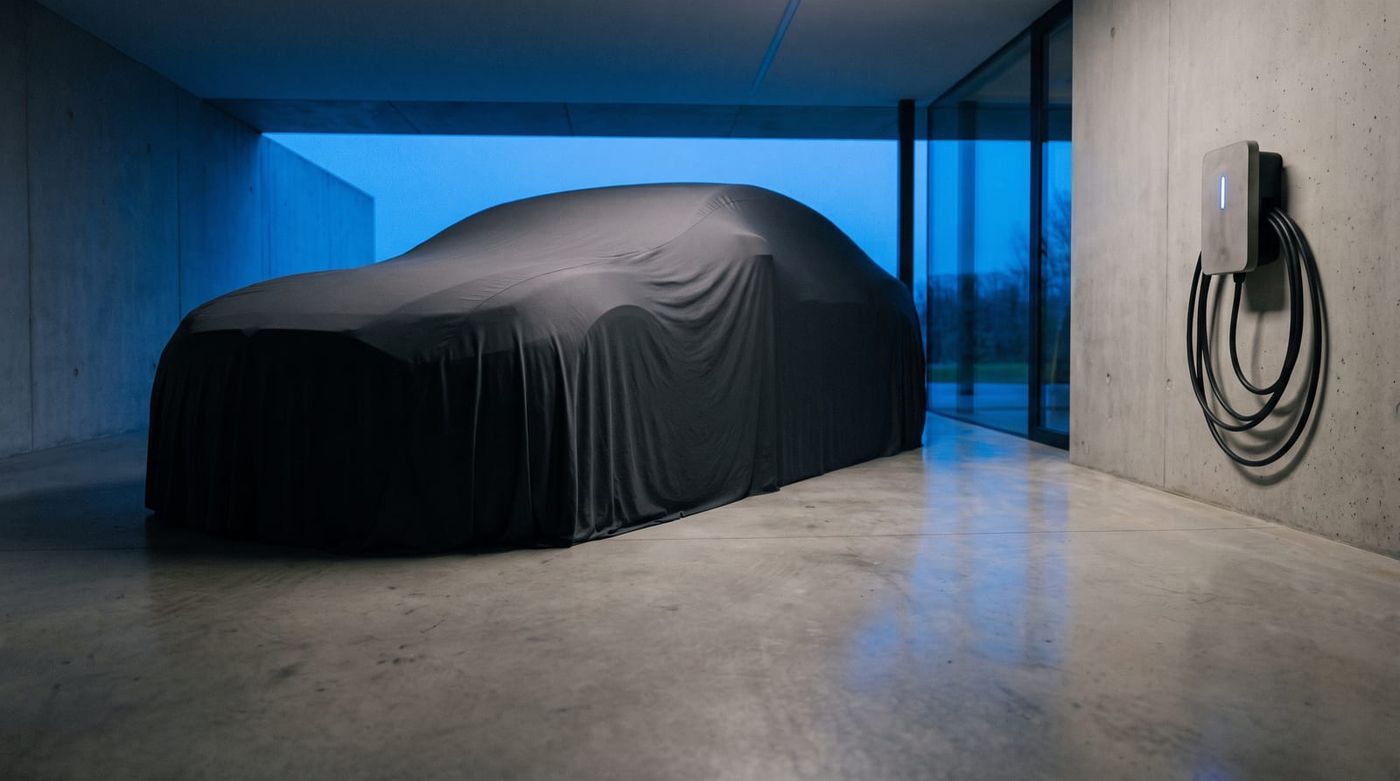
Measure wrong and you'll know it the first time the wind picks up. A car cover that's too short flaps against the Cybertruck's stainless steel and leaves fine scratches you can't buff out. One that's too big pools rainwater on the hood and doesn't cinch down enough to survive a windy night. Knowing how to measure a Tesla Cybertruck for a car cover isn't optional if you want the fit to actually work, because this truck doesn't share dimensions with anything else on the road. Below is the exact process, point by point, so you get numbers you can trust before you order.
Why Measuring Your Cybertruck Correctly Matters
The Cybertruck's angular exoskeleton throws off a lot of assumptions people carry over from regular pickups. It's long, it's wide, it's tall in a way that doesn't scale the same as a Ford F-150 or a Ram 1500, and the flat panels mean there's no curve to help a cover settle into place. Guess at the size and you'll usually end up with a cover that gaps at the corners or snags on the mirrors trying to go on.
That gap matters more than it sounds. A loose cover flaps in the wind, and repeated flapping against exposed steel panels can leave marks over time. Water sitting on those flat surfaces because the cover doesn't sit flush is its own headache, and if the cover can't cinch tight enough, it may not stay on through a storm at all. This guide walks through exactly which points to measure, what tools to grab first, and how those numbers point you toward a custom-fit cover versus a semi-custom option that relies on straps. If you're unsure how sizing generally works before you get into truck-specific numbers, the guide to sizing a car cover for your vehicle is a good place to check your assumptions.
Tools You'll Need Before You Start Measuring
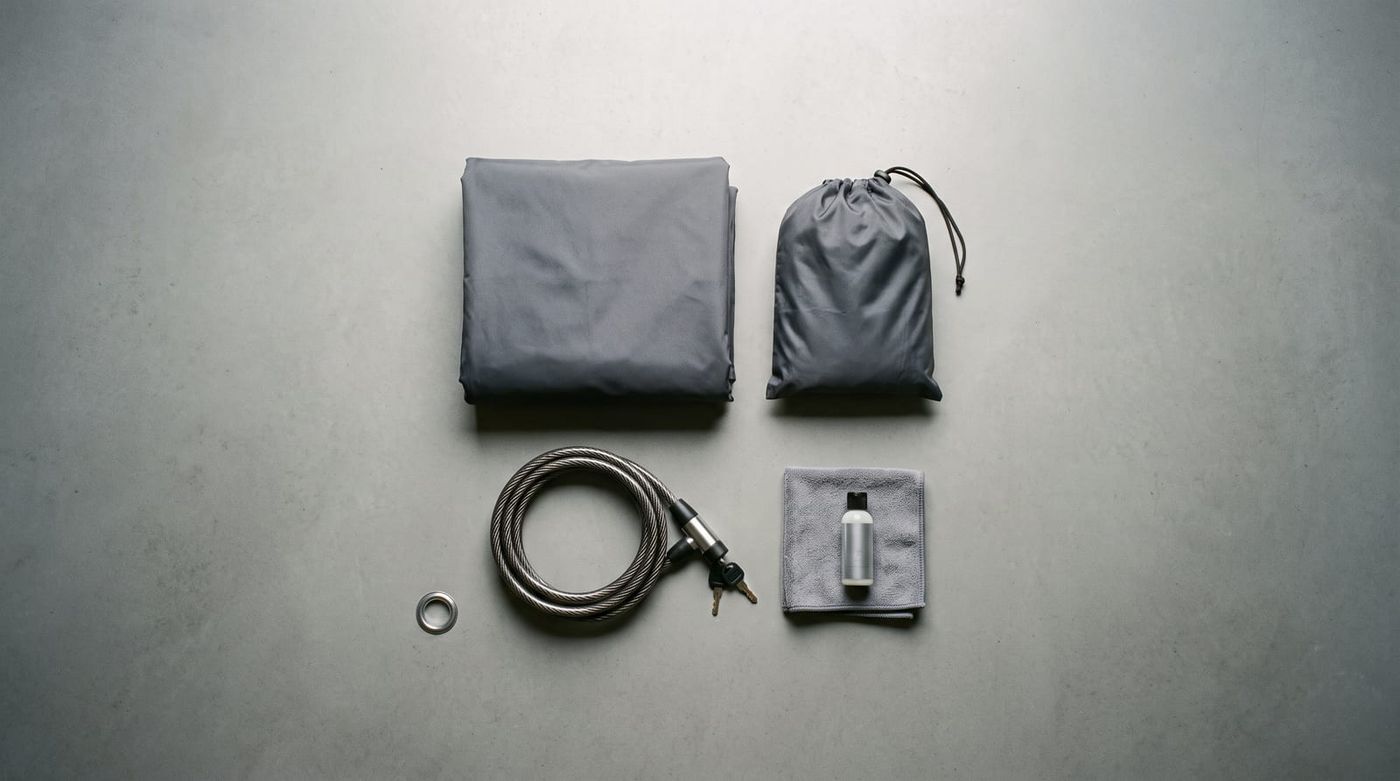
Before you touch the tape measure, get your setup right. Here's what you actually need:
- A fabric or retractable tape measure, 25 feet or longer (a metal tape works but bends awkwardly around the front fascia)
- Painter's tape or chalk to mark reference points so you're not guessing where you started
- A notepad or your phone to log every number as you go
- A second person, ideally, for the long length and width measurements
Park on level ground, not on an incline or a slanted driveway. Height and clearance numbers shift the second the truck isn't sitting flat, and even a small slope throws off the ground-to-rocker-panel measurement. Take a lap around the truck first and note anything installed that wasn't there from the factory: a bed rack, running boards, a roof rack, a tonneau accessory. Every one of those changes what "fits" actually means for a cover.
Step-by-Step: How to Measure Your Cybertruck
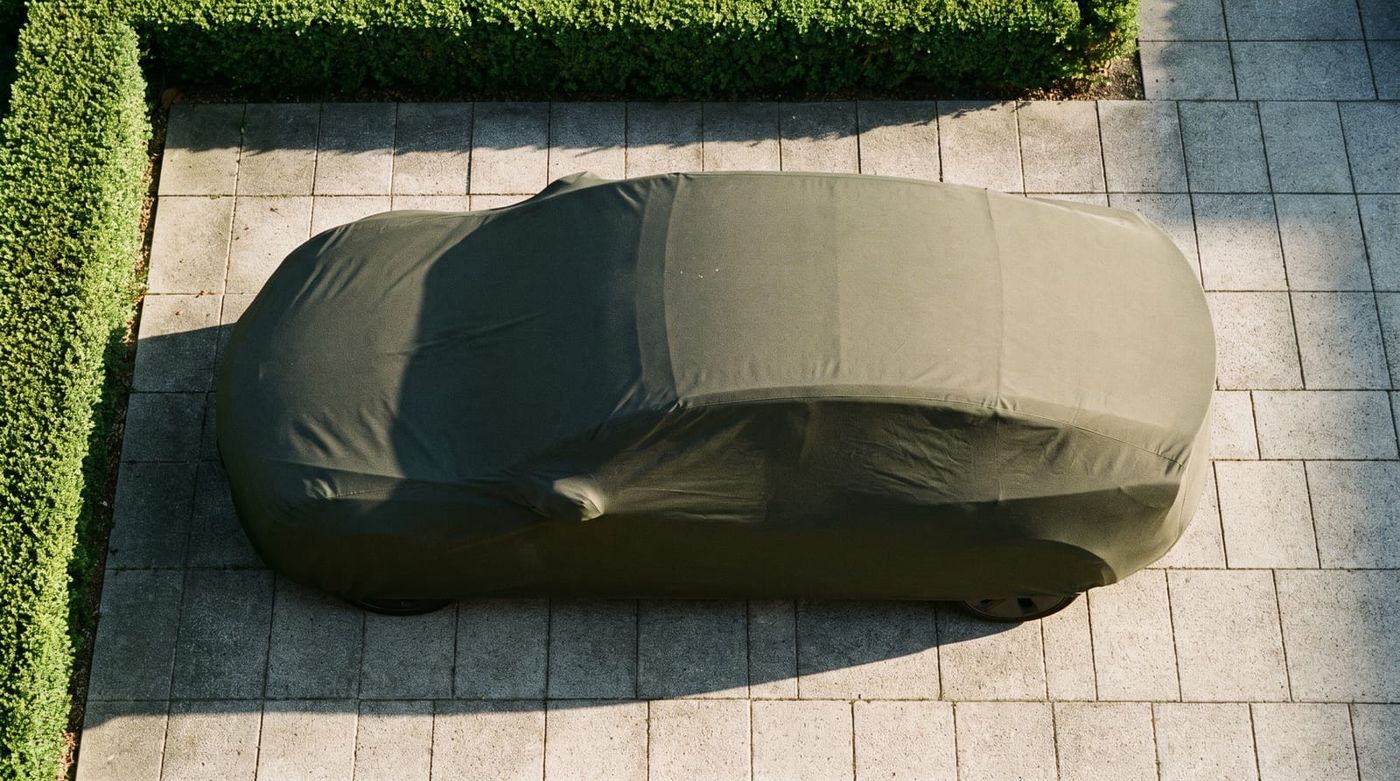
Work through these in order and write each number down as you get it.
Step 1: Overall length. Measure from the tip of the front bumper to the rear-most point of the tailgate or bed, keeping the tape level the entire way. Don't let it dip toward the ground in the middle. Two people makes this one a lot faster.
Step 2: Overall width. Find the widest point of the body, usually at the rear fenders, and measure straight across. Skip the mirrors for this number unless the cover you're eyeing is built with mirror pockets included.
Step 3: Mirror-to-mirror width. Extend both side mirrors fully and measure across them. This is often the actual widest point on the whole truck, wider than the fenders, and it's the number that tells you whether you need a cover with mirror pockets built in or one you'll have to fold the mirrors under.
Step 4: Overall height. Measure from the ground straight up to the highest point of the roofline. If there's a roof rack, antenna, or anything else added up top, note that height separately.
Step 5: Ground clearance. Measure from the ground to the rocker panel or the lowest point of the underbody. This tells you how far down the cover has to reach to actually protect the vehicle instead of stopping short.
Step 6: Bed length (if you're using a bed-specific cover). With the tailgate closed, measure from the front bed wall to the tailgate. If you're not sure what "normal" bed dimensions look like across trucks for comparison, the pickup truck bed size guide has more context.
Do each of these twice. Measurements that don't match on the second pass usually mean the tape wasn't level the first time, catch it now instead of after the cover shows up.
Cybertruck-Specific Measuring Considerations

Most cars have curves. The Cybertruck doesn't, and that changes things more than people expect. A universal cover cut for a rounded roofline will bunch up at the seams on flat steel panels, because there's nothing curved for the extra fabric to settle into. That bunching is exactly where wind gets underneath and starts flapping the cover around.
The front fascia sits lower than most trucks, and the underbody is more exposed too, so ground clearance measurements matter more here than on a typical pickup. Skip that step and you risk a cover that drags along the ground and picks up dirt, moisture, and grit with every gust.
If your Cybertruck has the retractable tonneau (the vault), measure it closed. That's how the truck sits parked most of the time, and that's the shape the cover needs to match. And don't lean on the spec sheet numbers Tesla publishes. Factory wheel and tire packages, the 35-inch off-road tires versus the standard set, can shift overall width and height by an inch or more. An inch doesn't sound like much until the cover won't stretch over the tires or leaves the fenders exposed. Measure the truck sitting in your driveway, not the one in the brochure. A properly fitted waterproof car cover depends on getting this part right, since standing water on those flat panels is one of the more common complaints with a poorly matched cover.
Common Measuring Mistakes to Avoid
A sagging tape measure is the quiet killer here. If the tape dips even slightly between two points, you're recording a shorter number than reality, and that shows up as a cover that's just a little too tight everywhere. Keep it taut and level, every time.
Ignoring the mirrors is another one. People measure body width, skip the mirror-to-mirror number, and then wonder why the cover won't stay secured overnight. Roof racks and bed accessories cause the same problem: a cover sized for the bare truck won't clear an add-on, and it'll pull, stretch, or tear trying to fit around it anyway.
Don't substitute the factory spec sheet for a real tape-measure number either. Trim level, tire package, and any accessories all shift the real dimensions away from what's printed in the manual. And if you install anything new after buying a cover, a brush guard, a bed rack, whatever, go back and re-measure. It only takes a few minutes, and it's a lot cheaper than ordering twice.
Turning Your Measurements Into the Right Cover Fit
Once you've got all six numbers, you're deciding between two paths: a custom-fit cover built specifically for the Cybertruck's shape, or a semi-custom or universal truck cover that uses adjustable straps to take up the slack. The Cybertruck-specific cover page is built around this vehicle's actual proportions, angular panels and all, which is the more direct match if your measurements line up with the vehicle's factory dimensions.
A cover cut to those real numbers cuts down on wind flutter and keeps water from sitting on the flat surfaces the Cybertruck is known for. That's the whole point of doing this measuring work in the first place. If your truck has extras that change the shape, running boards, a bed rack, oversized tires, a custom-fit car cover built around your specific configuration is worth comparing against the standard option. And once the cover's on, installing it without dragging fabric across the steel makes a real difference too, this simple guide to installing a car cover covers the basics. For those keeping the truck outside full-time rather than in a garage, it's also worth looking at what an outdoor car cover needs to hold up to that a garage-kept cover wouldn't.
If you're still weighing options after taking your measurements, the cover finder tool will match your numbers against what's actually available.
Next Steps: Protecting Your Cybertruck Year-Round
Six numbers, that's really all this comes down to: length, width, mirror-to-mirror width, height, ground clearance, and bed length if you need it. Save them somewhere you'll actually find again, a note on your phone works fine, since you'll want them handy if you ever need to reorder or exchange a cover down the line.
Once the cover's picked out, the next questions tend to be about keeping it from scratching that steel body during install, and how it holds up outside through sun, rain, and snow over the long haul. Both are worth thinking through before the cover arrives, not after.
If you've got your numbers in hand, take a look through the truck cover options sized around them, and if you want more guides like this one before you buy, it's worth poking around and subscribing for updates as new ones go up.
