
How to Prevent a Car Cover From Fading: 6 Steps to Keep Colors Sharp
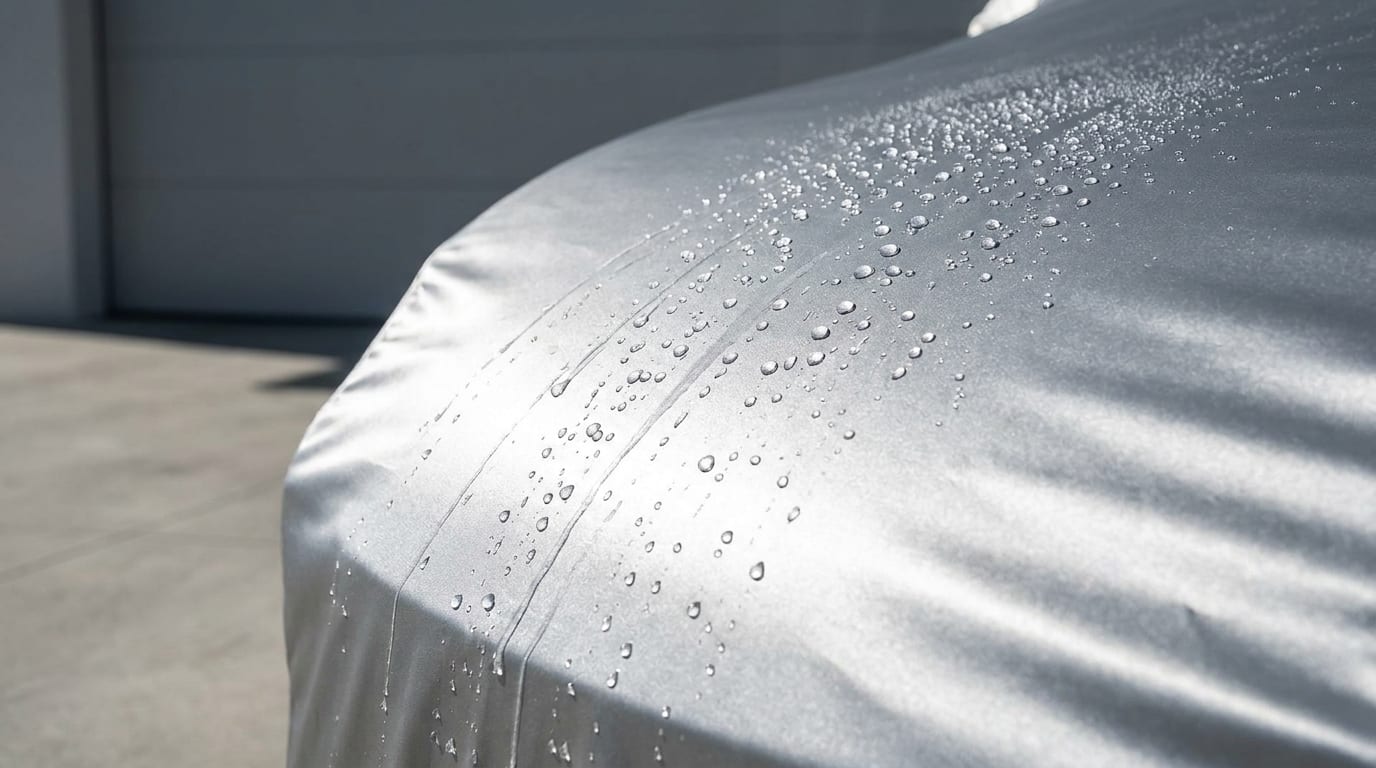
A faded car cover is the fabric equivalent of gray hair. It happens to almost every outdoor cover eventually, but how fast it happens is mostly up to you. If you're trying to figure out how to prevent a car cover from fading, the answer isn't one trick, it's a handful of small habits around material choice, cleaning, and storage that add up over a season. Get those right and a cover that would've looked chalky and thin after a year can still look sharp two or three years in.
Why Car Covers Fade in the First Place
UV radiation is the main culprit. Sunlight beats down on the fabric day after day, and over time that constant exposure breaks down the dye molecules and the fibers holding them. This is the same reason a flag left outside all summer looks washed out by fall, just slower, because a car cover is thicker and often treated to resist it.
Heat cycling doesn't help either. A cover baking in 95-degree heat and then cooling overnight expands and contracts constantly, which stresses the fabric. Add in moisture trapped underneath from morning dew or a rushed cover-up after washing the car, and you've got a recipe for mildew stains and dye breakdown working together.
Here's the part people miss: fading isn't just cosmetic. It's usually the first visible sign that the fabric itself is breaking down. If the color's going, the UV-blocking layer and water resistance underneath are typically degrading too. A cover that's gone pale white in patches isn't protecting your paint the way it did when you bought it.
You can't stop fading entirely if the cover lives outdoors. Sun is sun. But the right material and a few consistent habits will slow the process dramatically, stretching a cover's useful life by years instead of months.
Step 1: Start With a UV-Resistant Cover Material

Not every cover fabric handles sun the same way. A basic dust cover made for garage use has zero business sitting outside all week, and it'll fade, chalk, and thin out fast if you ask it to. Look specifically for covers rated for UV and sun protection, not just "weatherproof" in a general sense.
Before buying, check the fabric composition and denier rating. Tighter weaves and UV-treated coatings resist color breakdown far longer than loose, lightweight fabrics. A cheap universal cover might look fine on the shelf and then fade within a few months outdoors, simply because it was never built for that environment.
Matching the cover to your actual climate matters more than people think. A light-duty indoor cover pressed into outdoor service will degrade faster than almost anything else you could put on the car. If you're shopping and unsure what fabric fits your situation, the outdoor car cover buying guide walks through the weatherproof materials worth considering before you spend money on the wrong one.
Step 2: Clean the Cover Regularly to Remove Abrasive Debris
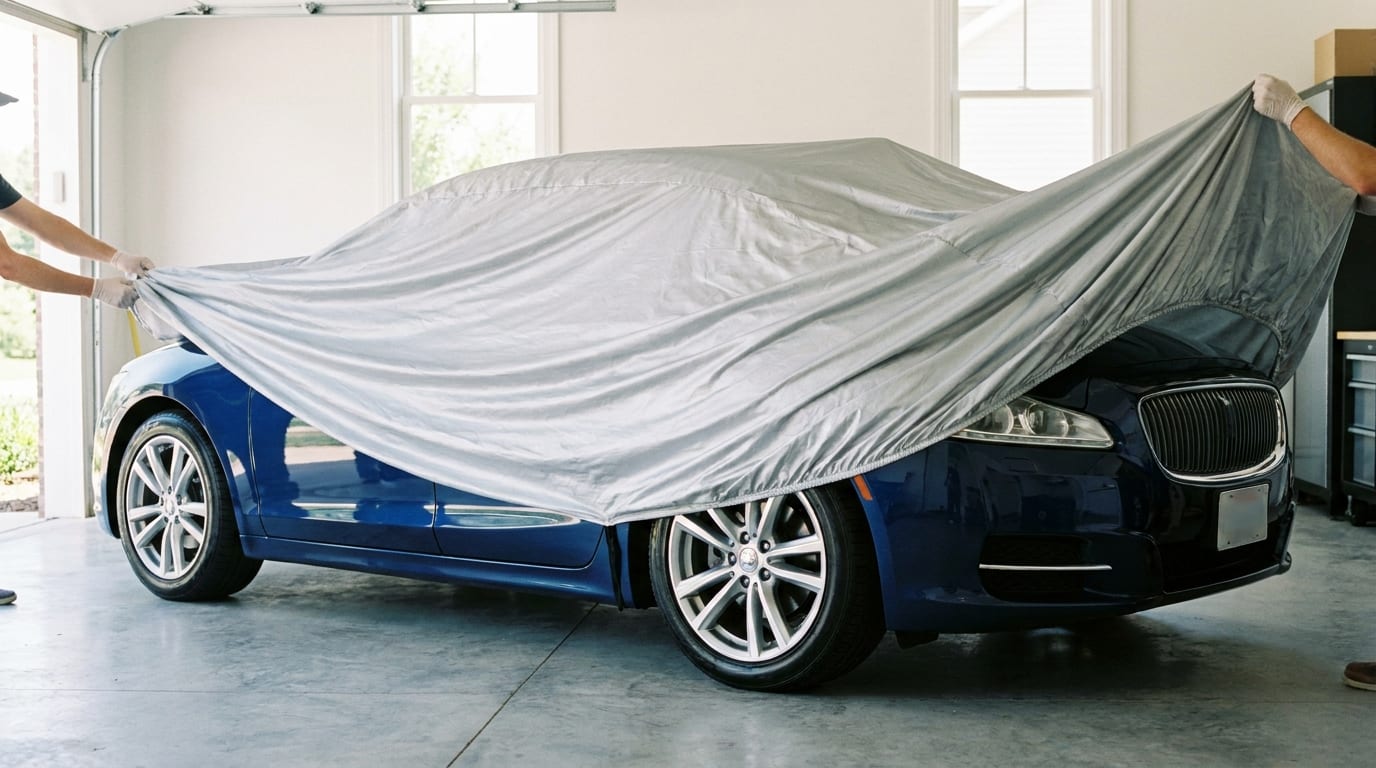
Dirt, pollen, and road grit don't just sit on the cover, they grind into it. Every time wind flexes the fabric, that trapped debris acts like fine sandpaper against the fibers, wearing down the surface and the color with it. It's a slow process, but it's constant.
A rinse and mild soap wash every two to four weeks is a reasonable baseline for an outdoor cover. If you're in a high-pollen area in spring or somewhere dusty year-round, tighten that up. Waiting months between washes just gives grit more time to do damage.
Skip the pressure washer and the stiff-bristle brush. Both can scuff coated fabric surfaces and strip away UV treatments faster than the sun would on its own, which defeats the purpose of washing in the first place. For the actual technique, the step-by-step cleaning guide covers proper wash and dry methods that won't wear down the fabric while you're trying to protect it.
Step 3: Store the Cover Properly When It's Not On the Vehicle
Balling up a damp cover and tossing it in a hot trunk feels harmless. It isn't. That combination of trapped moisture, heat, and creasing is exactly what causes mildew spots and uneven fading in storage, sometimes worse than what the cover would've seen outdoors.
Dry the cover fully before folding it. Then store it in a breathable bag, somewhere out of direct sunlight and away from extreme heat, like a hot garage rafter in July. A dedicated storage bag, which often comes included with better covers, keeps dust off and blocks UV exposure during the stretches when the cover isn't on the car at all.
This step gets skipped constantly because it feels like a minor detail. It isn't. A cover that spends its "off time" crumpled in a hot corner is aging just as fast in storage as it would be sitting on the vehicle. The dedicated storage guide has the full walkthrough on drying, folding, and ideal storage conditions if you want to get this exactly right.
Step 4: Avoid Harsh Chemicals and Improper Washing Products
Bleach, ammonia-based cleaners, fabric softener, and standard laundry detergent with brighteners all strip UV coatings and dyes right off the fabric. They might make the cover smell fresh for a week, but they're actively working against everything you're trying to preserve.
Use a mild soap made for outdoor fabrics, or whatever the manufacturer recommends. It's a small thing, but it's the difference between a cover that holds its color for years and one that fades in a single season because of what was in the wash water.
Machine washing and drying most covers isn't recommended either. Dryer heat can bake in fading and shrink elastic hems, which then throws off the fit of the whole cover. And if a stain shows up, treat it immediately with a spot clean rather than letting it sit. Aggressive scrubbing later to remove a set-in stain does real damage to the color and the coating, damage that a quick wipe now would've avoided entirely.
Step 5: Reduce Direct Sun Exposure Where Possible
Even with a UV-rated cover, parking in a garage, carport, or shaded spot whenever you can still matters. The cover is doing its job either way, but less sun exposure means less work for it to do, and that adds up over months and years.
If your usual parking spot gets shade in the morning and full sun by afternoon, consider rotating where you park. Otherwise one panel of the cover, usually the roof and hood, takes the brunt of UV exposure every single day while the rest stays relatively protected. That uneven exposure is why some covers fade unevenly, with a bleached top and a still-vibrant underside.
For long stretches where the car isn't moving, an off-season or an extended trip, pairing the outdoor cover with actual indoor storage extends color life noticeably. If that's not practical, at least know that darker cover colors absorb more UV and tend to show fading faster than lighter or reflective fabrics. It's worth factoring into which cover you buy in the first place, something the outdoor car covers and indoor car covers categories both address depending on how and where you're storing the vehicle.
Quick Checklist: Protecting Your Car Cover's Color
Short on time? Here's the fast version of everything above.
- Choose a UV-rated fabric built for outdoor use, not a basic dust cover
- Wash every 2 to 4 weeks with mild soap, more often in dusty or high-pollen areas
- Dry the cover fully before folding it
- Store in a breathable bag, out of direct sunlight and heat
- Skip bleach, ammonia cleaners, and fabric softener
- Park in shade whenever you can, and rotate spots if shade patterns shift
Check the cover monthly for early signs of fading or stiffness. Catching fabric breakdown early means you can adjust your routine before it starts affecting the paint protection underneath, instead of finding out the hard way.
Keep Your Cover - and Your Paint - Looking Its Best
Three things move the needle most: consistent cleaning, correct storage, and choosing the right fabric before you ever put the cover on the car. Get those right and everything else in this guide is just maintenance.
Worth repeating: a faded cover isn't only a look problem. It's usually telling you the UV blocking and weather resistance underneath have already started slipping, which means your paint is picking up the slack. If you're shopping for something built to hold up longer in the first place, browse CarCovers' outdoor and custom-fit covers made with UV-resistant materials for better long-term color retention, and check out the car care hub for more on keeping the rest of the vehicle in shape too. Worth bookmarking if you're the type who likes to stay ahead of maintenance instead of reacting to it.
