
How to Waterproof a Car Cover: A Step-by-Step Guide
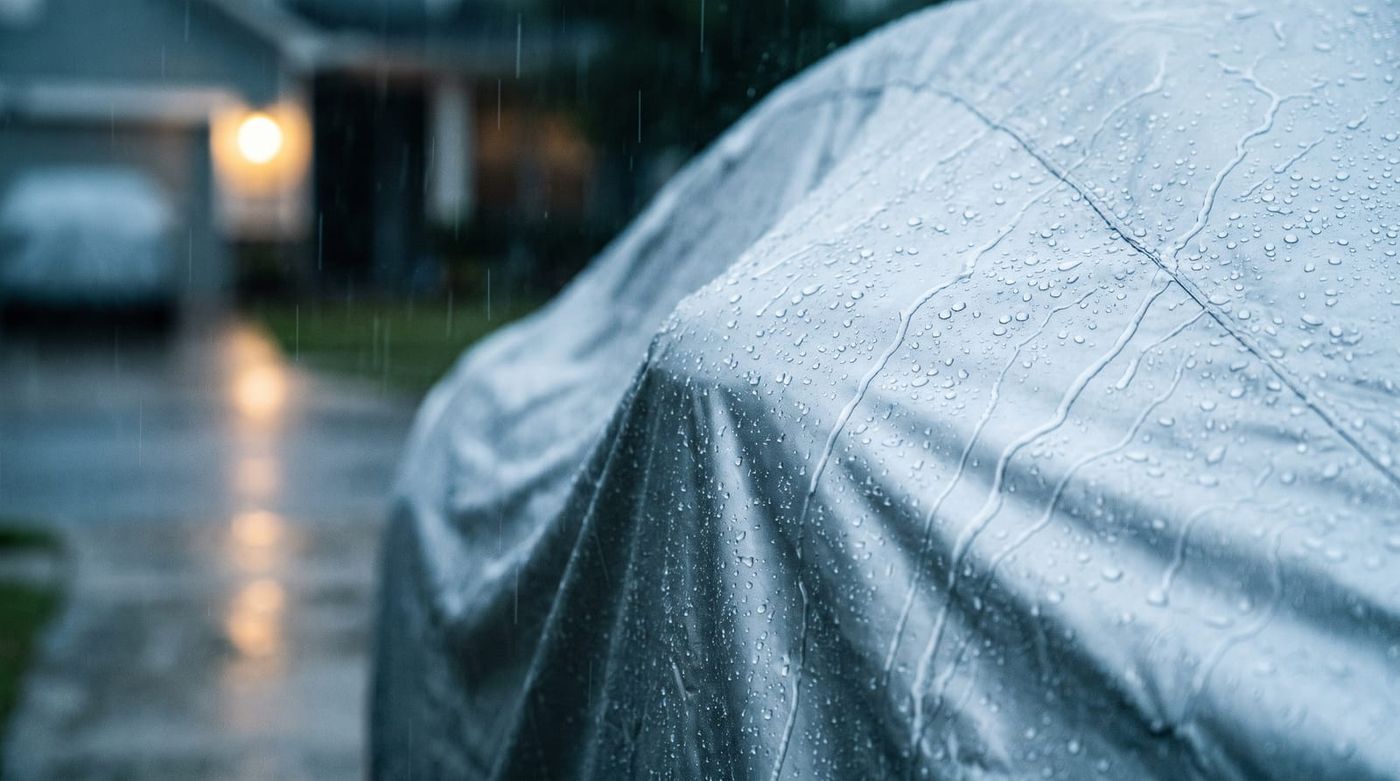
How to Waterproof a Car Cover
To waterproof a car cover, apply a fabric-specific waterproofing spray (silicone or fluoropolymer-based sealant works best) evenly across a clean, dry cover, then let it cure fully before you put it back on the vehicle. Reapply every few months, or sooner if you've just run the cover through a wash, to keep the water-repellent layer active.
That's the short version of how to waterproof a car cover. But it only really applies to covers that didn't come pre-treated from the manufacturer. A lot of outdoor-rated covers already have a factory coating baked into the fabric, and spraying more sealant on top of that can do more harm than good.
Do all car covers need waterproofing?
No, and this is where a lot of people waste a can of spray. There's a real difference between "water-resistant" and "waterproof." Water-resistant fabrics slow moisture down, waterproof fabrics block it outright, and most quality outdoor covers are treated at the factory to do one or the other before they ever ship.
Where waterproofing sprays actually earn their keep is on older covers. Untreated cotton, felt, and aging polyester lose their water repellency over time, especially after repeated washing or a few brutal summers of UV exposure. If your cover is a few years old and rain is soaking through instead of beading up, that's your sign.
Before you buy a bottle of sealant, check the tag or the original product listing. Look for the words "water-resistant," "waterproof," or "breathable." If it's already rated waterproof, adding more coating is redundant, and sometimes counterproductive. If you'd rather skip the maintenance altogether, browsing waterproof car covers built with the coating already in the fabric is the simpler route.
What materials and products work best for waterproofing a cover?
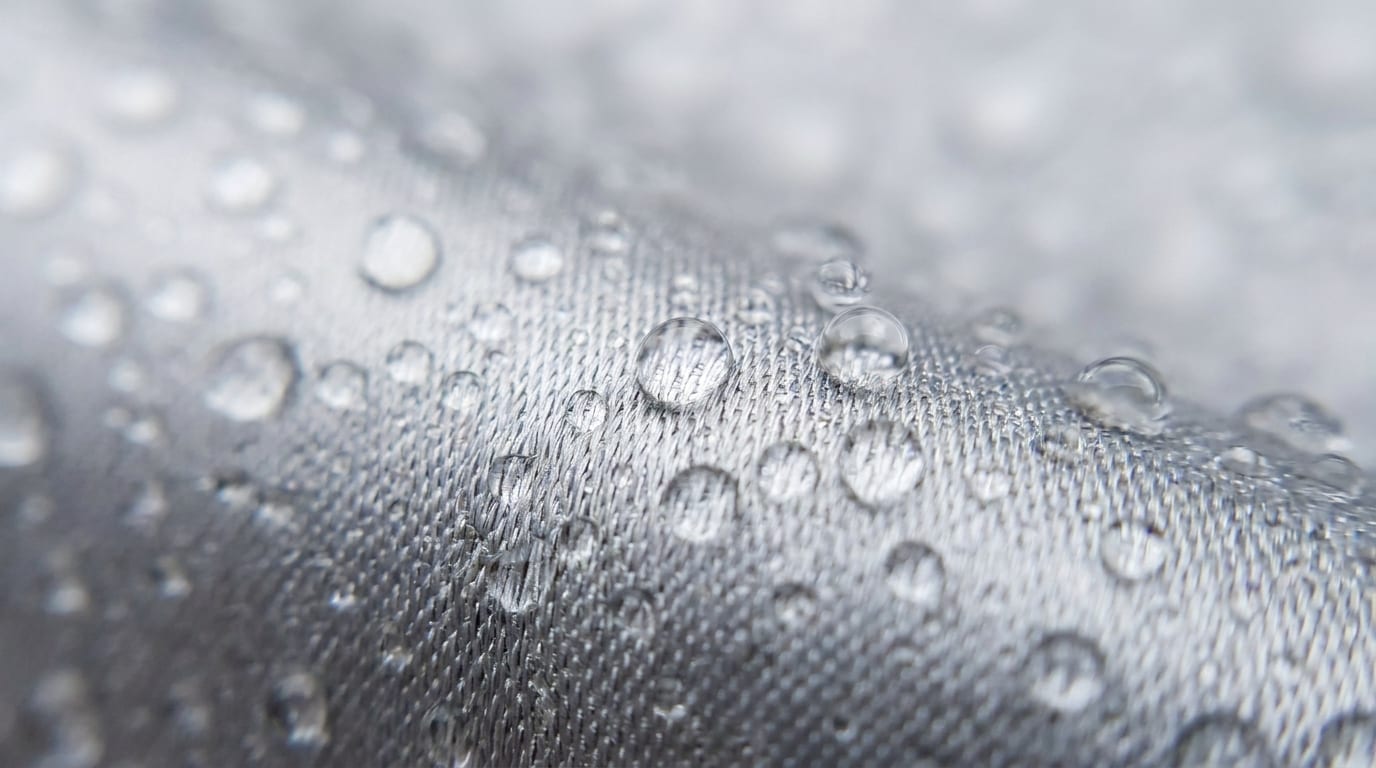
Not all sprays are created equal, and the wrong one can ruin a good cover.
Silicone-based sprays
- Best for: General outdoor covers, quick reapplication
- Trade-off: Repels water well but can leave a slightly tacky finish if overapplied
Fluoropolymer treatments (Scotchgard-style)
- Best for: Breathable fabrics that need water repellency without sealing the weave
- Trade-off: Costs more, but preserves airflow better than silicone
Wax-based sealants
- Best for: Heavier canvas or cotton-blend covers
- Trade-off: Can build up over multiple applications and stiffen the fabric
Skip the generic tarp waterproofing sprays sold at hardware stores. They're built for a completely different job. Tarp sealants tend to clog the weave on breathable car cover fabric, which traps condensation underneath instead of letting it escape, and trapped moisture against your paint is exactly what you're trying to avoid in the first place.
The fabric itself matters just as much as the spray. Polyester, polypropylene, and poly-cotton blends all take treatment differently, and if you're not sure what your cover is made of, our breakdown of what makes the best car cover material walks through how each one handles water, breathability, and long-term wear. The short version: breathable covers need a treatment that beads water off the surface without sealing every gap in the weave shut.
How do you apply a waterproofing spray to a car cover step by step
Here's the process, and it's not complicated as long as you don't rush the drying steps.
Step 1: Wash and fully dry the cover first. Treatment doesn't bond to dirt or oil, it bonds to clean fiber. Follow the process in our guide on how to clean a car cover so you're not spraying sealant over grime.
Step 2: Lay the cover flat. Outdoors on a clean surface or draped over the vehicle works, just find a shaded, ventilated spot. Direct sun can make the spray flash-dry unevenly before it soaks in.
Step 3: Spray in even, overlapping passes. Hold the can 6 to 8 inches from the fabric. Pay extra attention to seams, corners, and anywhere the cover gets rubbed or pressed against the car, since those spots wear thin first.
Step 4: Let the first coat absorb for 10 to 15 minutes, then hit it again. One heavy coat almost never beats two light ones. The second pass fills in anything the first coat missed.
Step 5: Cure fully before folding or storing it. Most products list 24 hours on the label. Don't fold a damp-cured cover into a storage bag, the fabric needs to breathe while it sets or you'll trap the chemical smell (and sometimes moisture) inside the fibers.
How often should you reapply waterproofing treatment?

As a general rule, plan on reapplying every 3 to 6 months for a cover that lives outside year-round, or after every 2 to 3 machine washes, whichever comes first.
Heat and UV exposure break the coating down faster than most people expect. So does heavy, repeated rain or a season of snow sitting on top of the cover. If your car lives somewhere with intense sun or a genuinely wet climate, lean toward the shorter end of that window.
There's a simple test that tells you exactly where you stand: pour a small amount of water on the fabric. If it beads up and rolls off, the treatment's still doing its job. If it soaks in and darkens the fabric, it's time to reapply. Run this test every couple of months and you'll never have to guess.
Fold this into a regular seasonal routine rather than treating it as a one-off task. Checking your straps, giving the cover a wash, and testing the waterproofing all belong on the same checklist, and our guide to using a car cover outdoors covers the rest of what outdoor storage throws at a cover beyond just rain.
Can a tarp be waterproofed and used instead of a car cover?
People try this shortcut constantly: grab a tarp, spray it down, throw it over the car. It's cheaper up front, and it looks fine for about a week.
Here's the problem. Tarps aren't built to breathe. They trap moisture underneath instead of letting it escape, so any condensation that forms overnight just sits against your paint until the sun burns it off, or doesn't. A tarp flapping in the wind will also scratch clear coat in ways a fitted cover never will, because it's not shaped to the car and has nowhere to go but rub. We go deeper into this comparison in why a tarp isn't better than a car cover, but the short version is that a properly fitted, breathable cover beats a treated tarp every time for anything longer than a quick overnight fix.
Signs your cover needs re-waterproofing or replacement
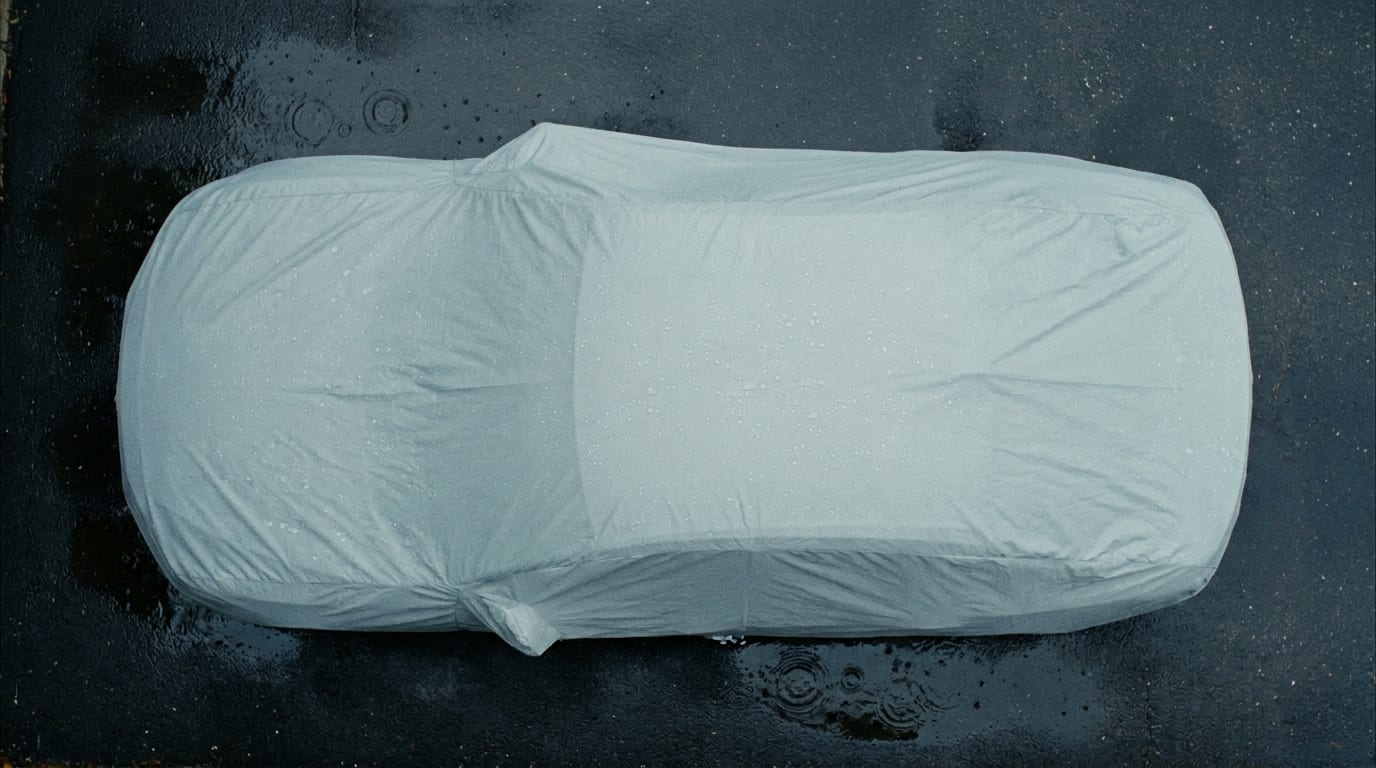
Not every problem gets solved with another can of spray. Some signs mean the cover's actual lifespan is running out.
Water soaking straight through instead of beading, a musty smell after it rains, or damp patches on the vehicle underneath the cover: these all point to a coating that's given up. Re-treating usually fixes it, at least for another few months.
But fading, thinning fabric, or seams that are fraying at the stitch line aren't fixable with a spray bottle. That's material fatigue, and no amount of sealant restores fabric that's already breaking down. Trying to keep treating a cover in that state is money spent chasing a problem the fabric itself can't support anymore.
If you're patching the same spots every season, it's time to stop retreating and start shopping. A fresh outdoor car cover built for daily weather exposure will outlast another round of spray on a cover that's already past its prime.
Keep your car dry with the right cover and care routine
Waterproofing spray buys time on a cover you already own and like. It won't turn a worn-out cover into a new one, and it's not a substitute for buying something rated for outdoor use from the start.
If you're tired of the upkeep, it might just be simpler to start with a cover that's already built for it. And if you want more on the maintenance side, cleaning schedules, storage tips, seasonal prep, there's more waiting for you whenever you're ready to dig in.
