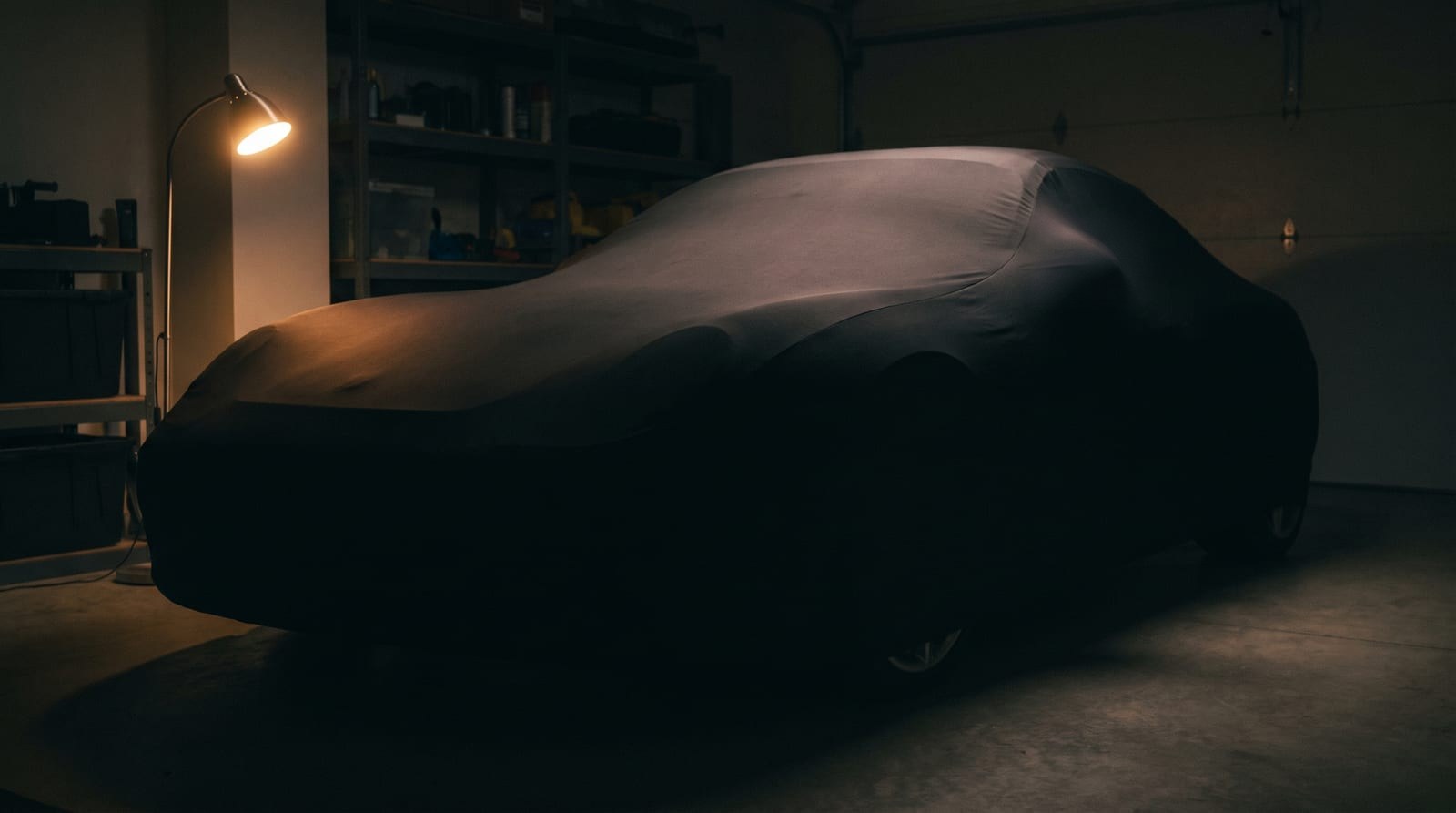
Indoor Car Cover for Cadillac Escalade: Soft Lining & Dust Protection for Garage Storage
Parking an Escalade in the garage doesn't mean the paint is safe. Drywall dust from a weekend project, pollen drifting in through an open door, a dropped wrench, the kid's bike leaning a little too close. All of it settles on the hood whether you notice or not. That's why an indoor car cover for Cadillac Escalade owners isn't an overkill purchase, it's the thing that actually catches what your garage can't keep out.
Why a Garage-Kept Escalade Still Needs an Indoor Cover
People assume "indoors" means "protected." It doesn't. Garages are full of dust sources you stop noticing because you live with them: sawdust from a shelf you built last spring, lawn equipment stirring up grass clippings, pollen riding in on your shoes. None of that needs rain to land on your SUV.
The Escalade makes this worse in a specific way. Its hood, roof, and doors are big, flat, glossy panels, exactly the kind of surface that shows every swirl mark and fine scratch under garage light. A smaller car with more body lines can hide some of that. An Escalade can't.
This is also where indoor covers differ from the outdoor kind. Outdoor covers are built around waterproofing and UV resistance, because they're fighting rain and sun. Indoors, none of that matters. What matters is a soft lining that won't scuff the clear coat and a fit tight enough to keep dust from creeping underneath. That's the whole focus of this guide: softness, dust protection, and getting the fit right for a vehicle this size, whether you cover it every night or just for the winter.
What Makes an Indoor Cover 'Soft Lining' Protection
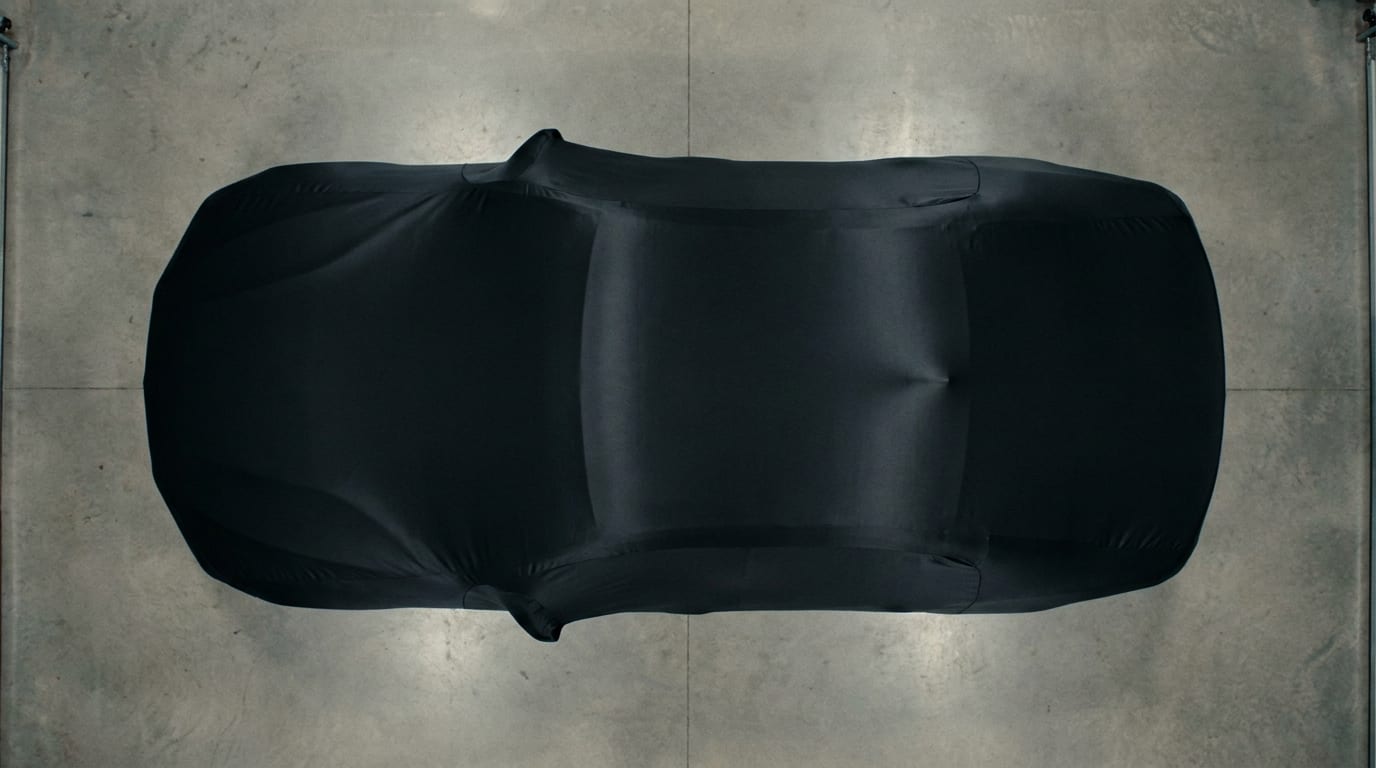
The outer shell of an indoor cover barely matters. What matters is the inside, because that's the layer sitting directly against your clear coat for hours, sometimes weeks. A cover lined in fleece or satin-style fabric is doing a completely different job than a thin universal sheet: it's designed to not fight the paint.
Here's the mechanism most people miss. A cover doesn't need to be dragged across the car to cause damage. Even a small shift, a breeze from the garage door opening, someone brushing past it, is enough to grind trapped dust particles into the finish if the lining underneath is stiff or rough. That's what installers call cover marring, and it's avoidable with the right lining.
Breathability plays into this too. A lining that traps moisture or builds up static ends up pulling dust onto its own inside surface, which just relocates the problem instead of solving it. And fit matters more than people expect: the Escalade's running boards, roof rails, and long rear liftgate all create spots where a loose cover sags and rubs. A cover built with some stretch and contouring sits snug against those features instead of billowing and chafing every time the HVAC kicks on. If you want a deeper breakdown of how indoor-specific covers are built, the guide to using car covers inside covers the construction differences in more detail.
Dust Protection: What an Indoor Cover Actually Blocks
Let's be specific about what's actually landing on an uncovered Escalade in a garage. Settling dust, obviously. Pet hair, if you've got a dog that treats the garage like part of the house. Workshop debris if you use the space for projects. Overspray if anyone's painting or staining anything nearby. And the physical stuff: a rake that tips over, a bike pedal that catches the door.
A full-coverage cover with elastic hems and a snug underbody line stops most of this from reaching the paint at all, and just as importantly, it keeps dust from sneaking underneath and sitting there for weeks. That second part is where cheap covers fail. A thin universal-fit cover made for "mid-size to large SUVs" often leaves gaps at the Escalade's extended wheelbase or tall roofline, especially on the long-wheelbase ESV. Dust finds those gaps immediately.
Before buying, check where the cover actually closes. Mirror pockets and antenna points are the usual weak spots, the places where a cover gaps open and dust (or a stray scratch) gets its start. A cover that's genuinely built for the Escalade's SUV category should account for those points by design, not leave you tucking fabric in yourself every time.
Custom Fit vs. Semi-Custom for Escalade's Size and Shape
This is really a question about how much loose fabric you're willing to live with. A custom-fit cover is cut to the Escalade's exact trim and wheelbase dimensions, which means minimal slack and minimal fabric movement. For long-term garage storage, that matters more than almost anything else on this list, because slack is what causes the slow-motion friction that marks up paint over months.
Semi-custom and universal SUV covers cost less upfront, but they're built to a size range, not your specific vehicle. That means you're the one managing the slack: gust straps, elastic hems, manual cinching, every time you cover the car. It can get you to the same dust-blocking result, it just takes more effort and more vigilance to keep the fit tight.
One practical note before buying either kind: measure your Escalade's roofline height and overall length against its generation. The short-wheelbase Escalade and the long-wheelbase ESV are not interchangeable, and length mismatch is the single most common reason these covers get returned. The sizing guide walks through how to measure correctly before you order.
Choosing Between Indoor Cover Tiers for Your Escalade
Think about how you're actually using the garage. Daily indoor storage calls for a cover that's easy to pull on and off and easy to wash, because it's getting handled constantly. Long-term seasonal storage is the opposite problem: you want a denser lining and a tighter seal, since the cover might sit untouched for months.
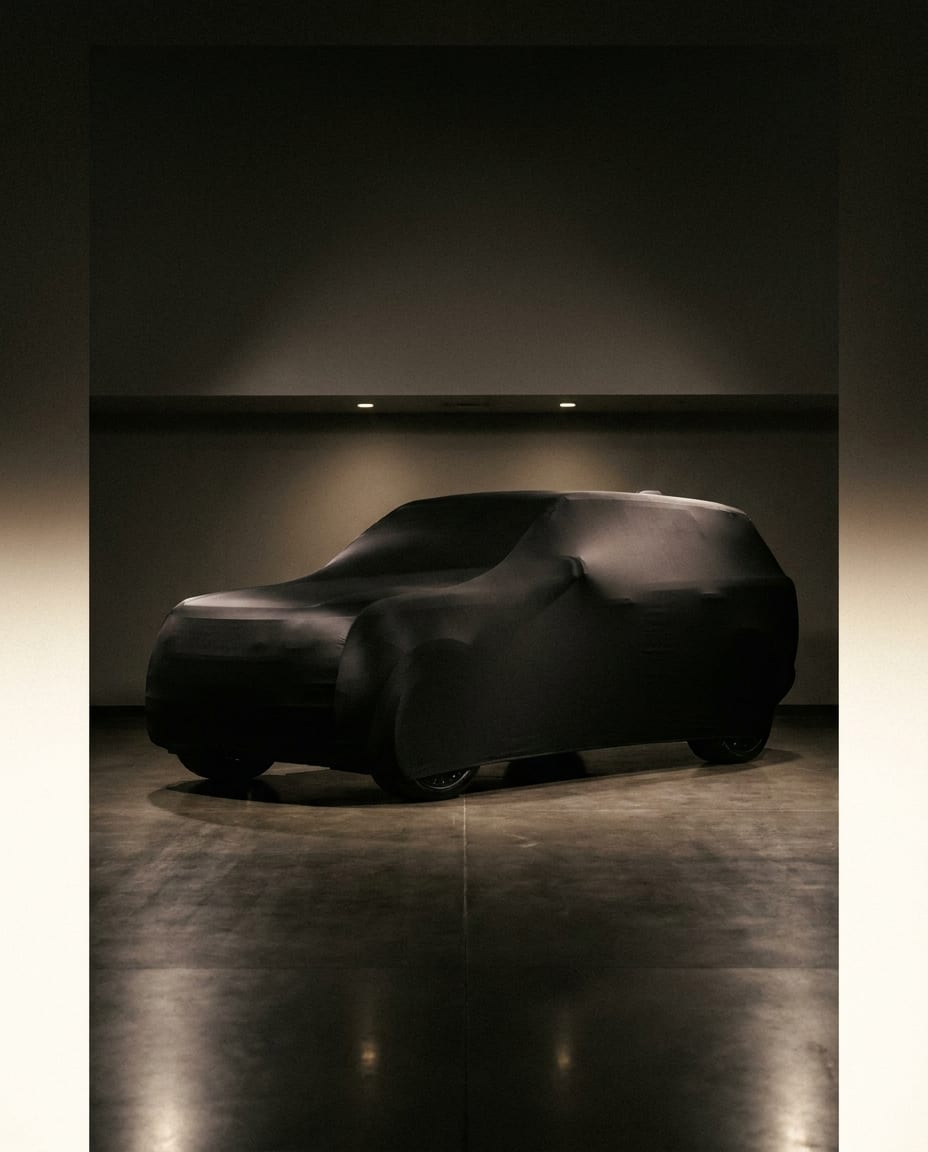
A satin or black-finish indoor cover is the common pick for Escalade owners who want that showroom look preserved. It also doesn't show lint the way lighter-colored fabrics do, which matters on a vehicle with this much visible black trim and glass. If your garage doubles as a workshop or storage for bikes and lawn equipment, look for a multi-layer indoor cover with a built-in dust-barrier layer. That extra layer is the difference between "protected from ambient dust" and "protected from an actual workshop environment."
Quick checklist before you check out:
- Confirmed fit for your Escalade's model year and wheelbase
- Soft, non-abrasive lining (fleece or satin-style, not a stiff liner)
- Elastic hem or strap closure to reduce slack
- Washable fabric that won't degrade with regular care
If you want to browse options built specifically around Cadillac fit data, the Cadillac cover page is the right starting point, and the indoor black satin cover is the specific soft-lining product most of this guide has been describing.
Installing and Maintaining Your Indoor Cover
Installation order matters more on a vehicle this size than people expect. Start at the mirrors. Secure the mirror pockets first, then work front to back, so you're not dragging fabric across the hood and windshield while you position the rest of the cover. Dragging a dusty cover across glass is its own mini sanding job.
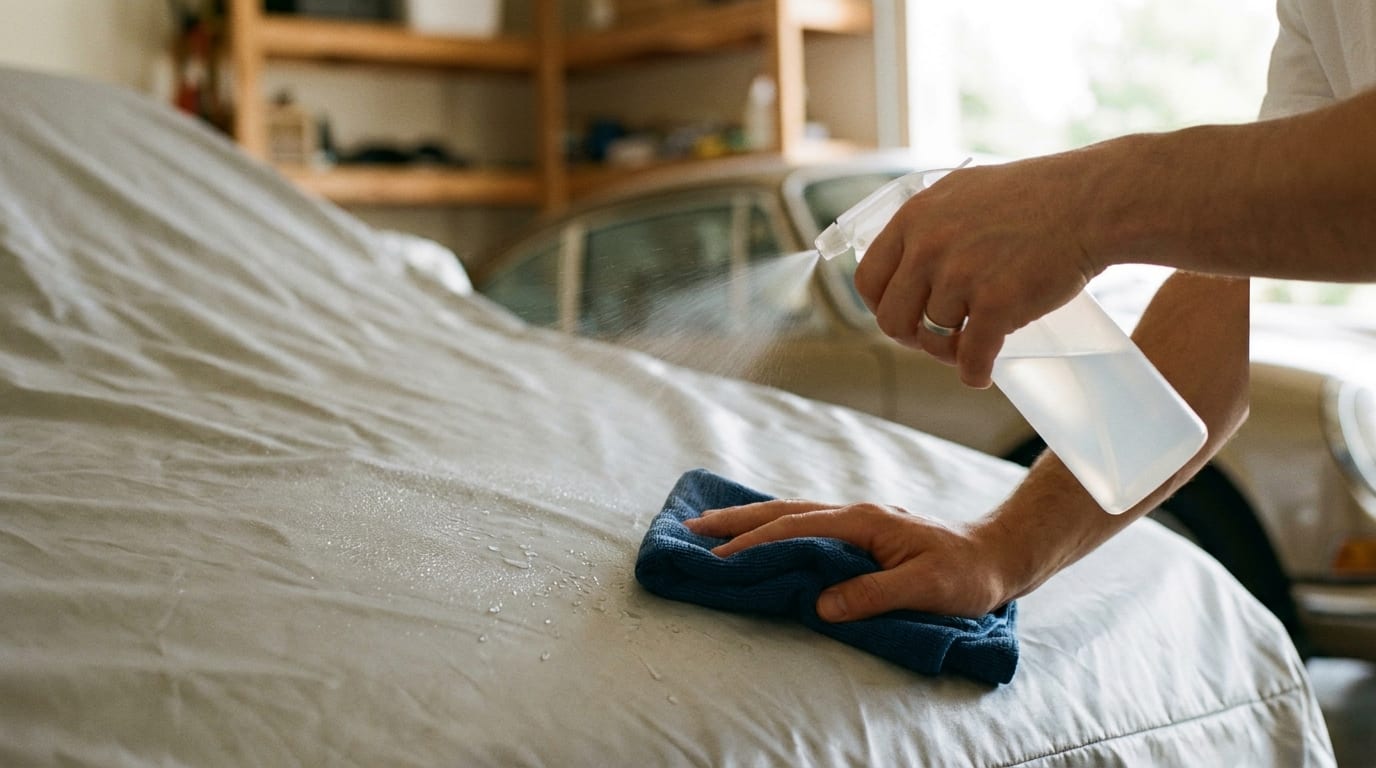
Don't cover the Escalade dirty or damp. It sounds obvious, but it's the most common mistake: trapping existing dust or moisture under the lining just seals the problem in, which defeats the entire point of using a cover in the first place.
A simple maintenance routine keeps the lining doing its job:
- Shake the cover out before each use to knock loose any dust it's already collected
- Spot-clean the lining according to the fabric's care instructions, not generic laundry settings
- Never fold or store it while damp, that's how mildew smell gets baked into the lining
Check it periodically for loose stitching or wear around the mirror pockets specifically. That's the highest-friction point on any indoor cover and usually the first place it starts to fail. For a full walkthrough, the installation guide and the cover cleaning guide cover both ends of this in more detail.
Get the Right Indoor Cover for Your Escalade
For a garage-kept Escalade, the math is simple: soft lining and a snug, full-coverage fit do more work than waterproofing ever will indoors. A confirmed model-year fit is what actually prevents the gaps where dust gets in and scratches start, not a thicker fabric or a bigger price tag.
If you're ready to look at options, start with the Cadillac-specific cover page and the indoor black satin cover discussed throughout this guide, both are built around the fit and lining details that matter for this vehicle. And before you commit to any indoor car cover for Cadillac Escalade, it's worth a quick read of the warranty terms, since a cover used daily sees more handling wear than one that only comes out twice a year. If you're not ready to buy yet, why buy a car cover is a good next read, and our articles section has more on keeping a garage-stored vehicle looking the way it did on day one.