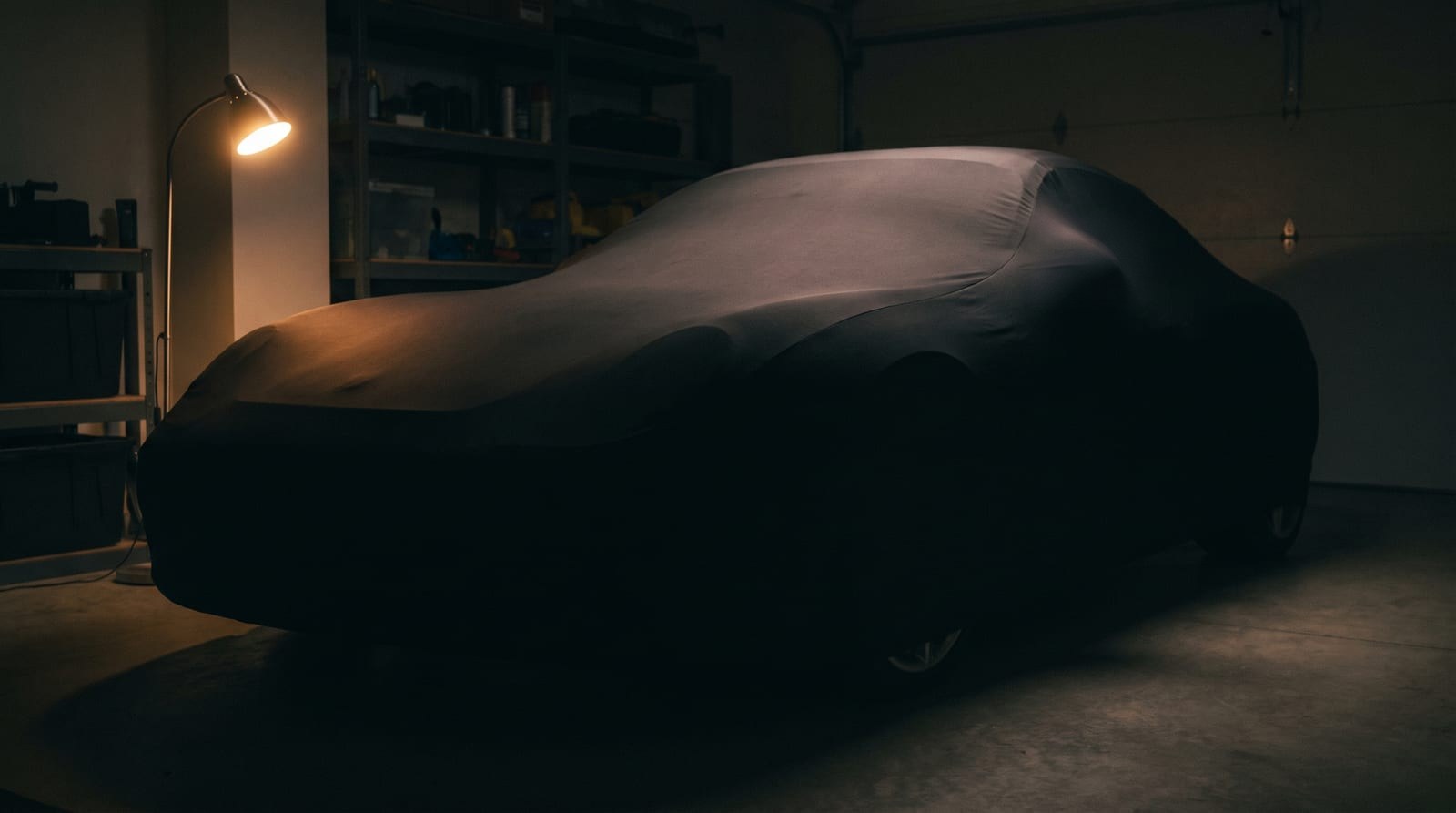
Indoor Car Cover for Chevrolet Corvette: Soft Lining & Dust Protection for Garage-Kept Cars

A Corvette that lives in a garage still picks up dust, and dust is abrasive enough to dull a clear coat over time. If you're weighing an indoor car cover for Chevrolet Corvette storage, the real question isn't whether you need protection, it's which kind. Outdoor covers solve rain and UV. Indoor covers solve something quieter: the fine grit and daily bumps that happen right where you park.
Why a Garage-Kept Corvette Still Needs an Indoor Cover

A closed garage feels clean. It isn't. HVAC vents circulate air (and whatever's floating in it), foot traffic kicks up particulate off the floor, and every time the garage door opens, outside dust rides in on the draft. Over a few weeks that settles as a fine film on your paint. It's not visible at a glance, but run a hand across an uncovered hood after a month and you'll feel it.
Then there's the physical stuff. Garages are tight. Bikes lean, tool carts roll, someone brushes past with a box of holiday decorations. A Corvette's low nose and wide hips sit right in the path of all of it. A cover won't stop a hard impact, but it absorbs the kind of light contact that would otherwise leave a scuff or a fine scratch in clear coat.
This is where indoor and outdoor covers split into two different products, not just two price points. Outdoor covers are built waterproof and UV-resistant, which makes them heavier and less breathable by design. Indoor covers go the other way: soft-touch, breathable fabric with zero waterproofing, because they're never fighting rain. If your Corvette never leaves the garage, an outdoor-rated cover is overkill, and honestly the wrong fabric for the job. Knowing that distinction is really the whole ballgame, and it's why why buy a car cover is worth a quick read before you shop by price alone. From here, the decision comes down to three things: lining material, fit, and how much you're willing to spend for each.
What Makes an Indoor Cover Different: Soft Lining and Dust Protection Explained
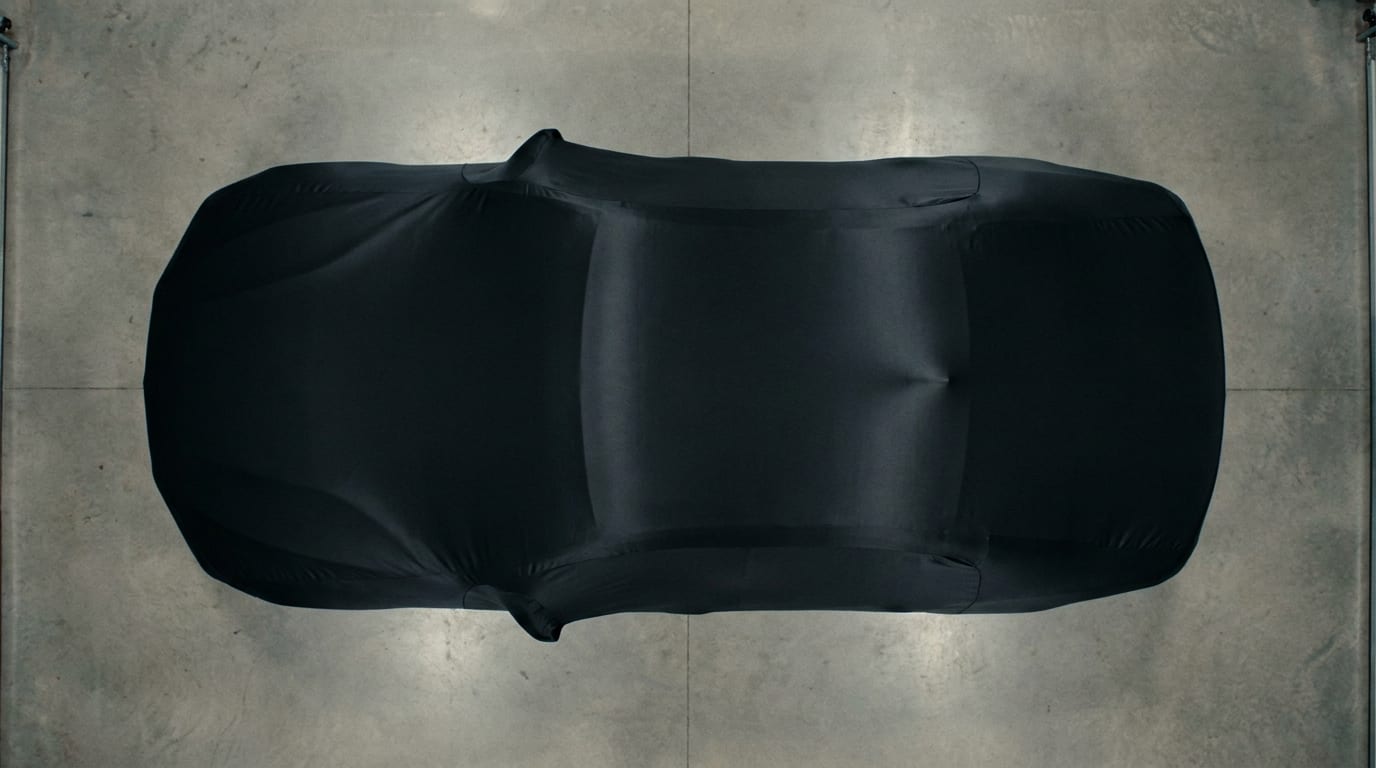
The lining is the part that actually touches your paint, so it matters more than anything printed on the box. A fleece or satin-style inner lining is soft enough that pulling the cover on and off day after day doesn't leave swirl marks in the clear coat. Cheaper indoor covers skip this and just use a single layer of tight-weave fabric, which is fine for occasional storage but starts to show its limits if you're covering and uncovering the car constantly.
Breathability is the other half of the equation. A good indoor cover uses lighter, non-waterproof fabric on purpose, so any residual moisture from a recent wash or humid air in the garage can escape instead of getting trapped against the paint. Seal a car under plastic sheeting or a cheap tarp and you're basically building a greenhouse for condensation. That's the opposite of protection.
Dust protection specifically comes down to weave density. A properly woven indoor fabric blocks fine particulates while still letting air move through it. A tarp doesn't do that, it just traps whatever's already on the car and adds static cling on top. This is also why indoor covers hold up to regular care: since they're never exposed to mud, road salt, or grime, most are machine washable or easily spot-cleaned, which you can't say for a lot of outdoor gear. For more on the mechanics of this, the guide to using car covers inside breaks down fabric weights in more detail.
Fit Considerations for Corvette Generations (C1 Through C8)
A loose cover on a sedan is annoying. A loose cover on a Corvette is a problem, because the body is so low and so long relative to its width that excess fabric doesn't just look sloppy, it flaps, sags, and rubs against paint at exactly the high points (fenders, hood peak, rear haunches) where you don't want friction.
And Corvette generations aren't interchangeable shapes. A C1 through C5 has that rounded fastback tail; a C6 through C8 introduces sharper body creases, a more aggressive rear spoiler, and in the C8's case, a completely different mid-engine proportion with the cabin shifted forward. A cover cut for a C5's rounded rear end will bunch or gap badly on a C8's blunter tail with its spoiler.
Don't assume "sports car cover" means universal fit across 70 years of the same nameplate. Check your specific model year's measurements before you buy; a semi-custom cover that's close but not exact will still move around more than you want on a car this low-slung. If you're not sure how to measure your Corvette correctly, the car cover sizing guide walks through where to measure and why generation and trim both matter. It's also worth checking the Chevrolet vehicle cover page to see what's available by year before assuming one size covers every Corvette in the lineup.
Choosing the Right Indoor Cover: Comparing Fit, Lining, and Price Tiers
Once you know your generation's shape, the choice narrows to three real variables: fit type, lining feel, and what's actually included.
| Factor | Higher-tier option | Basic option |
|---|---|---|
| Fit | Custom-fit, patterned to exact body lines | Semi-custom or universal, extra slack at panels |
| Lining | Full satin/fleece lining across the whole panel | Basic single-layer fabric, no cushioning |
| Included extras | Storage bag, sometimes mirror pockets | Cover only |
| Best for | Cars uncovered/recovered often | Cars stored for weeks at a stretch |
A custom-fit car cover patterned to the Corvette's exact lines sits closer to the body, which sounds like a small thing until you realize it also means less fabric shifting around when someone walks past it in the garage. Universal and semi-custom options are cheaper and fine for a car that's tucked away and rarely touched, but they leave slack that can bunch against trim edges over time.
On lining, check whether the soft interior covers the whole panel or just the trim points where manufacturers sometimes cheap out. A cover like the indoor black satin cover lines the full interior, which is the difference that actually shows up after a hundred on-off cycles, not just on day one.
If your Corvette gets driven often and the cover comes off multiple times a week, spend more on lining quality; the friction adds up. If it's more of a seasonal storage piece, a lighter indoor cover does the job without the extra cost.
Installing and Living With an Indoor Cover Day to Day

Before you cover the car, make sure it's clean and completely dry. Covering a dusty or damp Corvette just traps whatever's already on the paint underneath the fabric, which defeats the purpose entirely. A quick wipe-down first takes two minutes and saves you from grinding grit into the clear coat every time you drape the cover on.
Draping technique matters more on a Corvette than most cars. Take care around the mirrors, the rear spoiler, and especially the low front splitter, since these are the spots where fabric gets pulled tight and creates stress points that wear through faster than the rest of the panel. Rushing this step is the number one way people shorten a cover's lifespan. The installation guide covers the right order of operations if you're setting one up for the first time.
The cover itself needs occasional cleaning too. Dust that collects on the outer surface can transfer back onto your paint the next time you fold it up or drag it across the hood, so build in a regular cleaning cadence rather than waiting until it looks obviously dirty. The cover care guide has washing instructions specific to indoor fabrics, which is different from what you'd do with a heavier outdoor cover.
Between uses, fold the cover and store it in a dedicated bag rather than balling it up on the garage floor. A cover left in a heap picks up whatever's on the concrete, then you're just reintroducing the exact dust problem you bought the cover to solve.
Warranty, Guarantees, and Making the Final Call
A cover warranty typically protects against material defects, things like stitching failure or fabric that doesn't hold up structurally. It's not going to cover normal wear from years of daily on-off use, and no honest warranty claims otherwise. Check the lifetime warranty details before you buy so you know exactly what's backed and what isn't.
If this is your first time buying a cover for a specific Corvette generation and you're not 100% sure the fit will be right, a no-hassle return policy takes a lot of the guesswork out of ordering online. That reassurance is worth something when you're trying to match a cover to a C4's rounded tail or a C8's mid-engine proportions from measurements alone.
The path from here is simple: measure your Corvette by generation and year, decide how often it gets driven, and pick the lining and fit level that matches that use case. Grab a tape measure, check the numbers against your specific model year, and order the cover that actually fits the car you own instead of the one that fits "a Corvette" in general.
If you're still narrowing down what fits your storage routine, poke around a few more guides on the blog. It's worth the ten minutes before you spend money on the wrong fabric.