
Indoor Car Cover for Chevrolet Malibu: Soft-Lining Protection for Garage-Kept Cars
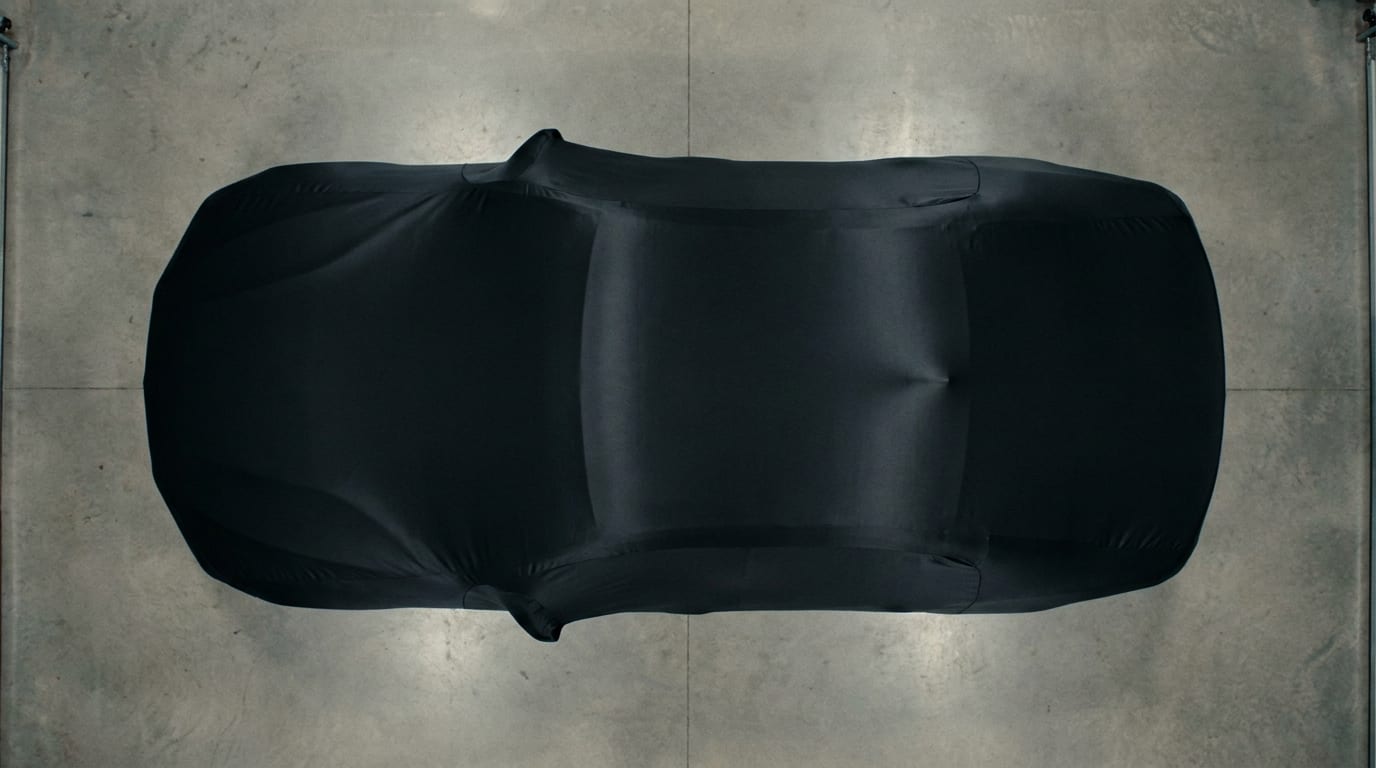
A garage door doesn't seal out dust the way most owners assume it does. Fine grit still drifts in, settles on the hood overnight, and turns into a scratch risk the second someone wipes it off with a dry rag. If your Malibu lives indoors and you're weighing which indoor car cover for Chevrolet Malibu actually protects the paint instead of just sitting on top of it, this is the decision to get right before you buy.
Why a Garage-Kept Malibu Still Needs an Indoor Cover
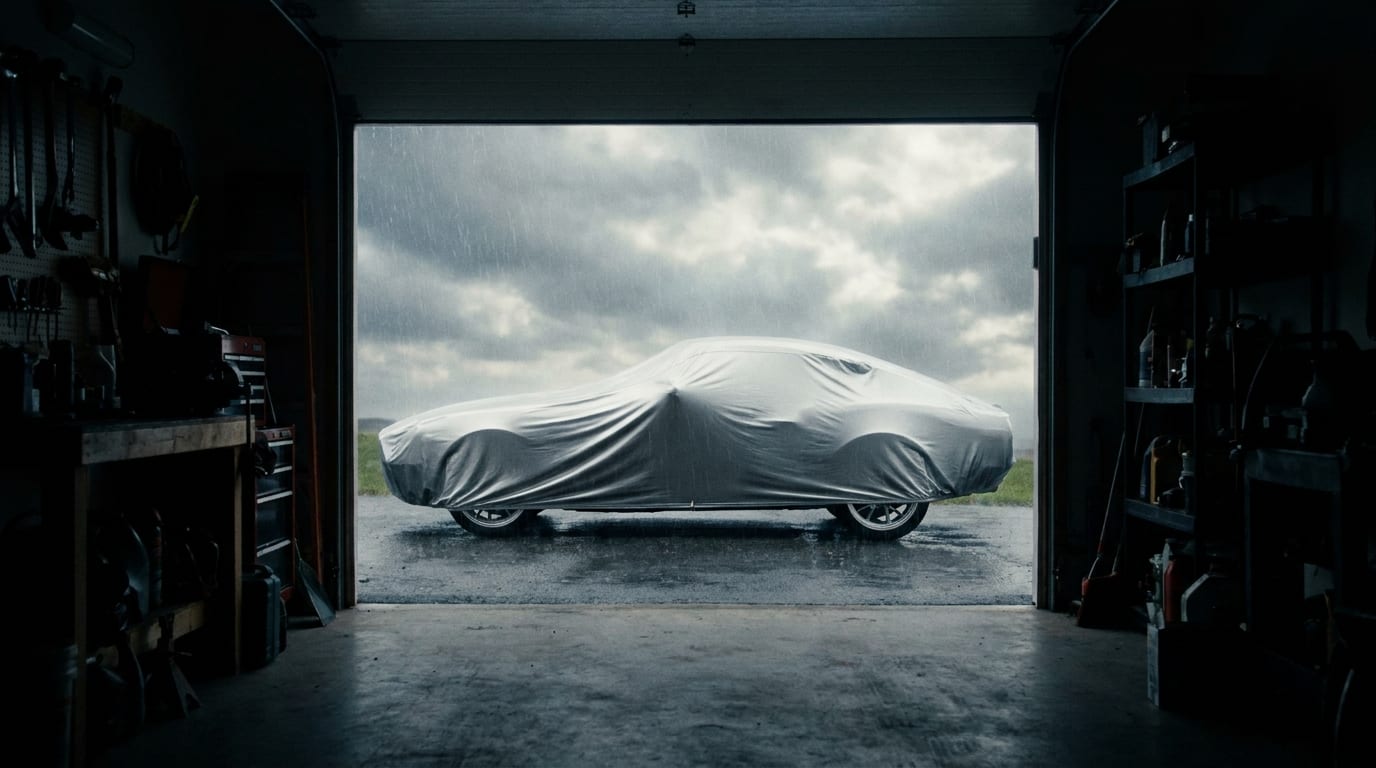
People assume "indoor" means "safe." It doesn't, not fully. Airborne dust, drywall particles from nearby renovation work, pollen tracked in on shoes, all of it settles on a parked car every single day, garage or no garage. Wipe that layer off dry and you're basically dragging sandpaper across your clear coat.
There's also the climate problem inside a closed garage. Temperatures swing between day and night, humidity shifts, and condensation forms on bare paint even when the car never sees a drop of rain. A breathable indoor cover keeps that moisture from pooling against the finish instead of trapping it there.
Then there's the shared-space issue. Bikes leaned against a wall, a lawn mower, tools on a pegboard, maybe a second car parked close. All of that adds up to more chances for a scuff on a door panel or a scrape near the bumper. An indoor cover is a buffer against exactly this kind of everyday contact.
This guide isn't about whether you need a cover. If your Malibu's already garage-kept, you've made that call. This is about picking the right one.
What Makes an Indoor Cover Different From an Outdoor One
Outdoor covers are built for rain, UV, and wind. Indoor covers are built for none of that. What they're built for is a soft, non-abrasive lining, usually fleece or brushed tricot, that sits against the paint without the heavy waterproof shell an outdoor cover needs.
That difference shows up in weight, too. A lighter fabric folds smaller, stores easier, and doesn't turn daily on/off use into a chore. If you're covering the Malibu every night after work, that matters more than it sounds like it would.
Indoor covers also skip the hardware. No grommets, no cable locks, no wind straps, because there's no wind and no theft exposure sitting in your own garage. Fewer hard points means fewer things rubbing against the finish over time.
Breathability, not waterproofing, is the real spec to care about here. A damp garage floor and trapped humidity under a sealed cover do more damage than the rain a legit indoor cover was never designed to handle anyway. For a full breakdown of the differences, this guide to indoor car covers walks through the fabric and construction choices in more detail.
Soft Lining and Dust Protection: What to Look for on a Malibu
Not all "soft lining" is equal. Look specifically for a napped or fleece-lined interior at the high-contact zones: hood, roofline, trunk lid. That's where dust piles up thickest and where a cheap, thin lining wears through first.
Fit matters just as much as fabric. The Malibu's sedan shape, low nose, long roofline, sloped trunk, needs a contoured cover that actually follows those lines. A loose or generic cover shifts every time a garage door opens or someone brushes past it, and that shifting drags grit across the clear coat instead of just sitting still on top of it.
Elastic hems or a low-profile strap at the wheel wells should be doing the work of holding the cover in place, not a tight cinch pulled against the paint. And don't overlook static. Dry garage air plus a loose-fitting cover is a good way to attract more dust than the cover blocks in the first place. A cover that hugs the body and resists static does the job a lot better than one that just drapes over it.
Custom-Fit vs. Universal Indoor Covers for the Malibu
This is where most of the actual protection difference comes from. A custom-fit car cover follows the Malibu's exact mirror pockets, roofline, and trunk contour. A universal cover is built to a generic sedan shape and just sort of gets close.
That gap matters for contact points specifically. Custom fit means the soft lining sits evenly across the whole body. Universal covers tend to bunch up at the front or rear overhang, and bunched fabric moving against paint is precisely the friction you bought the cover to avoid.
Daily use tips the scales further toward custom fit. A cover that's shaped to the car goes on and comes off fast, no adjusting, no tucking loose fabric under a bumper every time. Universal covers cost less upfront, no argument there. But if you're covering the Malibu every day rather than tucking it away seasonally, that repeated friction from a poor fit adds up faster than the price difference does.
| Factor | Custom-Fit Cover | Universal Cover |
|---|---|---|
| Fit accuracy | Matches Malibu mirror pockets, roofline, trunk | Generic sedan shape |
| Contact point coverage | Even lining across the body | Bunches at front/rear overhang |
| Daily use speed | Fast on/off, no adjusting | Requires tucking and adjusting |
| Upfront cost | Higher | Lower |
Choosing the Right Indoor Cover: A Quick Checklist
Before you order, confirm the Malibu's model year and body style. Sedan dimensions have shifted across generations, and a cover built for one generation won't sit right on another. Check what size car cover fits your vehicle if you're not sure which spec applies.
From there, decide how much cover you actually need. A basic soft-lined option is fine for a garage that's just storing the car. If bikes, tools, or gear share the space, a step-up option with reinforced panels earns its keep.
Think about frequency, too. Daily use favors lighter fabric and simple elastic hems over anything with multiple straps to fuss with each time.
Last thing: check for a real warranty or fit guarantee before you buy. This is a recurring-use product. It needs to hold its shape wash after wash, season after season, not just look good in the first month.
Installing and Caring for Your Indoor Malibu Cover

Drape it front-to-back and settle it by hand. Don't drag it across the hood to get it into place, that just grinds whatever dust is already on the cover straight into your clear coat.
Give it a shake or a quick brush before each use, too. Dust collects on the cover itself between uses, and putting a dusty cover back on a clean car defeats half the point.
Wash it periodically per the fabric's care instructions. Dust and body oils build up in the fibers over time, and once that happens, the "soft" lining starts acting more like the sandpaper you were trying to avoid. This guide on cleaning a car cover covers the specifics without ruining the fleece lining.
Store it in a clean bag when it's off the car. Otherwise it's sitting on the garage floor picking up the same dust you're trying to keep off the paint, just to transfer it right back on next use.
Get the Right Fit for Your Malibu Today
Soft lining plus a Malibu-specific fit is what actually stops dust and micro-scratches indoors. Waterproofing and UV coating don't do anything for you in a closed garage, so don't pay for specs you won't use.
If you're ready to compare options, the Chevrolet vehicle page has Malibu-specific covers sorted by model year. Look for one backed by a real warrantytoo, since that's what takes the risk out of ordering a cover without seeing it in person first.
Worth a browse either way: reviews from other owners on fit and lining quality before you commit. And if you want more on general upkeep, the car care hub has more on keeping a garage-kept vehicle in shape between covers. Select your Malibu's year and trim, and see what a properly fitted indoor cover actually looks like for your car.
