Indoor Car Cover for Chevrolet Tahoe: Soft-Lining Protection for Garage-Kept SUVs
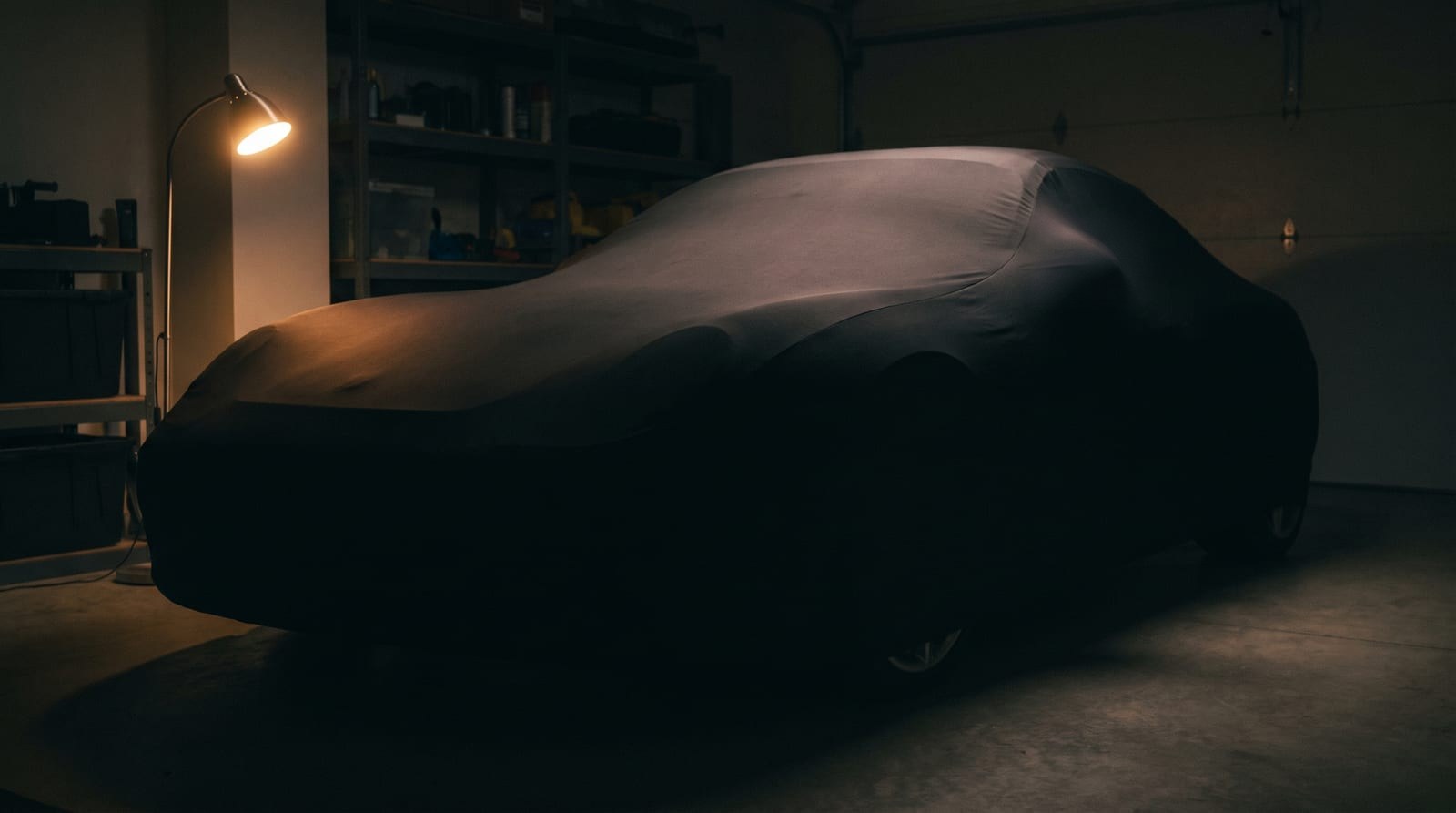
A Tahoe parked in the garage still gets dirty. Not from rain, obviously, but from the fine layer of dust that settles on anything sitting still for more than a few days. That's the whole case for an indoor car cover for Chevrolet Tahoe owners: it's not fighting weather, it's fighting the slow, boring buildup that happens even in a closed space. If your Tahoe spends most of its life under a roof, this is the cheap insurance you're probably skipping.
Why Your Garage-Kept Tahoe Still Needs an Indoor Cover

A closed garage door doesn't seal out dust. Pollen drifts in through vents, gaps around the door, and every time you open it to pull the Tahoe out. Over a few weeks, that settles into a fine film on the hood and roof. It's not visible from across the garage, but run a finger across the paint and you'll feel it.
Garages also aren't climate-neutral. Temperature swings between day and night, plus whatever humidity your region deals with, still work on clear coat and dry out dash and door panel trim through the glass. It's slower than direct sun exposure, but it's not nothing.
Then there's the physical stuff. A Tahoe is a big vehicle in what's usually a not-quite-big-enough garage space. Bike handlebars leaning against the wall, a shelf of tools at bumper height, a dog that likes to jump when you walk in. Tight parking means door dings from your own family, not just strangers in a lot. None of this requires bad weather to be a problem.
Think of an indoor cover less as weatherproofing and more as a way to keep a Tahoe looking showroom-fresh between drives. It's a maintenance habit, not a storage-season purchase.
What an Indoor Car Cover Is Actually Built To Do
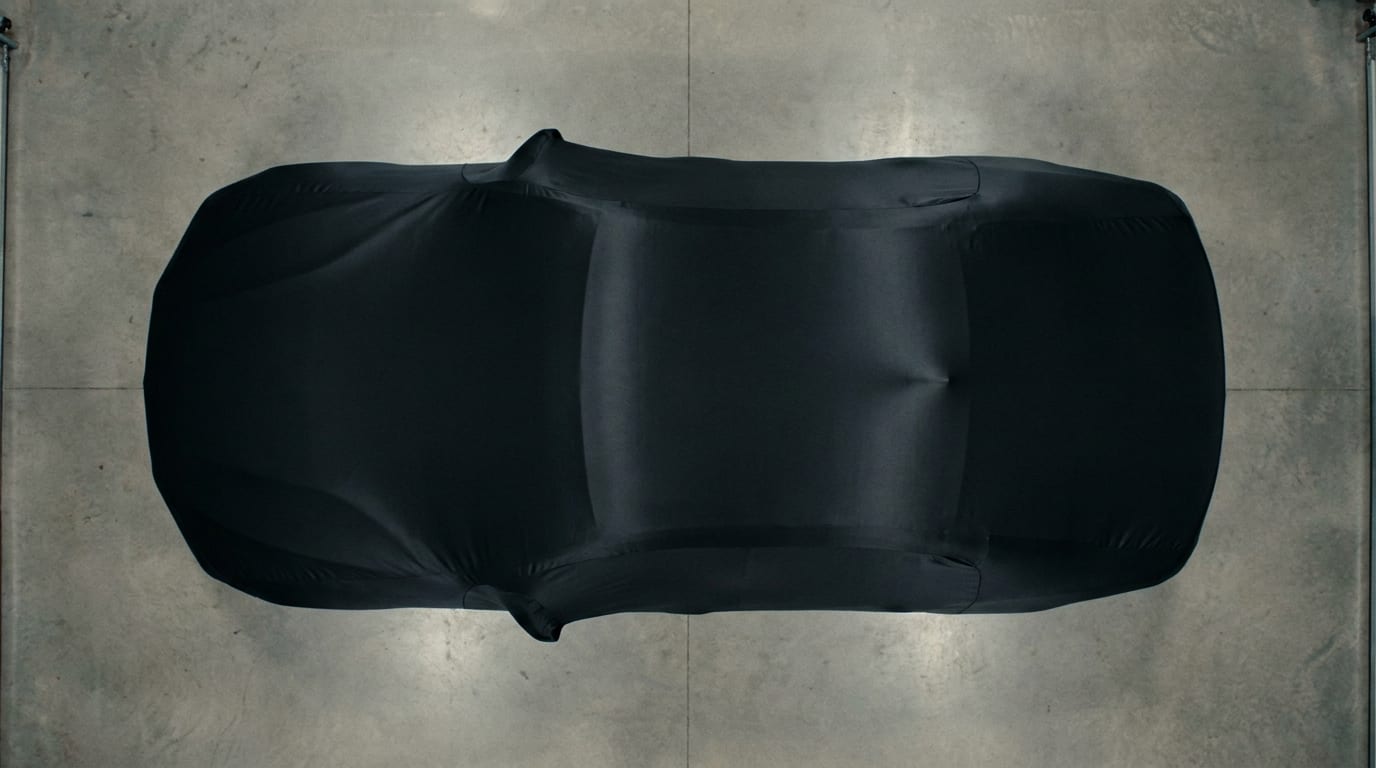
Indoor covers use a soft, brushed lining, usually fleece or a satin-style interior, built to sit directly against paint without grinding in dust or leaving swirl marks. That lining is the entire point of the product.
Outdoor covers are a different animal. They're heavier, they carry a waterproof membrane, and they're built to survive UV and rain. None of that matters inside a garage, and honestly it works against you there: a waterproof shell traps condensation against paint instead of letting it breathe. Indoor fabric skips the membrane and stays lightweight and breathable instead.
The dust protection comes down to weave density. A good indoor cover uses a tight enough weave to block fine particulates from working through to the paint, while still being loose enough that trapped moisture and heat can escape rather than pool under the fabric. Get that balance wrong and you end up with a cover that's either too porous to stop dust or so tight it holds moisture against the finish.
If you want the full rundown on fabric types and when indoor makes more sense than outdoor, CarCovers' indoor car cover guide covers it in more depth than we can here.
Getting the Fit Right for a Chevrolet Tahoe
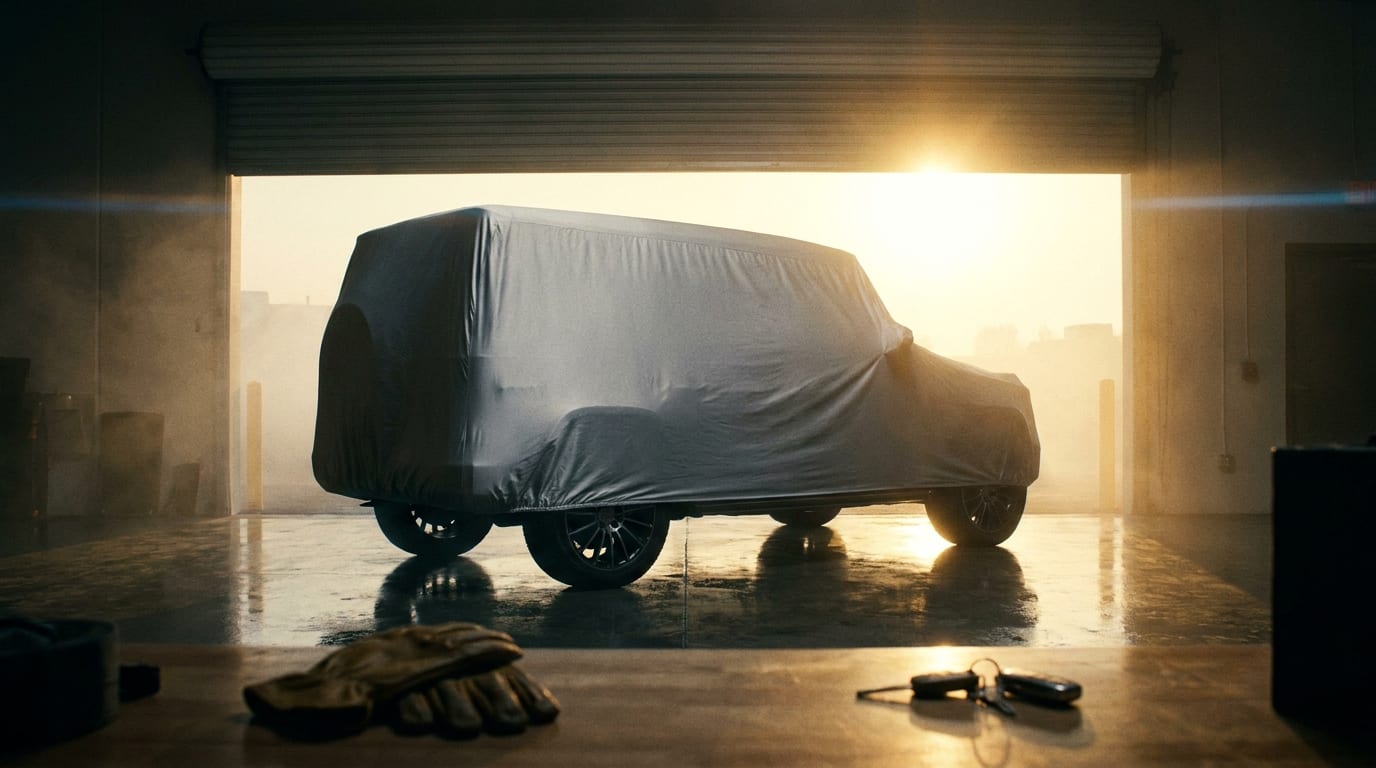
The Tahoe isn't a small SUV. Long wheelbase, tall roofline, a lot of surface area for a cover to span. A generic "full-size SUV" universal cover has to account for the biggest vehicle in that category, which means it's built loose on a Tahoe. That slack matters more than people expect.
A custom or semi-custom fit adds mirror pockets, a roofline contour that actually matches the Tahoe's shape, and a hem length that stops where it should instead of dragging on the garage floor. Those details keep the fabric from shifting around every time a breeze from the garage door opening pushes against it.
Here's the part that surprises people: a loose universal cover can be worse than no cover at all. Excess fabric flaps and rubs against the paint with every gust, and the wrinkles it creates become dust traps in their own right, grinding grit into the clear coat instead of keeping it off. A snug fit isn't a nice-to-have, it's the difference between protection and slow-motion damage.
Before ordering, run your Tahoe's model year through CarCovers' sizing guide to confirm you're getting dimensions that actually match your specific generation, since the Tahoe's body has changed enough over the years that "close enough" isn't reliable.
Choosing Between Indoor Cover Tiers for Your Tahoe
Not all indoor covers are the same product wearing different price tags. A few things actually separate the tiers.
Lining softness is the first one. A basic flannel-style interior does fine for a daily-driver Tahoe with a standard factory finish. If you've got a matte wrap or fresh paint that's still sensitive, a premium satin lining is worth the upgrade, since it's noticeably gentler against the surface.
Dust protection level is the second. A single-layer fabric handles a clean, low-traffic garage fine. If your garage doubles as a workshop, or you've got pets running through, a denser weave earns its keep by blocking more of what's floating around in the air.
Breathability is a real trade-off, not just marketing language. Lightweight covers pack down small and are easy to store, but a slightly heavier fabric holds its shape better across the Tahoe's long body and won't sag between the axles the way an ultralight one can.
Price differences often come down to what's bundled. Some indoor covers for Chevrolet Tahoe include a storage bag, cable and lock, and mirror pockets standard. Others charge for those separately, so the "cheaper" option isn't always cheaper once you add the accessories back in.
| Tier feature | Basic indoor cover | Premium indoor cover |
|---|---|---|
| Lining | Flannel-style | Satin-style |
| Best for | Standard factory paint | Matte wraps, fresh paint |
| Dust weave | Single-layer | Denser weave |
| Included extras | Often separate | Often bundled |
Whichever tier you land on, check the warranty backing before deciding purely on price. CarCovers backs its indoor covers with warranty coverage worth reading through, and it's a better way to compare value than sticker price alone.
Installing and Caring for Your Tahoe's Indoor Cover
Drape it front to back. Start at the windshield and pull the fabric toward the rear, rather than dragging it lengthwise across the hood and hood ornament area where it can catch and scuff. It sounds minor, but it's the most common way people introduce the scratches they bought the cover to prevent.
Give the exterior a quick wipe-down before covering, especially if the Tahoe's just come back from a drive. Any road grit or debris left on the paint gets pressed against the surface all night under the cover, which does more damage over time than skipping the cover altogether would.
The cover itself needs occasional cleaning too. A soft lining caked in a season's worth of dust stops being soft, it becomes an abrasive you're rubbing against your own paint every time you put it on. CarCovers' cover cleaning guide walks through wash settings and drying that won't wreck the lining, and the installation guide covers the draping technique in more detail if you want the full walkthrough.
Is an Indoor Cover Worth It If the Tahoe Never Leaves the Garage?
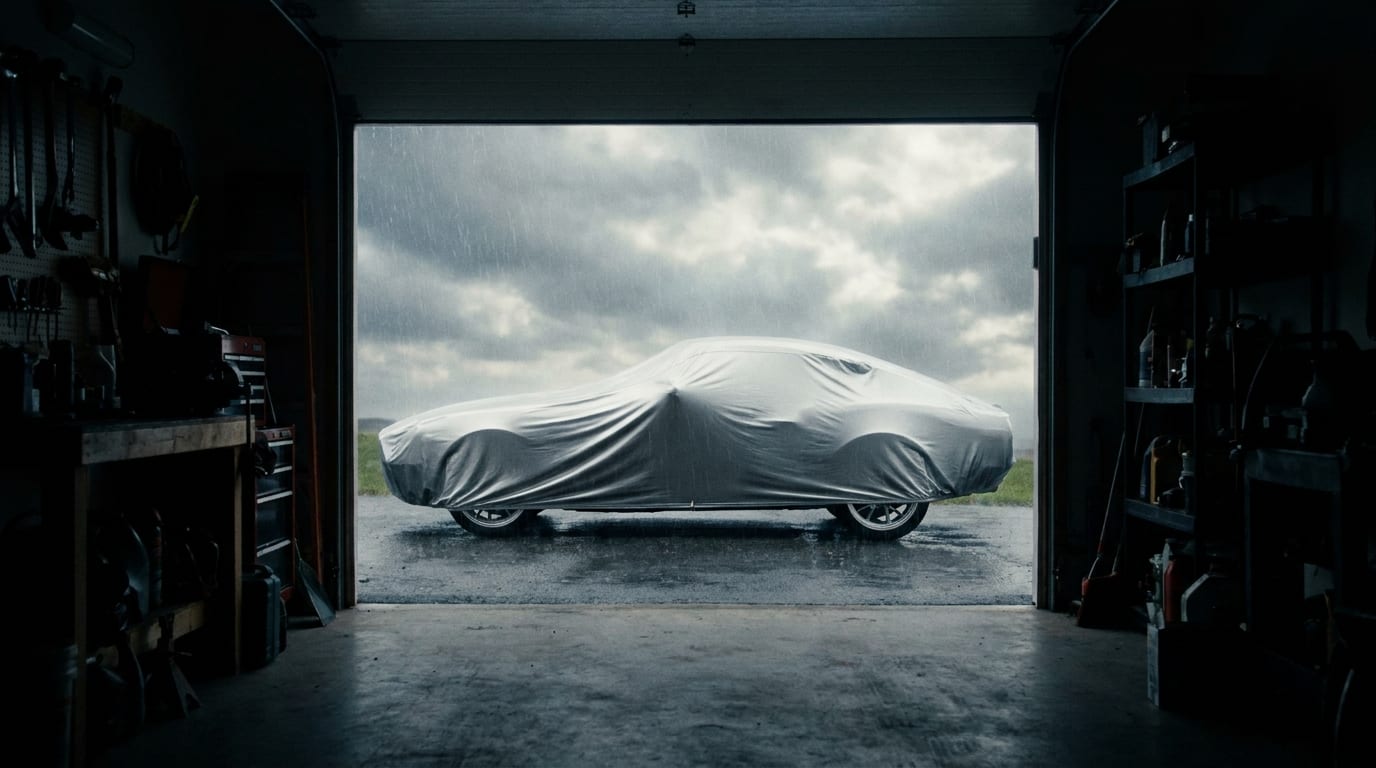
Fair question. A covered garage blocks rain and direct sun, no argument there. But it does nothing about dust settling overnight, static cling pulling in more of it, or the accidental bump from a bike or a tool cart. Weatherproofing and dust protection are two different jobs.
Look at the cost side. An indoor cover runs a fraction of what a single paint correction costs, and nowhere near what a full interior detail costs after years of dust working into seams and vents. It's a small, one-time spend against a much bigger, recurring one.
There's a resale angle too. A Tahoe that's spent its life under a soft-lined cover shows up cleaner at trade-in time, with less swirling in the clear coat and less sun-fading on interior trim near the windows. Buyers and dealers notice that condition, even if they can't always articulate why.
The one case where you can skip it: a sealed, climate-controlled space with genuinely zero foot traffic and no other vehicles sharing the room. That's a narrow situation. Most garages, even tidy ones, don't qualify.
Get the Right Indoor Cover for Your Tahoe
Fit accuracy, lining softness, dust-protection weave, and warranty coverage. Those four things decide whether an indoor cover actually earns its keep on a Tahoe or just becomes another thing hanging in the garage.
CarCovers' Chevrolet SUV cover lineup has Tahoe-specific options built around those factors, so you're not stuck guessing at fit from a universal size chart. Backed by a no-hassle guarantee and real warranty coverage on the indoor line, it's a low-risk way to protect a vehicle you're already keeping garaged for a reason.
If you're weighing options, it's worth a few minutes browsing what's available before your next drive kicks up another layer of dust on that hood. And if you want more on keeping a garage-kept vehicle looking the way it did on day one, the CarCovers articles section has plenty more worth a read.