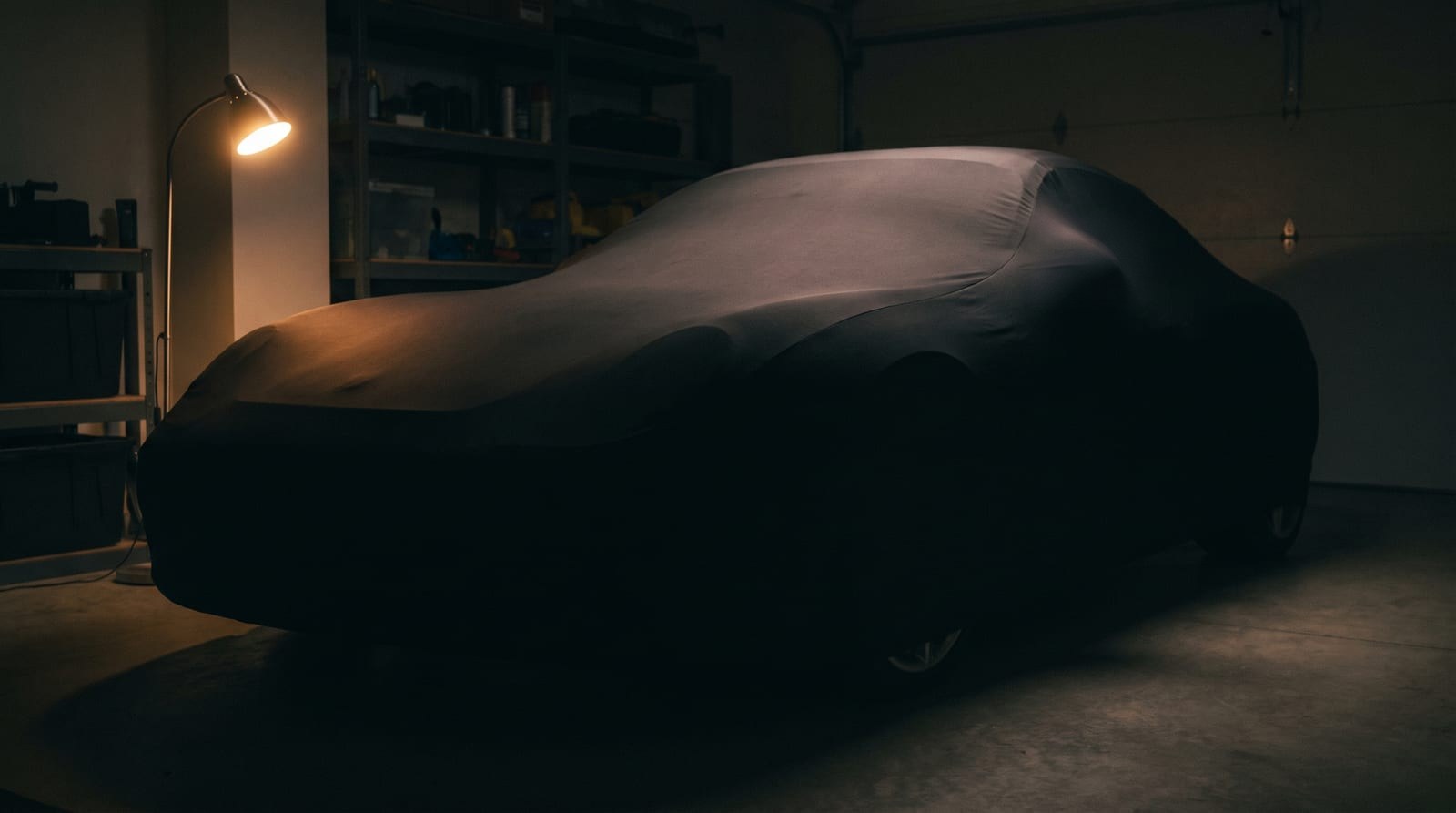
Indoor Car Cover for Dodge Charger: Soft Lining & Dust Protection for Garage-Kept Cars
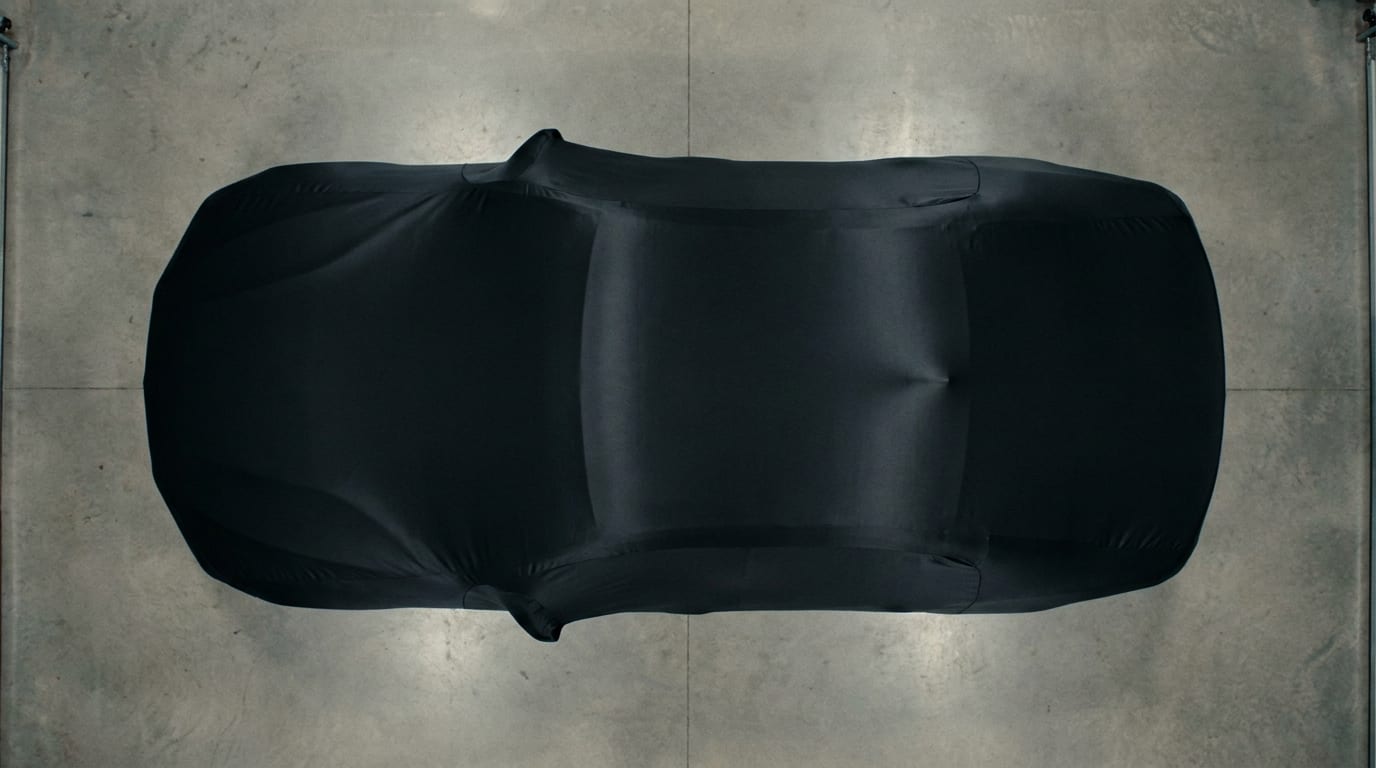
Why a Garaged Dodge Charger Still Needs an Indoor Cover
A lot of Charger owners figure the garage door closing is the finish line. Car's inside, out of the rain, done. Except dust doesn't care that it's indoors. It settles out of the air constantly, a fine layer building on every horizontal panel whether the car moved yesterday or sat still for a month. Wipe that layer off with a dry towel or your sleeve and you're not cleaning the paint, you're dragging grit across it. That's how swirl marks happen on cars that never see a drop of rain.
Garages bring their own quiet hazards, too. Condensation drips from rafters or AC lines. Someone leans a bike against the quarter panel reaching for a tool. A cat gets in and decides the hood is a nice place to sit. None of this is dramatic, but it adds up over months of storage. On a Charger specifically, the long hood and wide, flat door panels make this worse: there's more open surface area for dust to land on, and more area where swirl marks catch the light. An indoor car cover for Dodge Charger owners isn't overkill here. It's the difference between a garage that protects the car and a garage that just hides it.
What Makes an Indoor Cover Different From an Outdoor One
Outdoor covers and indoor covers solve different problems, and mixing them up is the most common mistake people make. Outdoor covers are built heavy: waterproof shells, UV-resistant coatings, reinforced seams to survive wind and sun. All useful stuff if the car lives in a driveway. But that same heavy-duty shell, with no rain or UV to justify it, becomes the wrong tool indoors. The thicker weave and coated finish that shed water outside can actually be rougher against clear coat when there's no weather to fight.
Indoor covers flip the priority. They're built from soft, breathable fleece or satin-style fabric designed to do one job: glide on and off without dragging grit across the paint. No waterproof membrane, no stiff shell, just a lightweight barrier that handles dust and nothing else. If you want the full rundown on how indoor and outdoor construction differ, the indoor car covers guide breaks down the material science in more depth than we need here.
Soft Lining and Dust Protection: The Two Features That Matter Most
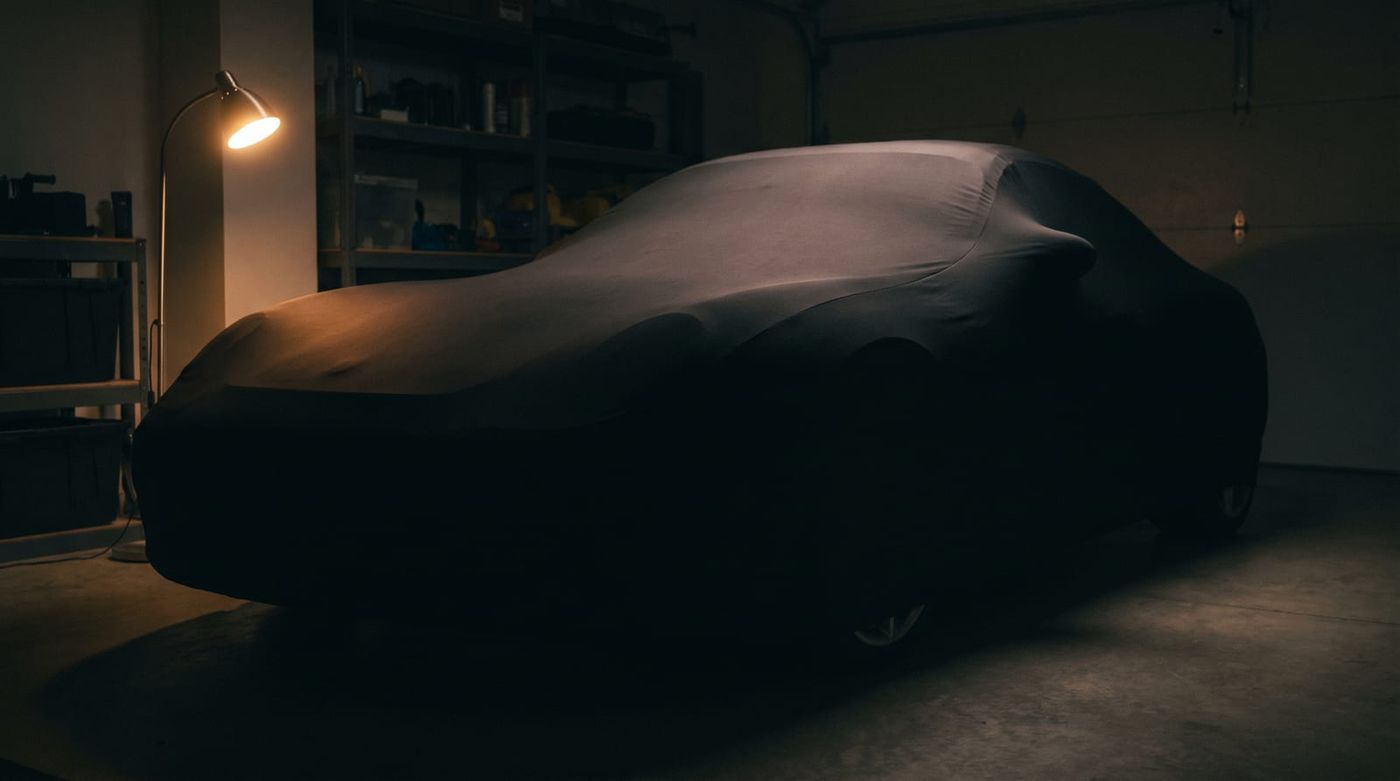
This is really what the whole indoor-cover category comes down to: soft lining and dust protection, working together. Soft lining usually means a brushed tricot or fleece-backed interior, the kind of fabric that won't bite into a clear coat even after months of friction from folding, draping, and removal. On a Charger's paint, where any swirl marks show up clean against those long, flat body lines, that soft interior is doing more work than people assume.
Dust protection on a good indoor cover isn't about sealing the car off completely. It's about creating a snug, breathable barrier that intercepts dust and keeps it from settling directly onto the finish, while still letting air move underneath. That breathability part isn't optional. A cover that traps air against the paint traps moisture with it, and moisture sitting under a sealed cover for weeks turns into hazing or mildew, even in a bone-dry garage. It sounds backward, covering a car to keep it drier, but a breathable indoor cover actually resists this better than no cover at all. Satin and black satin linings have become the standard here for a reason: they're the fabric most garage-kept muscle cars and sedans get wrapped in when owners actually care about the paint underneath.
Custom-Fit vs. Universal: Which Is Worth It for a Charger
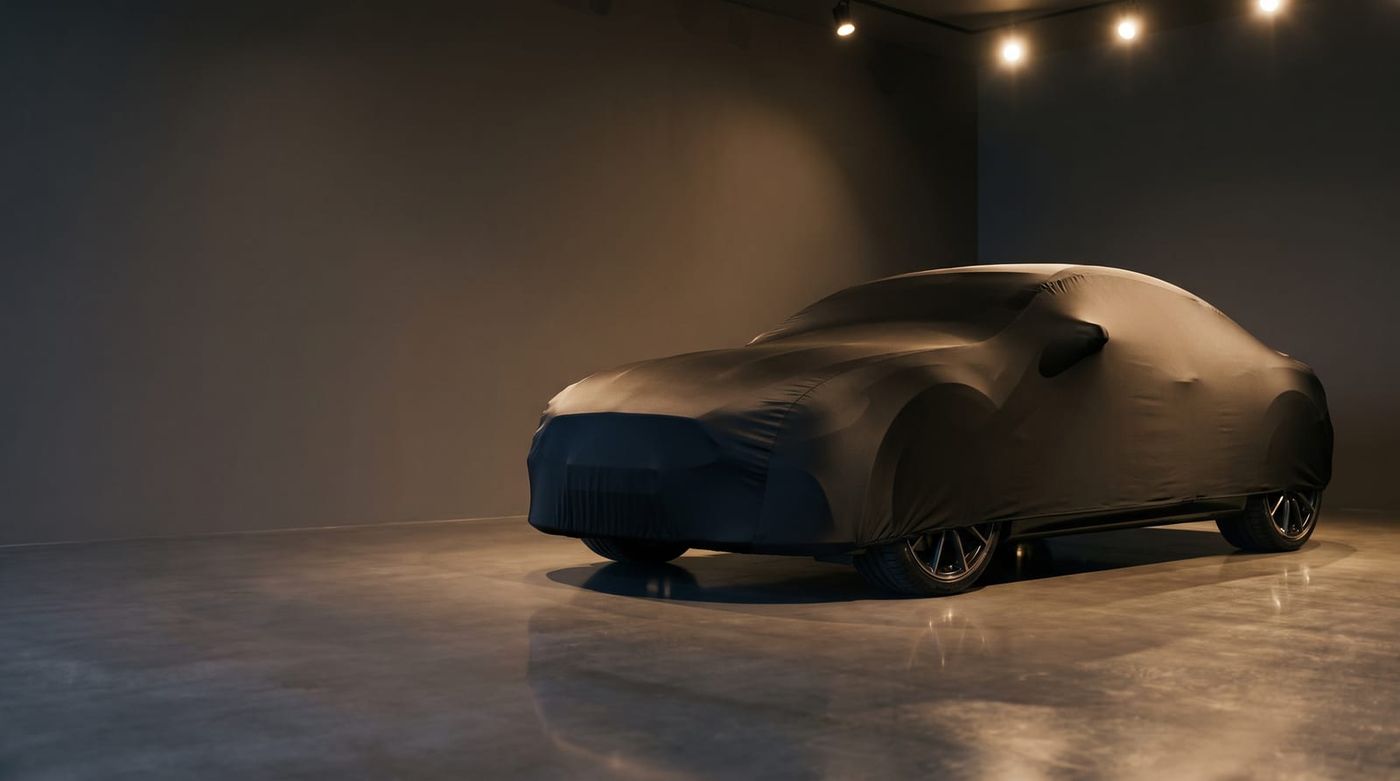
Here's where I'll take a side: for a car like the Charger, custom-fit is worth the extra cost almost every time. A universal cover is cut to loosely fit a size range, which means slack. Slack means the fabric shifts when a door opens nearby or the garage door closes and stirs the air. That shifting is friction, and friction against grit is exactly the micro-scratch problem the cover is supposed to prevent.
A custom-fit car cover follows the Charger's actual body lines, factoring in the rear spoiler, the mirrors, the tail design, so the edges sit close instead of gapping or snagging on install. That precision also makes the cover faster to put on and take off, with panel markers that tell you exactly where the hood or trunk section goes rather than guessing and dragging fabric across the paint to adjust it.
Universal covers are cheaper upfront, no argument there. But a loose, ill-fitting cover increases the odds of the exact dust-and-friction damage you bought a cover to avoid in the first place, which makes the "savings" pretty thin. If you're not sure which size your Charger needs, the sizing guide walks through it, and the Dodge cover selection page has the model-specific options.
Keeping the Cover Itself Clean and Effective

A cover that's covered in its own dust isn't protecting anything. Every time you drape a dirty cover over clean paint, you're transferring the same grit you were trying to keep off in the first place. It's a small thing people skip, and it quietly defeats the whole point.
You don't need a strict schedule, just a rhythm. Shake the cover out and spot-clean it monthly if your garage is dusty, less often if it's clean and sealed. A full wash every few months is reasonable for most setups. For the actual process, the cover cleaning walkthrough covers detergents to avoid and drying steps that keep the lining soft instead of stiff.
Between uses, fold the cover with the lining facing in, away from any surface that's picked up dust or debris, so you're not reintroducing grit the next time you lay it over the hood. Same idea applies at install and removal: the installation guide has a few tricks for draping the cover on without dragging it across the paint, which matters more than people think.
What's Covered: Warranty and Buying Confidence
A lifetime warranty on a car cover generally protects against material defects and stitching failures, the kind of wear that would otherwise leave you buying a replacement cover every year or two. For something that gets handled daily, on and off the car, that kind of backing matters more than it would on a product that just sits in a closet.
If you're deciding between a few options, a warranty-backed indoor cover is about as low-risk a purchase as this category gets. It's not just a line in the marketing copy, it's a real commitment on the materials and construction. The lifetime warranty terms spell out exactly what's included.
Protect the Investment: Choosing Your Charger's Indoor Cover
If you're narrowing this down, the checklist is short: soft, breathable lining, a custom fit built around the Charger's body, a design that's quick to put on and take off, and a warranty that actually backs the material. Skip any one of those and you're back to the same dust-and-friction problem a cover is supposed to solve.
The indoor black satin cover line is built specifically around that combination, soft lining and dust protection, for garage-kept cars that deserve better than a universal shell. And since keeping a Charger looking right is part of a bigger picture, the Charger maintenance cost guide is worth a read if you're thinking about total ownership costs, not just the paint.
A good indoor car cover for Dodge Charger owners isn't a luxury add-on, it's cheap insurance against the slow, boring kind of damage that sneaks up over a year of storage. Worth a look next time you're in the garage deciding if that dust layer really needs wiping off by hand.