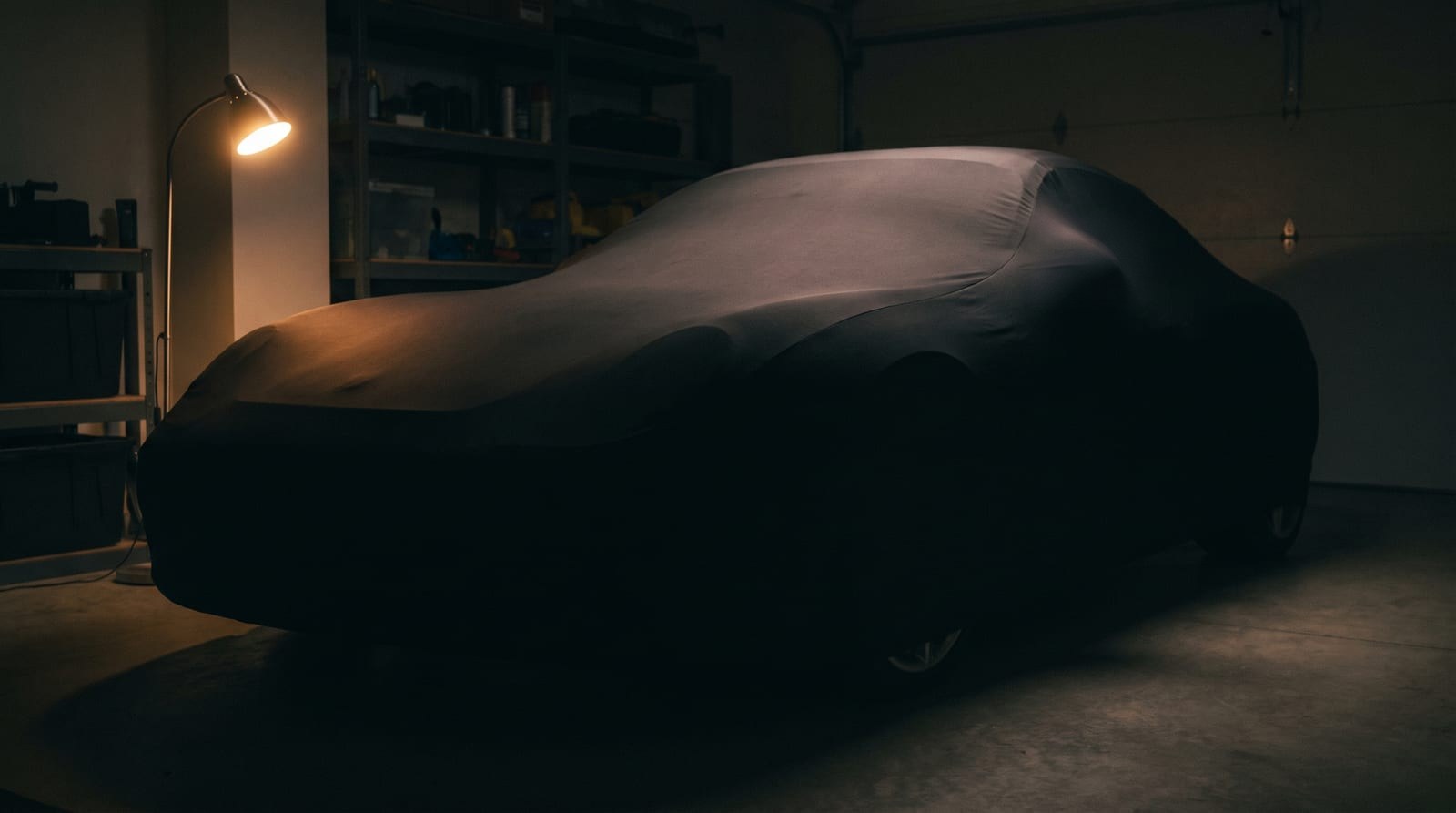
Indoor Car Cover for Ford Escape: Soft Lining & Dust Protection for Garage-Kept SUVs
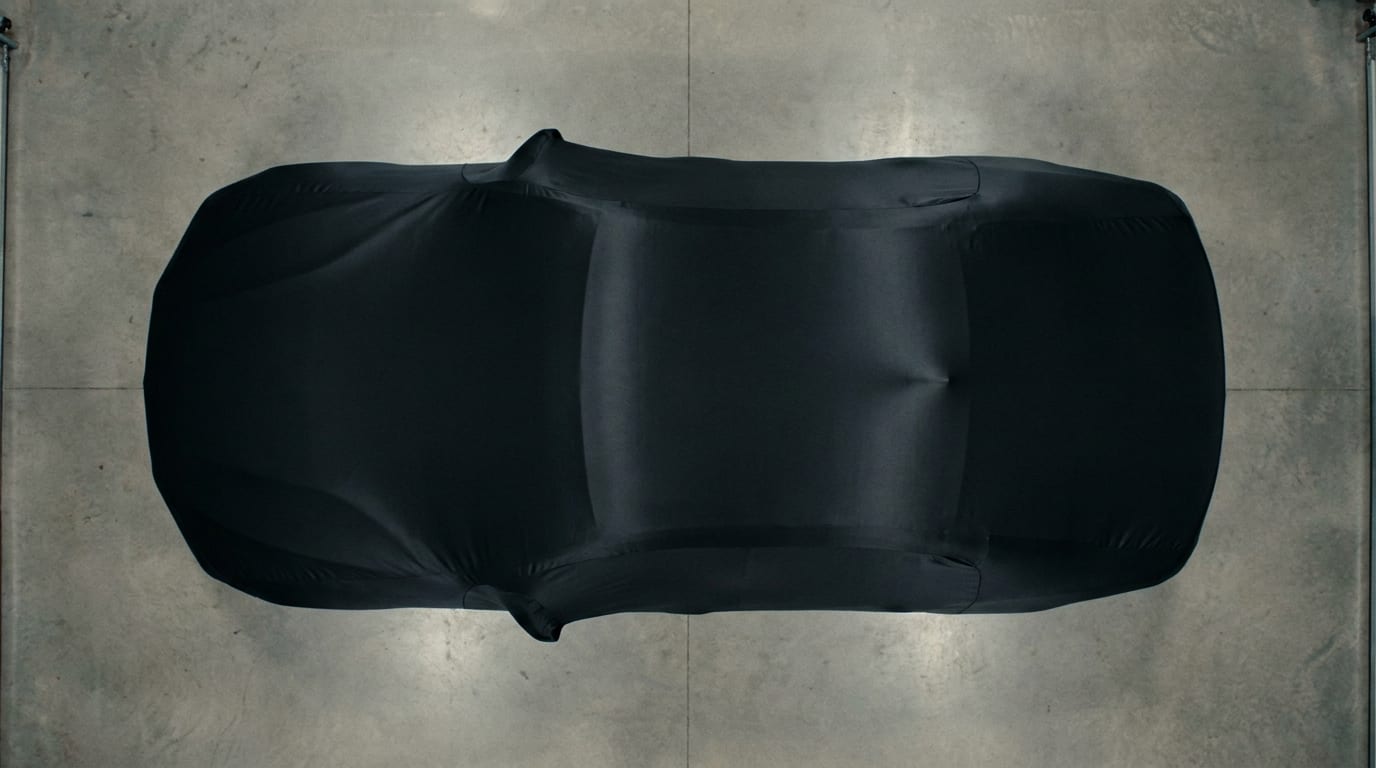
Your Ford Escape sits in the garage every night, safe from rain and hail and bird droppings. So why does it still come out dusty every time you pull the cover off? That's the question most Escape owners don't ask until they're wiping a fine gray film off the hood for the third week running. An indoor car cover for Ford Escape owners solves a different problem than the outdoor kind, and it's worth understanding the difference before you spend money on the wrong product.
Why Your Garage-Kept Ford Escape Still Needs an Indoor Cover

A garage isn't a clean room. Drywall dust, concrete particulate, pollen that rides in on the breeze when the door's open, all of it settles on whatever's parked inside. Add a bike leaning against the wall, a rake propped in the corner, or someone squeezing past with a toolbox, and you've got real scuff risk too.
Indoor storage does one thing very well: it keeps direct sun off your paint. UV coming through a garage window or skylight still fades and dulls a finish over time, so you've already dodged that. But sun protection and dust protection are two separate jobs, and a bare Escape sitting uncovered is still collecting grit in its trim seams, door gaps, and mirror housings every single day.
If you're already storing your Escape indoors, you don't need a heavy-duty weatherproof shell built for rain and wind. You need a cover designed specifically for indoor use, one built around soft fabric and dust control rather than storm protection. That's a narrower, easier decision than most people expect.
What Makes a Cover 'Indoor' vs 'Outdoor' for the Escape
Outdoor covers are built like rain jackets: laminated, waterproof shells with taped seams, wind straps, and UV-blocking treatments baked into the fabric. They're heavier, stiffer, and honestly overkill for a vehicle that never sees weather.
Indoor covers flip the priority list. Instead of waterproofing, you want a soft-lined, breathable fabric, something closer to a satin or fleece-style interior than a tarp. That softness matters because it's what touches your Escape's clear coat every time you put the cover on or take it off. A stiff outdoor fabric dragged across a hood a few hundred times will leave faint swirl marks eventually. A soft lining won't.
Breathability matters too, even indoors. A garage isn't heated and cooled like your living room, so humidity swings happen. A tightly woven but breathable fabric lets residual moisture escape instead of trapping it against the paint. And that tight weave does double duty: it's what keeps drywall dust, workshop debris, and pollen off the glass and body panels between drives. This is the actual job of a good indoor car cover, and it's a different job than the one an outdoor cover is built for. If you want the longer version of this comparison, our guide to using car covers inside breaks down the fabric science in more detail.
Custom-Fit Sizing for the Ford Escape: Why It Matters Indoors
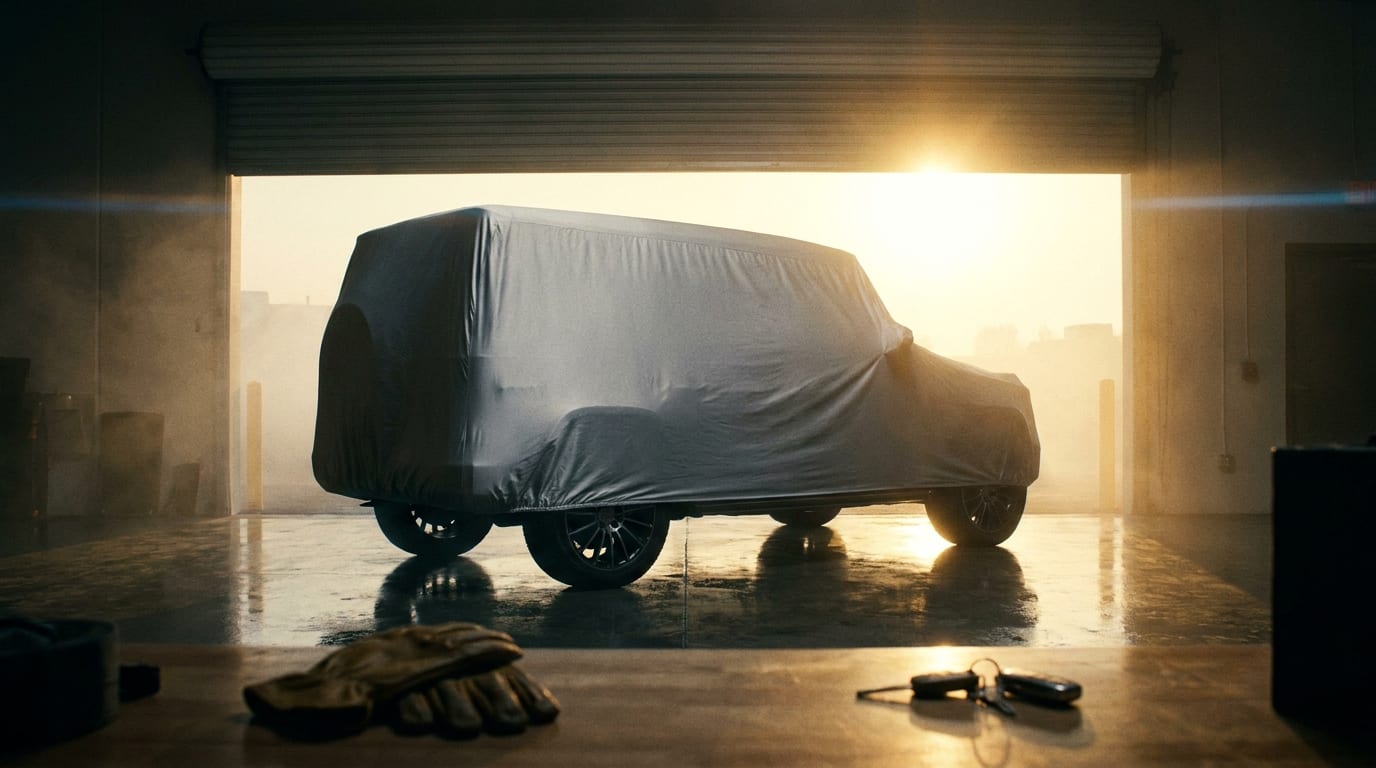
Here's the thing about fit: it matters more indoors than most people assume. A cover cut for the Escape's specific body, roofline, and rear liftgate sits snug against the mirrors and roof rails instead of billowing around loose. A universal cover, the one-size-fits-most kind, has extra fabric everywhere. That slack shifts every time the garage door opens and closes, every time someone walks past, and each shift means fabric rubbing against paint. You bought a soft-lined indoor cover specifically to avoid that friction, so a loose fit defeats the purpose.
Before you order, check your exact Escape model year and trim. Roof rail styles, spoiler shape, and mirror size all shift slightly across generations, and a cover sized for the wrong year leaves gaps at the mirrors or bunches at the bumper. It's worth confirming details through a custom-fit car cover option built for your generation specifically, rather than guessing off a generic SUV template. If you're not sure which size class your Escape falls into, our car cover sizing guide walks through how to measure and match trim.
There's a practical upside too. A cover that's actually sized right goes on and comes off faster. If you're covering and uncovering your Escape daily in a shared garage, that's not a small thing. Wrestling with excess fabric every morning gets old fast.
Key Features to Check Before You Buy
Not every "indoor" cover on the market is built the same way. A few things worth checking on the product page before you commit:
- Fabric weight. Heavier doesn't mean better indoors. You want a lighter, tightly-woven layer that breathes, not a thick shell that traps moisture and invites mildew.
- Interior lining. Look for language that specifically says soft fleece or satin-style lining. A single-layer fabric marketed as "indoor" without a lining callout probably isn't doing the scratch-prevention job you need.
- Elastic hem, not just straps. Indoor covers rarely need tie-downs or wind straps since there's no wind to fight. A secure elastic hem that hugs the bottom edge matters more than hardware you'll never use.
- Storage bag and washability. Indoor covers come off and go back on far more often than outdoor ones, so a compact storage bag and machine-washable fabric save real hassle over time.
- Color and finish. Satin or black finishes are the norm for indoor covers, partly because they hide dust between removals better than lighter colors show every speck.
An indoor black satin cover checks most of these boxes by design, which is why it's become the default recommendation for garage-kept SUVs rather than a repurposed outdoor product.
Installing and Caring for Your Escape's Indoor Cover
Install front to back. Seat the mirror pockets first, then work the hem down evenly toward the rear instead of yanking the whole cover into place at once. Dragging fabric across the paint while you fight with a bunched-up cover is exactly the friction a soft lining is supposed to prevent, so don't undo the benefit with a sloppy install.
Before you fold the cover away, give the exterior a quick shake or a light vacuum pass. Dust that's already settled on the outer surface gets ground into the lining the next time you fold it flat, and that grinding is a slow, invisible way to wear down the soft interior you paid for.
How often you wash it depends on your garage. A dusty workshop garage might need a wash every month or two; a cleaner, finished garage space can stretch that out. Either way, check the cover care and cleaning guide for wash settings that won't strip the lining's softness, since regular detergent and high heat can flatten fleece-style fabric over time.
Storage matters between uses too. Keep the folded cover somewhere dry, off the floor if possible, and away from sharp shelving edges or tools that could snag the fabric. A single hook near your Escape's parking spot beats tossing it in a bin with the rest of the garage clutter.
Backed by a Fit Guarantee and Warranty
Buying a cover sight-unseen is a leap of faith, especially when fit is this specific. CarCovers backs its indoor covers with a no-hassle guarantee and lifetime warranty coverage, which is really the whole reason you can order online with confidence instead of guessing.
If the sizing doesn't sit right for your particular Escape trim or year, gaps at the mirrors, too much slack at the liftgate, whatever it is, the return policy covers you. That removes the biggest risk with any indoor cover purchase: paying for a snug, soft-lined fit and getting something that billows instead.
Choose the Right Indoor Cover for Your Ford Escape
Run through the checklist one more time: soft interior lining, breathable tightly-woven fabric, a snug fit built for your Escape's specific year and trim, an elastic hem instead of unnecessary hardware, machine washability, and a warranty that backs up the fit claim. Get those six things right and you've got a cover that actually does its job for years, not months.
Head to the Ford SUV cover selection to pick your exact Escape model and year, or browse SUV covers more broadly if you're comparing options for another vehicle in the garage too. And if you're the type who likes to read up before buying anything, stick around and explore a few more of our car care guides while you're at it.