Indoor Car Cover for Kia Sportage: Soft Lining & Dust Protection for Garage Storage
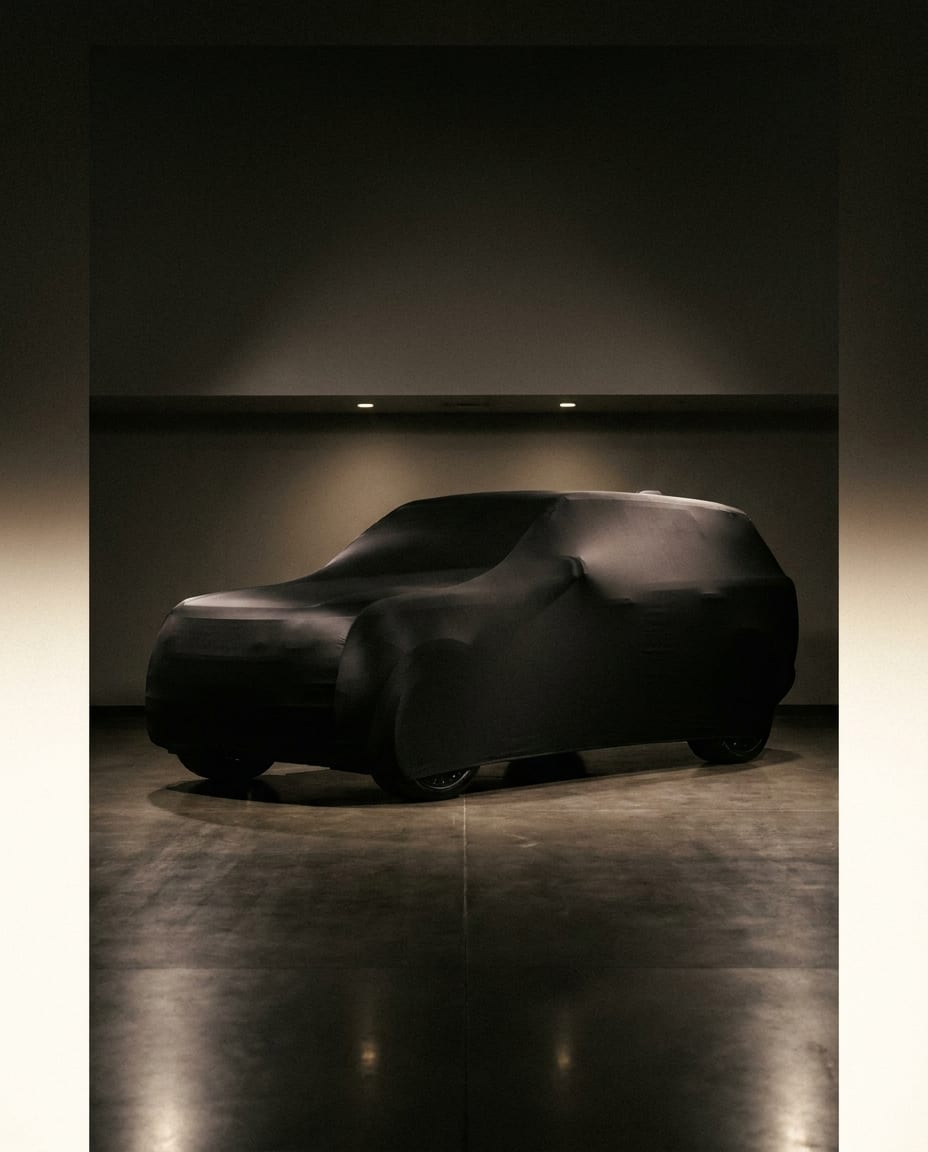
Why a Garage-Kept Sportage Still Needs an Indoor Cover
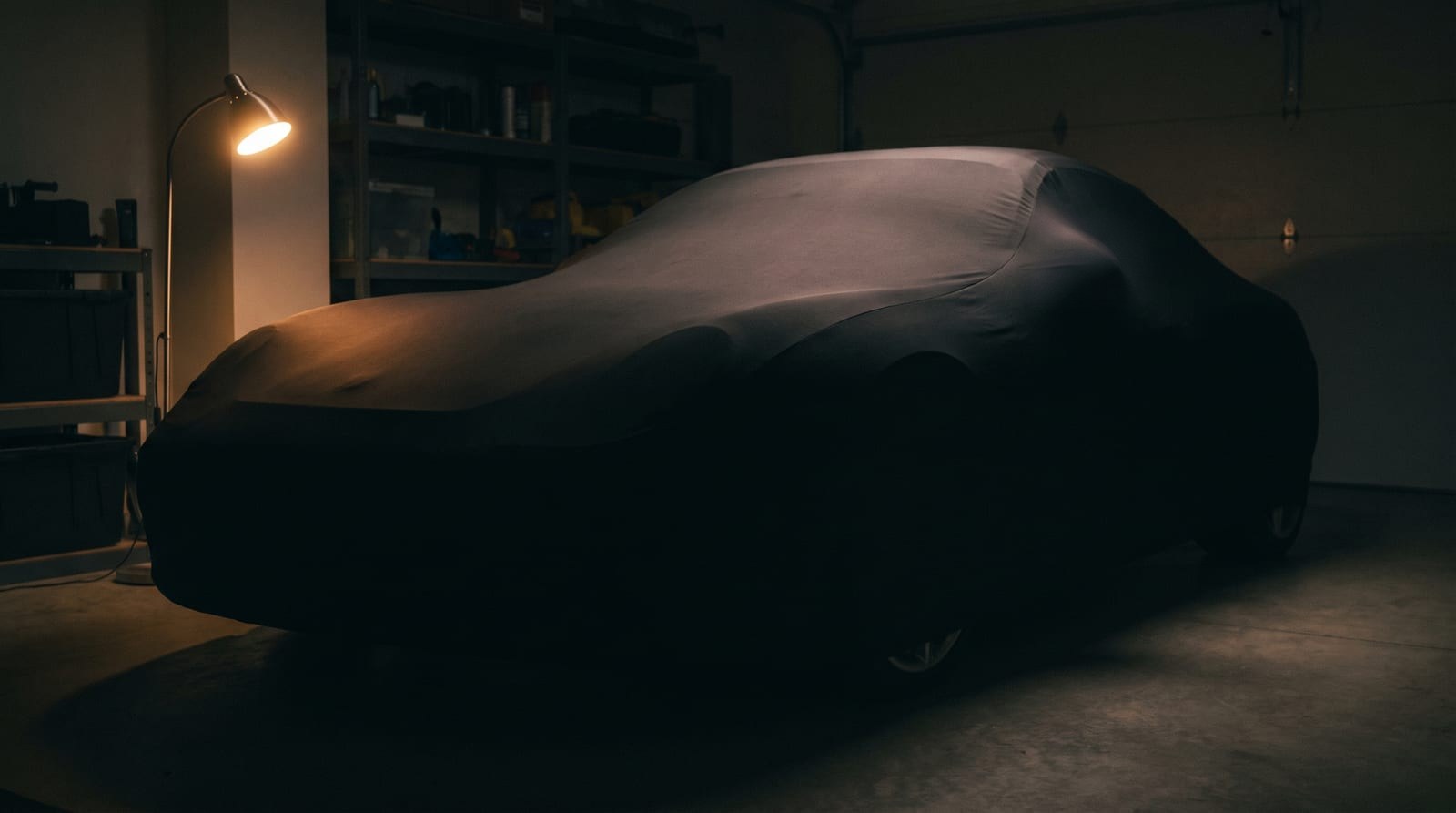
A garage isn't a clean room. Drywall dust settles out of the air for months after any renovation, pollen rides in on your shoes every time the side door opens, and forced-air heating kicks fine grit around the space all winter. None of that requires a single drop of rain to land on your Sportage's paint. It just needs time.
Then there's everything else sharing that square footage. Bikes leaned against the wall, a rake propped near the bumper, shelving units with just enough overhang to clip a mirror. A bare Sportage parked in the middle of that is one bad reach for a paint can away from a scratch.
This is where people get the category confused. Outdoor covers are built to fight rain, UV, and wind. An indoor car cover for Kia Sportage ownership is solving a completely different problem: dust buildup and incidental contact, not weather. If you're trying to decide between leaving the SUV bare, draping an old bedsheet over it, or buying something actually made for the job, this is the comparison that matters.
What Actually Makes a Cover 'Indoor' vs 'Outdoor'
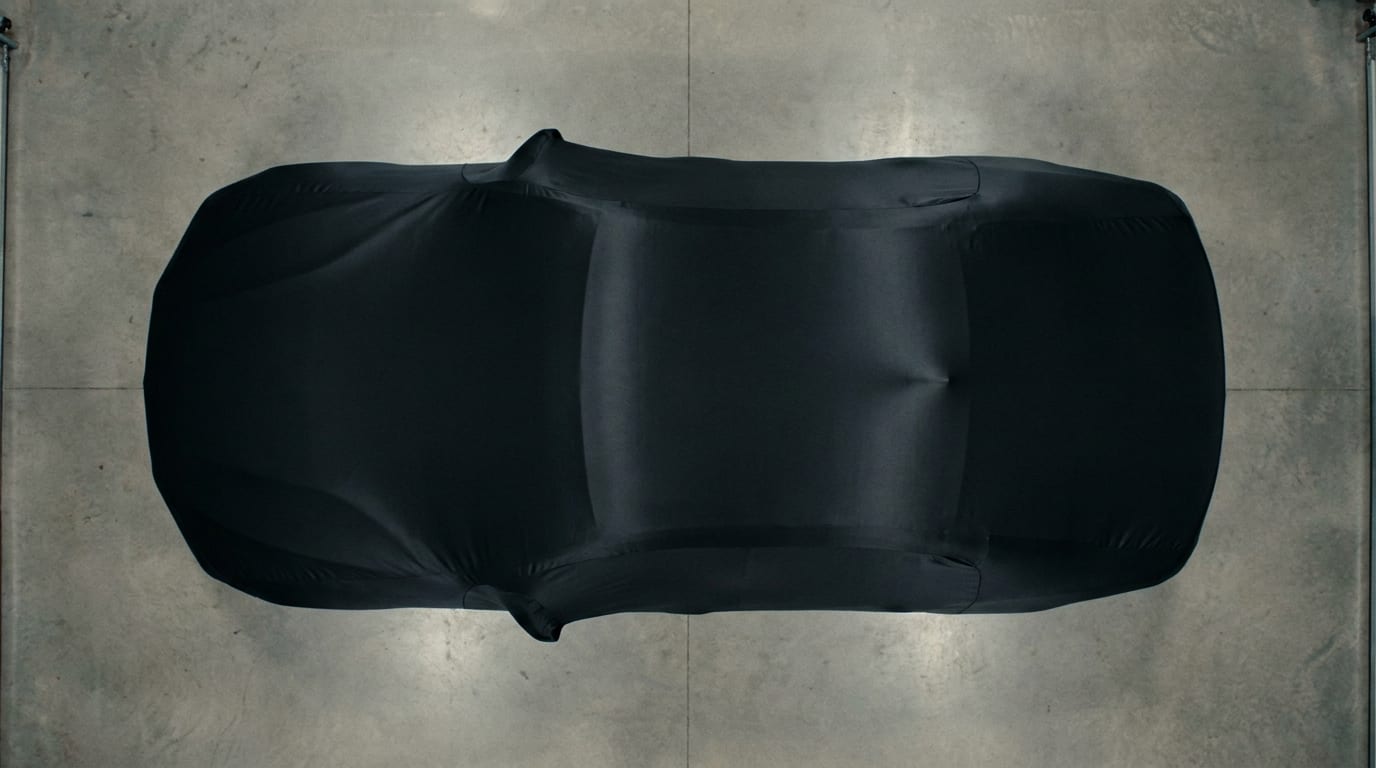
The fabric is the whole story here. Indoor covers use soft, non-abrasive linings, think satin, fleece-backed, or flannel, instead of the coated, waterproof shells you'd want parked outside. There's no rubber membrane to block rain because there's no rain to block.
That difference matters more than it sounds. Breathable indoor fabric lets trapped heat and moisture escape, which keeps condensation from forming under the cover on a Sportage that's sitting in a garage for days or weeks at a time. Outdoor materials, built to keep weather out, can trap humidity when used inside instead, and that's a bad trade for a car that never gets wet to begin with.
Weight follows the same logic. Indoor covers are lighter and softer against clear coat, which cuts down on the fine swirl marks that stiffer, coated outdoor fabric can leave behind over repeated use. Swapping the two categories is the single most common mistake owners make: an outdoor cover indoors can hold in humidity, and an indoor cover left outside gives you basically no real protection from weather. If you're still sorting out which category your situation calls for, the indoor vs outdoor buying guide walks through it in more detail.
Getting the Fit Right for a Kia Sportage
Sportage sizing isn't one constant number. Earlier generations were a tighter, compact crossover footprint, and the recent redesigns stretched the body out with a noticeably larger profile. A cover sized for a 2015 Sportage isn't going to sit right on a current one, even though both wear the same nameplate.
Fit matters more indoors than people assume. A loose, universal cover that bunches up at the hood or sags at the rear bumper doesn't just look sloppy, it rubs. Every gust from an opening garage door or every bump from brushing past the car shifts that slack fabric across the paint, and that's friction you didn't need. Custom-fit covers track the Sportage's actual contours instead, which keeps the material sitting close and still.
Some Sportage trims also come with roof rails, a shark-fin antenna, or mirror styling that a generic cover won't account for, leaving gaps at the doors where dust gets in anyway. Don't guess on this. Check actual measurements against your specific model year before buying, using the sizing guide and the custom-fit car covers page to match a cover to your Sportage instead of an SUV class in general.
How Soft Lining Stops Dust-Related Paint Damage
Here's the mechanism most people skip past: dust sitting on paint isn't dangerous by itself. It's dust plus movement. Every time a cover shifts, or someone brushes past the car, or wind from a garage door creates a little flutter in the fabric, those settled particles get dragged across the clear coat. A soft inner lining breaks that contact. It acts as a buffer layer between the grit and the paint, instead of grinding it in.
A bare car or a thrown-on tarp has no such buffer. Dust under movement behaves like fine sandpaper, and tarps in particular have zero give, so any contact is full contact.
Static-prone garages make this worse than most people expect. Forced-air heating in particular charges the air and pulls airborne dust straight onto exposed paint surfaces, often faster than you'd notice day to day. That's exactly the condition where a breathable, soft-lined cover earns its price. It's also worth knowing that satin and fleece linings are gentler on fresh detailing work, ceramic coatings, or vinyl wraps than the stiffer fabrics found on outdoor covers, so if you've just had paint correction done, this is the layer that protects it. For a longer walkthrough on living with a cover indoors day to day, see the indoor car cover guide.
Picking the Right Indoor Cover Tier for Your Sportage
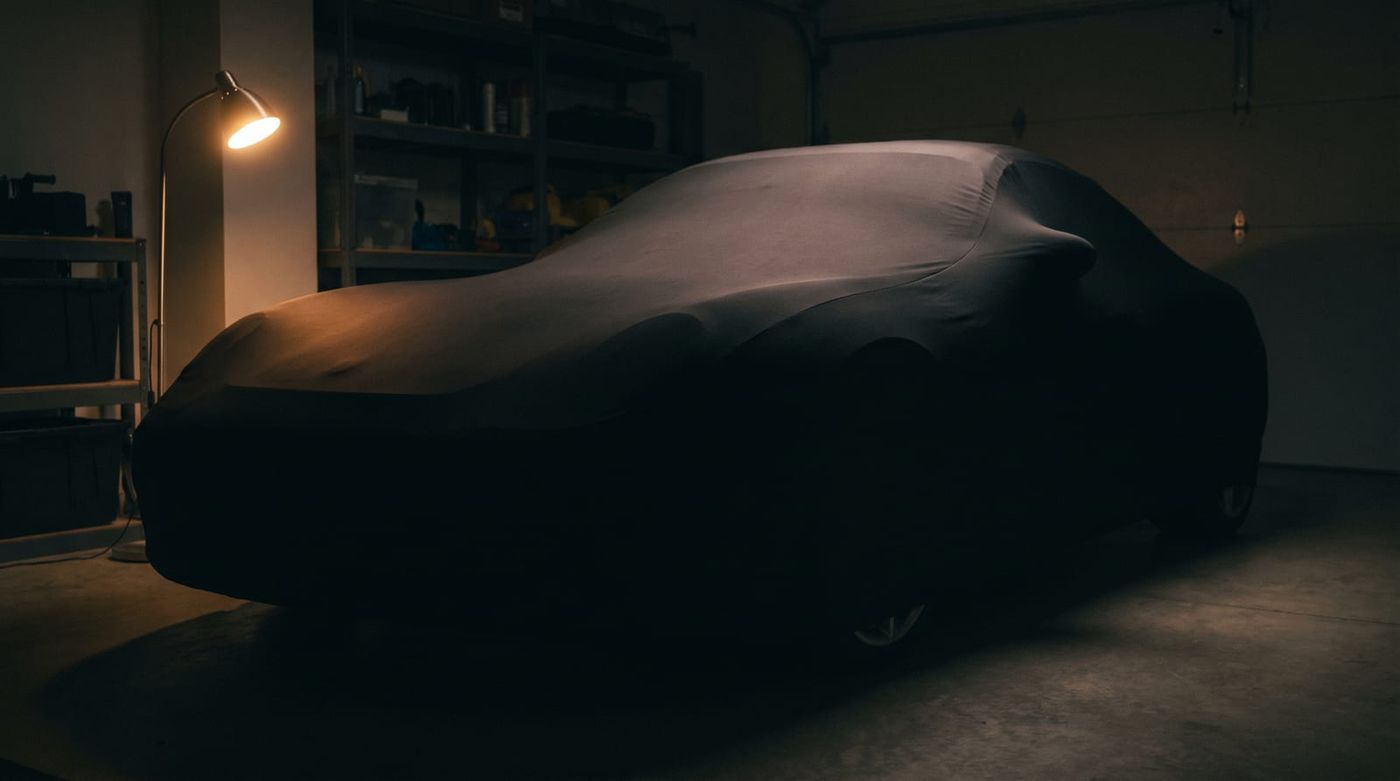
Not every indoor cover is built the same, and the right tier depends on how the Sportage actually gets stored.
| Tier | Build | Best for |
|---|---|---|
| Entry | Lightweight single-layer fleece or flannel | Short-term dust protection in a clean, climate-stable garage |
| Mid | Thicker soft lining, reinforced stitching at mirrors and wheel wells | Daily in-and-out garage use |
| Premium (black satin) | Densest soft lining, best scratch resistance | Show cars, resale prep, long-term storage |
If the Sportage shares space with shelving, bikes, or regular foot traffic, don't just chase softness. Prioritize reinforced stress-point stitching, since those are the spots that take the most abuse from accidental knocks. Owners who want the top end of that spectrum, maximum lining density and the cleanest finished look, should look at the indoor black satin cover directly.
Installing and Maintaining Your Indoor Cover
Draping technique matters more than people think. Unfold the cover fully before it touches the car, and lower it on from front to back so it doesn't drag across the garage floor first. A cover that picks up floor grit on the way onto the car is defeating its own purpose before you've even finished putting it on.
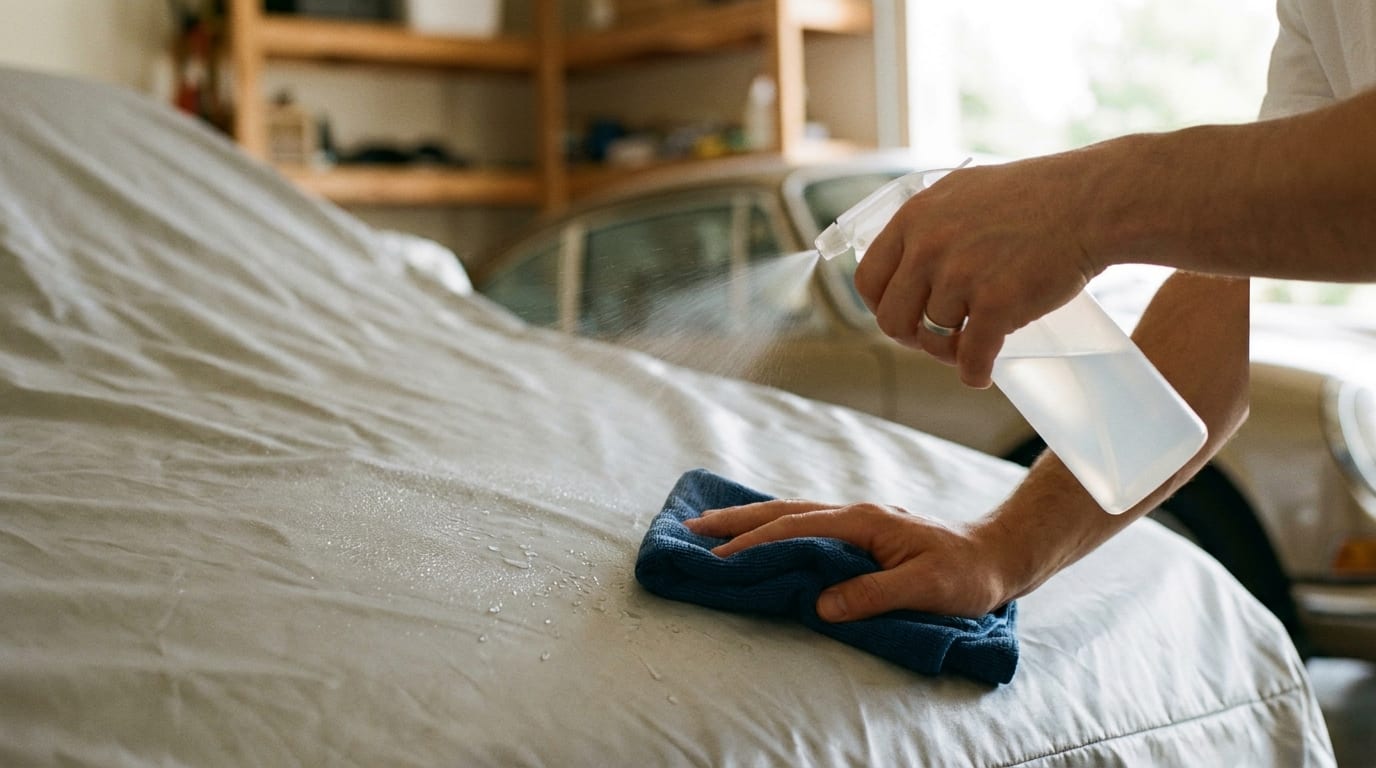
The cover itself needs occasional attention too. Shake it out regularly, and wash it on a real schedule, because a cover caked in its own dust just reintroduces the exact problem it's supposed to prevent. Take it off entirely before washing or waxing the Sportage at home. Leaving a soft-lined cover on wet panels defeats the breathability that made it worth buying in the first place.
Between uses, fold it and store it somewhere clean, a shelf or a bag works, not balled up on the garage floor where it'll just collect the dust you're trying to avoid. For the specifics, the care and cleaning guide and the installation guide cover the step-by-step.
Final Decision: Is an Indoor Cover Worth It for Your Sportage?
The trade-off is pretty simple. A soft-lined indoor cover costs a fraction of what paint correction runs when years of ground-in dust finally catches up with the clear coat. One's a small upfront decision, the other's a bill you didn't plan for.
Soft lining alone isn't the full answer, and neither is custom fit alone. It's the combination that actually stops the friction-based damage this whole article is about, a loose cover with great lining still rubs, and a perfectly fitted cover with stiff fabric still scratches.
If your Sportage lives in a sealed, filtered garage with no foot traffic and nothing stored nearby, you're probably fine without one. Everyone else is better off matching their Sportage's exact model year to a proper custom-fit indoor cover, and checking the warranty terms before buying so you know what's actually backed.
If you're still weighing options for your SUV, it's worth browsing the full range of SUV covers and checking the Kia-specific cover lineup, and if you want more buying advice like this before you commit, consider subscribing to the blog for future guides.