Indoor Car Cover for Mercedes-Benz E-Class: Soft Lining & Dust Protection Guide
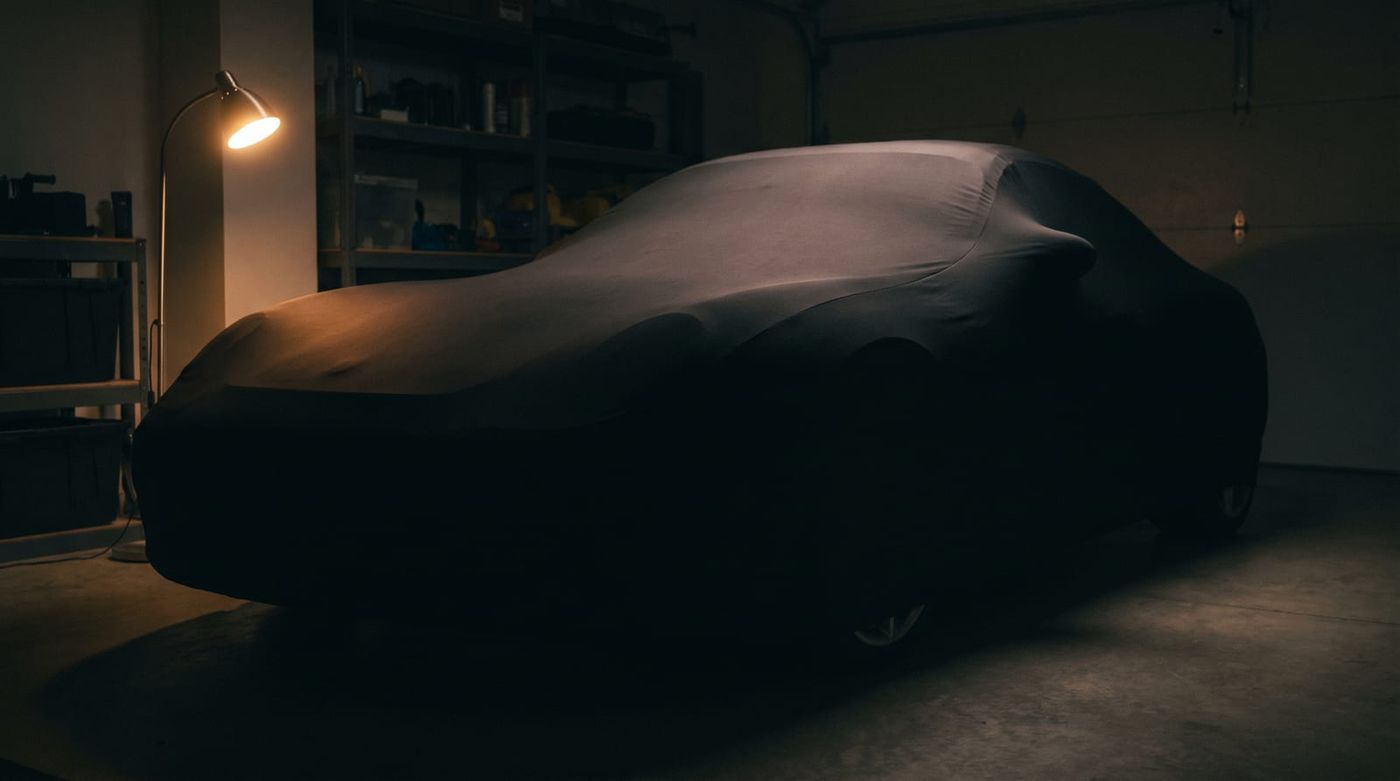
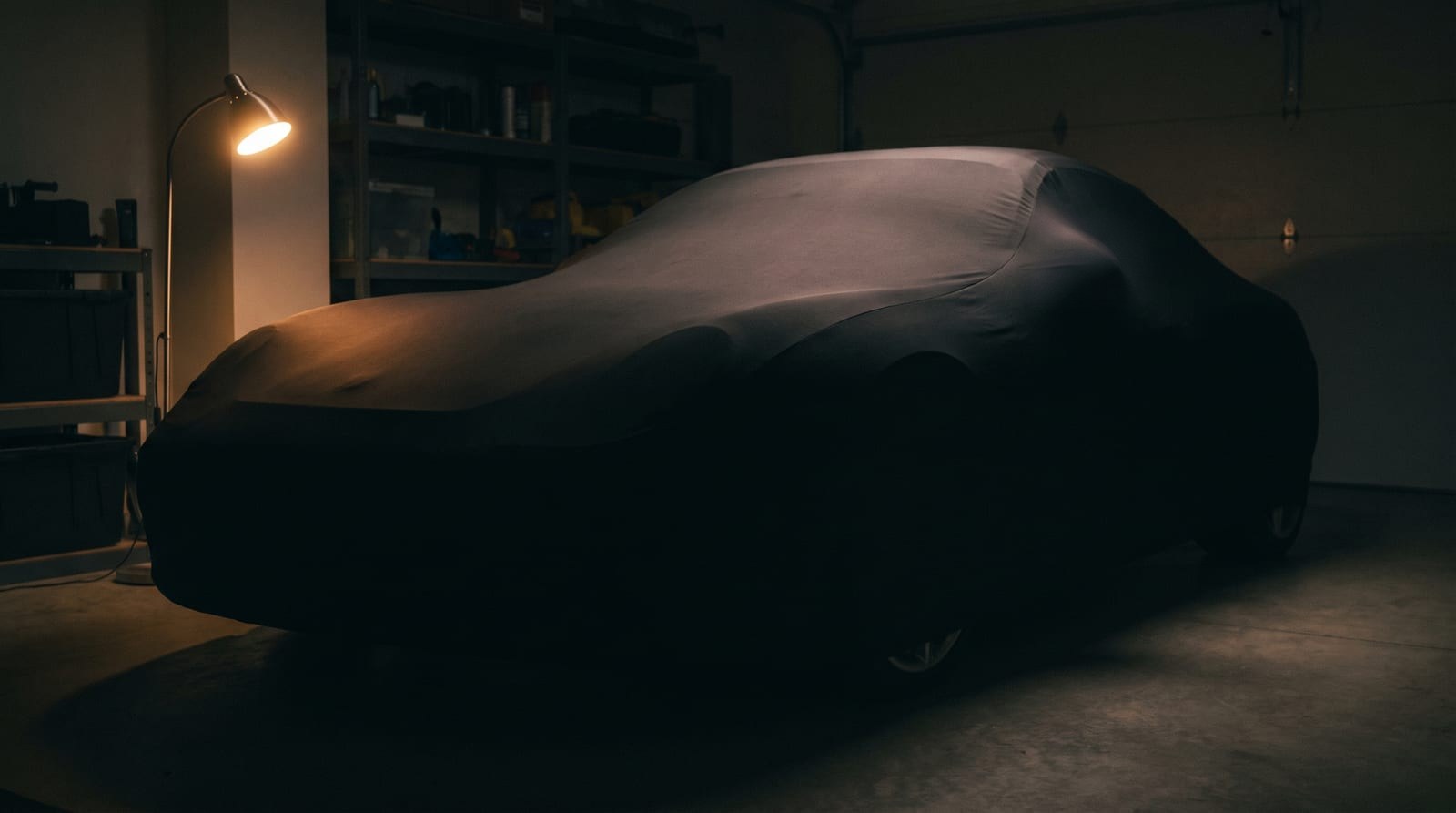
Mercedes-Benz E-Class owners who garage their car tend to assume the hard part is over. Car's inside, doors closed, weather can't touch it. But a garage isn't a vacuum. Dust, pollen, and whatever gets kicked up from the workshop bench or the driveway still finds its way onto the paint, the glass, the chrome. An indoor car cover for Mercedes-Benz E-Class owners isn't about keeping rain off. It's about keeping the finish the way it looked the day it rolled in.
Why a Garage-Kept E-Class Still Needs an Indoor Cover
A closed garage traps more than it keeps out. Dust settles constantly, pollen drifts in every time the door opens, and anything you're sanding, grinding, or sweeping nearby ends up airborne and then on the hood. None of that needs rain to cause damage.
There's also the physical stuff. Bikes leaned against a wall. A ladder that slips. Someone brushing past the fender with a toolbox in a shared garage. These are small, boring accidents, and they're exactly the kind that leave a scuff nobody notices until it's too late to buff out easily.
For an E-Class with leather seats, wood trim, and factory paint that Mercedes spent real effort getting right, that's not a risk worth shrugging off, especially on a car that only comes out on weekends or sits through a season of storage. The rest of this guide gets into lining material, fit by generation, and how to actually pick the right indoor car cover for Mercedes-Benz E-Class storage, instead of just grabbing whatever's cheapest.
What Makes an Indoor Cover Different From an Outdoor Cover
Outdoor covers are built like rain jackets: heavier shells, UV-resistant coatings, waterproofing that can stand up to a storm. Indoor covers skip almost all of that. What they're built with instead is soft, non-abrasive interior lining, usually a satin or fleece-style fabric, because the job indoors isn't blocking weather. It's keeping dust off without grinding it into the clear coat every time the cover shifts.
That changes the fabric weight and the weave entirely. Breathability indoors is about letting trapped dust and moisture move, not about stopping a downpour. Which means an indoor cover genuinely isn't built for rain or snow, not even for a quick dash to the mailbox. Use one outside, even briefly, and you'll find out the hard way that it soaks through and holds moisture against the paint instead of shedding it.
If you're still not sure which category your E-Class actually needs, the indoor car cover guide breaks down the decision in more detail.
Soft Lining Materials: Satin, Fleece, and What Protects an E-Class Finish
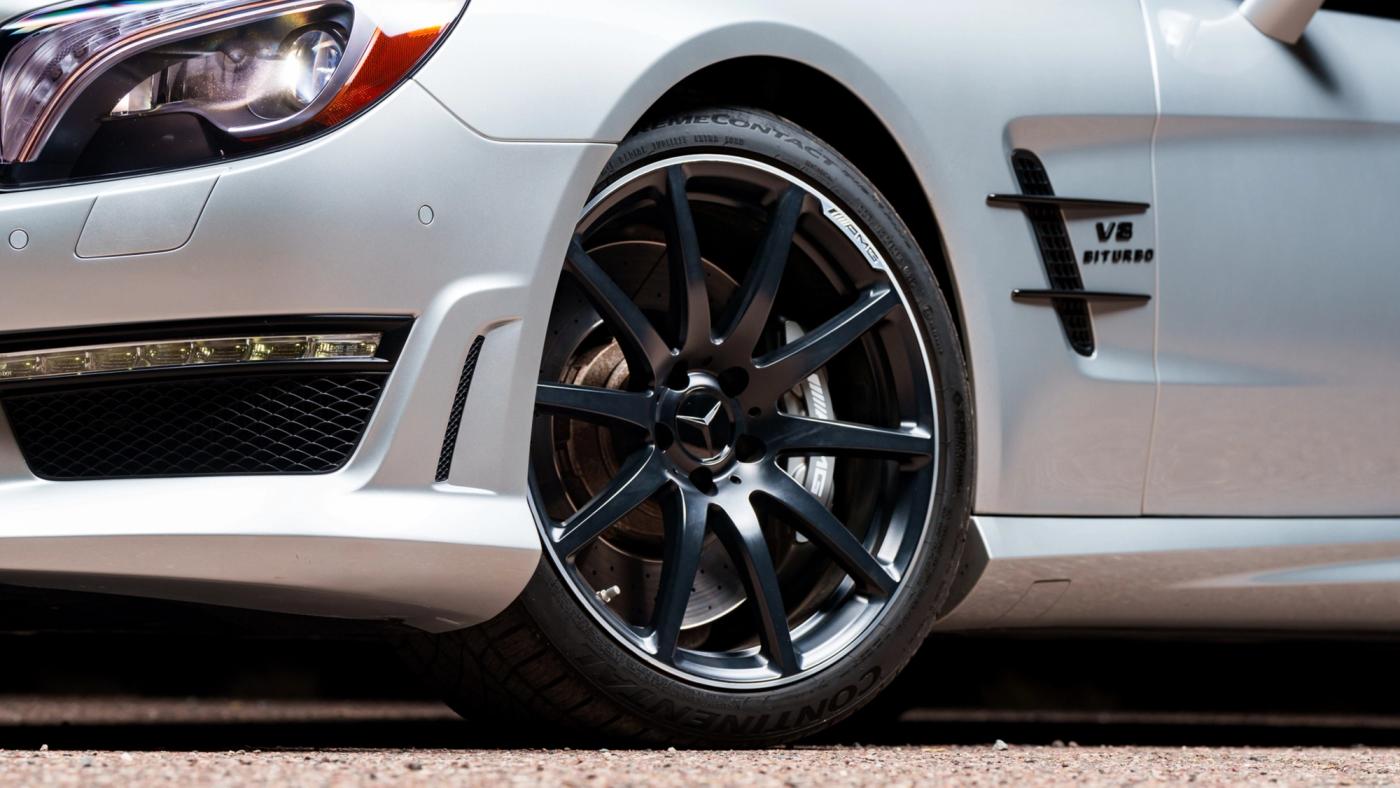
Here's the detail that actually matters most for garage storage: what's touching the paint. A rough fabric backing, even a light one, will create micro-scratching over time, the fine swirl marks you only notice under direct sun or garage lighting. Satin and fleece-style interior linings are built specifically to avoid that, gliding against the surface instead of dragging on it.
This matters more on an E-Class in a dark color or a metallic finish. Black, obsidian, graphite, anything with depth to it, shows swirl marks far more readily than a lighter paint would. A cover with rough lining on a car like that is a slow, invisible way to dull a finish you paid to keep sharp.
Breathable construction also matters indoors for a reason people don't think about: temperature swings. Garages heat up and cool down with the day, and without airflow, that temperature change can trap moisture under the cover. The Indoor Black Satin cover is a good example of lining built around both of those problems at once, soft against the paint and breathable enough to not trap condensation.
Dust Protection for a Garage-Kept Mercedes-Benz E-Class
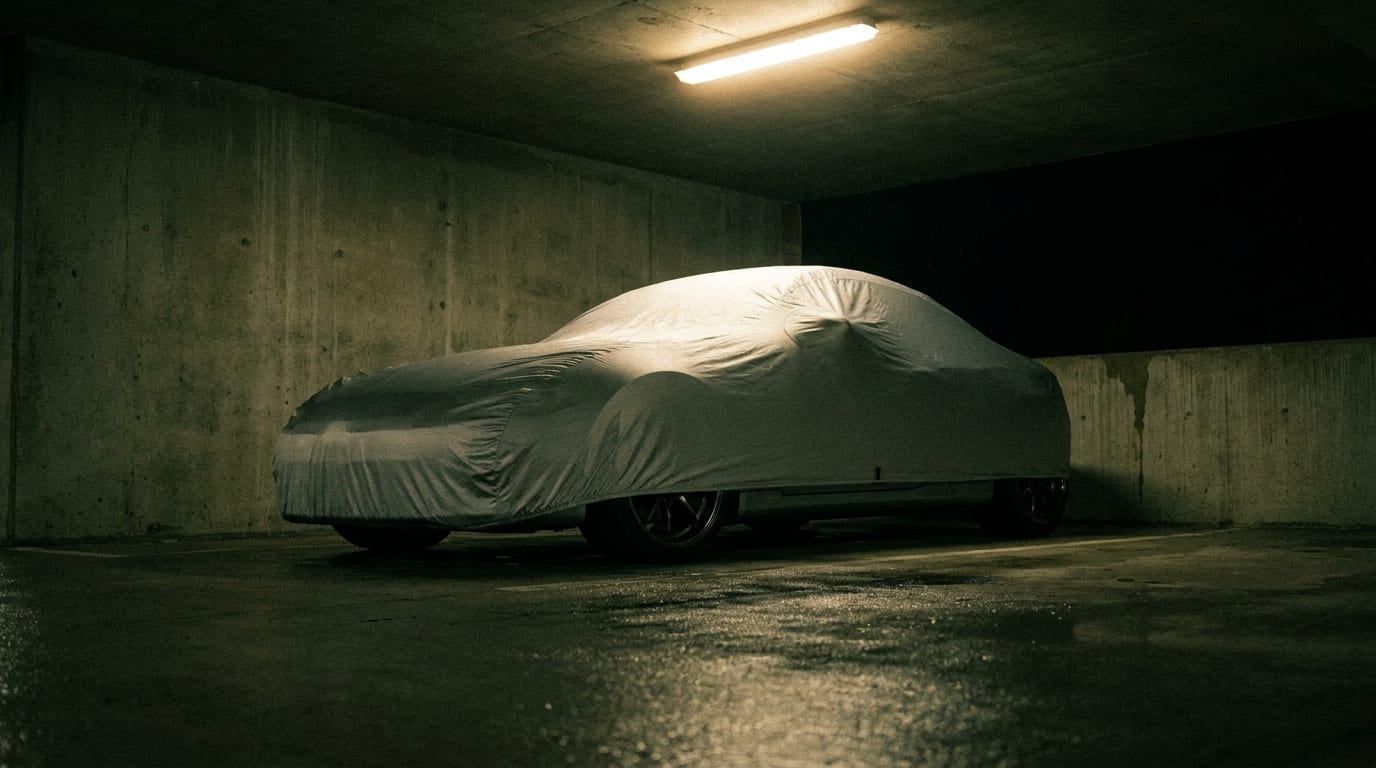
Dust builds up faster than most owners expect, especially in a garage that's near a workshop, backs up to a gravel driveway, or sits close to an HVAC vent pushing air around all day. Leave an E-Class uncovered for even a couple of weeks and you'll see a visible film on the hood and windshield.
A cover keeps that film off the surfaces that actually show it: chrome trim, mirrors, badges. Those are the spots that collect dust and pollen fastest and look worst when they do.
It's not just dust, either. Pet hair, rodents nesting near stored cars, boxes or tools brushing against a panel while someone digs through garage storage, a cover is a barrier against all of it. If animals share the space, it's worth a look at how to protect a car from pet scratches and animal damage specifically, since claws and teeth do their own kind of damage a basic cover still helps prevent.
The payoff is less obvious but real: a car that's covered between drives needs a full wash and detail far less often than one left exposed to garage air every day.
Getting the Right Fit for Your E-Class Generation
Fit is where a lot of covers quietly fail. A sedan and the E-Class wagon (Estate or All-Terrain) have different rooflines, different rear ends, different proportions entirely. A cover cut for one won't sit right on the other, no matter how close the badge is.
Generation matters just as much. A W212 isn't the same length as a W213, and the W214 brings its own changes to mirror housings and antenna placement. Mirror pockets and antenna cutouts that fit one generation won't line up on another, and a cover that doesn't line up is a cover that shifts, bunches, and rubs against the paint while it's supposedly protecting it.
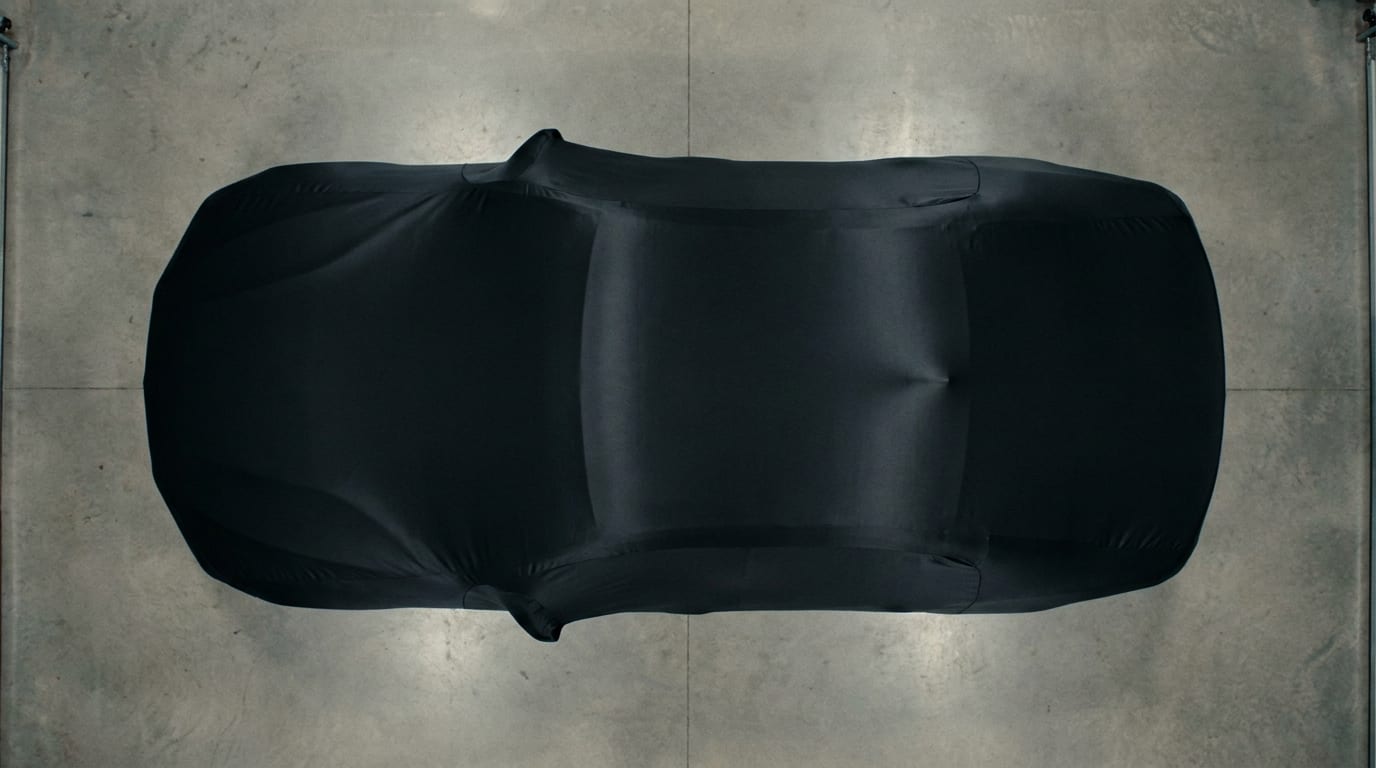
This is why custom-fit beats universal here, full stop. A universal cover is a compromise by design. A custom-fit car cover is cut to the E-Class's actual dimensions, which means it stays put instead of sliding around every time the garage door opens and the air moves. If you check the Mercedes-Benz cover selection and aren't sure how to confirm your exact year or body style, the sizing guide walks through how to measure and match it correctly.
Comparing Indoor Cover Options for the E-Class
Not every indoor cover is built to the same standard, and the differences show up in six places that actually matter for a car this nice.
| Feature | Satin/Fleece Tier | Basic Indoor Tier |
|---|---|---|
| Lining material | Soft satin or fleece interior | Basic indoor fabric interior |
| Scratch prevention | High, minimizes swirl marks | Moderate, some risk on dark paint |
| Breathability | Engineered airflow for moisture control | Standard airflow |
| Fit precision | Custom-fit, pattern cut to E-Class dimensions | Semi-custom, general sizing |
| Included accessories | Storage bag, mirror pockets, antenna patch | Storage bag only, accessories vary |
| Best use case | Daily garage storage or long-term seasonal storage | Occasional short-term indoor use |
The honest take: if your E-Class is a weekend car or something you're storing long-term, the satin/fleece tier is worth the extra cost. It's the lining that actually prevents the swirl marks dark paint shows off, and the fit precision means it won't shift and rub while it sits for months. Warranty coverage also tends to track with tier, so it's worth reading the lifetime warranty details before deciding, especially since CarCovers has been building fitted covers since 2008, which is long enough to have worked out most of the fit issues universal covers still have.
Installing and Living With an Indoor Cover Day to Day
If you're still driving the E-Class regularly, the on/off routine needs to be fast or you'll stop bothering with it. Most custom-fit indoor covers take under a minute: unfold, drape from the windshield back, tuck the mirror pockets, done. The installation guide covers the specifics if it's your first time fitting one.
Folding matters more than people think. Cramming a cover into a tight ball creases the lining and, over time, that crease can turn into a permanent crease mark in the fabric. Fold it loosely, roughly along its natural seams, and store it somewhere flat or in its bag rather than stuffed in a corner.
Keeping the lining effective long-term just means an occasional shake-out and a wash when it's visibly dusty. The cover care guide has the specifics on cleaning without damaging the lining. And one mistake worth calling out directly: never cover a wet or dirty car. Sealing moisture or grime under the cover just traps it against the paint, which does more damage than leaving the car uncovered entirely. For anyone newer to covering a car indoors generally, the indoor car cover usage guide is worth a read before the first use.
Choosing Your Mercedes-Benz E-Class Indoor Cover
It comes down to three things: soft lining that won't scratch the paint, a fit cut for your specific E-Class generation and body style, and breathable fabric that actually controls dust instead of just trapping it. Get those right and the cover does its job quietly for years, backed by warranty coverage so you're not guessing on quality.
If you're ready to look, browse the indoor options sized for the E-Class and find the fit that matches your generation. Or if you're still weighing indoor against outdoor, stick around the blog, there's more here to help you land on the right call before you buy.