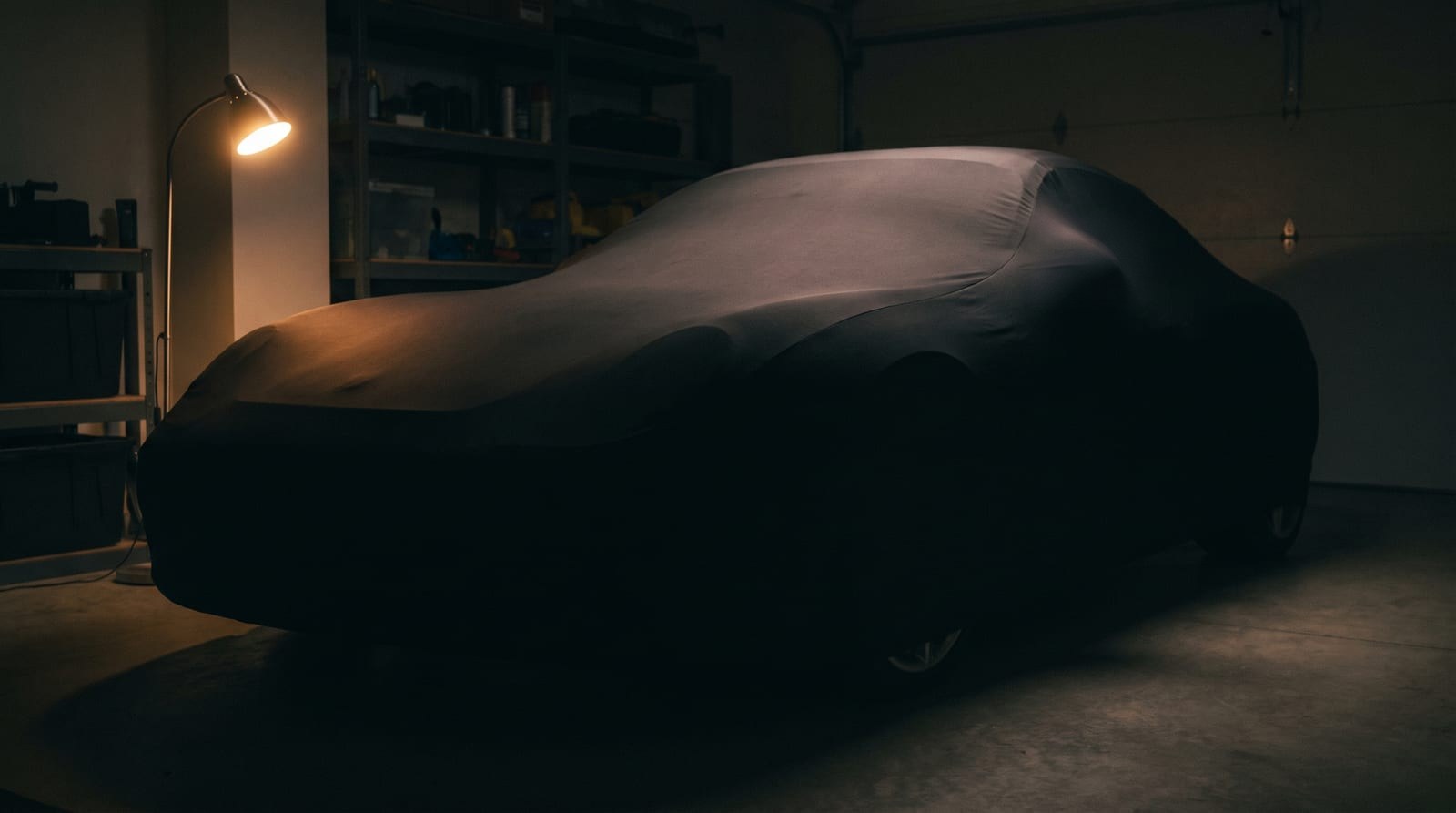
Indoor Car Cover for Mini Cooper: Soft-Lining Dust Protection for Garage Storage
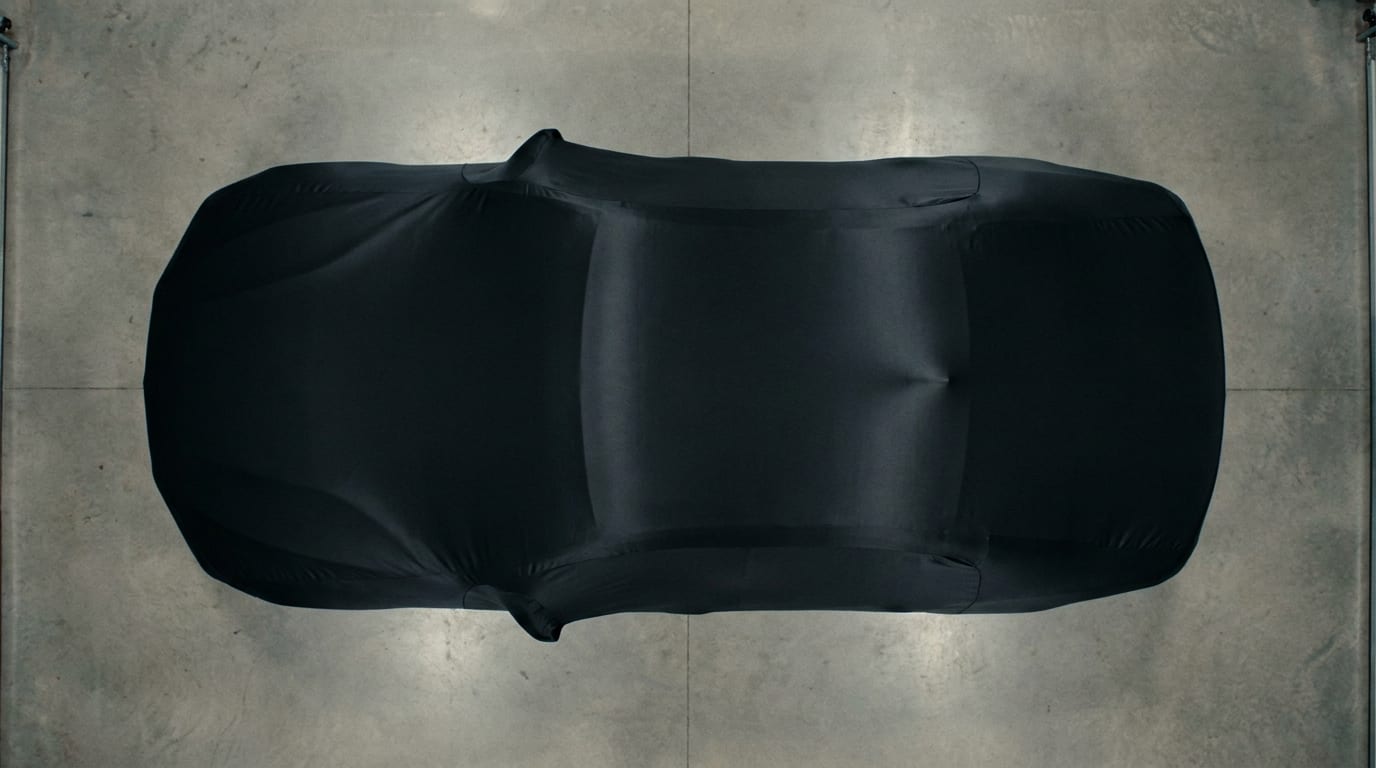
Your Mini's parked in the garage, door's shut, and it looks spotless. Give it three weeks and run a finger across the hood anyway. There's a thin film there you didn't put there. That's the whole case for an indoor car cover for Mini Cooper owners: garages aren't sealed vaults, they're rooms, and rooms collect dust whether you're watching or not.
Why a Garage-Kept Mini Cooper Still Needs an Indoor Cover
A closed garage door doesn't mean a closed system. Dust, pollen, drywall particles, even oxidation residue drifting off nearby shelving, all of it settles slowly onto horizontal surfaces over weeks of storage. Paint is a horizontal surface more often than people think, especially on a low, curvy car like a Mini.
Then there's everything else sharing the space. Bikes leaned against the wall, a rake propped in the corner, a cooler someone slides past on their way to the fridge. Minis tend to live in multi-use garages, not dedicated car barns, so an indoor cover isn't just blocking dust. It's the layer between your clear coat and whatever gets bumped, dropped, or dragged past it on a Tuesday.
Worth being clear about what indoor covers are actually built for. They're not fighting rain or UV rays, so they skip the heavy waterproof treatments and sun-blocking laminates that outdoor covers carry. Indoor covers prioritize a soft, breathable barrier instead. Different job, different materials.
One more thing before you keep reading: this guide assumes you've already decided a cover makes sense and you're narrowing down which one to buy. If you're still weighing whether you need one at all, the broader indoor car covers guide is the better starting point.
What 'Soft Lining' Actually Means on an Indoor Cover
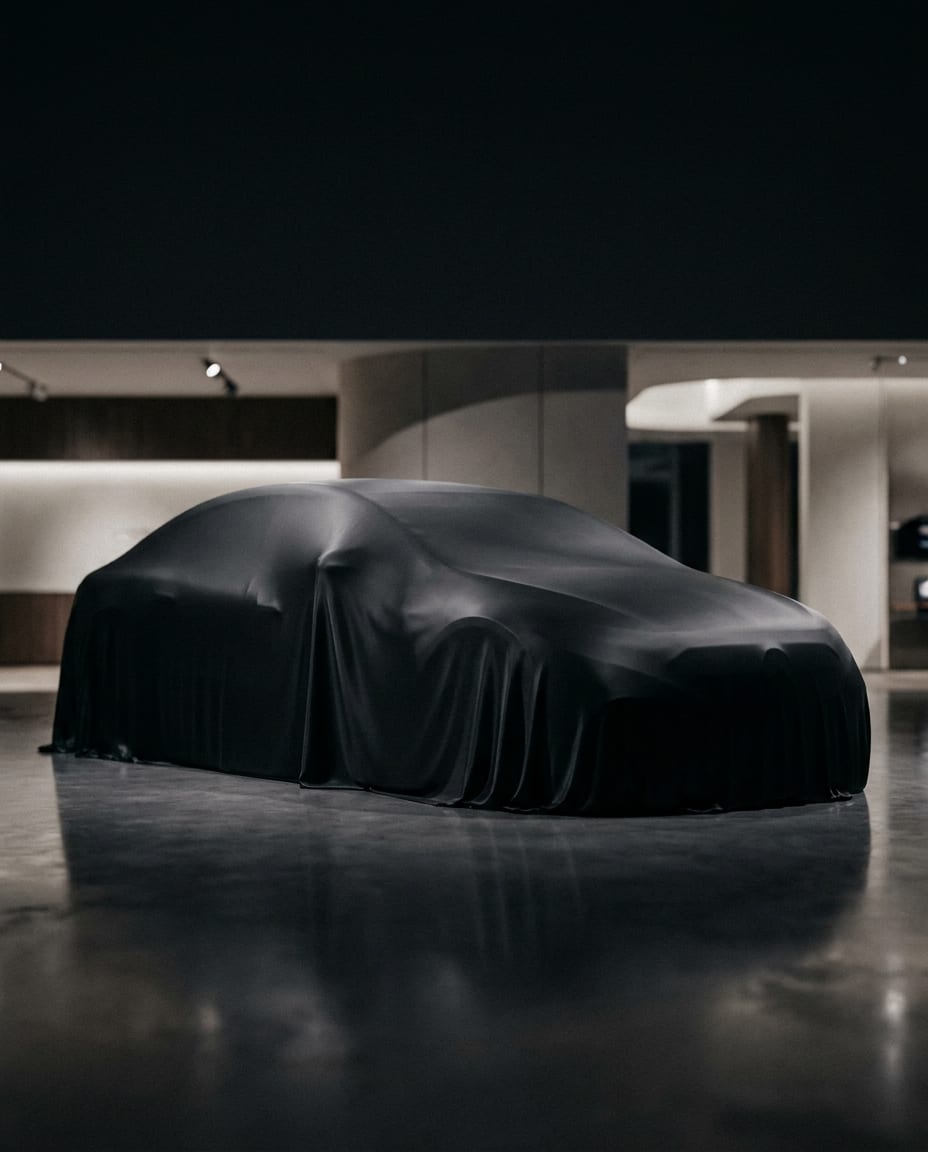
"Soft lining" isn't marketing fluff, it's a construction detail that matters more than most buyers realize. Indoor covers use a fleece or flannel-style inner layer against the body of the car, specifically so the fabric doesn't rub micro-scratches, the kind you'd call swirl marks, into the clear coat every time wind or foot traffic shifts the cover slightly. A stiff or unlined fabric does this slowly, invisibly, over months. You won't notice until you're polishing the hood under direct light and wondering where the haze came from.
Breathability still matters here, even indoors. A soft lining that traps moisture against the paint is almost worse than no cover at all, because now you've got condensation sitting under fabric overnight instead of just open air. Good indoor covers let that humidity escape instead of pooling.
Most of these are single-layer and lightweight on purpose. If your Mini comes out most weekends, you want something you can fold and unfold in under a minute, not wrestle with. That's the tradeoff indoor covers make: less armor, more convenience, because they're not up against weather.
If you want a dedicated product built specifically around this, the indoor black satin cover is the line made for exactly this use case: soft-lining, garage-only protection without the bulk of a weatherproof shell.
Dust Protection: What to Check Before You Buy
Not all soft-lined fabric blocks dust equally well. The spec to actually check is weave density. A tight weave stops fine particles from passing through to the paint; a loose knit, even if it feels soft, lets dust settle right through it like a window screen.
Fit at the bottom edge matters just as much. Look for an elastic hem or a cable-and-strap closure system that cinches the cover down near the garage floor. Without that, you've got a gap running the length of the car, and dust doesn't need much of a gap to get under there over a few weeks.
This is where sizing stops being a minor detail. A cover cut specifically for a Mini Cooper's body, whether that's the standard hatch, the longer Clubman, or the convertible, sits snugger than a generic "compact car" universal cover. Less excess fabric means less gap at the edges, which means less dust sneaking in underneath. Universal covers are built to loosely fit a range of cars, and loose is the operative word.
Check for mirror pockets and antenna grommets too. These are the spots where dust tends to collect on a poorly fitted cover, because the fabric either bunches up around the mirror or leaves an open gap where the antenna pokes through. A cover built around the Mini's actual shape closes those gaps instead of working around them.
Matching the Cover to Your Mini Cooper Body Style
Minis aren't one shape anymore, and that trips people up. The hatchback has a short, steep rear end. The Clubman stretches that out into something closer to a wagon, with a split rear door setup. The convertible has a folded soft-top stack sitting behind the rear seats that a hatchback-pattern cover simply doesn't account for.
Each of those needs a different panel cut, particularly around the rear hatch, the roofline, and (for the convertible) that top stack. A generic universal cover is built to loosely accommodate "small cars" as a category, which means it's accommodating none of them particularly well. A model-specific or custom-fit car cover follows those lines instead of draping over them, and that snugger fit does double duty: better dust sealing, and less chance of the whole cover shifting overnight if something in the garage bumps it.
Before you buy, check your exact year and trim against the sizing chart. Mini's updated body dimensions more than once across generations, so a cover sized for an older hatchback body may not sit right on a newer one even though both say "Mini Cooper." The Mini-specific cover page breaks out options by model, and the sizing guide is worth five minutes before checkout to confirm you're ordering the right fit.
Choosing Between Indoor Cover Tiers for a Mini Cooper
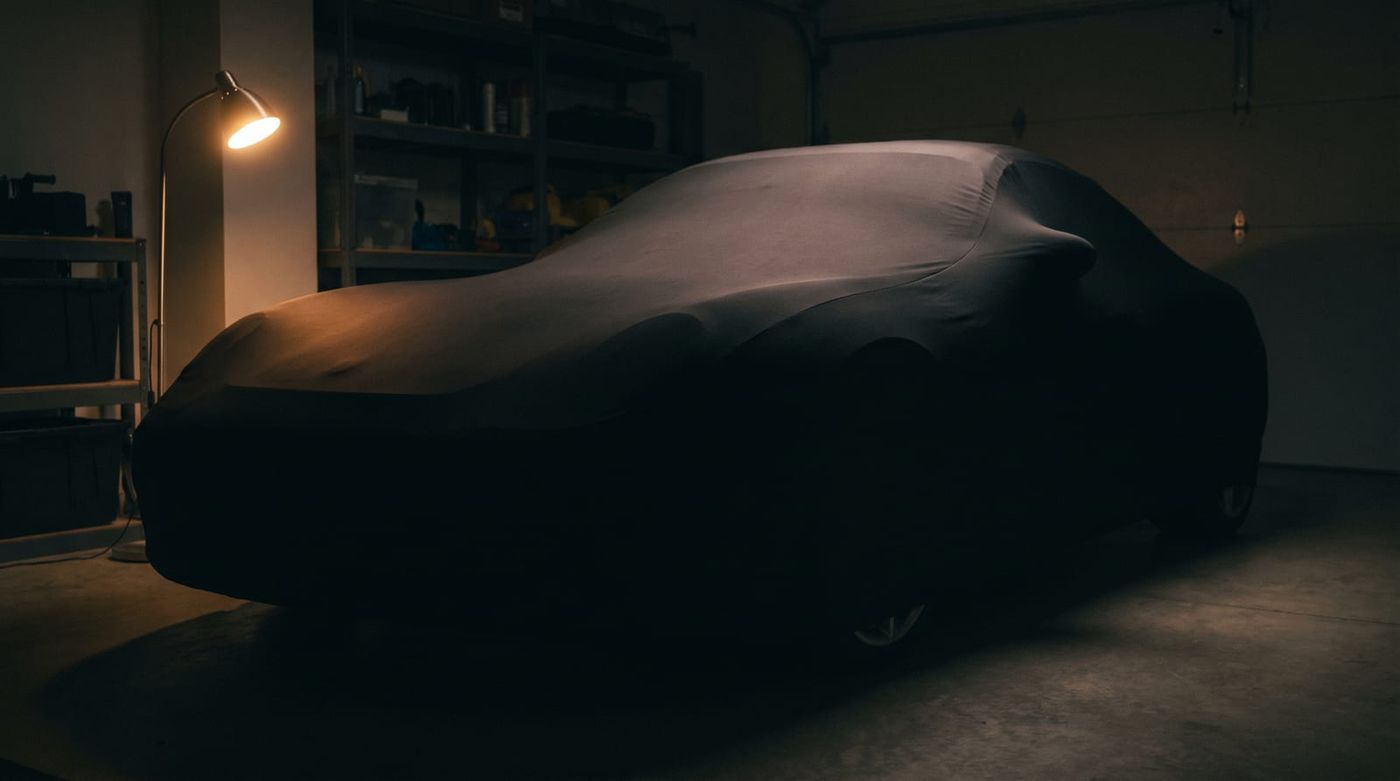
Once you've got the body style sorted, the next decision is which tier makes sense for how you actually use the car.
| Tier | Build | Best for |
|---|---|---|
| Entry soft-lining | Single-layer fleece, lightweight | Daily driver, cover comes on and off often |
| Mid-tier satin | Tighter weave, reinforced stitching at mirror pockets and wheel wells | Regular garage storage with some dust exposure |
| Premium indoor | Thicker lining, added padding at contact points | Long-term storage, show cars, weeks between uses |
The entry tier is the right call if your Mini is a daily driver that just happens to sleep in the garage. You want something fast to handle, not something you're carefully arranging over the mirrors every morning. The mid-tier satin cover earns its price with a denser weave that actually blocks more dust, plus reinforced stitching at the spots that take the most stress, mirror pockets and wheel well cutouts, so it holds up to repeated folding. Premium indoor covers add a thicker lining and extra padding at contact points, which matters most if the car sits covered for weeks between drives rather than days.
Honestly, the decision rule here is simpler than most buying guides make it sound: match the tier to how often the car leaves the garage, not to your budget ceiling. A collector car that gets driven twice a month deserves the premium tier regardless of price, because it's absorbing weeks of dust settling time per use. A weekend driver that's out and about every few days doesn't need that; the entry tier will do the job and be easier to live with day to day.
Installing, Storing, and Maintaining the Cover
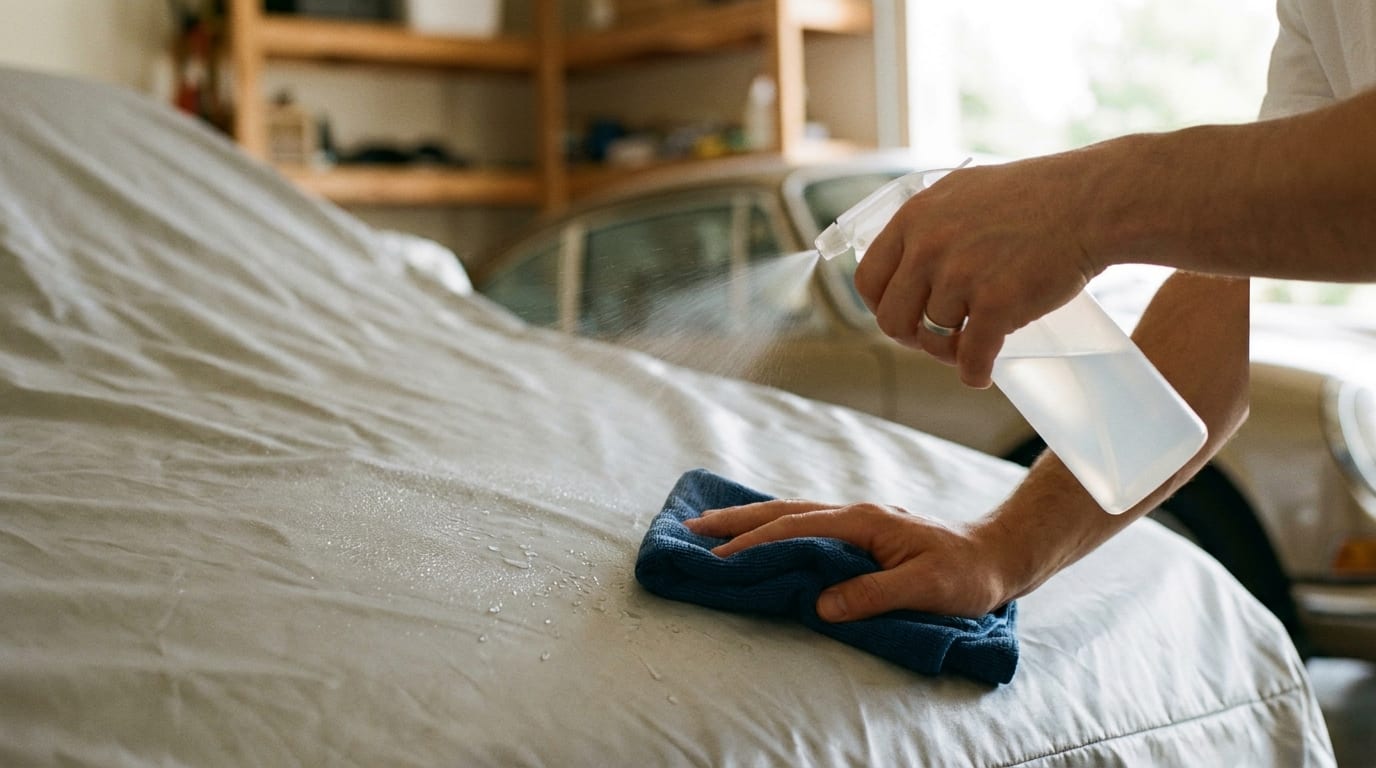
A soft-lined cover only protects paint if you handle it the same way every time. Fold from the same edge, every time, so the exterior side (the side that's been sitting near the garage floor or brushing against shelving) never ends up pressed against the painted surface when you store it.
Shake it out before folding. It's tempting to just ball it up and toss it in the trunk or on a shelf, but grit that's settled into the fleece lining gets compacted with repeated folding, and compacted grit is exactly what causes the scratching a soft lining is supposed to prevent in the first place.
How often you wash it depends on your garage. Dusty workshop with a table saw running occasionally? Wash it more. Clean, swept garage with nothing but the car and some wall shelving? You can stretch it longer. Either way, the cover cleaning guide walks through the actual steps so you're not just tossing it in a washing machine and hoping for the best. If pets have access to the garage, it's also worth a look at protecting covers from cat and animal scratches, since claws do more damage to a soft lining than dust ever will.
Check the warranty terms before you buy, not after something frays. A lifetime warranty on car covers means stitching or fabric defects get covered years down the line, which matters more on a cover you're folding and unfolding daily than one that just sits outside.
Get the Right Fit for Your Mini Cooper
Soft lining prevents the scratching. Tight weave plus a snug, model-specific fit is what actually keeps dust off the paint. Tier choice comes down to how often the car leaves the garage, not what's cheapest on the shelf. Those three decisions cover most of what matters here.
Double-check your exact year and trim against the sizing chart before you check out. A hatchback cover on a Clubman, or vice versa, is the kind of mismatch that ends in a return, and it's avoidable in two minutes.
If you're ready to browse, take a look at the car care resources for more on keeping a garage-stored Mini in shape, and when you're set on fit and tier, go find the cover that matches your exact model.