
Indoor Car Cover for Tesla Model Y: Soft-Lining Protection for Garage-Kept Cars
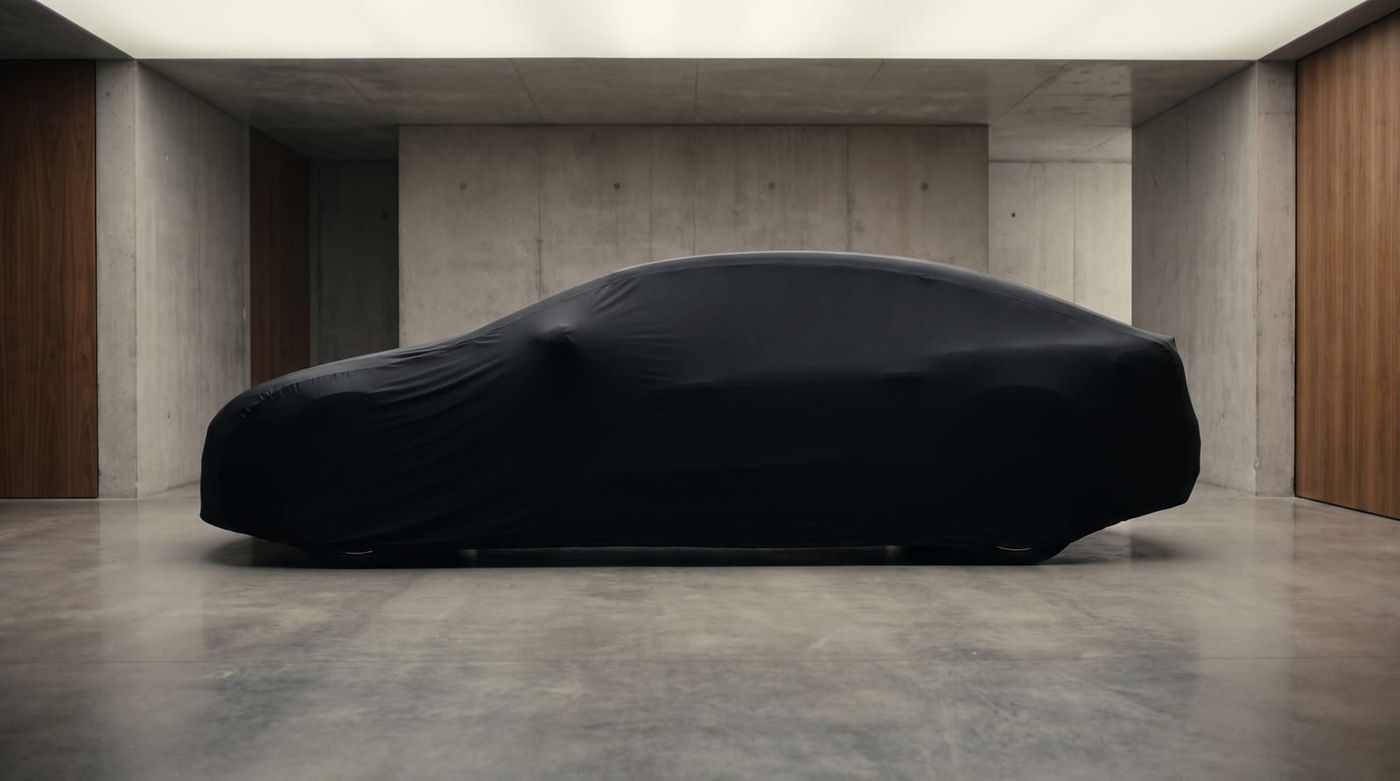
Dust doesn't care that your Tesla Model Y lives indoors. Even a clean, finished garage kicks up grit from tires, foot traffic, and whatever's stacked on the shelves nearby, and that grit lands right on your paint every time you park. That's the case for an indoor car cover for Tesla Model Y owners who think a closed garage door is protection enough. It's not, quite. A soft-lined cover adds the buffer a garage alone can't provide.
Why a Garage-Kept Tesla Model Y Still Needs an Indoor Cover
A garage isn't a clean room. Dust settles overnight, pollen drifts in every time the door opens, and if you've got a workbench or storage shelves nearby, sawdust and drywall particles find their way onto every flat surface, your car included.
Tesla's factory clear coat is thin. Thinner than a lot of owners expect, honestly. That means a stray bump from a bike handlebar, a ladder leaned the wrong way, or a shelf bracket can leave a mark that shows up as a swirl the next time the sun hits the hood just right.
Then there's the stuff you don't think about: drips from an overhead charging cable, dust that falls off the garage door track every time it rolls up, or condensation forming on the sheet metal if you pull the car in while it's still wet from rain. None of that needs an outdoor-grade cover to solve. What you actually need is something simpler: a soft interior lining and breathable fabric that keeps contact off the paint. The waterproofing and UV-blocking that outdoor covers obsess over isn't the job here. Your garage already does that part.
What Makes an Indoor Car Cover Different From an Outdoor One
Indoor and outdoor covers are built for different problems, and treating them as interchangeable is where a lot of owners go wrong.
Indoor covers use lightweight, breathable fabric with a soft inner lining, usually fleece or micro-flannel, instead of the heavy multi-layer waterproof shells built for rain and sun. Less material means less bulk. For a Model Y that gets driven daily, that's not a small thing. You're not wrestling a stiff, heavier cover on and off every time you need the car.
Indoor covers also skip the hardware. No grommets, no cable locks, no wind straps, because none of that's needed when the car isn't facing wind or rain. Fewer attachment points means fewer hard edges that could scratch paint while you're putting the cover on in a hurry before work.
If you want the full category breakdown before deciding, the indoor car cover guide walks through the differences in more depth.
Fit Essentials for the Model Y's Shape
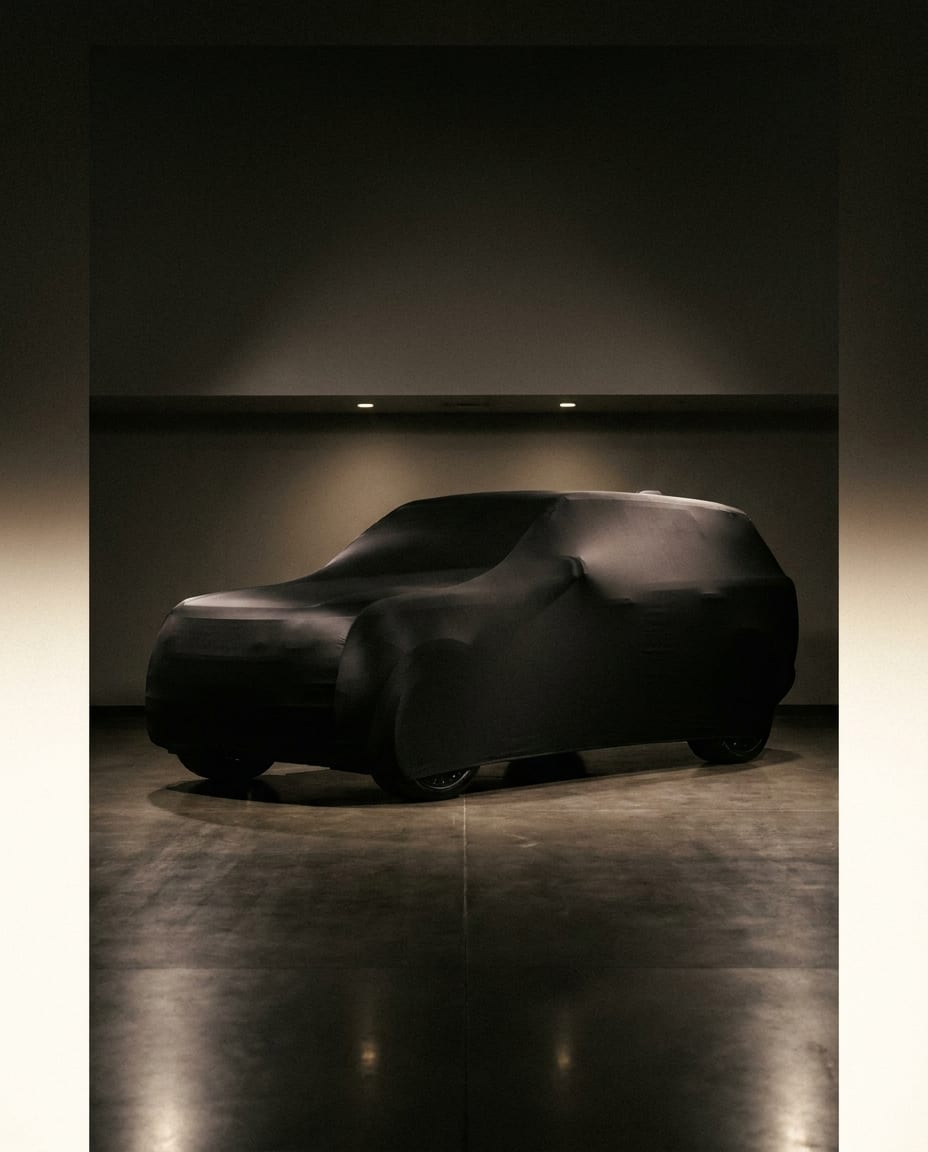
Fit matters more than most buyers expect. A cover that's close but not quite right will bunch at the wrong spots and stress the fabric every time you use it.
The shark-fin antenna on the roof is one detail that trips people up. So are the mirror pockets. Buy a cover that doesn't account for either and you'll be fighting it every time you install or remove it, which gets old fast on a car you drive often.
The Model Y isn't a Model 3. Its hatchback-style rear and taller crossover roofline mean a sedan-cut cover will leave gaps at the back and pull tight at the seams somewhere else. It's built different, so the cover needs to be too.
Flush door handles and the lack of a traditional grille mean a Model Y relies on an even, snug fit rather than extra bulk to hold its shape. Check the sizing guide to confirm length, width, and height before you buy, and if you want something built to the Model Y's exact panel lines, the custom-fit cover option is worth a look.
Indoor-Only vs. Indoor/Outdoor Hybrid: Which Fits Your Garage
Not every garage is the same, and the right indoor car cover for Tesla Model Y depends more on your specific space than people assume.
A fully enclosed, climate-controlled garage is the clean case. If temperature and humidity stay steady and the door rarely opens, a soft-lined indoor-only cover is all you need.
Garages that open and close often, shared with a workshop, or used by a few people throughout the day, let in more dust and more swings in moisture. That's a case for a hybrid cover with some light water resistance built in, even though the car never sees rain directly.
Attached garages tend to run warmer and more humid than detached ones, pulling temperature and moisture from the house itself. That changes how breathable the fabric needs to be, since trapped humidity against the paint is its own problem.
And then there's lining. Satin feels smoother and slides on and off with less drag. Fleece and flannel add more cushioning, which is useful if the garage sees a lot of foot traffic or stored gear brushing past the car.
| Garage Factor | Leans Indoor-Only | Leans Hybrid |
|---|---|---|
| Climate control | Fully enclosed, stable temp | Door opens often, variable |
| Attached vs detached | Detached, lower humidity swing | Attached, more humidity from house |
| Traffic nearby | Low foot traffic | Shared workshop or storage space |
Soft Lining Materials Explained: Fleece vs. Satin vs. Microfiber
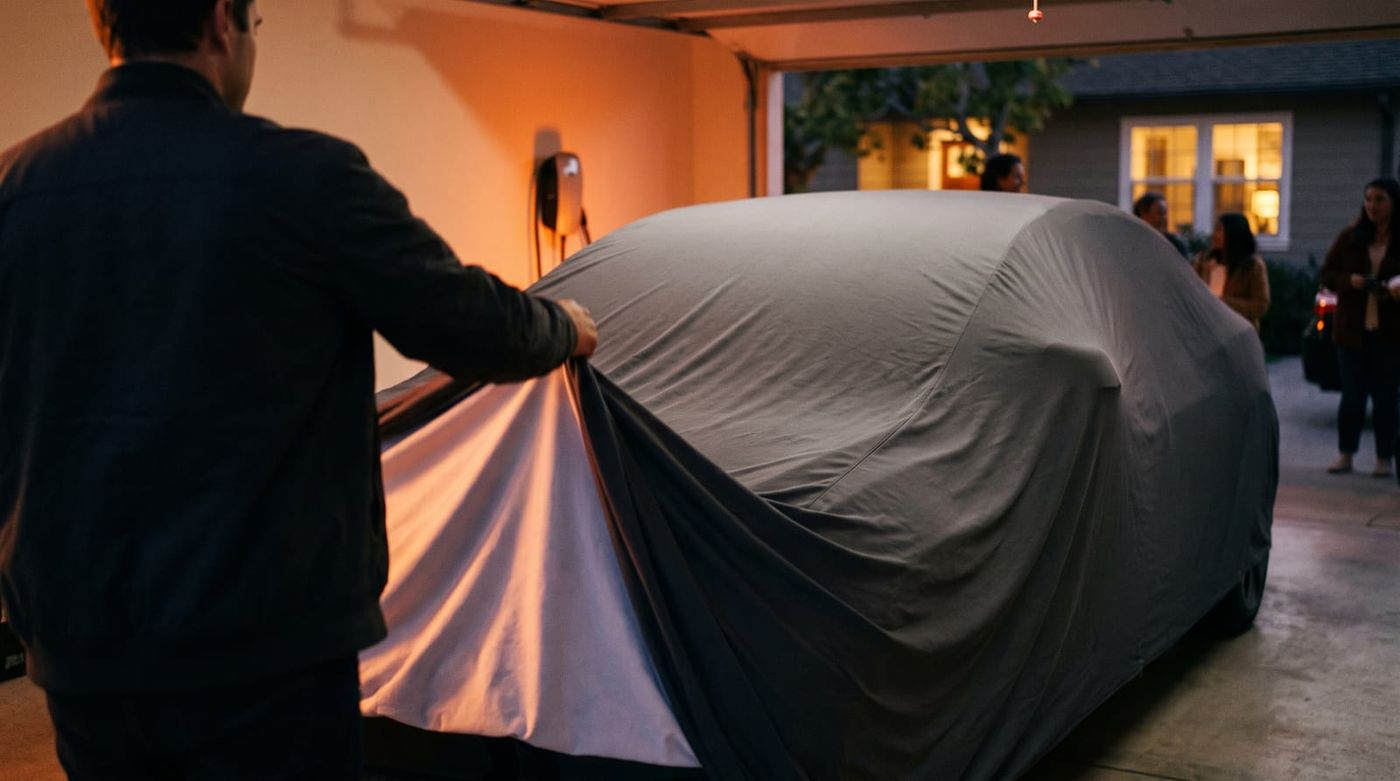
The soft inner lining is doing one job: keeping the outer fabric from ever touching the clear coat directly. Without it, you're just dragging rough material over paint every time the cover moves.
Fleece and flannel linings give the most cushioning. If you're removing the cover daily and want it to feel plush rather than scratchy against your hand (and your paint), that's the direction to go.
Satin linings are smoother and slide with less friction. For a car covered and uncovered multiple times a week, that lower-friction feel matters, less drag means less chance of the fabric catching on a trim piece or mirror on the way off.
Breathability still counts indoors, even with no rain in the equation. A non-breathable fabric can trap moisture against the paint from nothing more than temperature changes overnight, which somewhat defeats the point of covering the car in the first place. The indoor black satin cover is built around this exact balance: smooth lining, breathable shell, made for daily indoor use rather than storm protection.
Keeping Your Indoor Cover (and Your Model Y's Paint) in Top Shape
A cover is only as good as how you maintain it. Fold a dusty cover away without shaking it out first, and you're grinding that dust into the lining, which then rubs against your paint the next time you use it.
Wash it on a schedule, not just when it looks dirty. Fine dust is abrasive whether or not you can see it, and a cover that still looks clean can still be doing damage.
Store it in a dry bag or bin. Balled up on the garage floor is the worst place for it, since that's exactly where dust, grit, and the occasional drip collect. For wash settings and detergent guidance specific to cover fabrics, the cover cleaning guide covers the details.
Choosing and Buying the Right Indoor Cover for Your Model Y
Here's the short version: figure out your garage type, decide between fleece and satin lining, and weigh whether a custom or semi-custom fit is worth it for a car you cover and uncover often.
If you want to browse Model Y-compatible options directly, the Tesla vehicle page is the place to start. First-time buyers unsure how to fit or remove a new cover without stressing the seams should run through the installation guide before the first use, it takes the guesswork out of it.
And if you're comparing a few options before buying, check what's backed by a lifetime warranty. It's a fair way to cut through specs you can't easily judge from a product photo.
A Model Y you plan to keep for years deserves a cover that actually fits the job, not just one that happens to be the right color. If you're still weighing options, browse a few more guides on covers and car care before you commit, there's no rush to decide today.
