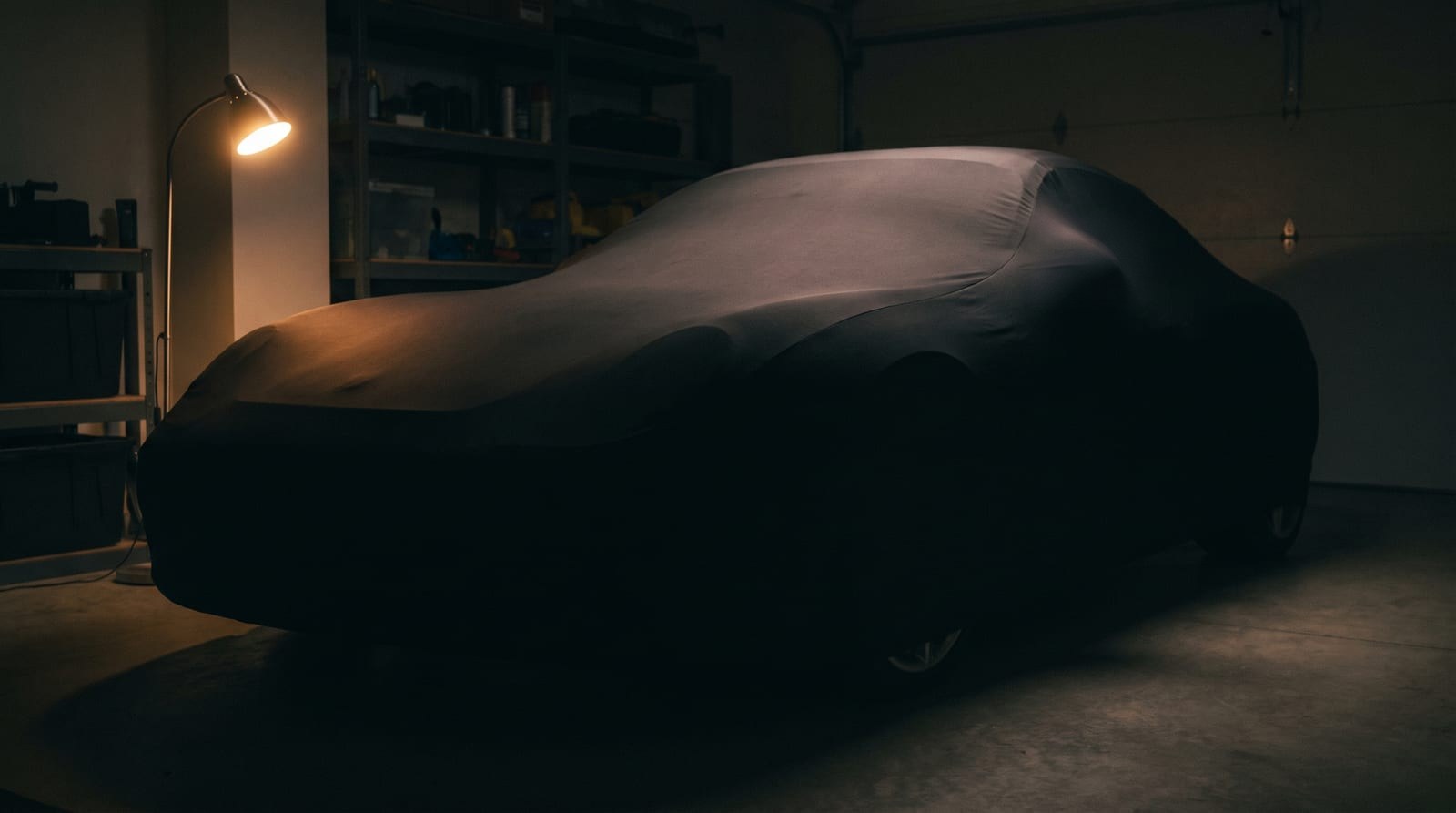
Indoor Car Cover for Toyota 4Runner: Soft Lining & Dust Protection for Garage-Kept SUVs
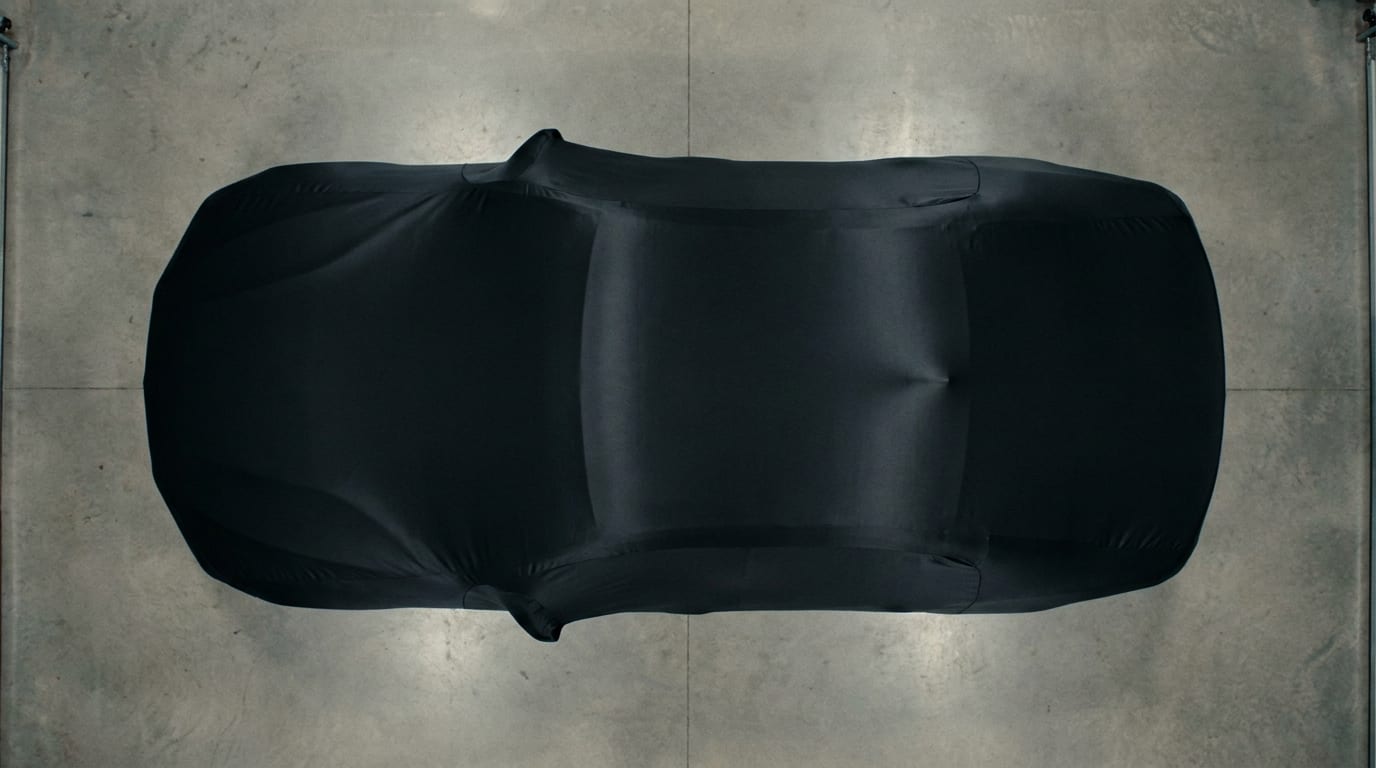
Why a Garage-Kept 4Runner Still Needs an Indoor Cover

A garage isn't a clean room. It feels like one compared to the driveway, but dust still drifts in through the door seams, pollen rides in on your shoes, and drywall particles from that shelving project last spring are still floating around somewhere. Given a few weeks, all of it settles on the roof and hood of your 4Runner in a thin film you can barely see.
That film is the problem. Wipe a "clean" garage-kept SUV down with a dry rag and you're basically dragging fine grit across the clear coat, scratching it in slow motion. An indoor car cover for Toyota 4Runner owners exists specifically to stop that cycle before it starts.
There's also the everyday garage traffic to think about. Kids running past with backpacks, a dog that likes to lean on the bumper, a bike leaned against the quarter panel because there wasn't anywhere else to put it. None of that is dramatic, but it adds up to swirl marks and light dings on a vehicle that's otherwise being taken care of. If you've already decided an indoor cover makes sense for your 4Runner, good call. The next question is what actually separates a decent indoor cover from one that just sits there.
What Makes an Indoor Cover Different from an Outdoor Cover
Outdoor covers are built for a fight: UV, rain, snow load, wind whipping the fabric against the paint. That means heavier, laminated, weatherproofed materials that trade some softness for durability against the elements.
Indoor covers don't need to win that fight. They're not fending off rain, so they can prioritize something else entirely, being gentle on the finish. Soft-napped fabrics, satin blends, fleece linings. These materials are built to lie against paint without embedding grit into it, and they breathe well so you're not trapping moisture from a vehicle you drove an hour ago and just pulled into the garage.
That breathability matters more than people expect. A cover that seals in humidity is worse than no cover at all, since now you've got condensation sitting against warm paint overnight. Indoor covers also tend to be noticeably lighter than their outdoor counterparts, which makes sense if you're the type who drives the 4Runner regularly and needs to pull the cover on and off in under a minute. For a deeper breakdown of when each type actually makes sense, the indoor car covers guide covers the tradeoffs in more depth.
Getting the Fit Right for Your 4Runner's Body Style
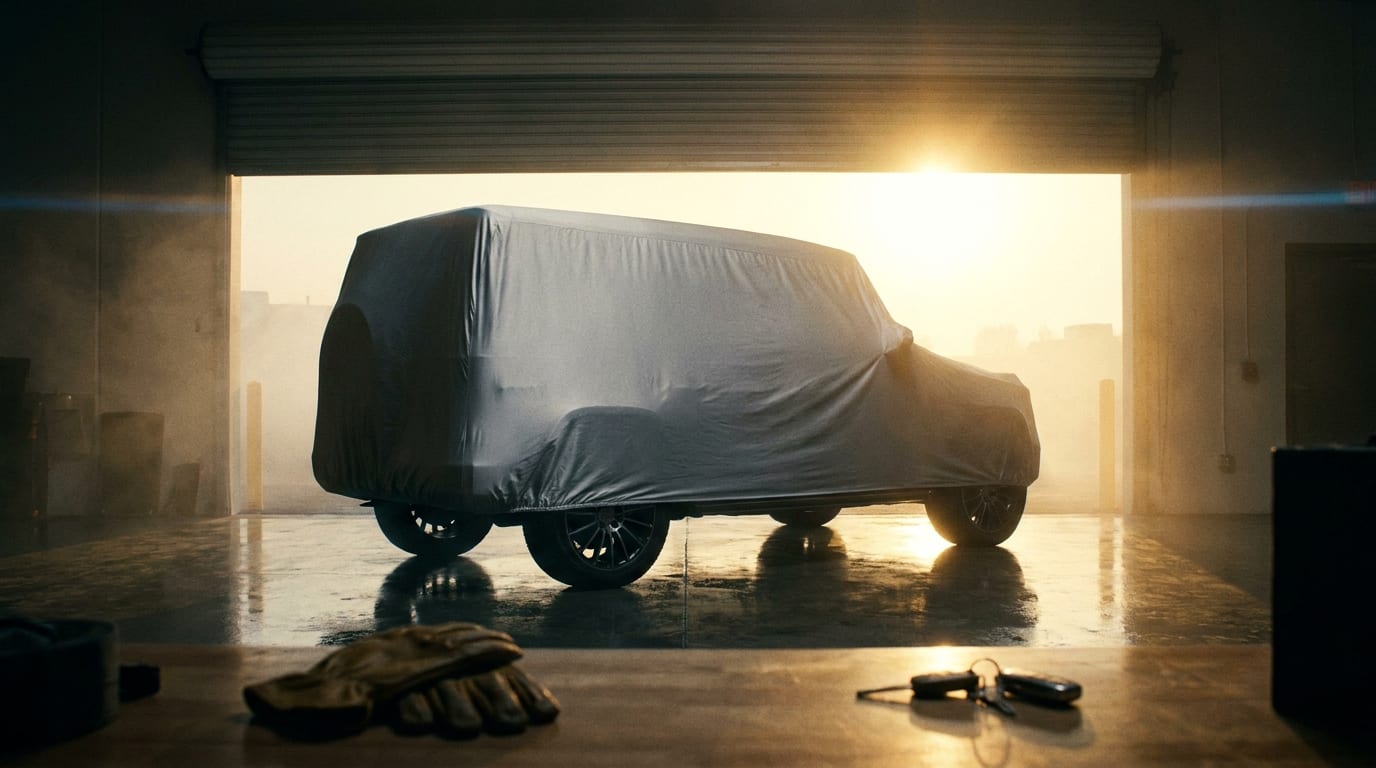
The 4Runner's boxy shape seems like it'd be easy to cover. It's not, not really. Between the roof rack, the rear-mounted spare tire, and the body height changes across generations (5th gen vs. 6th gen have different proportions around the rear glass and bumper), a cover that isn't shaped for this specific SUV ends up fighting you.
A universal cover will bunch up at the mirrors. It'll pool loose fabric across the roofline where the rack cutouts should be. Worst of all, it usually can't account for that rear spare tire bulge, so the hem rides up in back and leaves a gap right where dust and pet hair love to collect.
Custom-fit or semi-custom sizing solves this by keying the pattern to your model year and trim, so the cover actually follows the 4Runner's lines instead of draping over it like a bedsheet. If you're not sure which generation you're dealing with or how sizing works across trims, what size car cover for my vehicle walks through it, and the custom-fit car covers page breaks down how precise these patterns get compared to one-size-fits-most options.
Key Features to Check Before You Buy
Not every indoor cover on the shelf is the same product wearing a different label. A few things are worth actually checking before you buy:
- Soft inner lining. Look for napped or satin-finish material. This is the single biggest factor in whether the cover protects your clear coat or slowly grinds it down every time you drape it on.
- Breathable weave. If the fabric can't let trapped moisture escape, you're inviting condensation, especially right after a wash or a drive.
- Elastic hem or cinch strap. The 4Runner's wheel wells need a cover that stays snug. A loose hem shifts every time someone bumps into it in a tight garage, and once it shifts, dust gets underneath.
- Reinforced stitching at high-friction points. Mirror pockets and roof rack cutouts take a beating on a cover that's going on and off daily, way more than an outdoor cover that mostly stays put for weeks at a time.
Honestly, the lining is the one feature I'd never compromise on. Everything else on this list affects convenience. The lining affects whether the cover is actually doing its one job.
Comparing Indoor Cover Options for a Garage-Kept 4Runner

Indoor covers generally fall into three tiers, and the differences aren't just marketing, they show up in daily use.
| Tier | Material/Lining | Fit | Best For |
|---|---|---|---|
| Entry | Basic napped poly-blend, single layer | Universal or loose sizing | Occasional dust protection in a clean, low-traffic garage |
| Mid (satin-style) | Fine satin weave, zero-scratch finish | Semi-custom by body style | Daily in-and-out garage use |
| Premium/custom-fit | Model-year-specific pattern, premium lining | Precision fit by year and trim | Owners wanting max protection plus accessories like storage bags and mirror pockets |
Entry-tier covers are fine if your 4Runner sits untouched for long stretches in a genuinely clean space. But most garages aren't that clean, and most 4Runner owners aren't parking the truck and forgetting about it for a month.
For most owners who garage a daily-driven SUV, satin-lined semi-custom is the sweet spot. You get the zero-scratch benefit of a finer weave, a fit that's shaped for the 4Runner's body instead of a generic SUV silhouette, and a cover that can handle being pulled on and off constantly without falling apart at the seams. The indoor black satin cover is the clearest example of what that tier looks like in practice.
Premium custom-fit is worth the extra cost if you want the pattern matched exactly to your model year, or if you're storing the 4Runner for a longer stretch and want the added accessories and warranty backing that come with the top tier.
Caring for Your Indoor Cover So It Keeps Protecting the Finish
An indoor cover isn't maintenance-free just because it's not outside fighting rain and UV. The whole point of the soft lining is that it stays soft, and that means keeping it clean.
Shake it out before each use if you can, or vacuum the inner lining periodically. Otherwise you're just reapplying the same dust to your paint that the cover was supposed to keep off it. Washing cadence is lighter than an outdoor cover, since indoor covers aren't dealing with mud, tree sap, or road grime, but "lighter" doesn't mean "never." A cover that's been folded up dusty for months isn't protecting anything.
Storage between uses matters too. Fold it loosely or hang it, don't cram it into a stuff sack tight enough to crush the nap flat. Compressed fibers lose their softness over time, and that's the whole reason you bought a satin or napped lining in the first place. For the full process, the cover care and cleaning guide walks through washing and drying without damaging the fabric.
Get the Right Indoor Cover for Your 4Runner
Here's the short version. Confirm your 4Runner's model year and generation first, since fit varies more between 5th and 6th gen than you'd expect. From there, satin-lined semi-custom covers the daily garage-use case for most owners, while a full custom-fit pattern makes sense if you want precision down to the trim level.
If you want to browse what's built specifically for this SUV, the Toyota SUV cover lineup is the place to start. And if you're weighing the purchase against the usual "is this worth it" question, most of these covers come backed by a lifetime warranty, which takes some of the risk out of picking a tier and committing to it.
If you're still narrowing things down, it's worth poking around a few more guides before you check out, or just subscribe to get more practical car care breakdowns like this one sent your way. Either way, your 4Runner's paint will thank you for finally putting something soft between it and the garage air.