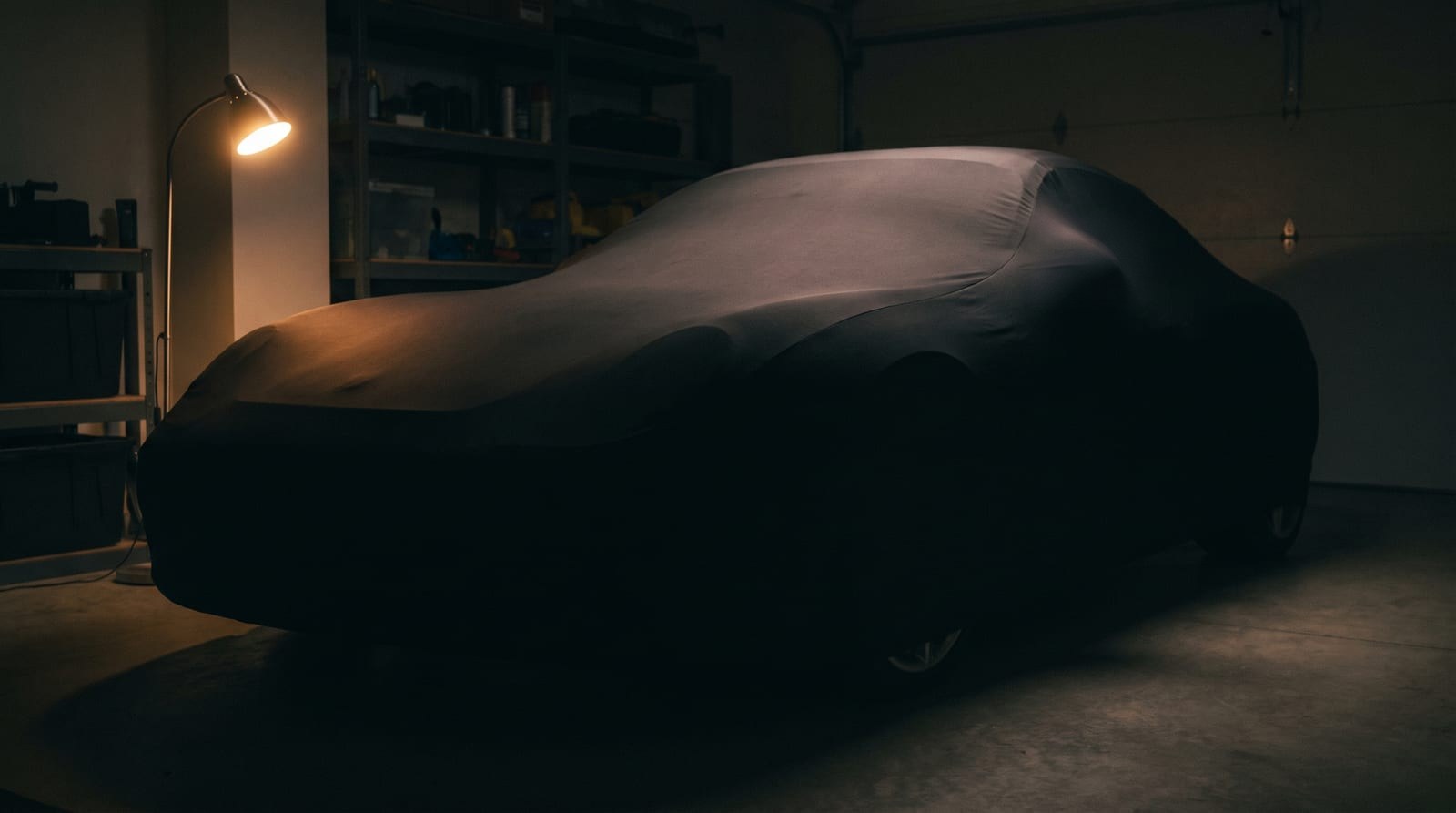
Indoor Car Cover for Toyota Camry: Soft Lining & Dust Protection for Garage Storage
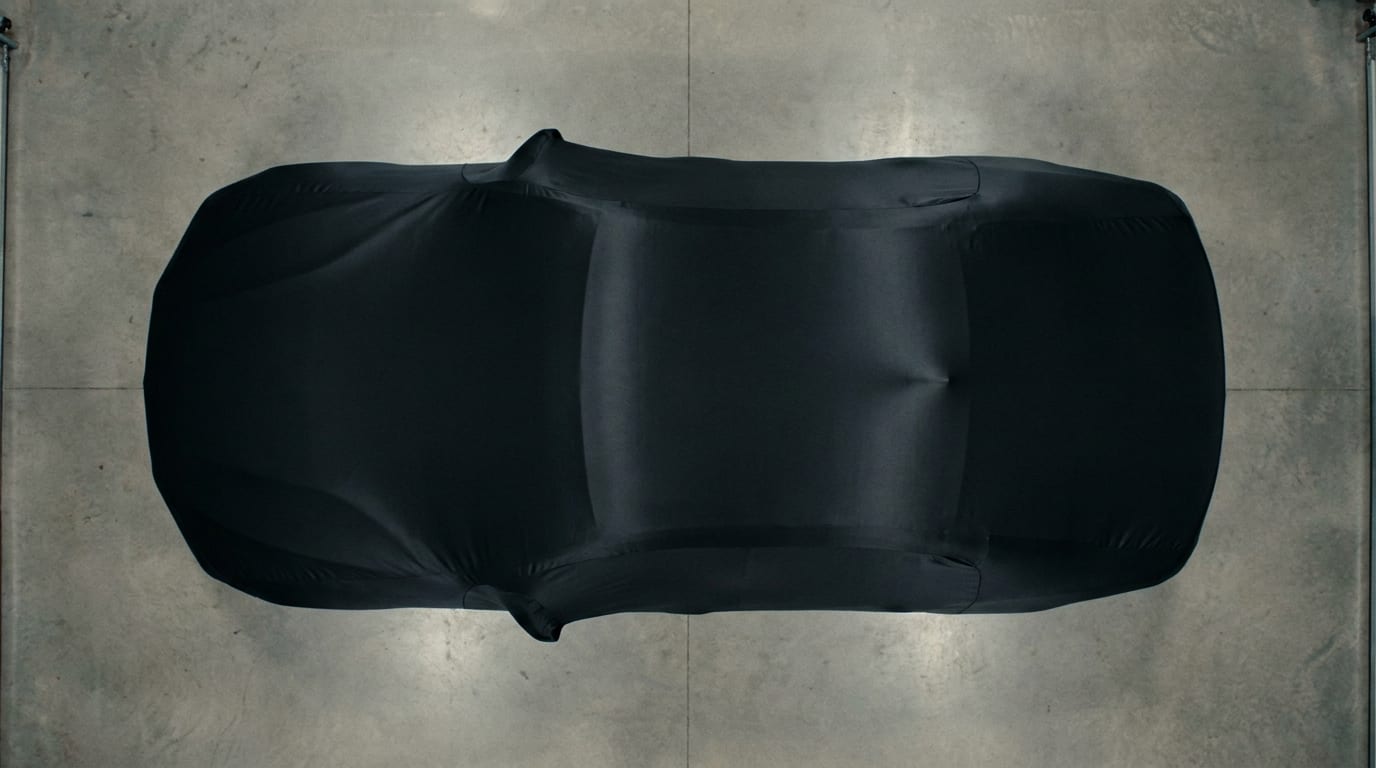
Why a Garage-Kept Camry Still Needs Its Own Cover
You'd think parking your Camry in the garage settles the protection question. It doesn't. Garages still generate their own mess: drywall dust from that shelf you built last spring, pollen tracked in on shoes, pet hair drifting off the dog bed in the corner. None of it needs rain or sun to land on your paint. It just settles, day after day, until there's a fine film sitting on the clear coat.
Then there's the traffic. Bikes leaned against a wall, a rake propped near the bumper, a kid's scooter that always seems to end up too close to the driver's door. A bare car in a shared garage space picks up scuffs from things that were never meant to touch it. This is exactly the gap an indoor car cover is built to close, and it's a different job than what an outdoor cover does.
This guide sorts out that distinction and walks through what actually matters when you're shopping for an indoor car cover for Toyota Camry: which lining protects paint best, which fit type keeps dust out, and where the price actually goes up for a real reason versus just a brand markup.
What Makes an Indoor Cover Different from an Outdoor Cover?

Outdoor covers are built like rain jackets: multiple layers, waterproof membranes, UV-blocking treatments. All of that adds weight and stiffness, because it has to survive weather. An indoor cover skips nearly all of it. You'll typically see lightweight flannel or fleece on entry-level options, and soft satin on the nicer ones. No waterproofing layer needed, because water's not the enemy in a garage.
Breathability matters differently indoors too. Outdoor covers balance breathability against keeping rain out. Indoor covers don't have that tension, so they lean fully into soft, breathable fabric that just sits gently on the paint without trapping any moisture the car might still be carrying in from a recent wash.
The bigger deal is what's touching your Camry's clear coat for hours or days at a stretch. A napped or satin interior lining is designed specifically to prevent the fine swirl marks that come from fabric rubbing against paint over time. Cheap liners without that napping can actually cause the exact damage you're trying to avoid.
All that stripped-out weatherproofing has one nice side effect: cost. A well-made indoor car cover is almost always cheaper than a waterproof or hail-rated outdoor cover, because you're not paying for layers your Camry doesn't need. If your car never leaves the garage, skip the waterproof-rated covers entirely. You'd be paying for weather protection you'll never use.
Comparing Indoor Cover Options for a Toyota Camry
Indoor covers generally split into three fabric tiers. Entry-level flannel is soft enough for occasional use but thinner, so it's a fine budget pick for a car that's covered and uncovered a lot. Premium satin lining feels closer to a bedsheet than a shop rag and does the best job resisting swirl marks over long storage stretches. Stretch-knit sits in between: less structured than satin, but it hugs the car's body lines closely, which matters for dust protection.
That's really what separates the tiers on dust: how tightly the fabric is woven, and whether the hem and cuffs have elastic that actually cinches down around the wheel wells and mirrors. A loose hem is basically an open door for dust to drift underneath during long storage.
On scratch protection, look specifically for language about napped or brushed interior lining. A cover that's just soft on the outside and plain woven on the inside isn't doing much for your paint. Anything marketed as satin lining, like the indoor black satin cover, is built with this in mind.
Fit type is the other axis. Semi-custom covers are sedan-shaped and fit a range of similarly sized cars reasonably well. Custom-fit car covers are cut to a specific model and year, so they sit snug with no flapping or excess fabric pooling at the hood or trunk. For a Camry specifically, checking Toyota's cover lineup is the fastest way to see what's built for your exact car rather than "mid-size sedans in general."
Price roughly tracks fabric and fit precision, not brand name alone:
| Tier | Fabric | Typical Fit | Best For |
|---|---|---|---|
| Entry | Flannel/fleece | Semi-custom | Occasional use, budget garages |
| Mid | Stretch-knit | Semi-custom or custom | Regular use, shared garage space |
| Premium | Satin | Custom-fit | Long-term storage, show cars, daily-driven Camrys parked indoors most of the time |
Getting the Right Fit for Your Camry's Generation
A Camry from the XV50 generation and one from the current XV70 aren't the same shape. Roofline, overall length, mirror placement, even trunk contour have shifted across redesigns. A cover cut for one era won't sit right on another, and "sit right" matters a lot more indoors than most people assume.
Here's the actual problem with a mismatched fit in garage storage: a loose cover shifts every time someone brushes past it or a draft from the garage door catches it. Once it shifts, dust gets under the edge and stays there, grinding against the paint every time the fabric moves. An oversized cover is arguably worse. It pools extra fabric at the hood and trunk, and that pooled fabric traps grit right against the surface instead of floating clear of it.
Don't assume a generic "mid-size sedan" cover is close enough. Check your Camry's model year and trim before you buy, and if you're not sure how the sizing works, confirming the right size for your vehicle before checkout saves you a return down the line, especially since a custom-fit cover isn't something you can shrink or stretch after the fact.
Dust, Scratch, and Pet-Hair Protection in Garage Storage

This is really the whole point of an indoor cover. Over weeks of storage, garage dust doesn't just sit lightly on the surface, it builds. Every time the garage door opens, a little more settles. A soft-lined cover is a physical barrier between that slow accumulation and your clear coat, and it's doing that job every single day the car sits still.
Scratch risk in a shared garage is real too. Bikes get wheeled past, ladders get moved, storage bins get shuffled around during a weekend cleanup. Any one of those can graze a bumper or door panel if there's nothing between them and the paint. If you've got a cat or dog that likes to hop up on the hood, that's its own kind of risk, and it's worth a look at how to protect a parked car from pet scratches if that's a regular occurrence at your place.
The napped interior lining earns its keep here. A plain bedsheet or a moving blanket might block dust, sure, but neither is designed to move against paint without marking it. Over months of use, that difference shows up as fine swirl marks you can see in direct sunlight. That's the real argument for a dedicated indoor car cover for Toyota Camry over whatever's sitting in the linen closet: it's built for repeated contact with a painted surface, not just for covering something up.
Caring for a Soft-Lining Indoor Cover
An indoor cover doesn't take the beating an outdoor one does, so it doesn't need washing nearly as often. No rain, no road grime, no UV breakdown. Depending on how dusty your garage runs, every few weeks to once a month is usually enough to keep it doing its job.
When you do wash it, keep it simple: gentle cycle, mild detergent, cold or lukewarm water. Skip the fabric softener. It sounds harmless, but it coats and flattens the napped fibers that are doing the actual swirl-mark prevention, which defeats the purpose of buying a soft-lined cover in the first place.
Between washes, don't just toss the cover in a corner of the garage. Fold it and store it in a dust-free bag or bin. Otherwise you're just going to unfold it next time and lay all that reclaimed dust straight back onto your Camry's paint. For the full rundown on wash settings, drying, and stain removal, the step-by-step car cover cleaning guide covers it in more depth than we can here.
Warranty and Buying Confidence
A lifetime warranty on a car cover generally covers material defects and workmanship problems, things like seams failing or fabric that wasn't put together right. It's not a stand-in for normal wear from years of folding, washing, and use, that's just how fabric behaves over time.
Still, warranty coverage is a legitimate factor when you're weighing an entry-level flannel cover against a premium satin one. Knowing the manufacturer stands behind the lifetime warranty on car covers gives you a bit more confidence in a purchase you can't easily undo, particularly with a custom-fit Camry cover that's cut to one specific shape and can't be resized if something's off. Check the return and warranty policy before you buy, not after.
Choosing and Buying Your Camry's Indoor Cover
Here's the short version of everything above. First, confirm this cover is only doing garage duty. If so, cross waterproof and hail-rated options off your list entirely, they're solving a problem you don't have. Second, pick a fabric tier based on how much dust and scratch protection your garage setup actually demands: flannel for light, occasional use, satin if the Camry's parked for long stretches or you're sharing space with bikes, tools, or pets. Third, match the fit to your specific model year rather than grabbing whatever's labeled "sedan." CarCovers has been building fitted covers since 2008, and that fit precision is where a lot of the real protection actually comes from.
If you're ready to stop thinking about it and just get your Camry covered properly, browse the Toyota-specific lineup and match it to your generation and trim. And if you're still weighing options, stick around the blog. There's more here on keeping a garage-kept car looking the way it did the day you bought it.