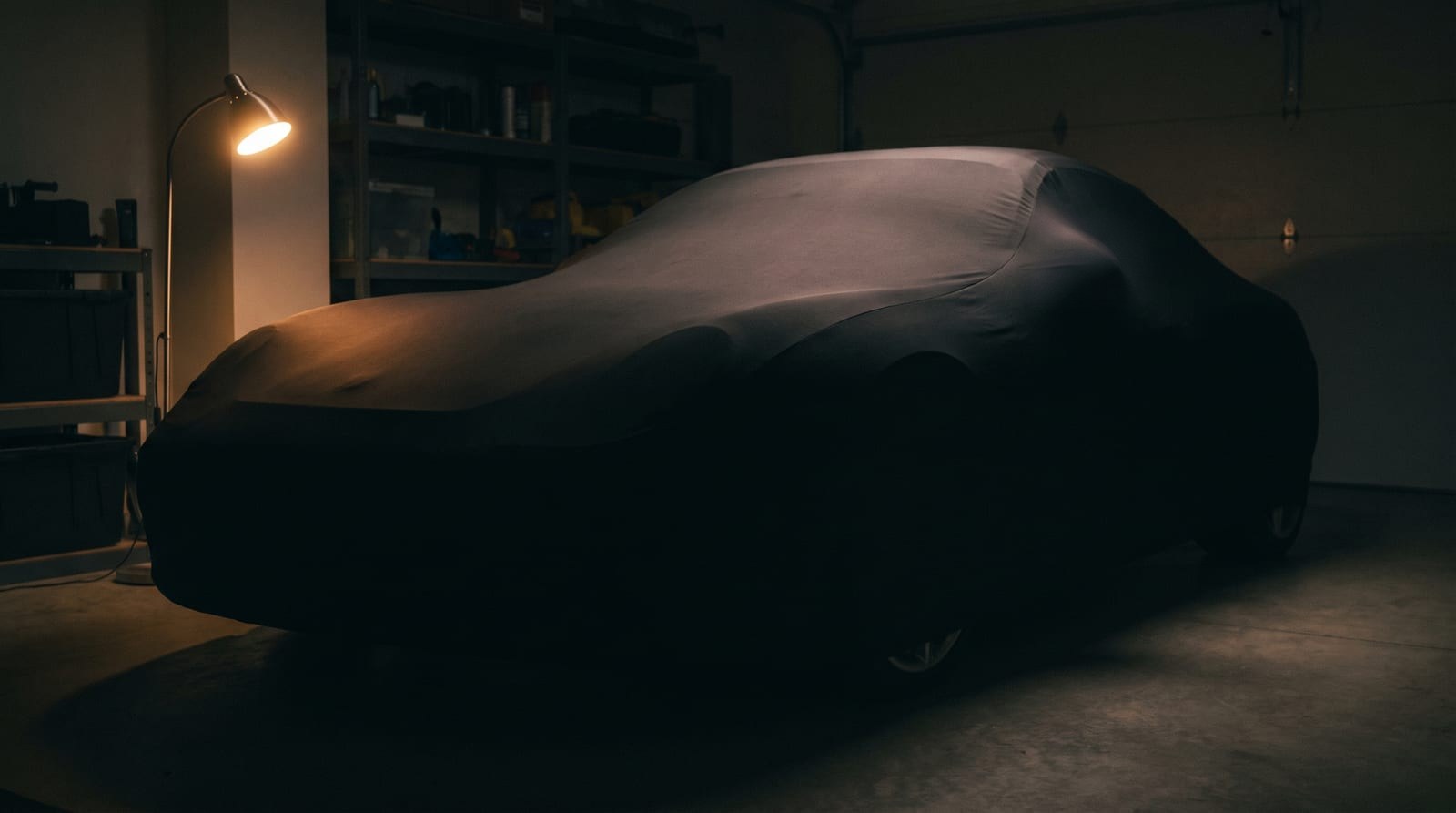
Indoor Car Cover for Volkswagen Atlas: Soft Lining & Dust Protection for Garage Storage
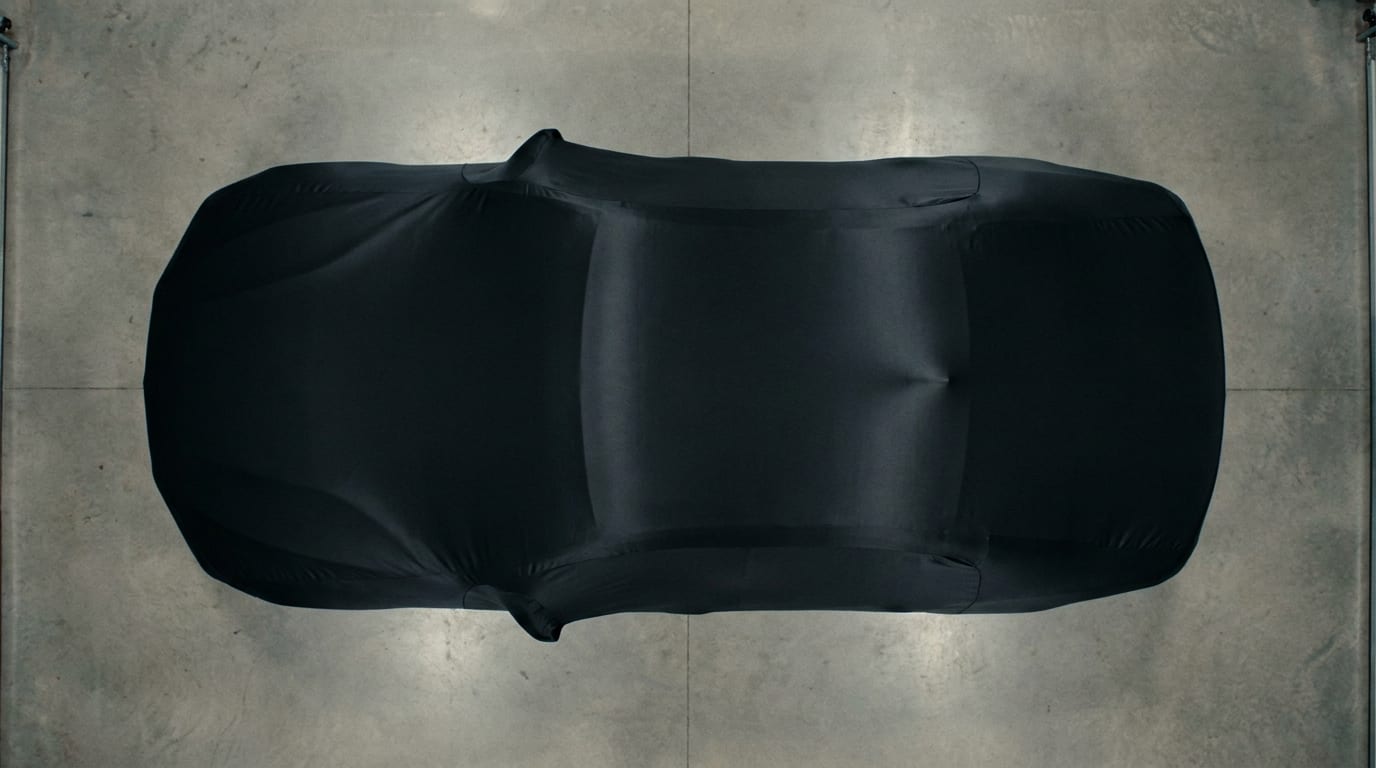
Why a Garage-Kept Volkswagen Atlas Still Needs an Indoor Cover
A garage feels clean. It isn't. HVAC vents push air around, doors open and close, foot traffic kicks up grit from the floor, and all of it eventually settles somewhere. On a parked car, that somewhere is the clear coat. Over a few weeks, that fine dust builds into a layer you can wipe your finger through, and that wiping is exactly how swirl marks start.
The Atlas doesn't hide this well. Its hood runs long, the liftgate is tall and flat, and garage lighting (usually a single overhead bulb or fluorescent strip) throws hard shadows across those big panels. Dust and light scratching show up fast on a surface that size, more than they would on a compact car's smaller, more broken-up body lines.
So the question buyers actually ask is reasonable: if it's indoors, do I really need a cover? Yes, for three specific reasons: dust accumulation, pet hair if anything shares the garage, and the scratch risk from leaning tools, bikes, or boxes against the car when space is tight. None of that requires rain or sun to happen.
This guide is about picking the right indoor cover for an Atlas kept exclusively in a garage. It's not about waterproofing or UV protection, that's a different product category entirely. If you're ready to buy and just need to know what actually matters in an indoor car cover for Volkswagen Atlas, here's what to check before you add one to your cart.
What 'Soft Lining' Actually Means on an Indoor Cover
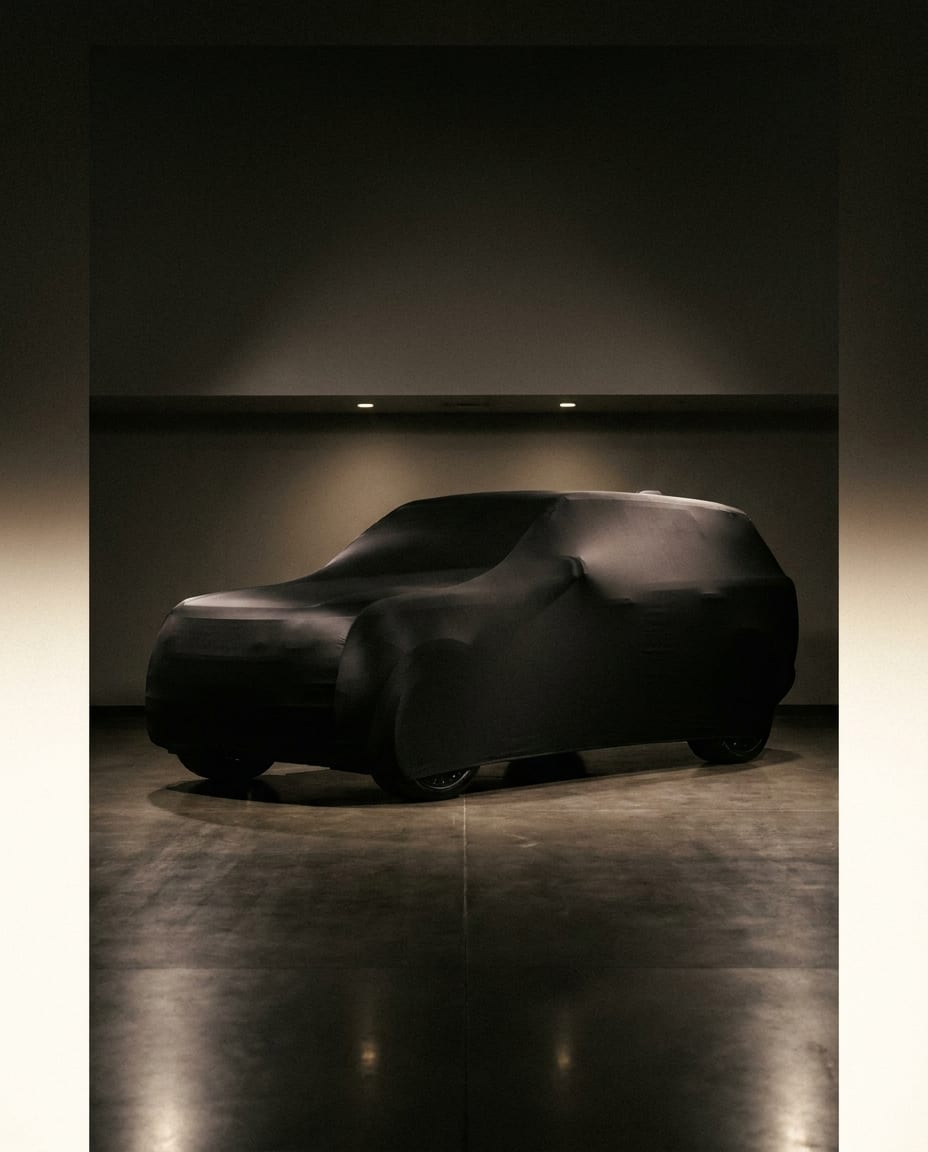
"Soft lining" refers to the fleece or satin layer on the inside of the cover, the side that actually touches your paint. It's not decorative. Every time the cover shifts, from a door breeze, from you brushing past it, from just settling under its own weight, that inner layer rubs against the clear coat. A soft, napped fleece glides. A stiff or gritty liner drags, and dragging is where micro-scratching starts.
Compare that to a basic single-layer dust sheet, the kind sold as a generic "indoor cover" at a fraction of the price. Those are usually one layer of thin fabric with nothing between it and the paint. Any dust that lands on top gets pressed straight through to the surface every time the fabric moves. That's not protection, it's abrasive paper with extra steps.
A breathable, soft-lined fabric also matters for a reason people overlook: temperature swings. Unheated garages still shift 15-20 degrees between morning and afternoon, and that moves moisture. A non-breathable cover traps that moisture against the paint. A breathable lined cover lets it escape instead of pooling.
CarCovers' indoor black satin cover is built around this exact need, a soft interior layer paired with a fabric designed for indoor use rather than outdoor exposure. If you're comparing specs across products, this is the baseline to measure against.
Dust Protection: What to Look for Before You Buy
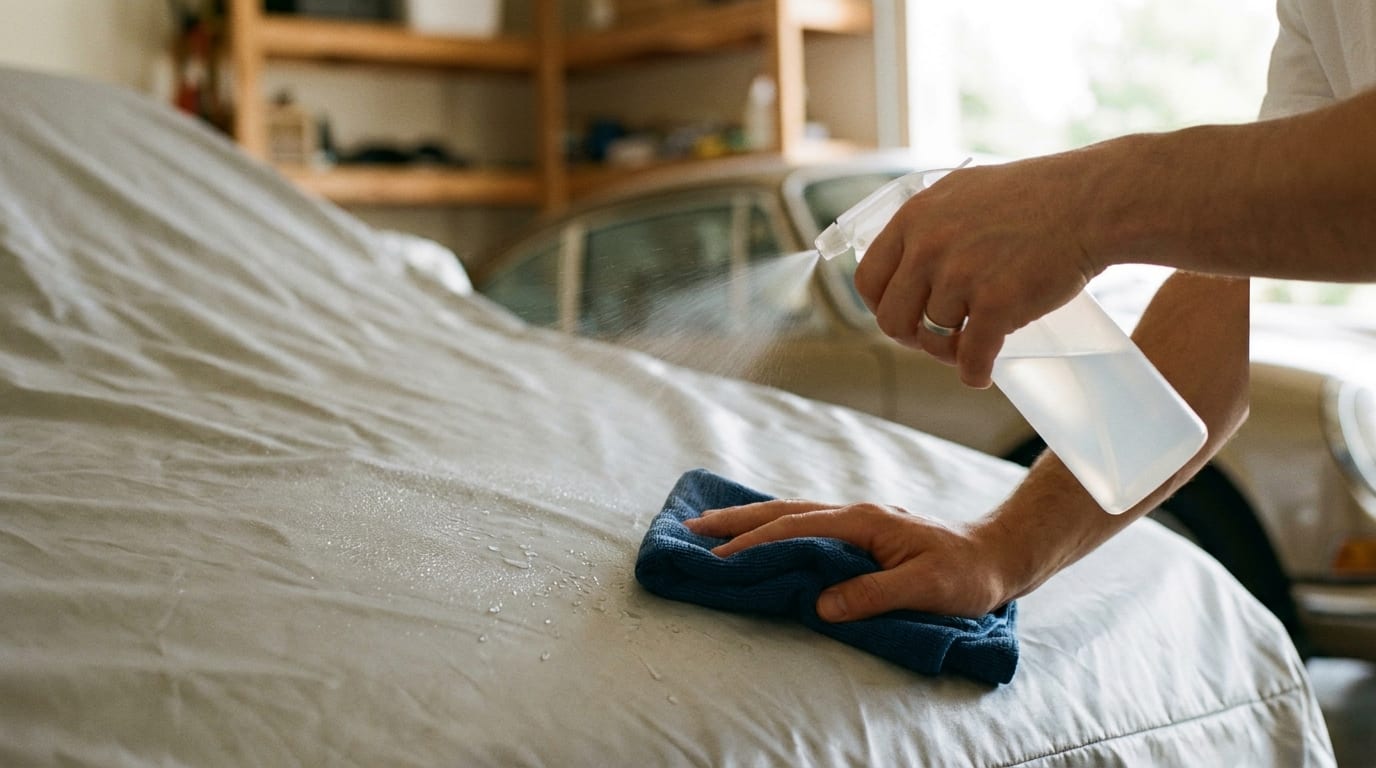
Not all "dust protection" claims mean the same thing. The spec that actually matters is weave density, how tightly the fabric threads are packed. A tight weave physically blocks fine particles from passing through. A loose weave looks like a cover but lets dust settle right onto the paint underneath it, just slower than if there were no cover at all.
Fit matters just as much as fabric. Check the elastic hem or strap system around the wheel wells. On an Atlas, those wheel openings are large, and a loose hem leaves gaps where dust gets pushed underneath, especially if someone's sweeping the garage floor or running a grinder nearby. A snug hem keeps the whole underside sealed.
Static-resistant fabric is worth asking about too. Some materials generate a static charge that actually attracts airborne dust to the cover's outer surface between uses. That's not catastrophic since it's not touching your paint, but it does mean more frequent shake-outs.
One practical note: lighter-colored and satin-finish covers show dust faster than dark, textured ones. That's not a downside so much as a built-in reminder. When you can see a film forming on top, it's time to pull the cover and shake it out before refitting.
Getting the Fit Right for a 3-Row SUV Like the Atlas
Universal covers are cut to a general size range and left loose everywhere else. That's a bigger problem on a 3-row SUV than on a sedan. The Atlas has roof rails, a boxy liftgate, and mirror housings that stick out further than most crossovers, and a cover that doesn't account for those shapes will bunch up, sag, and rub against the one spot you're trying to protect.
Dimensions aren't identical across Atlas model years either. The second-generation Atlas (2024 onward) shifted slightly in overall length and roofline compared to the earlier generation, so a cover sized for one year's Atlas can fit loose or tight on another. Confirm your exact model year and trim before ordering.
If you're not sure how your Atlas's measurements line up, run them against the sizing guide for car covers before you commit to a size. It takes a few minutes and saves you a return.
For Atlas-specific options, the Volkswagen SUV cover lineup is the place to start narrowing down fit by model.
Indoor vs. Custom-Fit vs. Universal: Choosing the Right Category
Three real categories exist here, and they solve different problems. An indoor-specific cover is built with soft lining and breathable fabric, no waterproofing, because it doesn't need any. A custom-fit cover is cut to your exact vehicle's shape, mirror pockets and all, and costs more because of that precision. A universal cover is the cheapest option, sized to a broad range, and fits loosely everywhere.
For an Atlas that lives in a garage full-time and never sees outdoor weather, the combination that makes sense is indoor plus custom-fit. You get the soft interior that protects paint during everyday contact, plus a shape that actually matches the Atlas's roofline and mirrors instead of hanging off them.
A universal indoor cover still has its place. If you're storing the Atlas seasonally, or budget is the deciding factor, a universal fit will do the job of keeping dust off for weeks at a time. Where it falls short is daily garage use or long-term storage, situations where the loose fit means more shifting, more friction, and more chances for dust to work its way underneath.
If you're weighing whether the upgrade is worth it, the custom-fit car cover guide breaks down the price difference against what you actually get for it.
Caring for an Indoor Cover So It Keeps Protecting the Paint
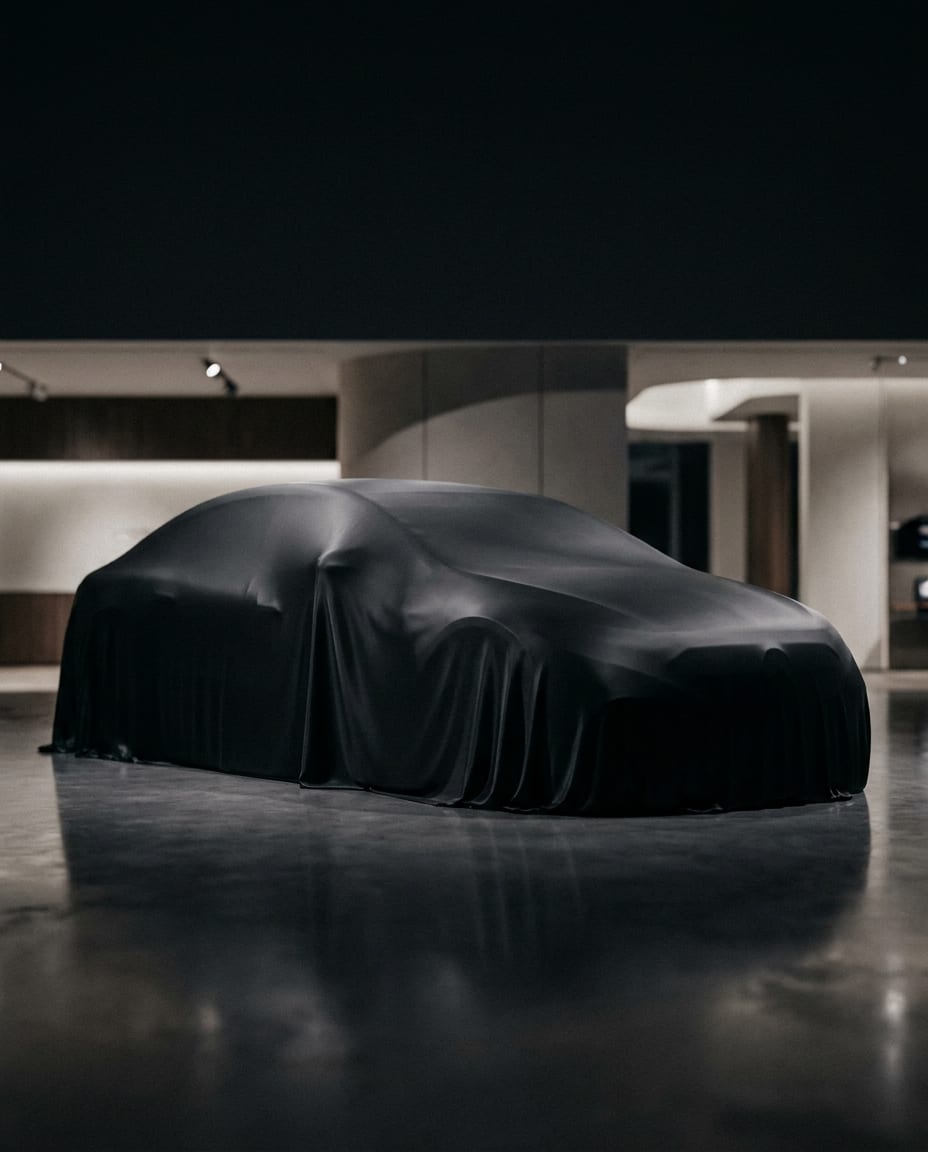
A cover that's covered in dust isn't doing its job anymore, it's just relocating the problem. Shake it out or run a vacuum over the exterior surface every week or two, depending on how dusty your garage runs. Skip this and you're grinding that same dust into the lining every time the cover shifts against the car.
How you fold and store the cover between uses matters more than people think. Tossing it in a heap on the garage floor means picking up whatever's down there, then wrapping that straight back onto your Atlas next time you use it. Fold it loosely, keep it off the floor, and store it somewhere it won't collect its own layer of grit.
For the full wash routine and lining care instructions, the car cover cleaning guide covers what you can safely machine wash versus what needs hand cleaning.
Worth checking periodically: the elastic and strap tension. A hem that's stretched out no longer hugs the wheel wells the way it should, and a loose-fitting cover brings back the exact friction and gap problems a snug one is supposed to prevent.
What to Check Before You Checkout
Run through this before you buy: confirmed fit for your Atlas's model year, soft-lined interior fabric, a snug elastic hem, and breathable material rather than a plastic-feeling sheet. Miss any one of these and you're back to the basic dust-sheet problem this whole guide is trying to help you avoid.
Warranty is worth a look too. A cover like this is meant to last years of regular use, on and off the car, folded and unfolded hundreds of times. Check what's backing it before you buy, the warranty terms on car covers spell out what's actually covered.
One last thing to keep straight: this is a garage-use product. It's built for dust, friction, and pet hair indoors, not rain, snow, or sun. Don't expect it to double as an outdoor cover if the Atlas ever sits in the driveway overnight.
If you've got the model year and fit sorted, browse the indoor options sized for your Atlas and get one on order before the next round of garage dust settles. And if you want more on getting cover care and fit right long-term, our article library has guides worth bookmarking.