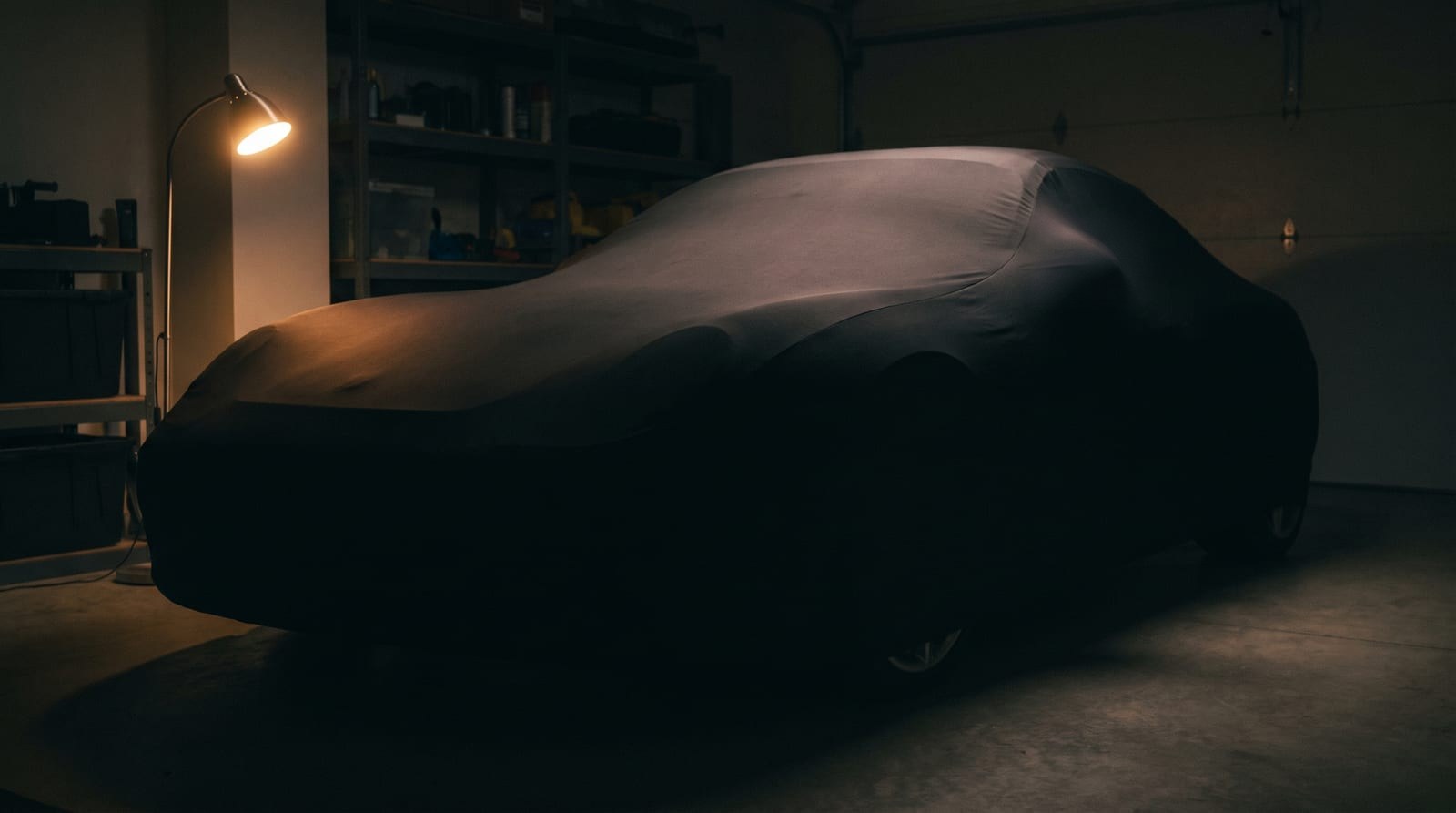
Indoor Car Cover for Volkswagen Tiguan: Soft Lining & Dust Protection for Garage Storage
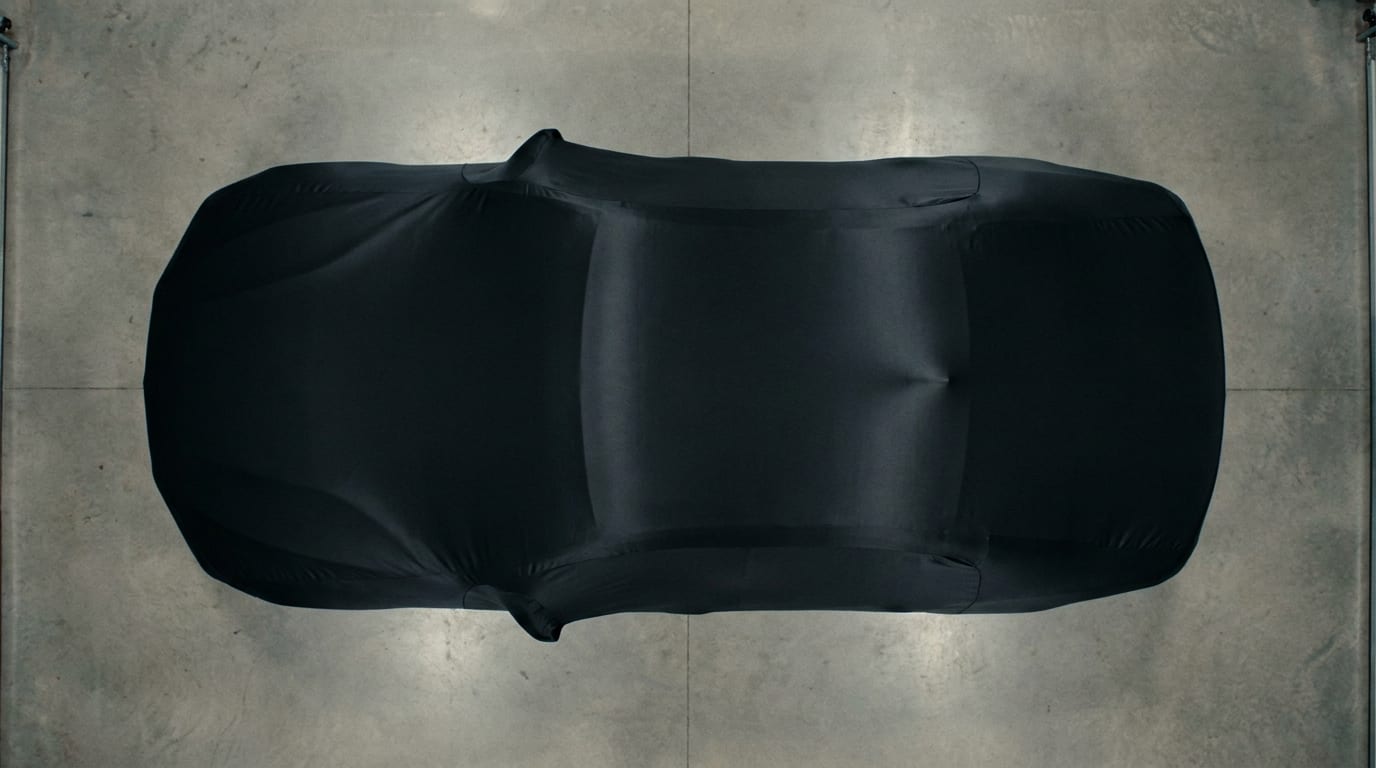
Most Tiguan owners who keep their SUV in a garage figure the cover talk is for people parking on the street. Fair assumption, wrong conclusion. An indoor car cover for Volkswagen Tiguan owners isn't about rain or hail, it's about everything else that lands on a parked vehicle between drives: dust, pollen, garage grime, and the occasional brush against a bike handlebar. If your Tiguan lives in a garage, a soft-lined cover is still doing real work, just a different kind.
Why a Garage-Kept Tiguan Still Needs an Indoor Cover
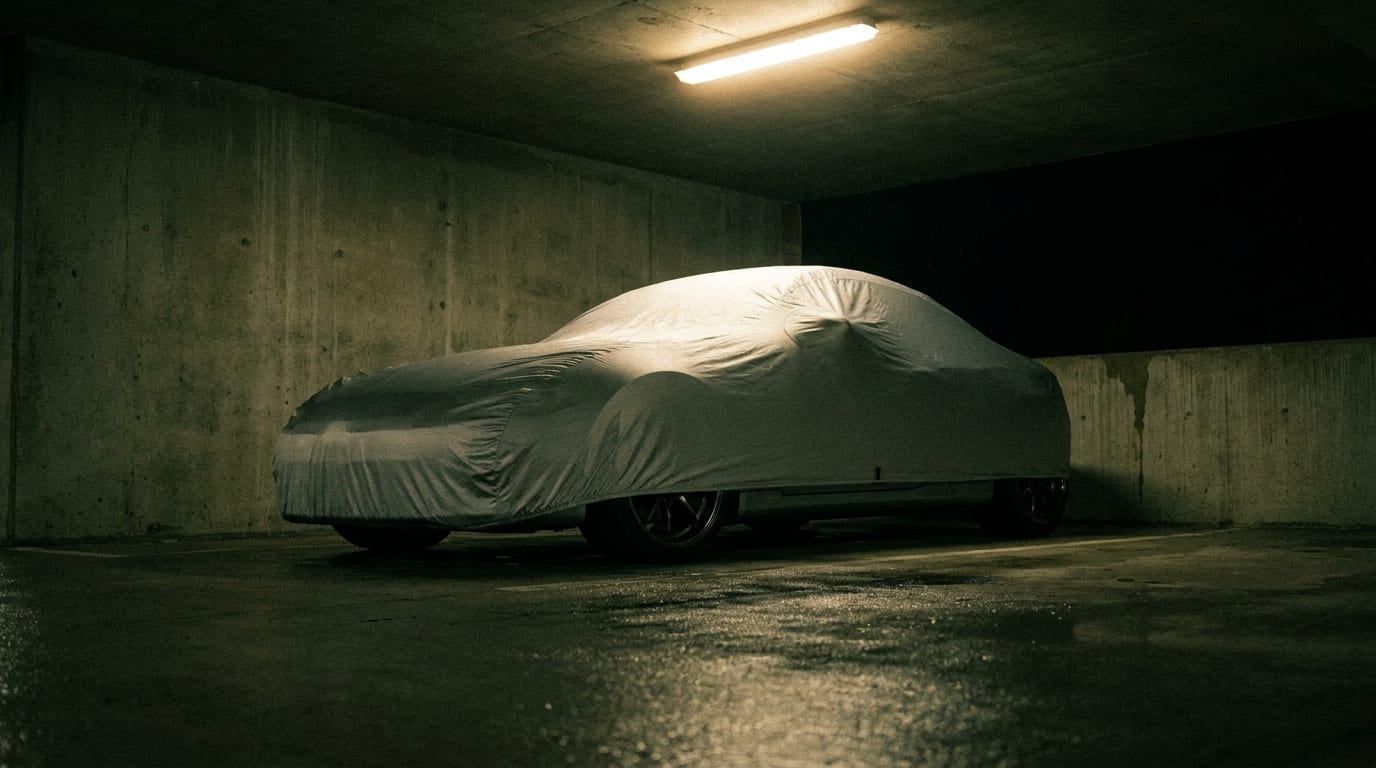
Garages feel clean. They're not. Dust settles constantly, drywall particles drift down from the rafters, pollen rides in on an open door, and workshop debris from sanding or sawing finds its way onto every flat surface in the room, including the hood of your SUV. None of that requires rain to become a problem. It just requires time.
Then there's the human factor. Shared garages mean bikes leaning against fenders, tools set down a little too close, and foot traffic that occasionally bumps a mirror or door panel. A soft-lined cover absorbs that contact instead of letting it become a scuff. Garage windows also let in enough UV to fade paint over months and years, and if you've got pets in the house, claws and shedding hair do a number on exposed trim.
The Tiguan's compact SUV proportions put painted mirror housings, door handles, and lower body trim right at the height where accidental contact happens most. Those are exactly the spots that show light scuffing first, and exactly what a properly fitted indoor car cover for Volkswagen Tiguan models is built to shield. It's a small addition to an otherwise normal car care routine, but it closes a gap most owners don't think about until the damage is already there.
Indoor vs. Outdoor Covers: What Actually Matters for Garage Storage
Indoor and outdoor covers look similar folded up, but they're built for opposite jobs. Outdoor covers carry multiple layers, waterproof coatings, and UV-blocking treatments, all of which add weight and stiffness. Indoor covers skip that construction entirely. They use lightweight fleece or satin-style fabric that stays soft against paint because it doesn't need to fight off rain or sun.
That lighter build also means better airflow. An indoor cover's priority is letting air move so moisture doesn't get trapped and dust doesn't cling to the fabric through static. Outdoor covers trade some of that breathability for weather defense, which you simply don't need inside a garage.
Price follows the same logic. Indoor covers tend to cost less than heavy-duty outdoor covers, since there's no multi-layer waterproofing to engineer. If you're not sure indoor is actually the right call for your situation, it's worth reading through the indoor car cover buying guide before you commit, especially if your Tiguan ever sits outside the garage for stretches at a time.
Getting the Right Fit for a Volkswagen Tiguan
Fit matters indoors just as much as it does outside, maybe more than people expect. A loose universal cover shifts every time a garage door opens and pushes a gust of air through the space. That shifting fabric drags across the hood and roof, and over weeks it can leave faint marring in the clear coat, the exact thing you bought the cover to prevent.
A custom-fit car cover built to the Tiguan's actual body lines sits snug and stays put. Semi-custom and universal options are cheaper, but they billow, and billowing fabric is just friction waiting to happen.
Model year matters too. The Tiguan has gone through meaningful body changes across generations, and mirror shape, roofline, and rear hatch design shift enough that a cover cut for one generation won't sit right on another. Before you buy, check antenna placement and mirror pocket details against your specific Tiguan so nothing snags or tents the fabric. If you're unsure what size you actually need, run through how to find the right car cover size first, and take a look at the Volkswagen SUV cover lineup to confirm Tiguan-specific sizing is available for your year.
Soft Lining and Dust Protection Features Worth Paying For
Not all indoor covers are built the same, and the inner lining is where that difference shows up fastest. Fleece or satin lining is noticeably gentler on clear coat than the basic cotton-blend liners found on cheaper covers. Cotton blends can hold grit against the paint; fleece and satin let dust sit on the surface without grinding it in.
The outer layer matters separately from the lining. A tightly woven outer fabric keeps dust and pollen from working their way through to the paint underneath, while still letting the car breathe. Some indoor fabrics also get a static-resistant treatment, which keeps dust from clinging to the cover itself between uses, meaning less gets transferred back onto your Tiguan the next time you drape it on.
Small hardware details finish the job. Elastic hems and strap-and-buckle closures keep the cover snug at the bottom edge, so a draft from the garage door doesn't lift the fabric and let dust blow in from the sides. Honestly, the lining and the hem fit do more for day-to-day protection than anything else on the spec sheet.
Choosing an Indoor Cover Tier for Your Tiguan
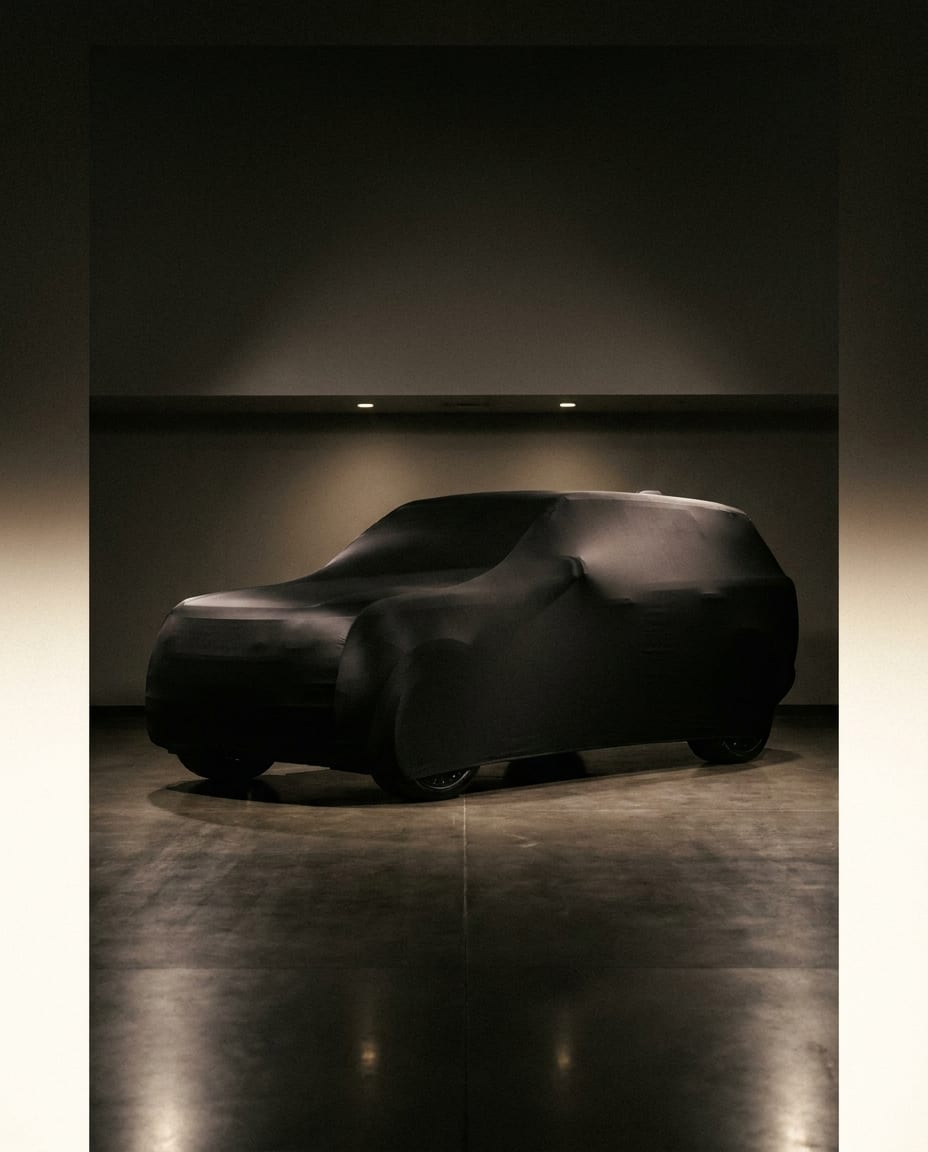
Not every garage-kept Tiguan needs the same level of protection. It mostly comes down to how often you drive it and how clean your storage space actually is.
| Tier | Build | Best for |
|---|---|---|
| Basic indoor dust cover | Lightweight fabric, simpler construction, lower price | Daily-driven Tiguan parked in a reasonably clean garage |
| Premium satin/fleece-lined cover | Softer inner lining, stronger dust resistance, snugger fit | Rarely-driven or showroom-condition Tiguan |
A daily commuter that spends most of its time on the road just needs basic dust protection between drives. A weekend Tiguan, or one you're keeping in near-showroom shape, deserves the extra softness and dust resistance of a premium lining. If that's your situation, it's worth comparing a standard indoor cover against the Indoor Black Satin cover before you decide, and most options come backed by the lifetime warranty on car covers, so there's not much risk in choosing the step-up option.
Installing and Maintaining Your Indoor Cover
Drape the cover front to back, not side to side. Starting at the hood and working toward the rear keeps the fabric from dragging across the mirrors or catching on the antenna. Secure any straps or buckles last, once the cover is already sitting where you want it.
Give the Tiguan a quick wipe-down before you cover it. Sealing dust against the paint overnight under a cover just traps it there instead of keeping it off, which defeats half the point.
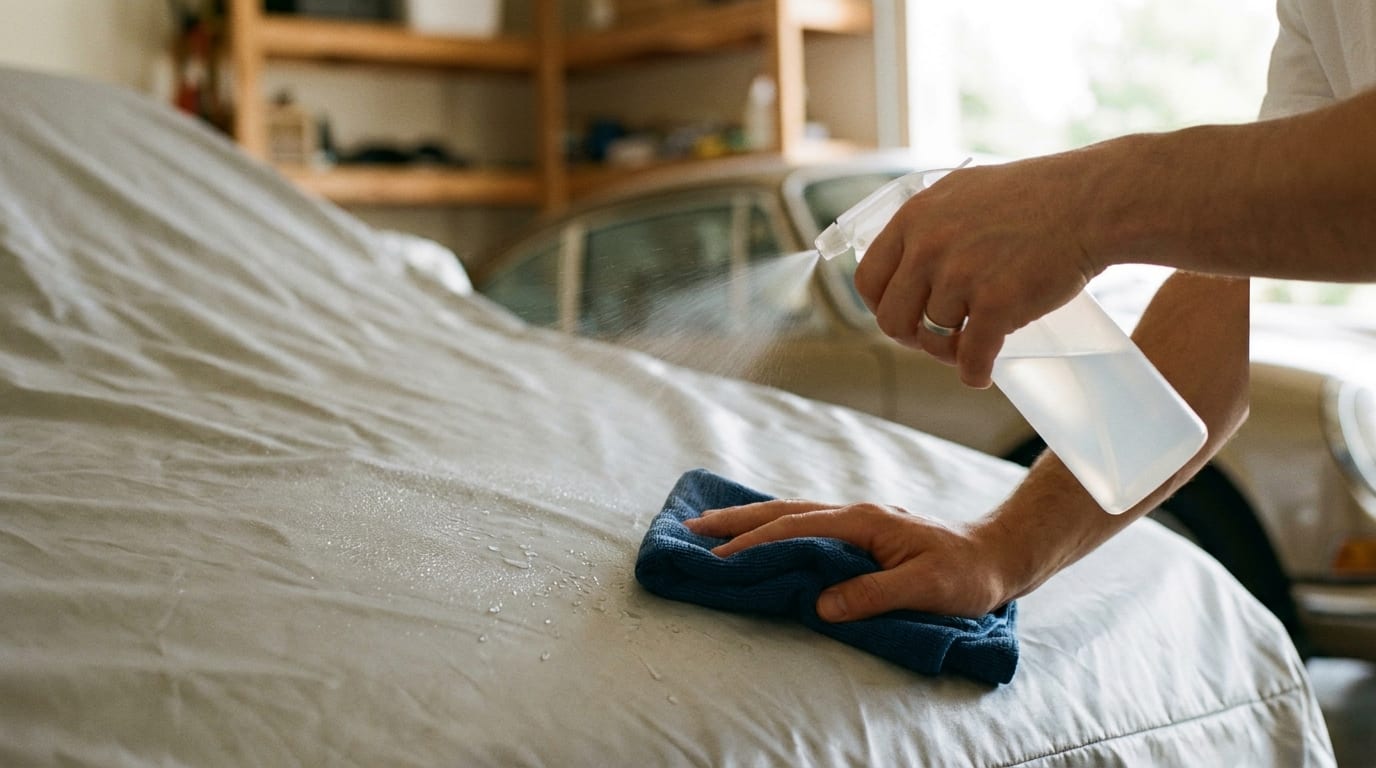
The cover itself needs occasional cleaning too. Lining that's holding onto old dust and grit will transfer it right back onto your paint the next time you use it. A simple rinse and air dry, following a proper car cover cleaning routine, keeps the fabric doing its job instead of working against you. For a deeper look at using a cover indoors day to day, the guide to using car covers inside covers storage habits worth picking up.
When it's not on the car, don't leave the cover balled up on the garage floor. Hang it or fold it somewhere dry, away from the dust it's supposed to be keeping off your Tiguan in the first place.
Protect Your Tiguan's Finish Starting Today
Waterproofing isn't the point here. For a garage-kept Tiguan, the real difference between a decent cover and a great one comes down to soft lining and a fit snug enough that the fabric never has a chance to rub against your paint. Get those two things right and the rest takes care of itself.
If you're ready to look at options, it's worth browsing a few Tiguan-sized covers and reading through the care guides before deciding which tier fits your situation. Either way, a few minutes spent now is a lot cheaper than buffing out scuffs later.