
Outdoor Car Cover for Jeep Wrangler: Waterproofing & UV Protection Buying Guide
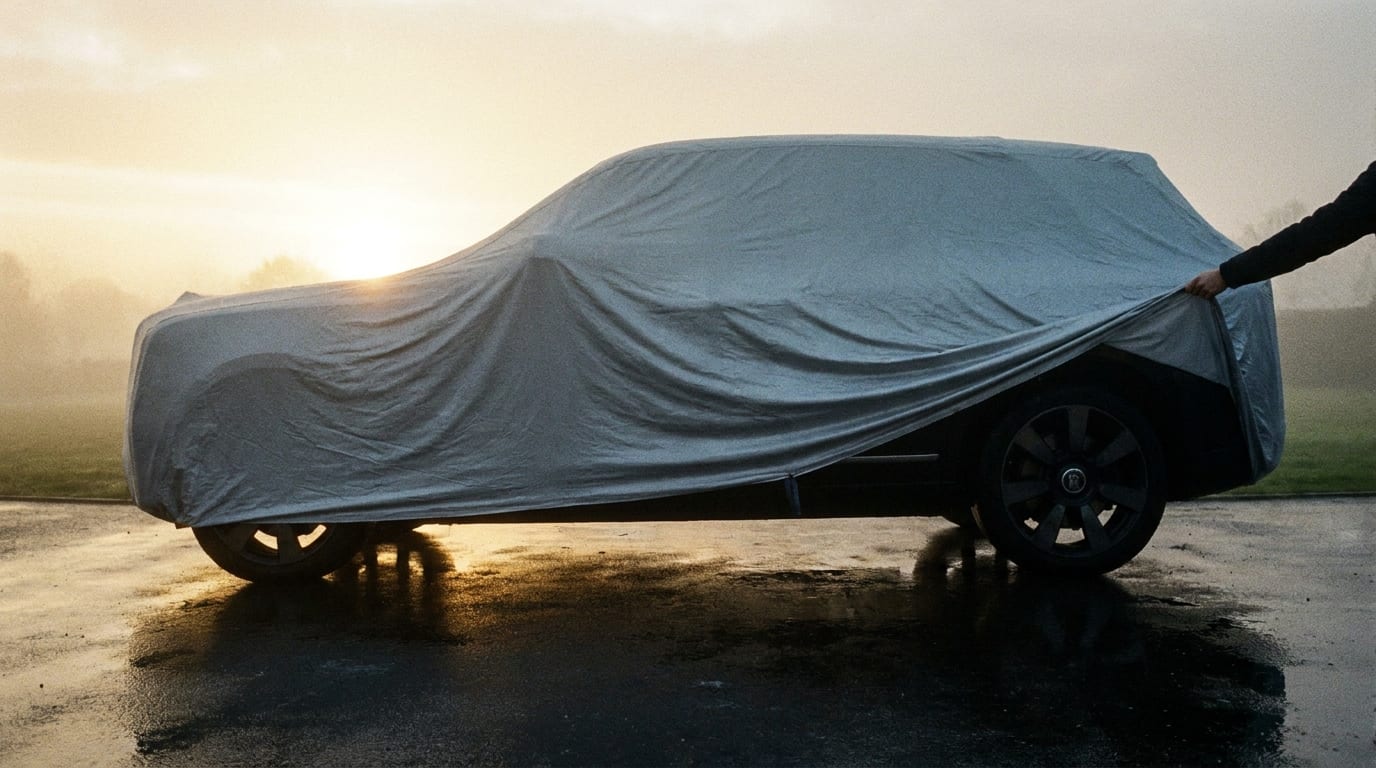
Leaving your Wrangler uncovered in the driveway is a different bet than leaving a sedan out. Wranglers live outside more than most vehicles, whether that's a gravel driveway, a trailhead parking lot, or a campsite for the weekend, and that constant exposure is exactly why an outdoor car cover for Jeep Wrangler owners isn't optional gear so much as basic maintenance. Soft-top models have it worse. Vinyl and fabric roofs break down under sun and moisture a lot faster than painted steel or a hardtop ever will.
There's a resale angle here too. Faded paint, a cracked or brittle soft top, water stains inside from a door seal that's been letting moisture in for two years. None of that helps when you go to trade in or sell. A good cover is cheap insurance against all of it.
So the rest of this guide is really about one question: what waterproofing and UV specs actually matter when you're shopping, versus what's just copy on a box. Let's get into it.
What Makes a Cover Truly Waterproof for a Wrangler

"Waterproof" gets thrown around loosely in this industry. A cover that's actually built to shed water has a few specific things going on: multi-layer woven fabric, seams that are taped or heat-sealed rather than just stitched, and a coating with a real water-resistance rating behind it. If a product page just says "water-resistant" with no detail on construction, that's a flag, not a feature.
For soft-top Wranglers the stakes are higher. Water can pool on the fabric roof itself, and it loves to find its way in through zipper lines and window seams. A properly tensioned outdoor cover keeps rain moving off the surface instead of sitting against the top for hours. That constant contact is what actually causes the damage, not a quick rain shower.
Here's the part people miss: waterproof and breathable aren't the same thing, and you need both. A cover that blocks water perfectly but doesn't breathe traps condensation underneath it. On a soft top, trapped moisture against vinyl or canvas can honestly do more harm than just leaving the Jeep uncovered. Check for waterproof fabrics built with a breathable layer, not just a plastic tarp dressed up as a car cover.
Elastic hems, built-in grommets for cable locks, and a snug bottom edge matter more than people expect. Wind-driven rain doesn't fall straight down, it gets pushed sideways and up under loose edges. A cover that fits loose at the hem is giving water a doorway. Look for waterproof car covers that spec out their sealing details instead of just slapping "all-weather" on the label.
UV Protection: Why It Matters More for Wranglers
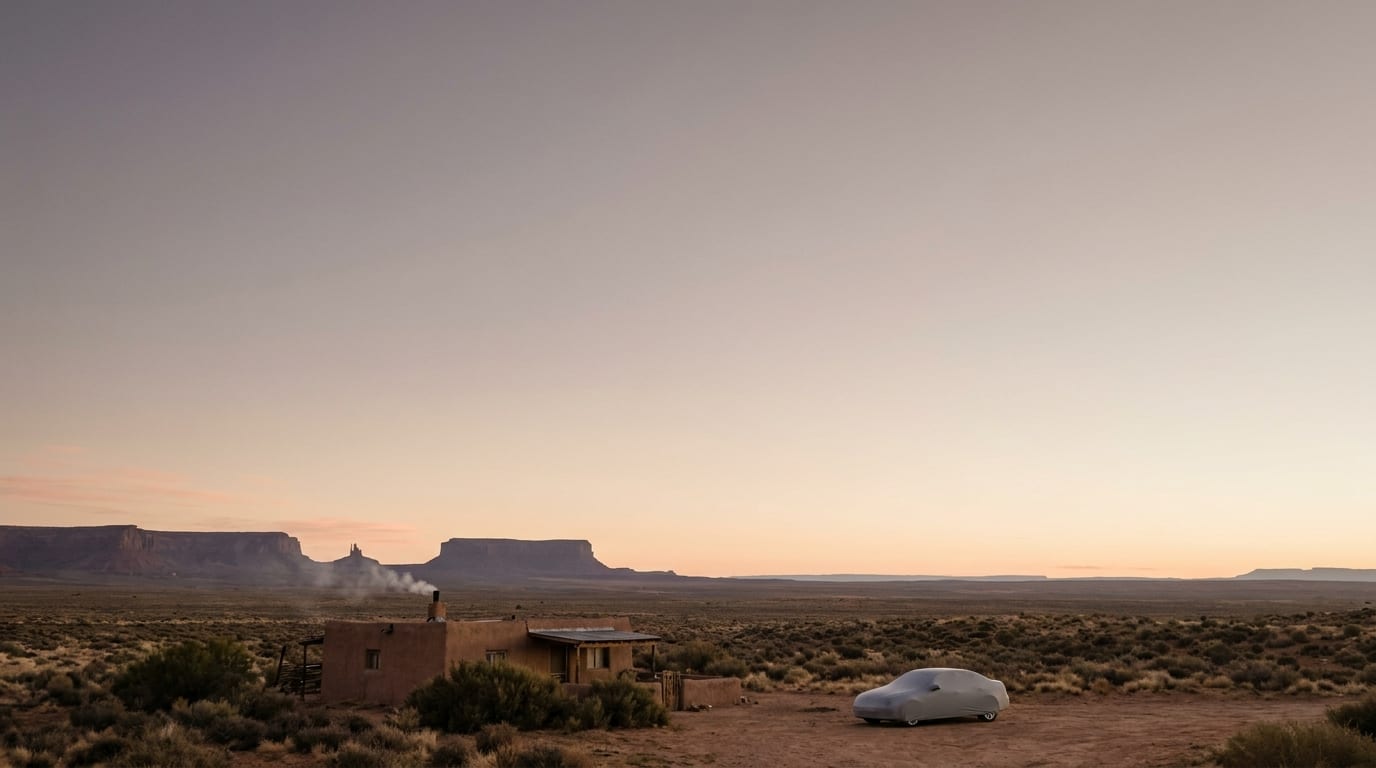
Sun damage hits Wranglers differently than it hits a regular car. A soft top out in direct sun for months on end starts cracking, fading, and getting brittle in ways a painted roof never will. Once that vinyl or canvas gets stiff, it's not coming back. You're looking at a top replacement, which isn't cheap.
Hardtop and Rubicon owners aren't off the hook either. Clear coat fades, trim plastic chalks out to a dull gray, and if the Jeep sits uncovered, UV comes straight through the glass and bakes the dash until it cracks. A cover protects more than the top, it protects everything sunlight can reach.
A real UV-blocking layer shows up on a spec sheet as a UV-stabilized fabric treatment, often paired with a denier rating that tells you how tough the weave actually is. Covers with no UV treatment at all will say nothing about sun protection, they'll just talk about water or dust. If UV isn't mentioned, assume it isn't there.
Where you live changes the math too. Desert and high-altitude sun is brutal on fabric and finish, and coastal UV exposure isn't far behind. If you're parking outside daily in Arizona or along the coast, UV protection should weigh as heavy in your decision as waterproofing does. For a deeper breakdown of how sun, wind, and rain each stress a cover differently, this guide to using a car cover outdoors is worth a read before you buy.
Comparing Cover Tiers for Outdoor Jeep Wrangler Protection
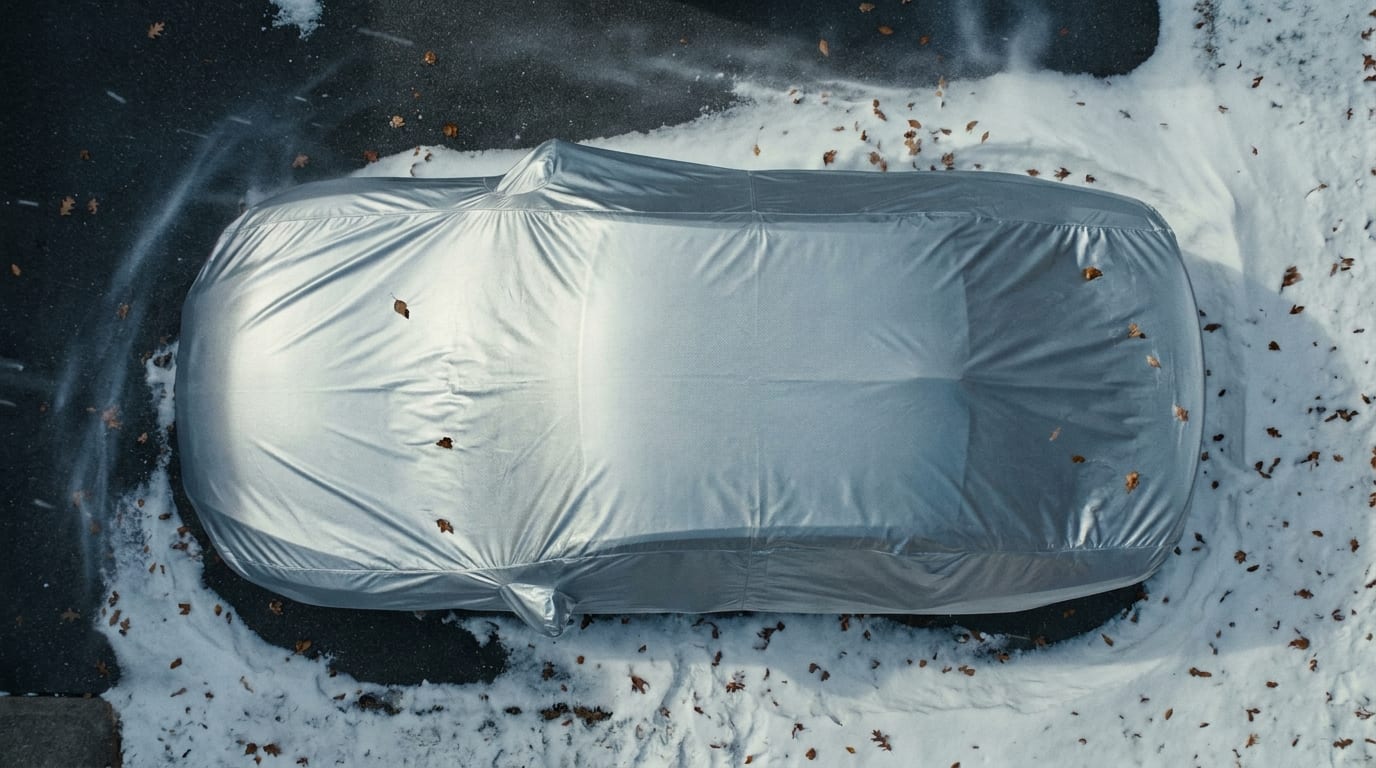
Not every cover on the market is built for the same level of exposure, and the price differences usually track pretty closely with actual construction quality. Here's roughly how the tiers break down:
| Feature | Entry Tier | Mid Tier | Top Tier |
|---|---|---|---|
| Waterproofing | Basic water resistance | Taped or sealed seams | Fully sealed, all-weather rated fabric |
| UV treatment | Rare or absent | Standard UV-stabilized layer | Heavy-duty UV treatment |
| Breathability | Single-layer, poor | Multi-layer, decent | Multi-layer laminate, strong |
| Stitching/hardware | Minimal reinforcement | Reinforced seams, some grommets | Reinforced stitching, grommets, antenna/mirror pockets standard |
| Typical warranty | Short or none | Moderate length | Longest coverage |
Entry-tier covers are fine for occasional light rain and short-term outdoor parking, but they're not built for a Jeep that lives outside year-round. Mid-tier covers with taped seams are where most Wrangler owners land, especially in temperate climates. If you're in the desert, near the coast, or you just don't want to think about this again for years, the top tier earns its price with sealed construction and real UV treatment.
Warranty length is worth checking before you decide. A cover meant for constant outdoor exposure should be backed accordingly. CarCovers backs its covers with a lifetime warrantyand policies like a no-hassle guarantee are worth looking for regardless of which brand you buy from, since outdoor-use products wear in ways indoor covers never have to deal with.
Fit Considerations Specific to the Wrangler
A 2-door Wrangler and a 4-door Unlimited are different vehicles in terms of cover sizing, and a generic "universal fit" cover usually splits the difference badly. The result is gaps right at the soft-top seams, which is exactly where you don't want gaps.
Custom-fit and semi-custom covers solve this by matching the actual body lines and roof profile. A snug fit does more than look better, it cuts down wind flap. Flapping fabric rubs against paint and the soft top over time, and that constant movement is also what works water in past the edges during a storm. Check out custom-fit car covers built specifically around Wrangler dimensions rather than a one-size-fits-most shape.
Mods complicate things further. Roof racks, light bars, oversized tires, and spare tire mounts on the back all change the exterior profile your cover needs to clear. Some covers include cutouts or extra room for mirrors and antennas, others don't account for any of it. If you've added aftermarket parts, check compatibility before ordering instead of assuming "universal" will stretch to fit.
Model year and top type matter just as much. Soft top, hardtop, and no-top configurations all have different high points and contours, so confirm your exact setup before buying. Use a sizing guide to double-check fit, and start from the Jeep-specific cover page rather than a generic SUV listing.
Installation & Maintenance to Preserve Waterproofing Over Time
Even a great cover underperforms if it's installed wrong. Secure the straps and cable locks fully, pull the fabric taut, and make sure no loose section is sitting in constant contact with the soft top. Contact points are where moisture lingers and where fabric wears thin first. A simple installation guide walks through the process if you want to get it right the first time.
Dirt, tree sap, and bird droppings aren't just cosmetic problems. Left on the fabric, they break down the waterproof coating faster than plain weather exposure would. Regular cleaning isn't optional maintenance, it's part of what you're paying for when you buy a waterproof cover in the first place.
Skip the washing machine and skip harsh detergents. Both strip waterproof coatings faster than normal wear ever would. Stick to manufacturer-approved cleaning methods, and this step-by-step cleaning guide covers the specifics on what's safe to use.
When you're storing the cover off-season, fold it dry and keep it in a breathable bag. A damp cover folded up in an airtight container is a mildew problem waiting to happen, and mildew eats away at coatings just like harsh chemicals do.
Making the Decision: Final Checklist Before You Buy
Before you check out, run through this: confirm your door count and top style, pick a waterproof rating that matches your climate, and prioritize UV treatment if the Jeep sits in direct sun most days. Choose custom-fit over universal whenever it's an option, the fit difference shows up in performance over time, not just looks.
Soft-top owners should weight waterproofing and breathability above everything else on this list. Hardtop owners can shift priority toward UV and paint protection instead, since water intrusion isn't the same risk for them. Check the warranty terms too, a short or vague warranty on a cover meant for daily outdoor use is a quiet red flag.
If you're still narrowing things down, it's worth browsing a few options sized to your exact model, year, and top configuration before settling on one. And if you want more buying guides like this one as you figure out the right setup for your Jeep, it's worth sticking around and exploring what else is out there.
