
Outdoor Car Cover for Porsche Macan: Waterproofing & UV Protection Guide
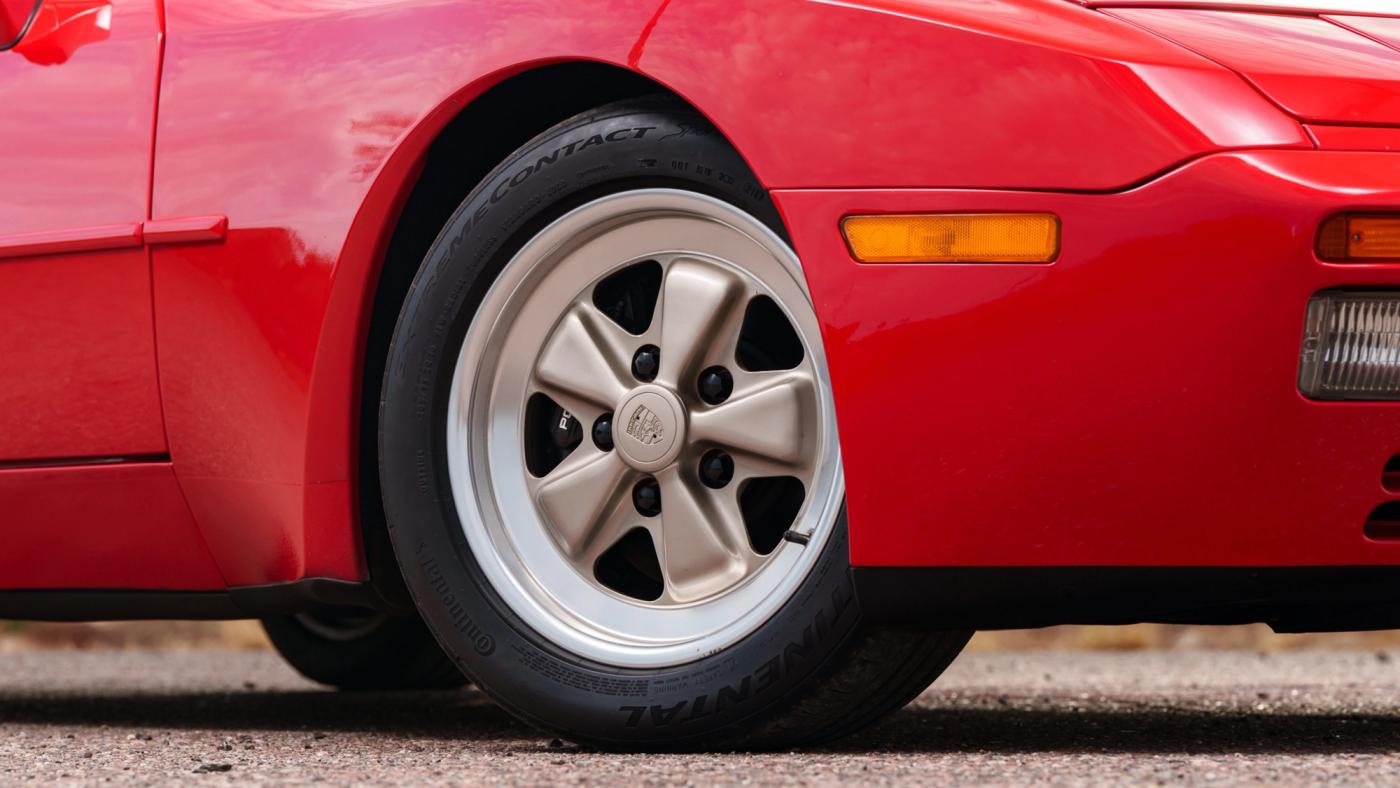
Why Your Macan Needs More Than a Garage Tarp
Parking a Macan outside overnight is fine. Parking it outside for months under a thin universal cover is how you end up with a $900 paint correction bill. Two things do most of the damage: trapped moisture and UV exposure, and they attack the car in different ways.
A poorly sealed cover doesn't just fail to keep water out, it often traps water that's already gotten underneath. That standing moisture sits against the clear coat and trim, and given enough time you're looking at mold and mildew spotting that's genuinely hard to buff out. UV is the slower threat. Sunlight pouring through the windshield bakes the dash and leatherette, and direct exposure on the hood and roof fades paint faster than most owners expect, especially on darker Macans where oxidation shows up first.
Fit matters more here than it does on a boxier SUV. The Macan's low ride height and that curved rear hatch glass mean a loose, generic cover rides up, shifts in wind, and leaves gaps where water pools. So before you start comparing specific products, settle the real question: you need an outdoor car cover for Porsche Macan that's rated for both waterproofing and UV block. One without the other isn't a real solution, it's half a solution.
What Makes a Cover Truly Waterproof (and Why Water-Resistant Isn't the Same Thing)

These two words get used interchangeably in product listings, and they shouldn't be. Water-resistant fabric slows moisture down. Fine for dew, fine for a light drizzle. It is not fine for a two-hour downpour, which is when it starts wicking through. A genuinely waterproof car cover uses multi-layer woven fabric, and critically, taped or sealed seams.
That seam detail is where most "waterproof" covers quietly fail. The fabric itself might shed water just fine, but unsealed stitching is a row of tiny needle holes, and that's exactly where rain finds its way in during sustained weather. If a listing doesn't mention seam sealing specifically, assume it doesn't have it.
Here's the part people miss: a cover that's waterproof but not breathable can actually be worse than no cover at all. Trap humid air under a non-breathable shell and you get condensation forming on the paint overnight, which does the same mildew damage that rain does, just slower and sneakier. When you're comparing options, look for a listed waterproof rating paired with a breathable inner layer. That combination matters more if the Macan is daily-driven and getting wet-then-dry cycles constantly, versus one sitting in long-term outdoor storage where airflow underneath matters just as much.
UV Protection: Stopping Sun Damage Before It Starts
UV-inhibiting fabric treatments work by blocking the wavelengths that break down clear coat at the molecular level. Skip that treatment and you get oxidation: that chalky, dulled look that shows up first on hoods and roofs. Darker Macan colors (Jet Black Metallic, Dolomite Silver with a deep tint, Volcano Grey) show this fade fastest, since darker pigments absorb more UV energy than lighter ones do.
It's not just paint. A reflective or UV-treated outer shell also keeps cabin heat down, even though the cover never touches the interior. Less sun hitting the glass means less heat soak into the dash and leatherette, which means less cracking and less of that sun-baked interior smell nobody wants.
Here's where I'll be blunt: a lot of cheap universal covers skip UV-stabilized fabric entirely to hit a lower price point. You won't notice it on day one. You'll notice it three or four months in, when the cover itself starts discoloring and going brittle at the seams. That's the fabric failing before it's even protected anything. Check for a stated UV rating before you buy, not after the cover's already falling apart in the driveway.
Comparing CarCovers' Outdoor Protection Tiers for the Macan
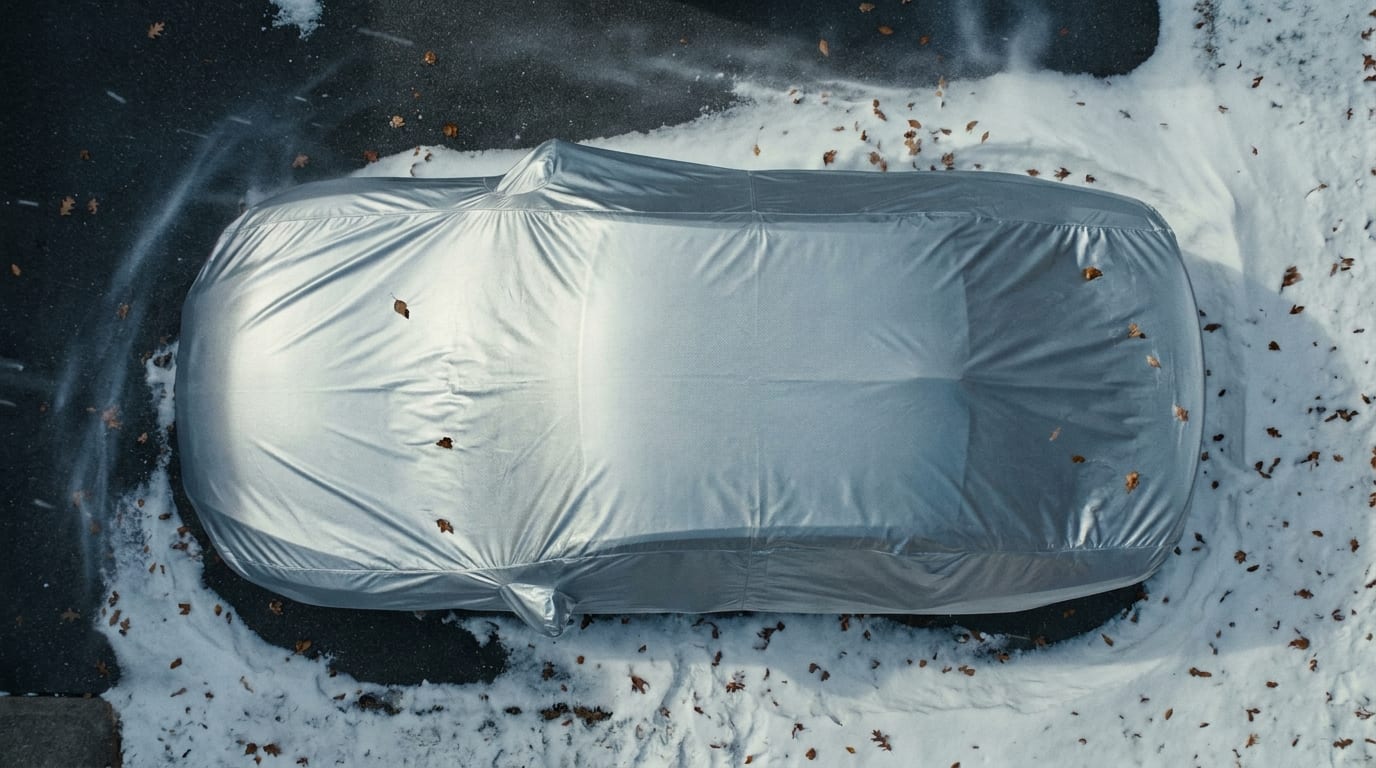
Not every outdoor cover needs to do the same job. A Macan that sits outside twice a week doesn't need the same armor as one that lives outside year-round in Arizona or Florida. Here's roughly how the tiers break down by what they're actually built to handle:
| Tier | Waterproofing | UV Protection | Best For |
|---|---|---|---|
| Entry-level outdoor | Light rain and dew resistance | Baseline UV-resistant coating | Occasional outdoor parking, mild climates |
| Mid-tier all-weather | Sustained rain resistance, sealed seams | Enhanced UV-resistant coating | Regular outdoor parking, mixed weather |
| Top-tier storm fabric | Heavy, sustained moisture resistance | Multi-layer UV block | Full-time outdoor living, sun-heavy or storm-prone climates |
Layer count is the thing driving most of that difference. A single-layer fabric can be treated for water resistance, but it's thinner, so it's more prone to pinholes and abrasion over time. Multi-layer woven construction adds thickness that does double duty: it improves the waterproof barrier and makes the cover more resistant to punctures from tree branches, grit, and general handling.
If your Macan only sees the driveway occasionally, the entry-level tier is probably enough, and paying for storm-grade fabric is overkill. But if it's outside full-time, especially somewhere with real sun exposure or seasonal storms, the jump to mid-tier or top-tier isn't a luxury upgrade, it's the difference between a cover that lasts three seasons and one that lasts one. The extra cost at the top is buying waterproofing and UV performance specifically, not bonus features you won't use.
Custom-Fit vs. Universal: Why Fit Matters for Waterproofing and UV Coverage
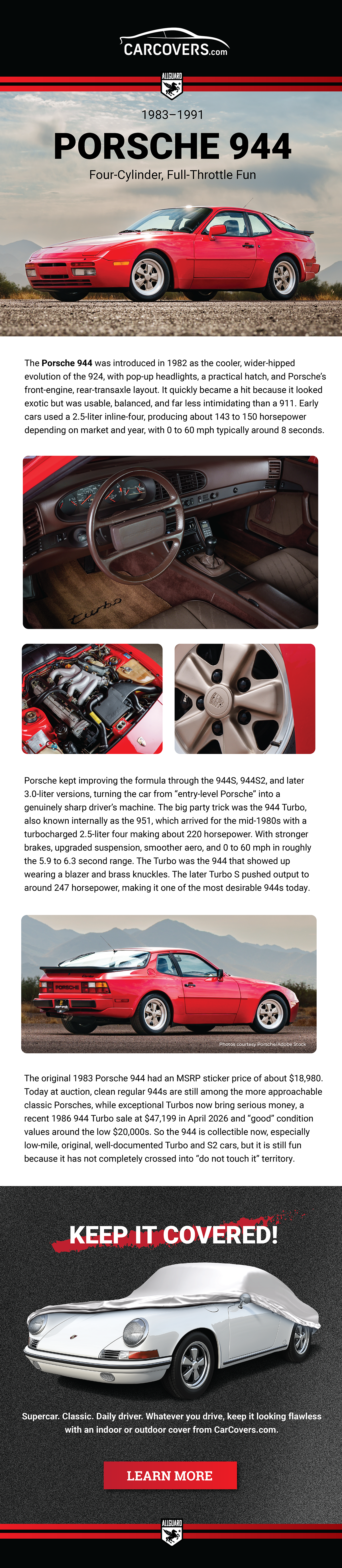
This is the part that trips people up: you can buy the right fabric and still end up with water damage, because the cover doesn't actually fit the car. A custom-fit car cover built around the Macan's specific dimensions closes the gaps at the mirrors, the hatch line, and the front fascia, the exact spots where wind-driven rain gets pushed underneath a generic, oversized cover.
Slack is the enemy here. A universal cover with extra fabric flapping in the wind isn't just annoying, it's actively wearing out the material faster through constant friction, and that flapping motion works seams loose over time, which opens up new entry points for water. None of that happens with a cover that's actually sized for the car.
Fit affects UV protection too, just less obviously. A snug cover stays put through a full day of sun exposure. A loose one slides, bunches, and leaves panels exposed by afternoon, which defeats the purpose of paying for UV-treated fabric in the first place. If you're not sure what you're currently working with, it's worth checking what size car cover fits your vehicle before assuming a universal fit is close enough.
Installing and Maintaining Your Cover to Preserve Waterproofing and UV Protection
A good cover installed badly will underperform a decent cover installed right. Daily installation matters more than people think: making sure the cover is centered, seams aligned, and the fabric isn't dragging across the paint as you pull it on. Dragging a cover on and off repeatedly is a slow sandpaper effect on clear coat, especially with road grit still on the surface. For the full walkthrough, the step-by-step cover installation guide covers the order of operations worth following every time.
Straps and tie-downs aren't optional extras. Without them, wind works a cover loose overnight, and a cover that's shifted off-center stops protecting the panels it's supposed to cover, UV-treated fabric or not. Secure it properly and it stays where you put it.
Cleaning matters more than most owners assume, too. Dirt, pollen, and tree sap sitting on the fabric for weeks will break down both the waterproof coating and the UV treatment faster than normal wear would. A simple periodic rinse and the right cleaning approach for your cover's fabric keeps those treatments intact a lot longer than just leaving it to bake in the sun untouched.
Warranty and Guarantee: What Backs Up the Waterproof/UV Claims
Specs on a product page are one thing. What happens if the waterproof coating fails early, or the UV treatment degrades faster than it should, is another. CarCovers backs its covers with a lifetime warranty on material defects, which covers exactly this kind of issue: a defect in the waterproofing or UV-resistant coating itself, not damage from misuse.
If you're on the fence about which tier your Macan actually needs, the no-hassle guarantee takes some of the risk out of committing. You don't have to get the tier decision perfect on the first guess.
Bottom Line: Choosing the Right Outdoor Cover for Your Macan
Match the waterproof rating and UV protection level to how the car actually lives outside. Weekend driveway parking in a mild climate doesn't need storm-grade fabric. A Macan that sits outside year-round in full sun does, and skimping there just means replacing the cover (or the paint) sooner than you'd like.
Fit, waterproofing, and UV protection aren't three separate checkboxes to tick off one at a time. They work together, or they don't work at all. A great fabric on a badly fitted cover still lets water in. A perfect fit with weak UV treatment still leaves you with faded paint by summer's end.
If you're ready to see what actually fits your model year, the cover finder tool will pull up Macan-specific options in a couple clicks. And if you just want to keep learning before you commit, it's worth a look at our full guide to using a car cover outdoors or poking around the articles section for more on keeping a Macan looking the way it did on day one.
