
Waterproof Car Cover for Mercedes-Benz E-Class: Climate-Specific Protection Guide
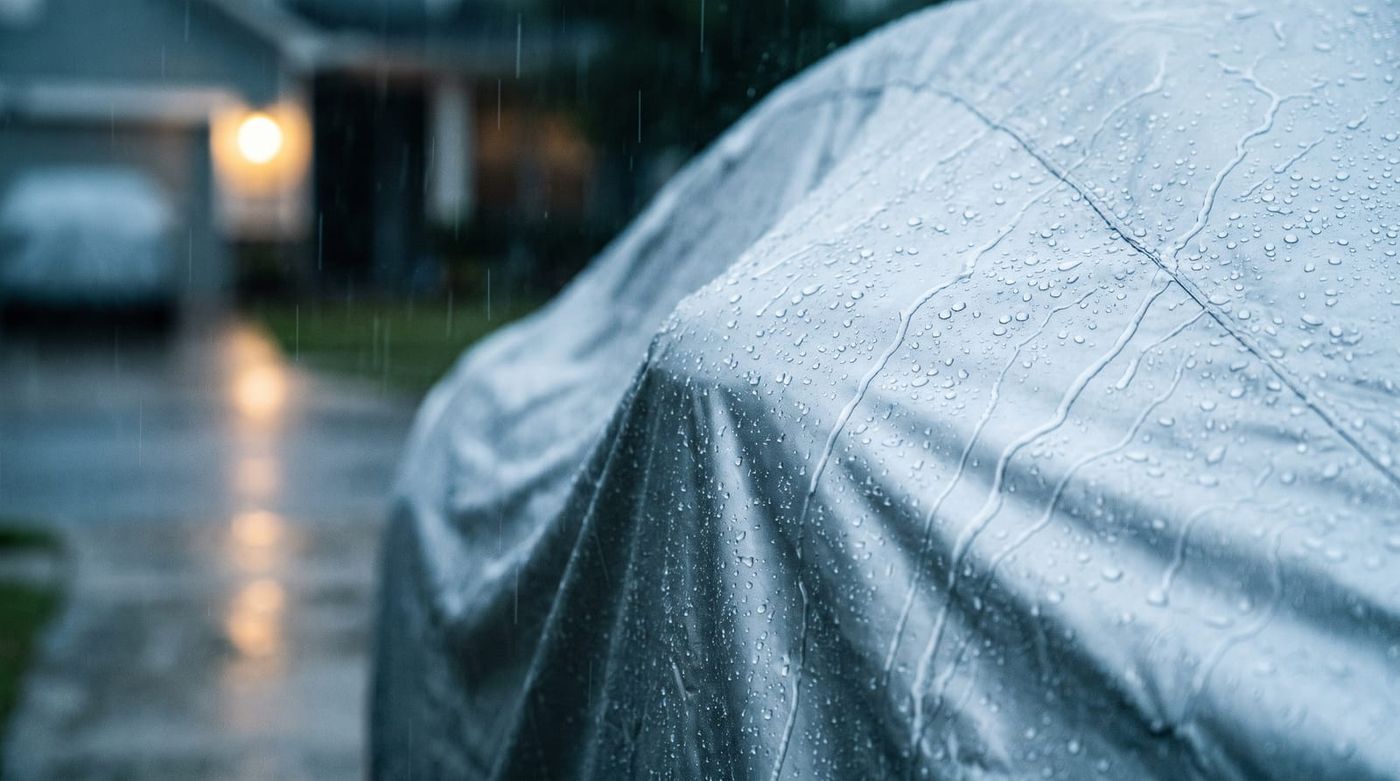
A Mercedes-Benz E-Class sitting outside isn't just another car getting rained on. It's got a factory paint finish that took real engineering to get right, leather or MB-Tex upholstery, and trim pieces that cost real money to replace if they fade or crack. A waterproof car cover for Mercedes-Benz E-Class owners isn't a luxury add-on. It's basic maintenance, the same as changing your oil on schedule.
Here's the thing though: "waterproof" gets used as a marketing word more than an actual spec. A cover engineered to survive Phoenix sun does a completely different job than one built for Seattle's six-month rainy season, and neither one is right for a Minneapolis driveway buried in snow for half the year. Your climate determines what "protection" even means.
So that's what this guide is actually about. Not just picking a cover sized for an E-Class sedan or wagon, but matching the fabric, the seams, and the accessories to the specific weather your car actually deals with every day.
Why Your E-Class Needs Climate-Specific Waterproof Protection
The E-Class has always sat in that spot between "daily driver" and "car you actually care about." Whether it's a W213 sedan or an All-Terrain wagon, the finish and interior are worth more attention than a base-trim commuter car would get.
Rain is the obvious threat, sure. But sun bakes dashboard plastics and dark interior trim over time. Snow sits on seams and freezes. Pollen and tree sap etch into clear coat if they're left long enough. A cover that only accounts for rain leaves your E-Class exposed to everything else.
This is really the whole point of getting climate-specific about it. A cover built to shrug off Gulf Coast humidity isn't doing much for a car parked under pine trees in a Colorado winter. Matching cover features to your actual weather, not just to the E-Class's dimensions, is what separates a cover that works for five years from one that's degraded (or worse, degrading your paint) within one season.
What Climate Threats Actually Damage an E-Class Left Uncovered
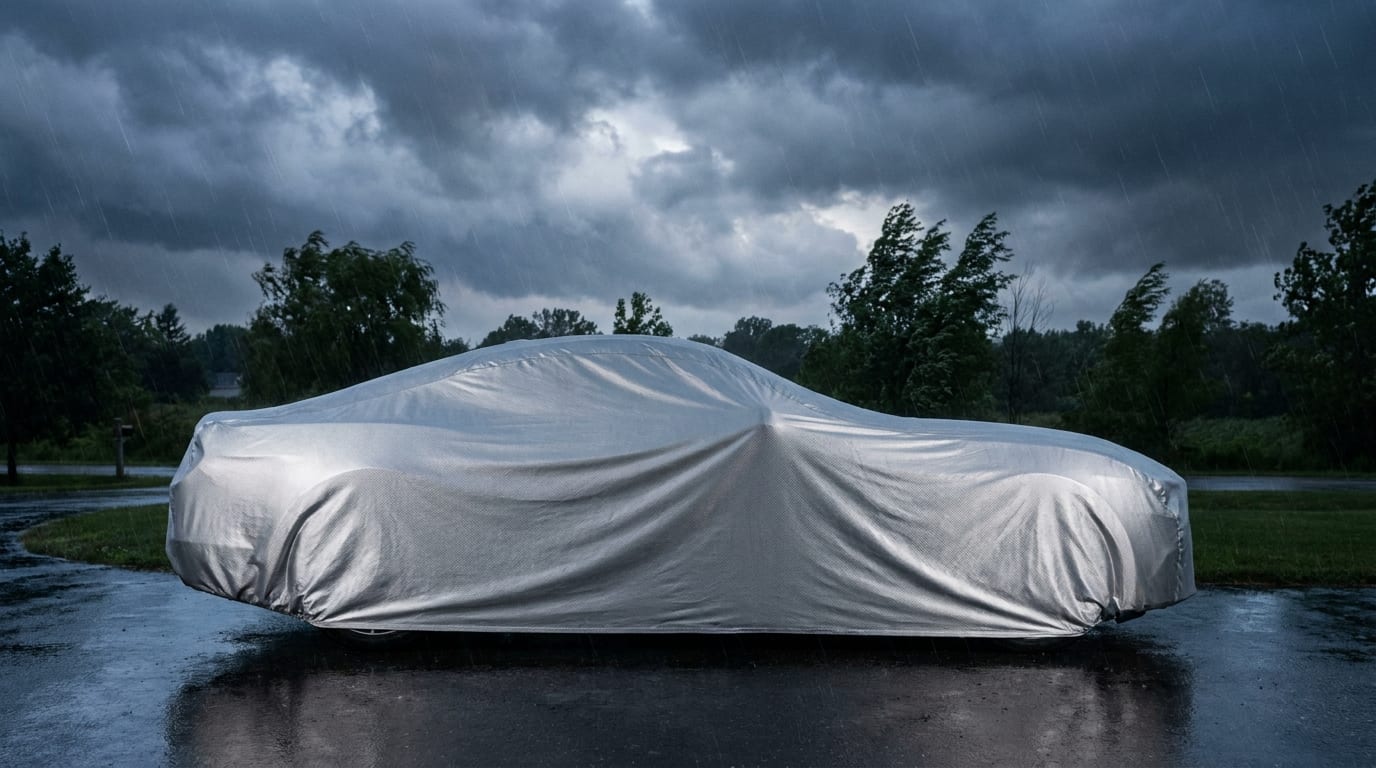
Rain and humidity cause more than obvious water spotting on clear coat. Moisture that sits under trim pieces and around door seals invites mold and mildew, especially if the car doesn't get driven daily.
UV exposure is the quiet one. It doesn't show up overnight, but months of direct sun fade the E-Class's darker interior trims and dashboard surfaces, and it slowly oxidizes clear coat in sun-heavy states like Arizona or Nevada. By the time you notice, it's already done.
Snow and ice bring their own problems. Freeze-thaw cycles stress windshield wiper areas and trim edges, and a cover that isn't built for snow load can sag, pool, and stretch at the seams under the weight.
Coastal and salt-air conditions accelerate corrosion on wheels, exposed metal, and trim, particularly for owners parked within a mile or two of the ocean. And don't sleep on bird droppings, tree sap, and pollen. All three are mildly acidic or sticky enough to etch into a finish, and that damage compounds fast when moisture is already sitting on the surface.
What Makes a Car Cover Genuinely Waterproof (Not Just Water-Resistant)
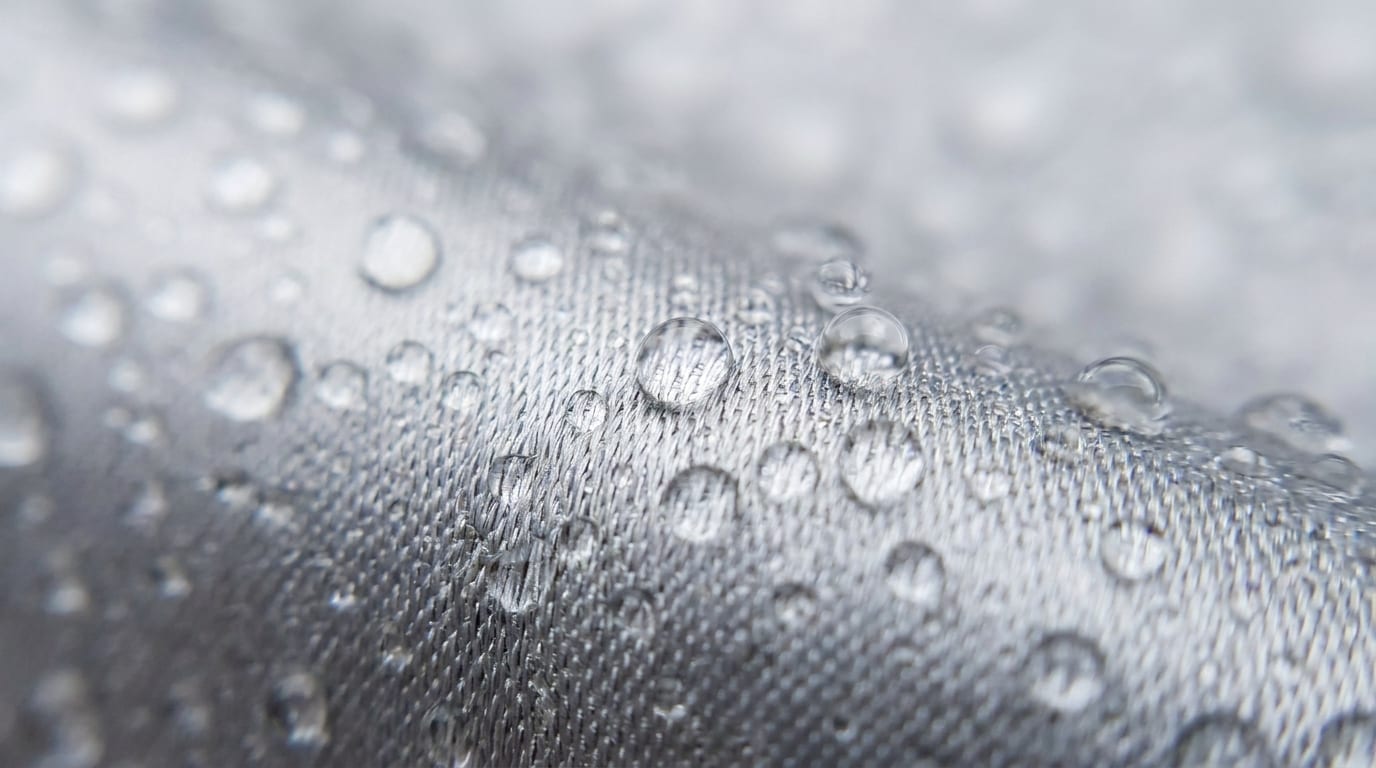
Water-resistant fabric holds up fine in light drizzle. It's a different animal from truly waterproof material, which is built to handle sustained rain and standing water without soaking through.
Real waterproof covers use layered construction: a weatherproof outer shell that sheds water, a breathable middle layer, and a soft inner lining that won't scratch paint during wind movement. That middle layer matters more than people assume. A cover that's fully sealed but not breathable traps condensation underneath it, and trapped moisture sitting directly on your paint can do more damage than the rain it was supposed to block.
Seam-sealing and grommet placement are where lower-quality covers actually fail. Water doesn't usually soak through the fabric itself, it sneaks in at the stitching and around antenna or cable grommets. If you want the deeper material science on how these fabrics are engineered, the waterproof fabrics explainer breaks down the treatments and layering in more detail.
Matching a Waterproof E-Class Cover to Your Climate Zone
If you're in a rainy or coastal climate, Pacific Northwest, Gulf Coast, salt-air resistant hardware and grommets should be non-negotiable alongside full waterproofing. Corroded grommets are a slow leak waiting to happen.
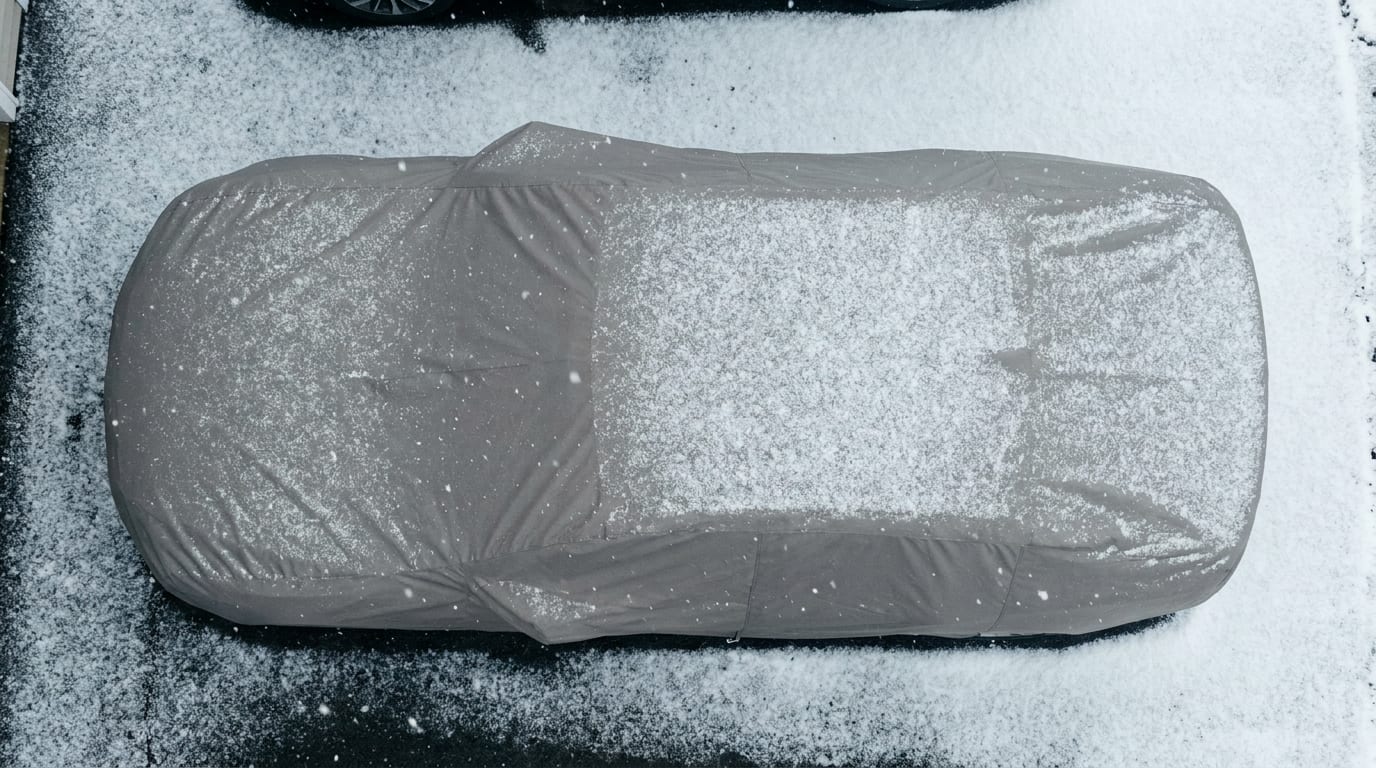
Snow-heavy climates, think Midwest or Northeast, need reinforced seams and a cover actually rated for snow load, not just water. A snug, tailored fit also matters here since loose fabric flaps and lifts in wind, which is exactly how snow works its way underneath.
Hot, sun-heavy climates like the Southwest flip the priority list. Rain exposure might be rare, but UV is relentless, so a cover with strong UV-blocking in the outer layer matters more than raw waterproof rating.
Humid climates in the Southeast need breathability above almost everything else. Without it, moisture gets trapped under the cover between rain events and mildew starts forming, which defeats the purpose of covering the car in the first place.
The mistake most people make is assuming "fully waterproof" solves every problem everywhere. It doesn't. Weight your cover's features toward whatever threat actually hits your driveway the most, and treat everything else as secondary.
Custom-Fit vs. Universal Covers for the E-Class
Fit precision matters more for waterproofing than most people expect. Gaps between the cover and the car's body lines are exactly where wind-driven rain gets pushed in, especially around mirrors and the antenna.
The E-Class comes in sedan and wagon (Estate or All-Terrain) body styles, and that distinction matters. A cover built loosely around "Mercedes-Benz" as a brand won't necessarily account for the wagon's extended roofline or different rear glass angle.
Custom-fit covers are contoured to the exact body lines of your specific E-Class variant, which means better water shedding at mirror pockets and antenna cutouts, the two most common leak points on a sedan. Semi-custom or universal covers are more affordable and looser by design, which trades some water tightness for flexibility across multiple models. If you're weighing the two, it's worth comparing custom-fit car covers against a universal option before you decide, and checking the mirror pocket and antenna cutout specs specifically rather than assuming they'll seal properly out of the box. Getting the base size right first, using a guide like what size car cover for my vehicle, saves you from ordering the wrong fit twice.
Installation and Accessories That Improve Waterproof Performance
A fully waterproof cover installed loosely underperforms. It's not the fabric's fault, it's physics: cinch straps and elastic hems keep the material pulled tight against the body, which is what actually keeps water from working its way in at the edges.
If you're in a windy or storm-prone region, gust straps are worth adding. They stop the cover from shifting mid-storm and exposing a panel that was supposed to stay covered. Our gust strap installation guide walks through the setup if you haven't used one before.
For owners parking the E-Class outdoors in public lots or shared driveways, a cable lock accessory adds a layer of security on top of the weather protection, since a cover that can be pulled off in thirty seconds isn't doing much for peace of mind either.
One thing people overlook: store the cover itself in a dry bag between uses. A cover that gets folded up wet or dirty just transfers grime and moisture back onto the car the next time you use it.
Maintaining Waterproofing Over Time
Waterproof treatments wear down. Repeated exposure to sun and rain, plus improper washing, strips the water-repellent coating faster than most owners expect.
Clean the cover using methods built to preserve that coating rather than break it down; harsh detergents and high-heat drying are the usual culprits. Our cover cleaning guide covers the specifics on what to use and what to avoid.
Check seams and grommets every few months, and definitely after a rough winter or a heavy storm season. Small tears at the stitching are cheap to deal with early and expensive once they've let water in for a season.
Warranty coverage is also worth checking before you buy, not after something fails. A lifetime warranty on car covers is a real signal that a manufacturer expects the product to hold up, not just look good on the shelf.
Choosing Your Waterproof E-Class Cover: Next Steps
Start with your dominant climate threat, not the spec sheet. Rain, snow, sun, salt air, figure out which one actually hits your driveway the hardest, then match fabric, fit, and accessories around it.
A cover that's actually right for your climate protects more than exterior paint. It protects resale value and keeps the interior from fading or smelling like mildew three years from now, which matters a lot if you plan on trading the E-Class in eventually.
If you're ready to look at options, browse waterproof car cover options built for exactly this kind of climate-specific fit, or check out the Mercedes-Benz cover lineup to find the sizing built for your exact E-Class body style. And if you're still deciding, it's worth subscribing to our articles for more climate and maintenance guides as they come out, no pressure, just useful reading before you spend the money.
