
How Much Is a Car Cover for a Dodge Challenger? Price Guide by Type

How Much Does a Dodge Challenger Car Cover Cost?
A car cover for a Dodge Challenger typically runs anywhere from $50 to $400 or more. Most owners end up spending somewhere between $100 and $250 for a cover that handles both garage storage and the occasional night parked outside. That's the short answer to how much is a car cover for a Dodge Challenger, but the real number depends on a few specific choices you'll make before checkout.
Three things move the price the most: whether you buy a universal cover or one custom-fit to the Challenger's actual body, what material and weatherproofing tier the cover falls into, and whether straps, a storage bag, or a cable lock come bundled in. A $60 cover and a $350 cover aren't really competing products. They're solving different problems. The rest of this guide breaks down exactly which features push the price in either direction, so you can land on a cover that matches your budget and how you actually use the car.
What Determines the Price of a Challenger-Specific Cover
Fit is the first fork in the road. A generic "fits sedans up to 200 inches" universal cover is cheaper because it's cut from one pattern that's supposed to work on dozens of different cars. A semi-custom or custom cover built around the Challenger's long hood, wide haunches, and low roofline costs more because it's shaped to that specific body, not a rough approximation of it. You're paying for the pattern work, not just the fabric.
Material is the bigger lever, though. A single layer of breathable fabric meant for indoor use costs a fraction of what a multi-layer, UV-resistant, waterproof outdoor cover runs. That's the single biggest swing factor in this whole price conversation, more than fit, more than brand, more than any add-on. If you want a real comparison of fabric types and what each one is actually built to handle, this breakdown of car cover materials is worth a read before you buy.
Indoor-only covers sit at the low end because they don't need to fight rain or sun. Outdoor covers cost more because they're engineered to block UV rays, shed water, and resist wind for months at a time. And on a performance car like the Challenger, small extras like grommets for a cable lock, a reinforced antenna patch, or padded mirror pockets add a little to the price tag but save you from scuffed mirror caps or a cover that gets yanked off in a storm.
Price Breakdown by Cover Tier
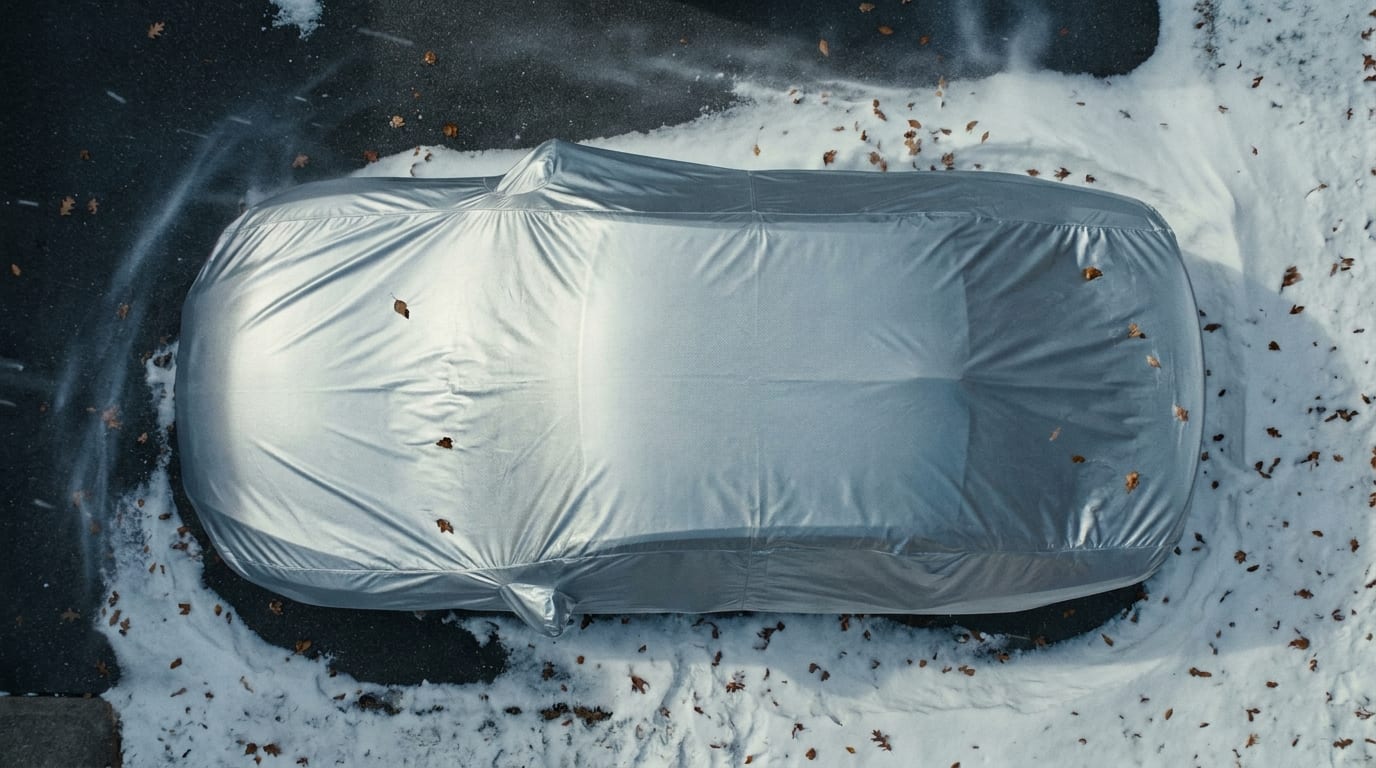
Here's roughly how the market breaks down by tier:
| Tier | Price Range | Best For |
|---|---|---|
| Basic / economy | $50 to $100 | Garage storage, mild climates, short-term use |
| Mid-range / deluxe | $100 to $250 | Mixed indoor/outdoor parking, varied weather |
| Premium / platinum | $250 to $400+ | Daily outdoor exposure, harsh climates, year-round use |
Basic covers use a single layer of fabric and do fine if the Challenger lives in a garage most of the time. They're not built to handle sustained rain or sun, so don't expect one to hold up parked outside through a summer.
Mid-range covers add layers and moderate UV and water resistance, which is the right call for a Challenger that spends some nights outside but isn't exposed to the elements every single day.
Premium covers are heavy-duty: thicker multi-layer construction, full UV and waterproof protection, reinforced seams, and wind resistance built for cars that live outside full-time. If you're in a region with real seasons, hail, or long stretches of direct sun, this is the tier that actually pays for itself.
One thing worth flagging: windshield-only or half covers for sun protection are a separate, cheaper category. They're fine as an add-on for glare, but they're not a substitute for full-body coverage if the car's parked outdoors regularly.
Custom-Fit vs. Universal Covers: Is the Extra Cost Worth It on a Challenger

Universal covers are the budget option, and they look like a deal right up until wind gets underneath the loose fabric. On a car with the Challenger's long hood and wide stance, a baggy cover flaps in the wind, and that flapping rubs against the clear coat over time. It's a slow kind of damage, but it's real.
Custom-fit covers cost more upfront because they're cut to the Challenger's actual dimensions. Less loose fabric means less flapping, which means less abrasion and better resistance to wind and water getting where they shouldn't. Use a sizing tool before you buy either kind, because an ill-fitting cover, custom or not, defeats the purpose.
Here's how I'd frame the decision: if the Challenger is a daily driver parked outside, the custom fit earns its keep. If it's a weekend car that mostly sits in a garage, a well-made universal cover in the mid-range tier is probably enough. You don't need to overspend on fit precision for a car that rarely sees weather.
What's Included in the Price (and What's Not)
Sticker price doesn't always tell the whole story. Check whether straps, a storage bag, and a grommet for a cable lock are bundled in, because those add-ons change the real cost of ownership. A $90 cover that needs a $25 strap kit and a $15 bag isn't actually cheaper than a $120 cover that includes both.
Warranty length matters here too. A cover backed by a longer warranty usually reflects better stitching and materials, and it's a decent proxy for how long the thing will actually last outdoors. Worth checking the warranty terms before you assume the cheaper option is the better deal. A cover that needs replacing after one season isn't saving you money, it's just moving the cost down the road.
Shipping and return policy terms matter too, more than people think. A cover that's $20 cheaper but charges $30 for shipping, or has a restrictive return window if the fit's off, isn't actually the better deal. Compare total landed cost, not just the number on the product page.
Cheap Cover or Tarp vs. a Proper Car Cover: Long-Term Cost
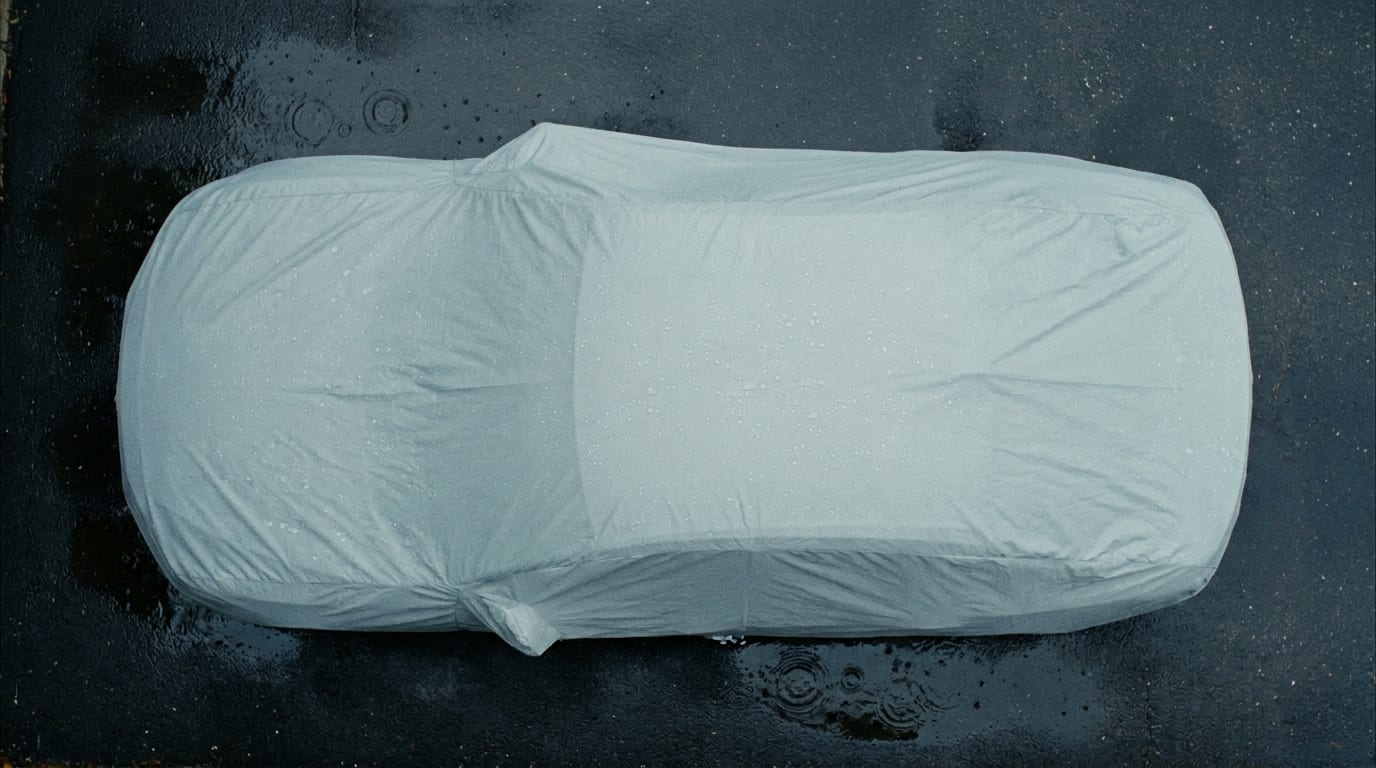
Here's where I'll push back on the "just use a tarp" instinct. A tarp costs less at checkout, sure. But it has no soft interior lining, and that rigid material rubbing against the Challenger's clear coat in the wind will leave fine scratches over time. You won't notice it after one use. You'll notice it after a season.
Run the math on the alternative: a $150 to $250 cover lasts years if it's rated for your climate. A scratched clear coat means paint correction, which runs well past what you saved buying the tarp in the first place. If you want the longer version of this argument, here's a deeper look at tarps versus proper car covers.
For anyone keeping the Challenger more than a season or two, a mid-to-premium tier cover is the better long-term value. It's not close, really. The cover's cost is a one-time expense. Paint damage is a recurring one.
Choosing the Right Cover for Your Budget
Quick framework, based on how and where the car actually lives:
- Garage-only, short-term storage: basic tier, $50 to $100
- Mixed indoor and outdoor parking: mid-range, $100 to $250
- Daily outdoor exposure or a harsh climate: premium tier, $250 to $400+
Before you buy anything, run the car's dimensions through a fit and sizing guide. A cover that doesn't match the Challenger's actual length and width wastes money no matter which tier you pick, because loose fabric undoes whatever weatherproofing you paid for.
If you're keeping the car in a garage most of the time, an indoor cover built for breathability and dust is the smarter spend, you don't need UV protection you'll never use. And if you're curious what covering a vehicle actually protects against long-term, from paint fade to interior heat buildup, our Dodge maintenance cost guide covers some of the related upkeep costs worth knowing before you budget for a cover at all.
Wrap-Up
So, how much is a car cover for a Dodge Challenger? Expect $50 on the low end for basic indoor protection, up to $400 or more for a premium outdoor cover built to take a beating. Most owners land in the middle, and that's usually the right call unless your climate or parking situation pushes you toward one extreme.
If you're still narrowing down the right fit and price tier for your specific Challenger, it's worth browsing the full range of options and subscribing for more guides like this one before you commit to a purchase.
