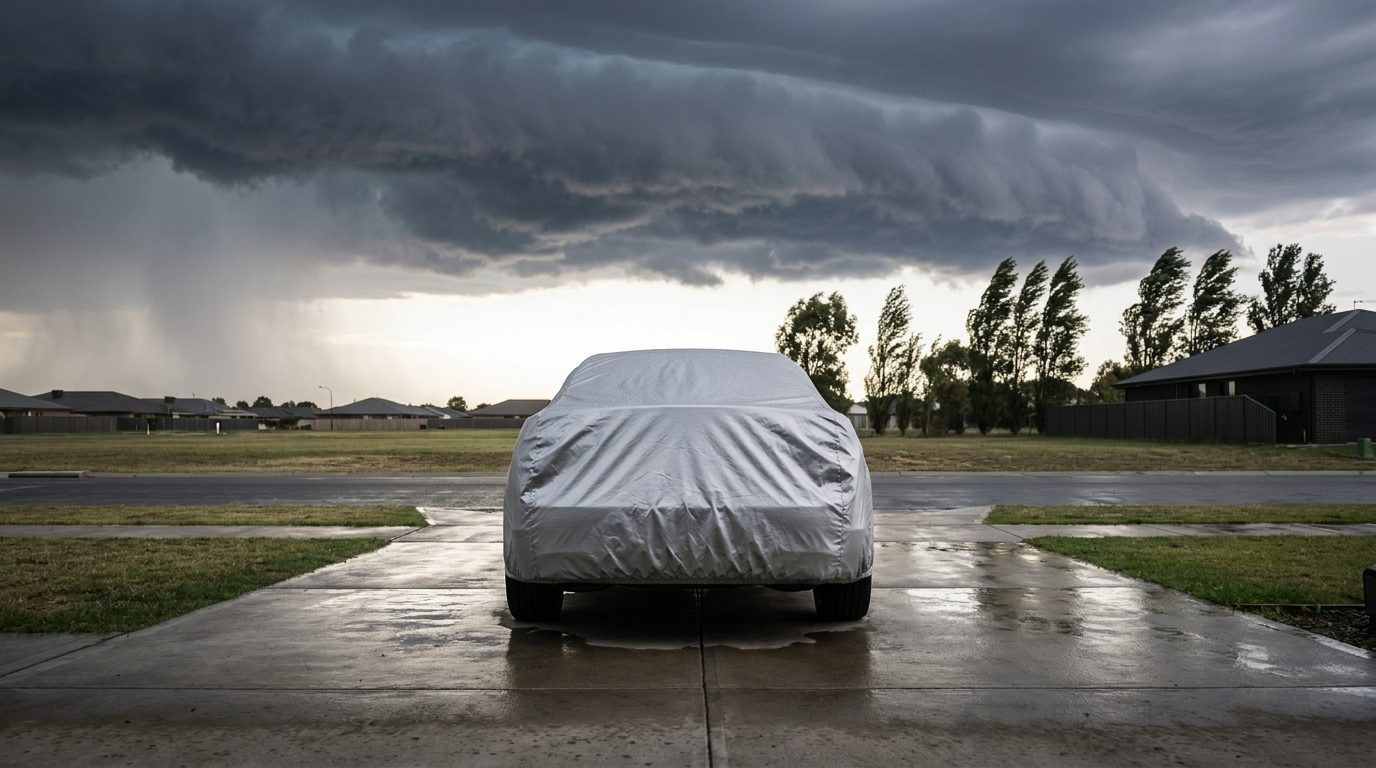
As a car owner that wants to keep their vehicle looking great, the time it takes to wash, dry, dust etc. can feel almost not worth it. Maybe you miss this here or there, and then you become used to your car being less kept up than you originally had hoped. There is another option that can save time and water, a cover.
With so many options available, from fit to type of material, without doing research beforehand, you may come to find that what you purchased, isn't what you were expecting. We have outlined specifically the types of material you can most expect to find when looking for a cover, so you can make a more informed decision when making your purchase.
- Oxford type covers, while heavier than some other options, can be a strong all around choice across many climates and kinds of weather.
- Nylon: good durability and tear resistance, but low UV resistance.
- Oxford: great durability with mildew resistance.
- PVC: strong durability, water-resistant but not breathable.
Durability
It is important when spending money on anything, to know what the average expected "life" of the product is going to be. You may be willing to pay more for something that is expected to last longer. This is no different with a car cover.
Nylon: Good durability and tear resistance, but low UV resistance.
Designed to withstand rough weather conditions, these covers can provide reliable protection for your vehicle. However, while they excel in durability, it's important to note that nylon covers may not offer the same level of UV resistance as some other materials on the market. These covers are usually lighter in weight, making them easy to install, remove and store. Prolonged use of this cover in extreme sun, due to the material, can cause the nylon material to degrade over time, impacting its ability to protect the vehicle underneath.
Oxford: Great durability with mildew resistance.
Constructed from tough materials, Oxford covers are known for their durability. These covers are built to withstand outdoor environments, including resistance to mildew, making them a choice for car owners looking for long-lasting protection. Due to the construction of this cover, the woven fabrics and materials used, can make this cover heavier, and more cumbersome to install, remove and store.
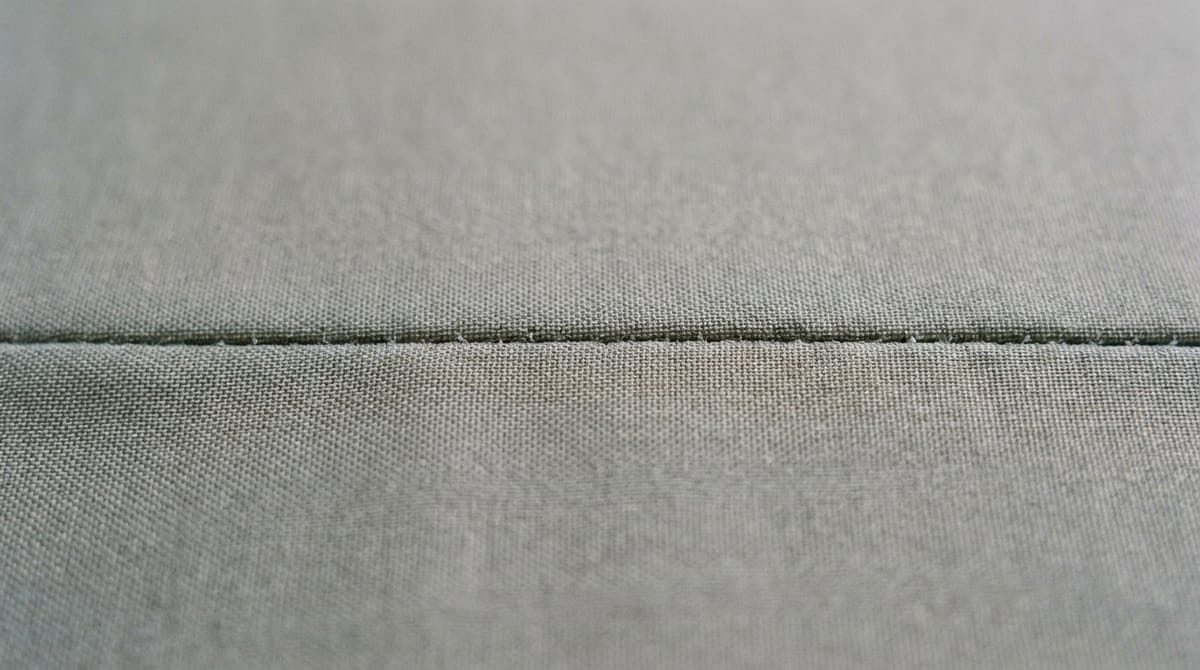
PVC: Strong durability, water-resistant but not breathable.
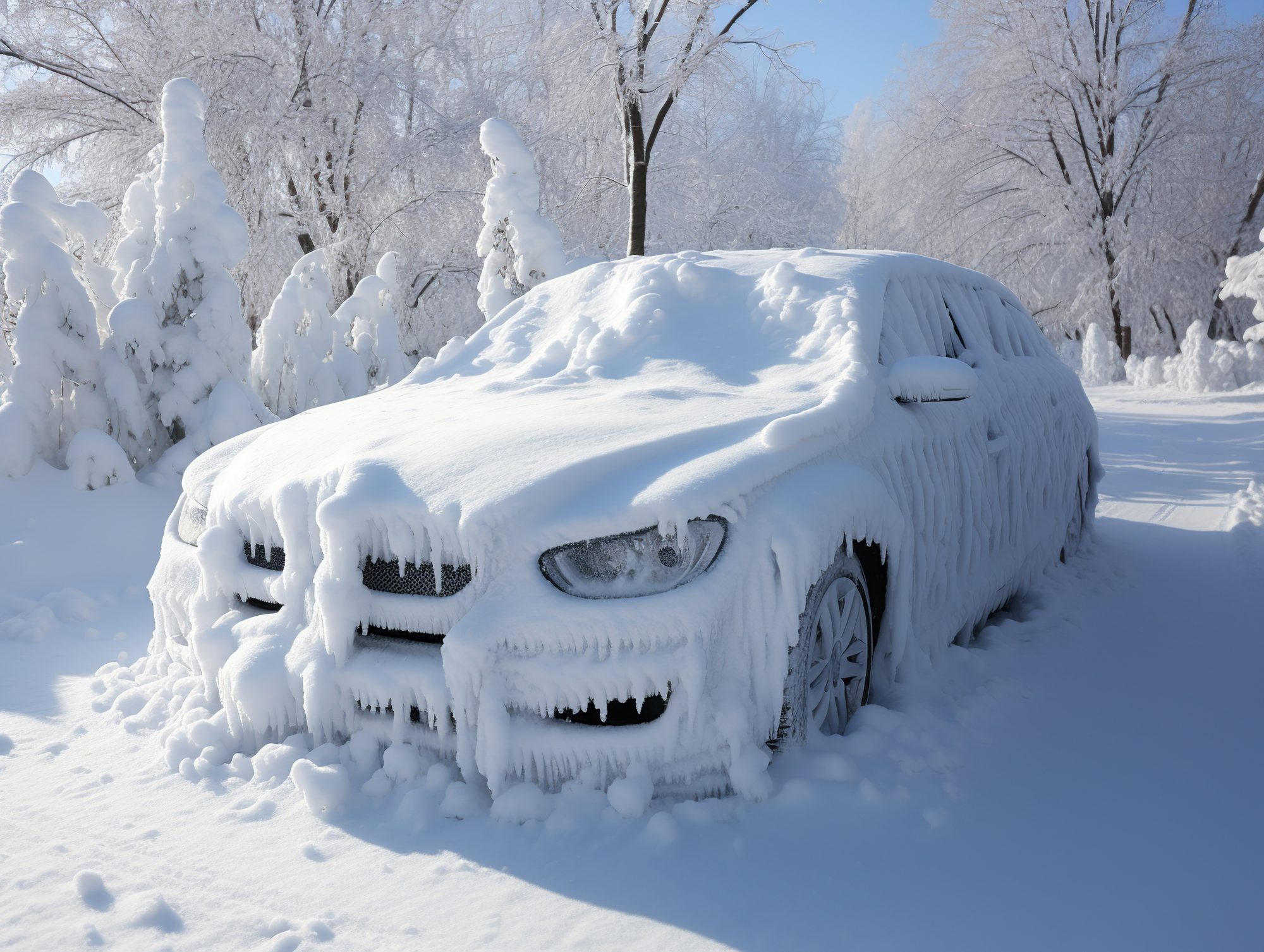
Water-resistant and capable of withstanding extreme weather conditions like rain, snow, and various environmental elements, PVC covers can provide robust defense for your vehicle. However, PVC covers may not offer the same level of breathability as some alternative materials, which could impact moisture regulation under the cover.
Find a cover matched to your exact car
Weather resistance
Resistance to harsh weather can not only determine the protection you can expect from the cover, but also the quality of the cover itself, leading to a lengthier lifespan of the cover itself. This is another aspect of covers that need to be considered when comparing the cost of the cover, and worthiness of your purchase.
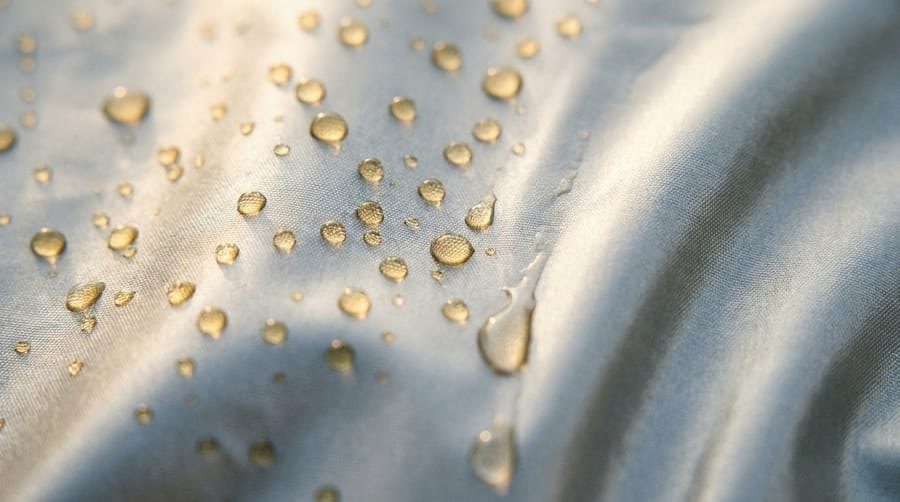
Nylon: Good water resistance, and protection from dust and dirt.
As mentioned earlier, the UV resistance of this cover is not as high as other materials. So if you live in a climate with little sun, and frequent rain, this is a good choice when looking at what material is best for you and your needs.
Oxford: Great UV resistance, and protection from rain and snow.
A suitable choice for a variety of types of weather, sunny or wet climates this can be a great all around cover. This cover can do well in rainy and snowy climates like Seattle or Chicago.
PVC: Strong rain and snow protection, and great UV protection.
Often treated with a UV resistance coating, and being among the least water penetrable materials, these covers are known for great all around weather protection. Their one drawback is the lack of breathability. Trapped moisture under the cover caused by condensation can lead to moisture buildup under the cover. Where there is moisture, problems can arise, mold, mildew and rust to name a few.
Breathability/ventilation
Moisture trapped under a cover can lead to not only damage to your vehicle, but also to the cover itself. Water can get through the material, in various ways, but allowing the moisture to escape is just as important as keeping as much as you can out in the first place.
Nylon: Coated, tightly woven fibers make these covers great for keeping water out, but also trapped under.
The very thing that makes this cover a good alternative in wet climates, is the reason why water is retained.
PVC: Their high water resistance keeps water from being able to evaporate, trapping water underneath.
Being among the most water resistant of all the fabrics we are discussing, also leads to being among the most likely to trap moisture.
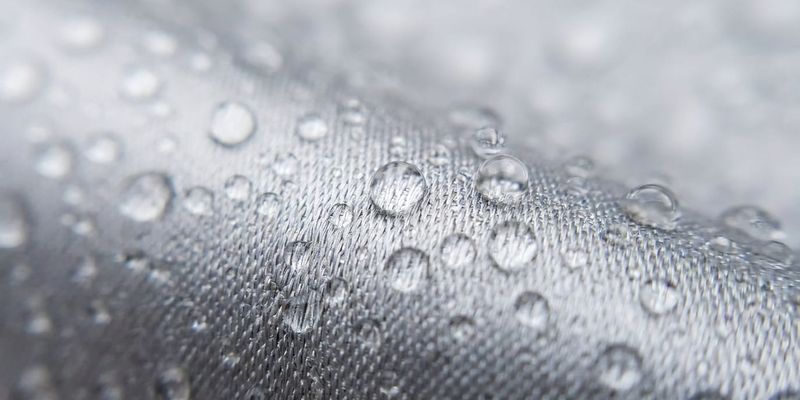
What water-repellent means on a car cover
Regardless of which type of material you find is best for you and your location, don't forget to consider another aspect, fitment. There are different sized vehicles, and types of vehicles, so make sure that you get a cover that fits well, or the material will be the least of your worries.
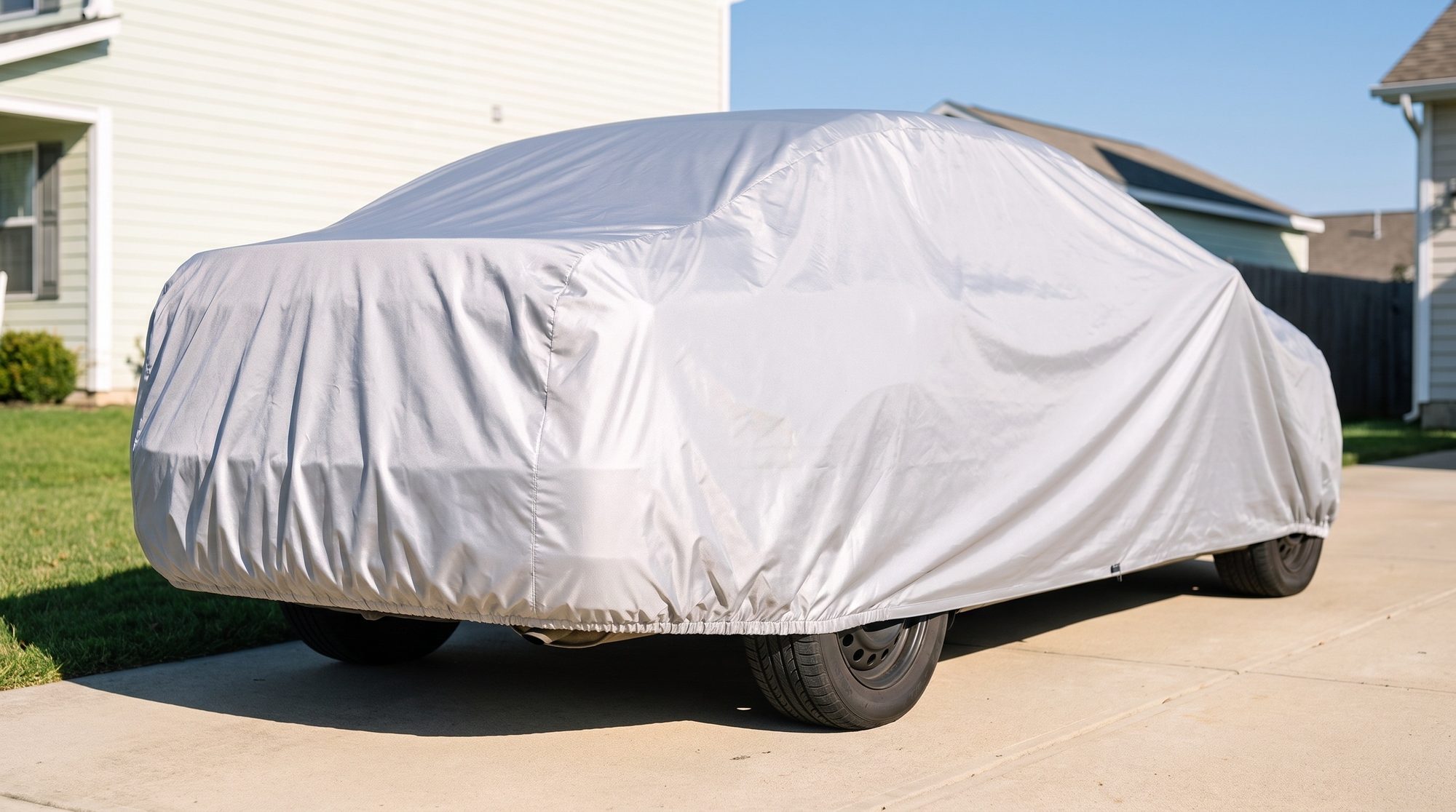
Keep it under the AllGuard Platinum Shield.
Breathable silver 300D polyester (D is denier, a measure of yarn weight) with a polyurethane and UV treatment and a fleece liner. Matched to your exact car.
Sources (16)
- Nylon is more susceptible to UV and chemical degradation than polyesters, and polyester has high UV resistance and high abrasion resistance. en.wikipedia.org
- Nylon's physical properties can change with moisture absorption, while polyester has low absorbency and dries quickly. en.wikipedia.org
- Nylon fiber has remarkable abrasion resistance and excellent strength, and it is hygroscopic, which means it absorbs moisture. ballyribbon.com
- Polyester fiber is abrasion resistant and high in strength, resists mildew and absorbs little moisture. ballyribbon.com
- Nylon is less dense than polyester, about 1.15 grams per cubic centimeter against 1.38. en.wikipedia.org
- Oxford is a woven basket-weave fabric with a heavier weave. en.wikipedia.org
- Cotton or nylon coated with wax, silicone or polyurethane, such as silnylon, blocks both liquid water and water vapor, so it is not considered breathable. en.wikipedia.org
- Fabrics woven densely enough to stop water passing through the pores, with no membrane or coating, still let vapor through; it is the coating that blocks vapor. en.wikipedia.org
- PVC fabric is water-resistant and used for its weather-resistant qualities; PVC is known for strong resistance against chemicals, sunlight and oxidation from water, and PVC compounds can include UV stabilizers. en.wikipedia.org
- A breathable cover lets moisture escape, and a cover that cannot release moisture lets condensation build up, which can promote corrosion and mold growth. jalopnik.com
- A cover removes the risk of contaminants such as bird droppings, dirt and tree sap damaging the paint, and means you do not have to clean the vehicle as often. jalopnik.com
- A loose cover can flap against the paint, and one that is too tight can strain the car, so fit matters. jalopnik.com
- Conservators advise covering vehicles in storage with a breathable, water-resistant cover. nps.gov
- Chicago averages 38.4 inches of snow a year. weather.gov
- Seattle averages 150 days a year with at least 0.01 inch of precipitation, and has a reputation for frequent rain. en.wikipedia.org
- The D in 300D stands for denier, a measure of yarn weight: grams per 9,000 meters of thread. en.wikipedia.org