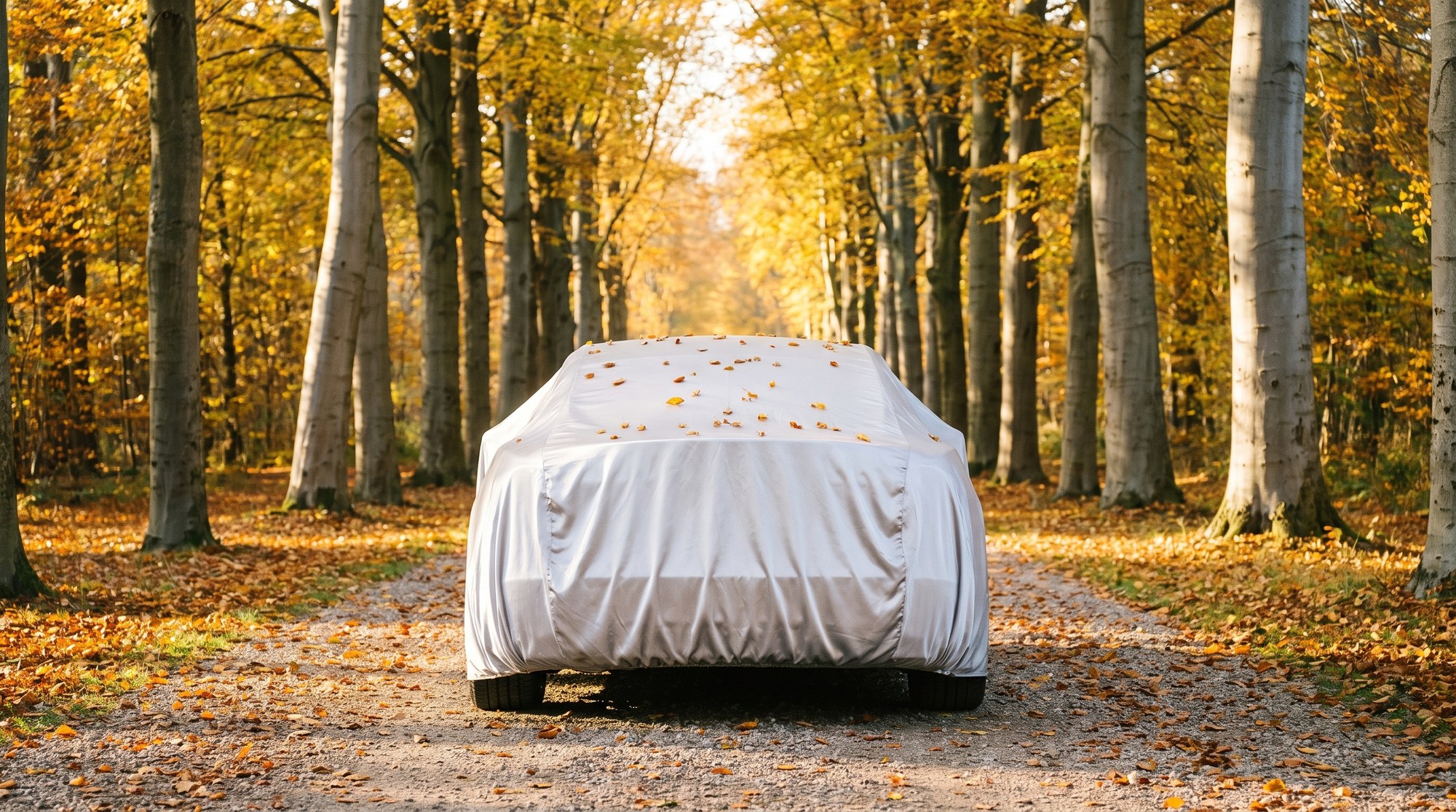
Fall puts three things on a parked car's paint: sap from the branches overhead, leaves that settle and stay, and the season's first storms of wind and rain. None of it takes much to deal with. What matters is timing. Sap, leaves and grit do the least harm when they come off before they have had time to sit, and the prep that makes that easy happens before the leaves start coming down, not after.
- Get sap off as soon as you see it. Heat makes it stick harder, and Consumer Reports warns it will eventually eat through the paint.
- Clear leaves by hand or with a blower, not a broom. Left to pile up, they clog drainage points, and their residue can damage the clear coat.
- Rinse after wind and rain, then towel-dry. The rinse lifts loose grit before anything rubs it in; air-drying leaves hard-water marks.
- Check tire pressure as the temperature drops, and have the wipers and battery ready before the weather turns.
- A cover matched to where the car sits keeps sap, leaves and grit off the paint while it's parked.
The seven steps
These cover the season end to end, from the first wash to the cover. Most take only a few minutes. Dealing with sap and leaves before they sit is the habit that saves the most work later.
Wash and wax before the leaves start
Start the season with a clean, dry car. A wash takes off summer's dust and pollen, and a coat of wax adds a protective barrier over the paint. AAA lists waxing the exterior among its steps for getting ahead of winter, as a barrier that helps the paint hold up to the weather ahead.
Starting clean also makes the rest of the season easier to manage: anything that lands on the paint from here on is easier to spot and deal with early.
TipWax doesn't last all season. Most of the waxes Consumer Reports tested showed a significant loss of protection within about five weeks, and it recommends waxing even a new car every two or three months.
Get tree sap off before it sets
AAA warns that sap is acidic, and that sap riding down on falling leaves could put the paint at risk. Consumer Reports' advice is to get it off as soon as possible: heat makes sap stick harder, and left long enough it will eventually eat through the paint. Wash the area first so you aren't grinding dirt into the finish, then dab the sap with rubbing alcohol on a cloth. If that doesn't lift it, use a tree-sap or bug-and-tar remover, testing it on a small spot first. Wash the spot again afterward and give it a fresh coat of wax. And when you can, park away from overhanging branches.
Clear leaves off before they sit
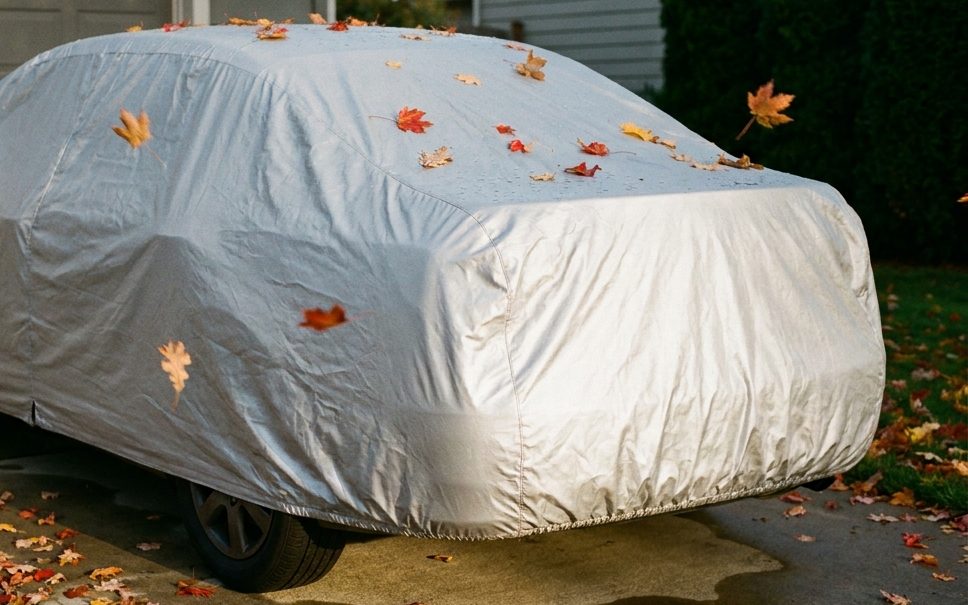
A few leaves on the hood look harmless. AAA points out that as leaves build up in the undercarriage and body panels, they clog drainage points or accelerate corrosion, and that residue from leaves, sap and pollen can damage the clear coat quickly. Clear them by hand or with a blower, not a broom or brush, which AAA calls abrasive to paint. Check the gap between the hood and the windshield too: wet leaves left there can drip moldy water into the cabin.
Rinse and dry after wind and rain
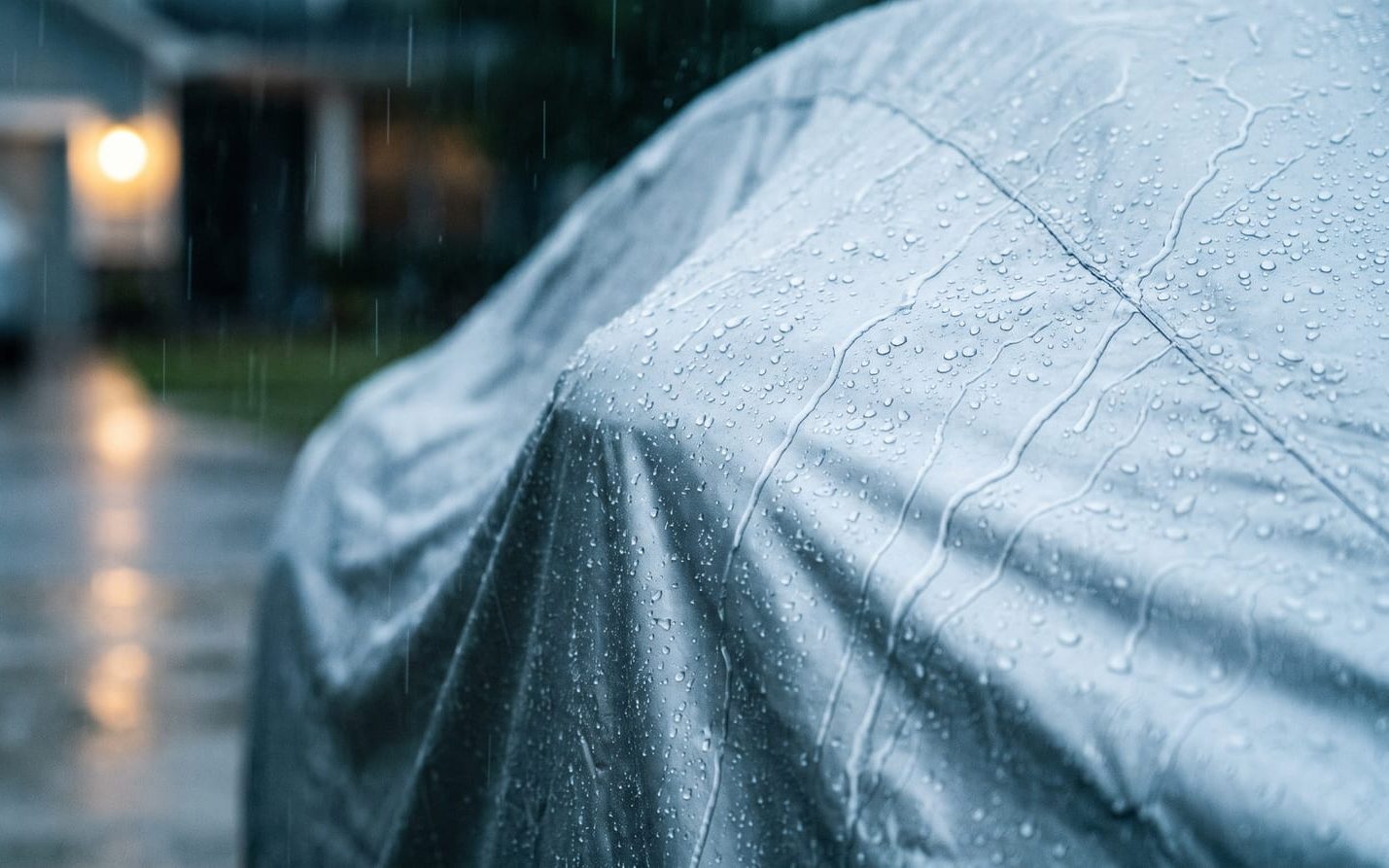
Wind leaves a film of dust and grit on the paint, and grit scratches when something drags it across the finish: a sponge, a dry towel, a sleeve brushing past. So rinse before you touch it. Consumer Reports' advice before any hand wash is to rinse all surfaces thoroughly first, to remove loose dirt and debris that could cause scratching. Then dry the car with a chamois or soft terry towels rather than letting it air-dry, which Consumer Reports notes leaves watermarks from the minerals in hard water.
Check tire pressure as the temperature drops
As the temperature drops, so does tire pressure: AAA says typically by about 1 psi for every 10°F. A tire that was right in September can be a few psi low by the first cold snap. Check it against the sticker on the driver's door jamb or the owner's manual, not the tire itself; as Michelin puts it, the recommended pressure is not on the sidewall. While you're down there, check the tread. AAA recommends replacing tires once the tread reaches 4/32 of an inch. Slip an upside-down quarter into a groove, and if you can see all of Washington's head, it's time to shop.
Get the wipers and battery ready
Fall storms are a good test of the wipers. AAA's rule is that the blades should clear the glass completely with each swipe: replace any blade that leaves streaks or missed spots, and fill the washer fluid reservoir. Have the battery and charging system tested while you're at it. AAA notes that a fully charged battery in good condition is required to start an engine in cold weather, so the time to find a weak one is before the temperature drops.
Cover it, matched to where it sits
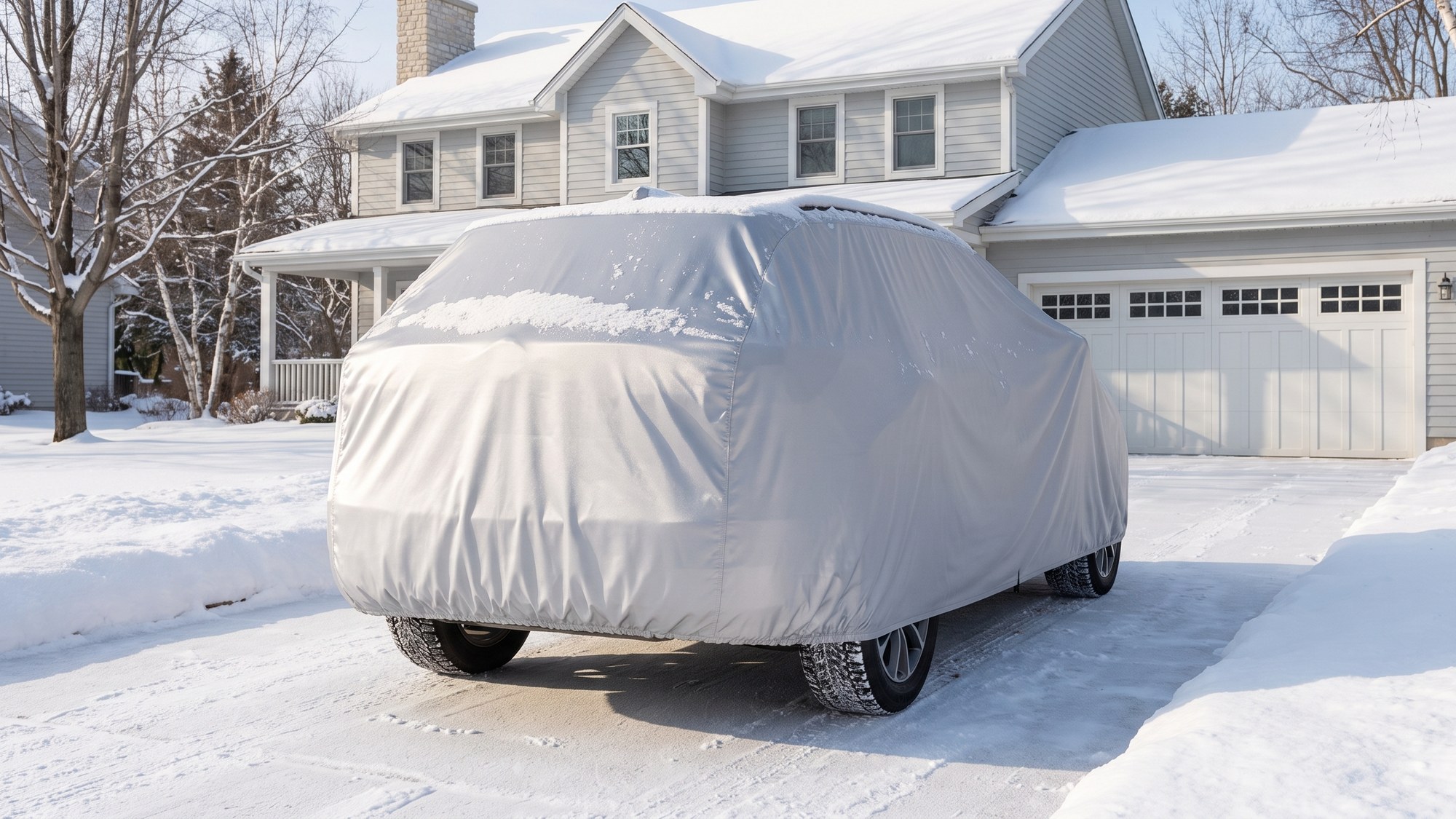
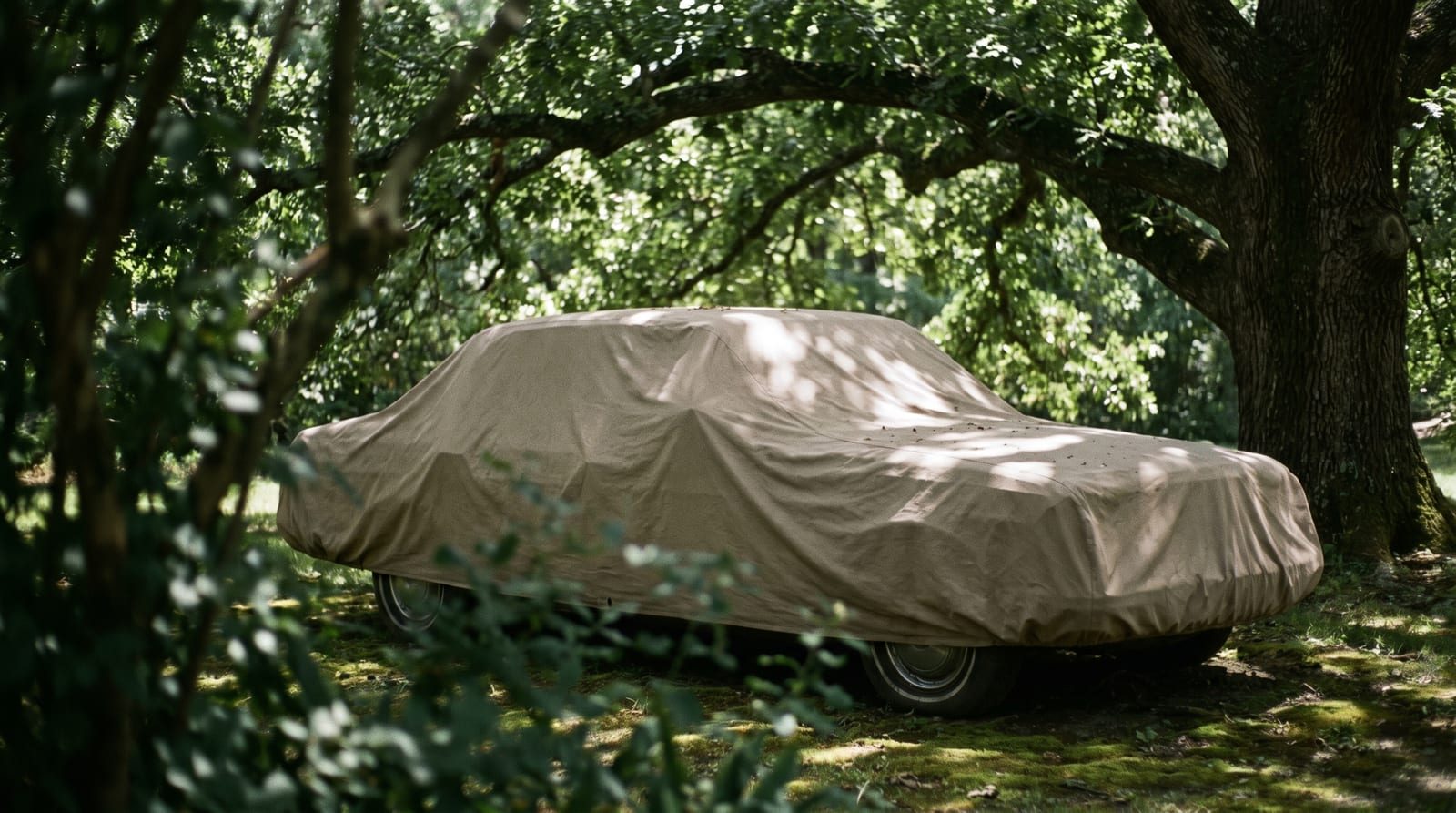
Everything above buys time between washes. A cover matched to the car keeps sap, leaves and blowing grit off the paint while it's parked. Match it to where the car actually sleeps: a garage calls for something soft that won't scuff the finish, and a driveway calls for a water-resistant cover that sheds weather and still breathes underneath. Put it on over a clean car, so the cover isn't resting on grit.
Choosing the cover for fall
The right cover depends on the same question it always does: does the car sleep indoors or out? A car in the garage mostly needs protection from dust and the knocks of a busy space. A car on the driveway takes the season head on: sap, leaves, wind and rain. It needs a cover built for that.
| AllGuard Satin Protect | AllGuard Platinum Shield | |
|---|---|---|
| Where it belongs | Garage, shop or showroom | Driveway, carport or open lot |
| Outer | Black stretch satin, 85% polyester and 15% spandex | Breathable silver 300D polyester, polyurethane and UV treated |
| Against the paint | Sheared fleece interior | Fleece liner |
| Rain | Not for outdoor use. Indoors only | Water-resistant |
| Price | $189.99 | $199.99 |
Every cover includes the AllGuard Protection Warranty.
Keeping up with it through the season
A clean car and a clean cover aren't a one-time job in fall. A few small habits, done weekly rather than once a season, keep sap, leaves and storm residue from turning into a bigger cleaning job later.
- RinseAfter real wind or rain, rinse the car before anything touches the paint, then dry it with a soft towel.
- ClearClear leaves from the hood, the roof and the gap below the windshield by hand or with a blower, never a broom.
- WipeGet sap and bird droppings off as soon as you spot them. Heat makes sap stick harder the longer it sits.
- CheckTire pressure drifts as the temperature swings. Check it against the door-jamb sticker once a month.
Questions owners ask
Does tree sap really damage car paint?
It can. AAA warns that sap is acidic, and Consumer Reports' chief mechanic says to get it off as soon as possible because it will eventually eat through the paint, especially as the days warm up. Wash the area, then try rubbing alcohol on a cloth before moving on to a dedicated tree-sap or bug-and-tar remover.
How often should I clear leaves off my car?
Whenever they build up. AAA's advice is to remove them immediately: piled-up leaves clog drainage points or accelerate corrosion, and leaf residue can damage the clear coat quickly. Use your hands or a blower rather than a broom or brush, which are abrasive to paint.
Should I wash my car after it rains?
A rinse after a storm is worth it, done in the right order. Rinse before anything touches the paint, so loose grit is carried off instead of rubbed in, then dry the car with a chamois or soft towel. Consumer Reports notes that letting a car air-dry leaves watermarks from the minerals in hard water.
How much air pressure do my tires lose when it gets cold?
About 1 psi for every 10°F the temperature drops, according to AAA. It adds up as fall turns to winter, so check the pressure against the sticker on the driver's door jamb once a month, as Michelin recommends, not just when a tire looks low.
Can I use an indoor cover on a car parked outside in fall?
No. AllGuard Satin Protect is built for a garage floor and is not built for outdoor use. A car that spends any part of fall outside, even under a carport, needs a water-resistant outdoor cover like the Platinum Shield.
Give it one cover for the whole season.
The Platinum Shield is water-resistant and built to live outside through fall. AllGuard Satin Protect keeps dust and knocks off a car in the garage. Both are matched to your exact car.
Sources (9)
- Waxing the exterior is one of AAA's winter-prep steps: a protective barrier that increases the durability of the paint against winter elements. acg.aaa.com
- As leaves build up in the undercarriage and body panels they clog drainage points or accelerate corrosion; sap on falling leaves could put the paint at risk because it is acidic; remove building leaves immediately. acg.aaa.com
- Leaf wax, sap, pollen and acid can damage the clearcoat quickly; remove leaves by hand or blower because brooms and brushes are abrasive to paint; de-leaf the gully between hood and windshield, where wet leaves can drip moldy water into the car; avoid parking under trees. acg.aaa.com
- Get sap off as soon as possible because it will eventually eat through the paint, especially as the days warm up; heat accelerates how it sticks; wash first, then rubbing alcohol on a cloth, then a tree-sap or bug-and-tar remover tested on a small spot; wash and wax afterward; bird droppings act similarly. consumerreports.org
- Rinse all surfaces before washing to remove loose dirt and debris that could cause scratching; don't let the car air-dry, which leaves watermarks caused by minerals in hard water; dry with a chamois or soft terry towels. consumerreports.org
- Tire pressure drops typically 1 psi for every 10°F; the proper pressure is in the owner's manual or on the driver's door jamb sticker; have the battery and charging system tested, since a fully charged battery in good condition is required to start an engine in cold weather; blades should clear the glass with each swipe, replace any that streak or miss; fill the washer fluid reservoir. newsroom.acg.aaa.com
- Replace tires once the tread reaches 4/32 inch; tires worn to 4/32 inch took an average of 87 feet longer to stop on wet pavement at highway speed than new tires; the upside-down quarter test. newsroom.aaa.com
- Most waxes tested showed a significant loss of protection within about five weeks; wax even new cars every two or three months. consumerreports.org
- Tires can lose 1 to 2 psi per 10°F; check pressure once a month; the recommended pressure is not on the sidewall but on the sticker on the driver's door pillar or in the owner's guide. michelinman.com