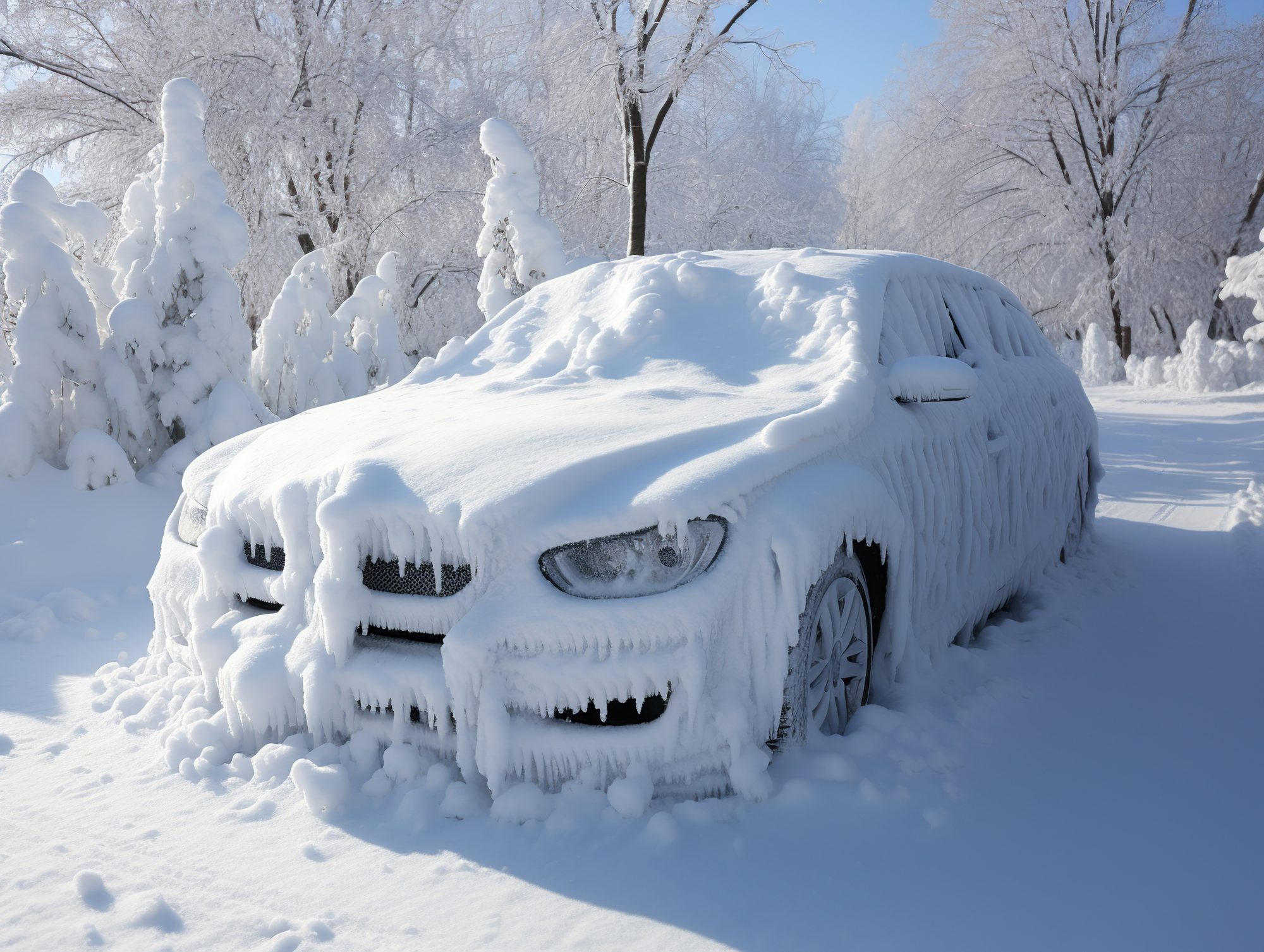
Winter doesn't damage a car all at once. It's salt working into the brake lines over a season of short trips, moisture freezing inside a door seal overnight, and a battery that was already tired before the first hard freeze. None of it announces itself the way a cracked windshield does, so by the time it's obvious, it has usually been building for weeks. A handful of habits, most of them quick, are what keep salt, snow and hard cold from turning into a repair bill.
- Salt is the real threat. It holds moisture and corrodes brake lines, the frame and the suspension, out of sight underneath the car. Wash it off, undercarriage included, every couple of weeks.
- Moisture trapped in the rubber door seals freezes and can stick a door shut. A thin coat of glycerin-based moisturizer keeps the seal from bonding to the frame.
- Cold cuts battery power hard: about 35% at 32°F, 60% at 0°F. Get it tested before the real cold sets in.
- Clear the snow off the whole car, roof included. Snow left on the roof can slide over your windshield or onto the drivers behind you. Use a soft brush, never a shovel.
What winter is actually doing to the car
Three things do most of the damage, and none of them look like much in the moment.


Road salt is the one that costs money. It holds moisture and acts as a corrosive agent, and the rust it speeds up can weaken structural parts, brake lines and the suspension, underneath the car where it's easy to miss. Repairing it is usually not covered by insurance, since corrosion counts as normal wear and tear. Snow and ice matter for where they end up: snow left on the roof can slide over the windshield or onto the drivers behind, and the salty slush the tires throw up splashes onto the underside. Cold temperatures freeze the moisture trapped in the rubber door seals, which can stick a door shut, and they put real strain on a battery, especially one already close to the end of its life.
Six habits that hold the damage off
None of these take long on their own. It's skipping one, usually the wash or the battery check, that turns into the expensive kind of winter.
Wash off the salt, especially underneath
Salt does its worst work where you can't see it. AAA's advice is to wash the car every two weeks during winter, and more often after a heavy snowfall or a drive on heavily salted roads, with the undercarriage as the priority. Consumer Reports puts it at a monthly minimum during snow season, more if the car is coated in salt, and calls the underbody spray a worthwhile upgrade even when it costs extra.
A touchless wash that cleans the whole car, undercarriage included, is Consumer Reports' pick. It reaches underneath, where the salt collects.
TipRinse the loose salt off before you wash. AAA says it protects the paint.
Add a layer of wax before the season gets going
Wax creates a barrier on painted surfaces that makes it harder for salty slush to stick, per AAA, and a fresh coat before winter helps shield the paint from salt and moisture. It's not a cure: AAA is direct that wax does not prevent rust entirely, it only slows corrosion, so it's a supplement to washing and not a substitute for it.
Keep the door seals from freezing shut
The rubber seals around the doors can trap moisture that freezes, which is what sticks a door shut on a cold morning. AAA Club Alliance's fix is a thin layer of glycerin-based moisturizer on the seal, which keeps it from sticking to the frame and freezing shut in the first place. Do the trunk seal while you're at it, and do it before the first hard freeze, not after a door is already stuck.
Get the battery tested before the cold really hits
Cold cuts a battery's output hard. AAA puts the loss at about 35% of a battery's strength at 32°F, and about 60% at 0°F, while a cold engine can need up to twice the normal current to start.
A battery already near the end of its life, which AAA puts at three to five years on average, is the one most likely to give out on the coldest morning of the year. Have it tested before temperatures drop, not after it fails to start.
Clear the snow off the whole car
Brush the snow off after a storm, roof included, rather than leaving it for the sun. AAA calls snow on the roof a serious driving hazard: it can slide onto your windshield or blow back onto the drivers behind you. Use a snow broom or a soft-bristled brush and work from the top down; a shovel will scratch the paint and glass.
On frozen glass, use a plastic scraper, never a metal one, and never pour hot water on the windshield, which AAA warns can crack it through thermal shock. While you're working around the car, look over the gaskets, seals and wiring where salt can seep in, since salt can corrode electrical connections; AAA's advice is to replace anything that shows wear.
Cover it when it's parked
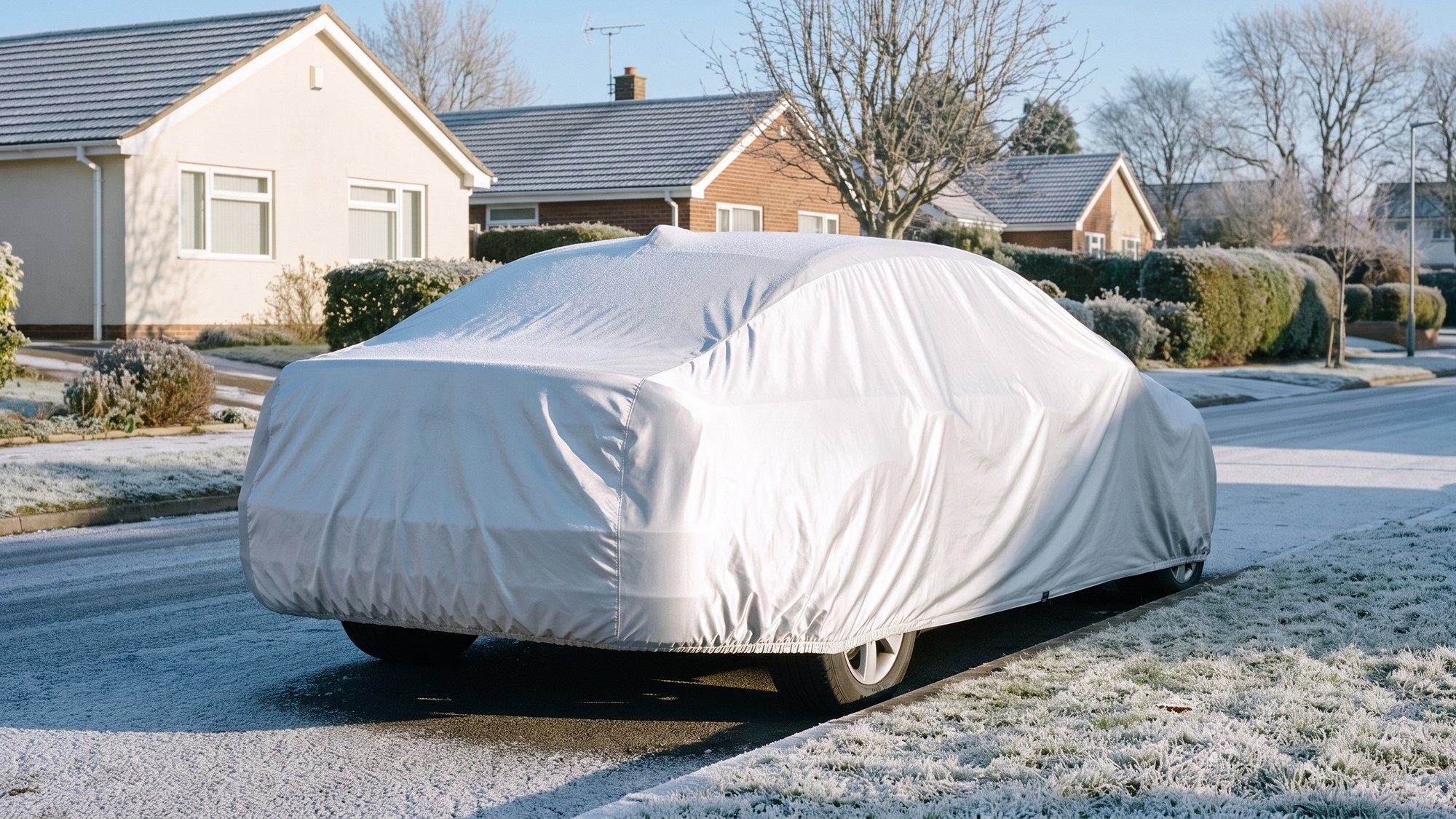
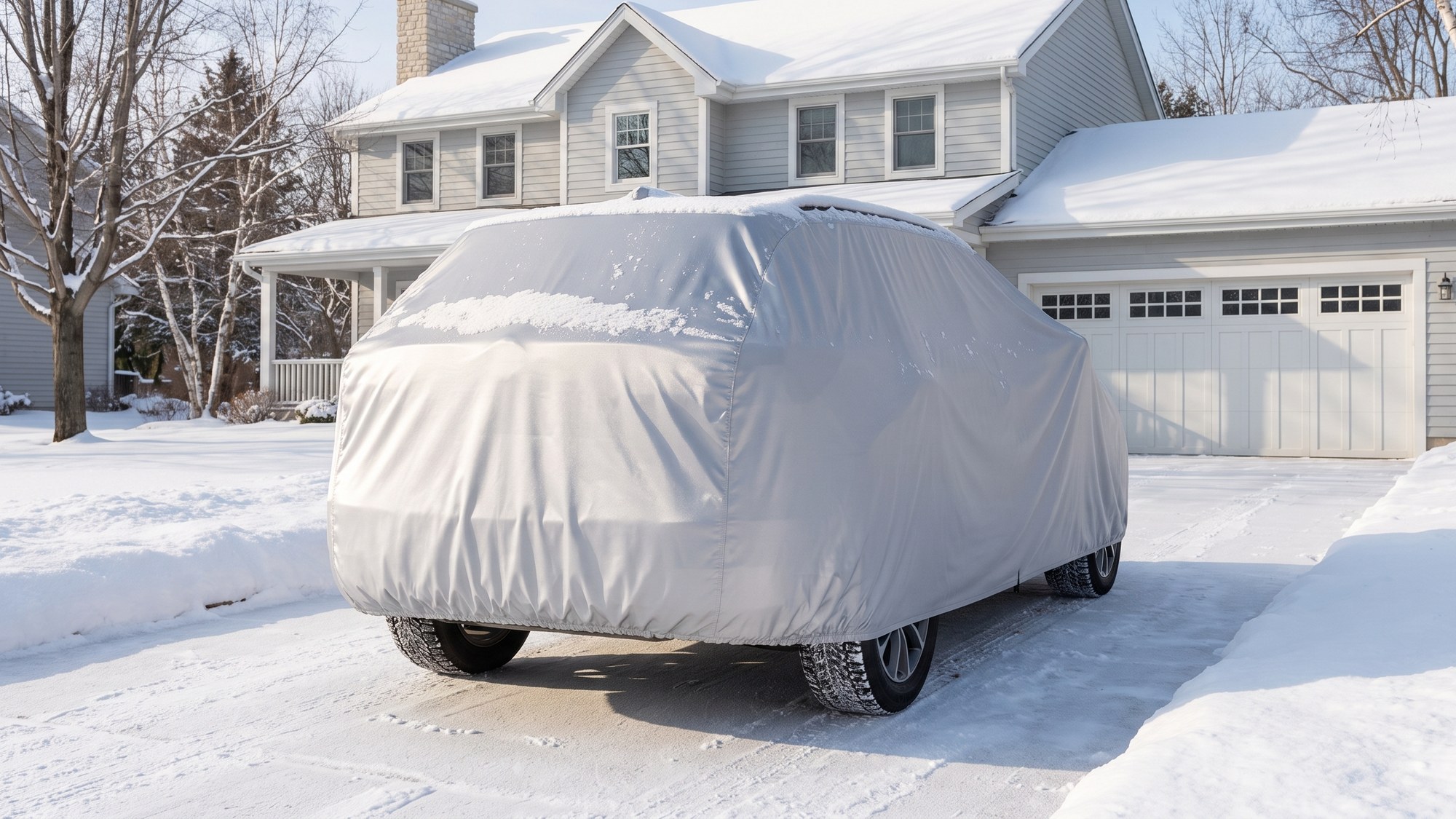
A water-resistant outdoor cover takes the falling snow and ice instead of the paint while the car sits. AAA Club Alliance counts a car cover among the ways to keep freezing moisture off the doors and locks, and it keeps ice off the windshield too. It won't do anything about the salt the car picks up on the road, so it's no substitute for the wash. Put it on over a car that's clean and dry, the same as any other season.
Garage or driveway, cover it right
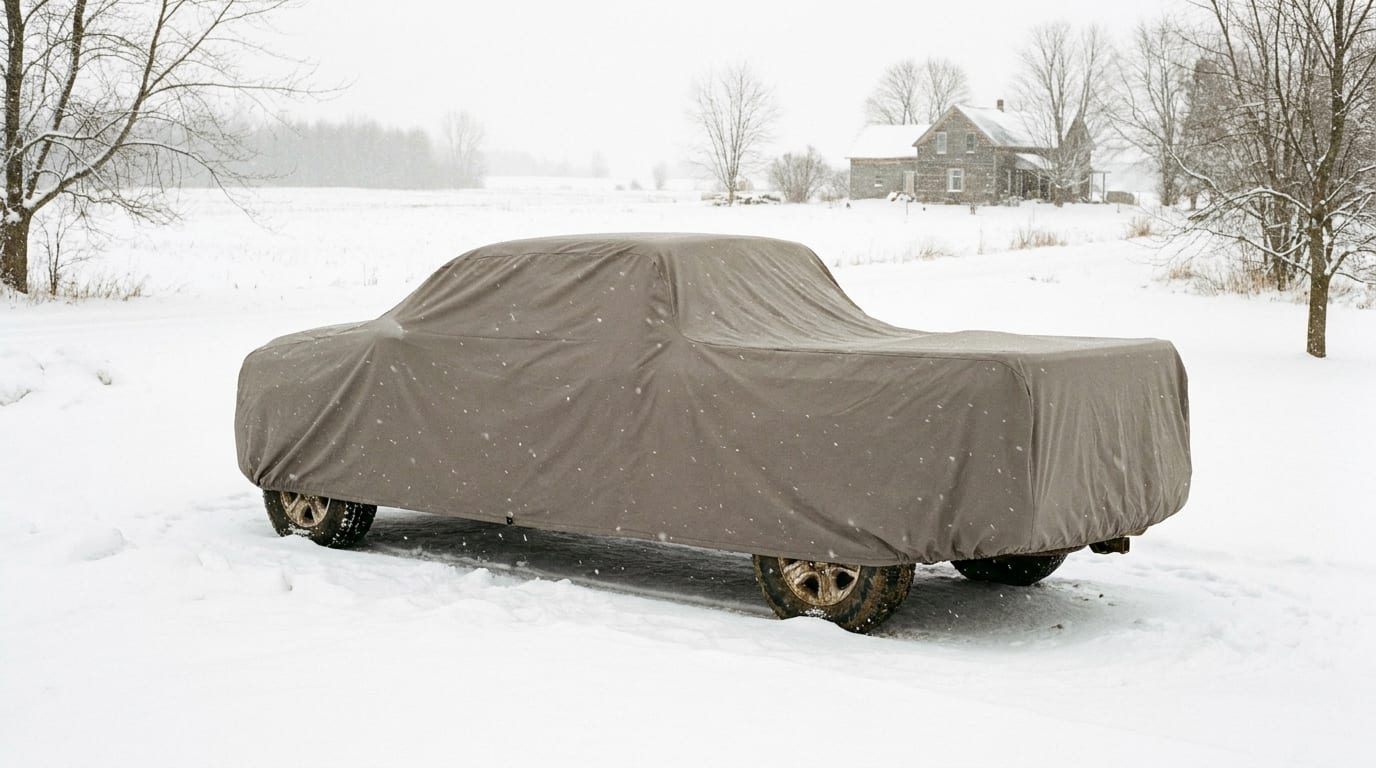
Where the car spends the winter decides which cover it needs. A garage keeps the weather off but not the dust of a busy space; a driveway or open lot adds snow, freezing rain and winter sun on top of that.
Questions owners ask
How often should I wash my car in winter to protect it from road salt?
AAA recommends washing every two weeks during winter, more often after a heavy snowfall or driving on heavily salted roads, with the undercarriage as the priority. Consumer Reports puts the minimum at once a month during snow season, more if the car is coated in salt.
What actually stops a car door from freezing shut?
A thin layer of glycerin-based moisturizer on the rubber door seals, per AAA Club Alliance. It keeps the seal from sticking to the frame and freezing shut, and it's worth doing before the first hard freeze rather than after a door is already stuck. AAA Club Alliance also counts a car cover among the ways to keep freezing moisture off the doors and locks.
How much battery power does cold weather really cost?
About 35% at 32°F and about 60% at 0°F, according to AAA, while a cold engine can need up to twice the normal current to start. A battery already near the end of its typical three-to-five-year life is the one most likely to fail on the coldest morning.
Is waxing the car before winter actually worth it?
AAA says wax creates a barrier on painted surfaces that makes it harder for salty slush to stick, and recommends a fresh coat before winter. It's not a fix on its own: wax slows corrosion, it doesn't prevent rust entirely, so it supplements regular washing rather than replacing it.
Can a car cover stay on all winter?
An outdoor cover is made to stay on through winter weather; the Platinum Shield is water-resistant and is breathable. Put it on over a clean, dry car, brush heavy snow off it rather than letting it pile up, and wash off road salt before the cover goes back on.
Get it under a cover built for winter.
Platinum Shield is water-resistant and breathable for a car that winters outside; AllGuard Satin Protect is for the garage. Both are matched to your exact car.
Sources (7)
- Rust from road salt can weaken structural parts, brake lines and suspension systems; corrosion is considered normal wear and tear and is usually not covered by insurance; wash at least every two weeks, more after heavily salted roads; prioritize the undercarriage; rinse off loose salt first to protect the paint; a fresh coat of wax before winter helps shield paint from salt and moisture. newsroom.acg.aaa.com
- Salt holds moisture and acts as a corrosive agent; wash every two weeks in winter, more after heavy snowfall; wax creates a barrier that makes it harder for salty slush to stick but does not prevent rust entirely, only slows corrosion; inspect gaskets, seals and wiring where salt can seep in and replace anything worn; salt can corrode electrical connections. acg.aaa.com
- Wash a car monthly during snow season, or more often if it's coated in salt; the underbody spray is often an added charge but a worthwhile upgrade; choose a touchless wash that cleans the whole car, including the undercarriage. consumerreports.org
- Rubber door seals can trap moisture that freezes and sticks the door shut; a thin layer of glycerin-based moisturizer keeps the seal from sticking to the frame and freezing shut; car covers can protect doors and locks from freezing moisture and keep the windshield ice-free. cluballiance.aaa.com
- A car battery loses about 35% of its strength at 32°F and about 60% at 0°F; a cold engine may need up to twice the normal current to start; average battery life is three to five years, and more vehicle electronics may skew it closer to three. hudsonvalley.aaa.com
- Snow left on the roof is a serious driving hazard: it can fall onto the windshield or back onto motorists behind; don't clear snow with a shovel, which scratches paint and glass; a snow broom or soft-bristled brush is best; start at the top and work down. magazine.northeast.aaa.com
- Hot water can crack a windshield through thermal shock; use a plastic scraper, never a metal one, which can scratch the glass. aaa.com