A car cover does its job quietly. It sits over the car through sap season, pollen season and the odd bird incident, and most owners never think about the cover itself until it looks tired: dusty, stiff in the folds, maybe stained where something sat too long. None of that means the cover is worn out. It usually means it has never been washed the right way. The fabric that makes a cover worth having, the stretch in an indoor cover or the water-resistant coating on an outdoor one, is exactly what hot water, the dryer or fabric softener can damage.
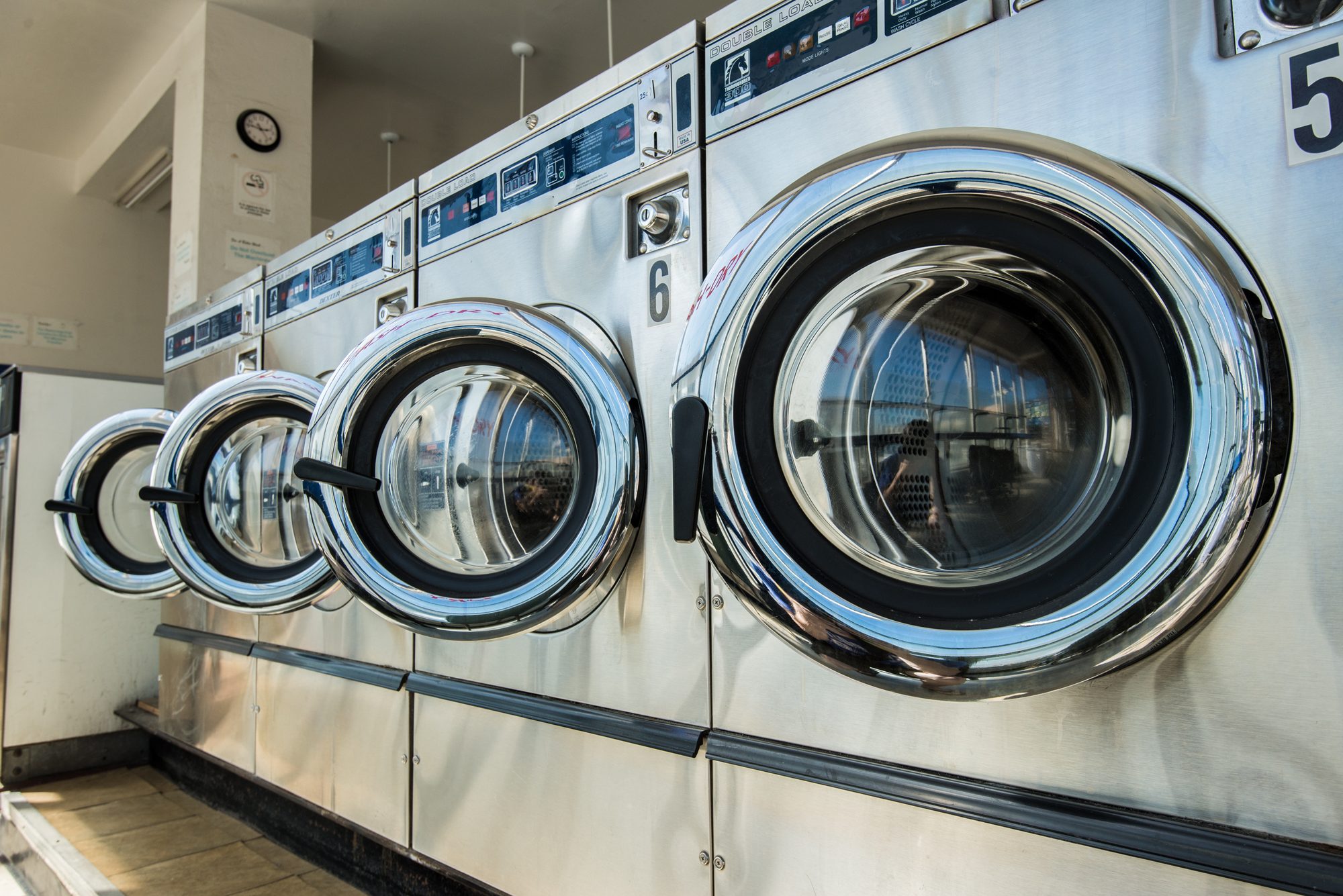
- Most covers are machine washable: a commercial front-loading machine (a laundromat's), delicate cycle, cold water only.
- A mild detergent, measured: Woolite, or a quarter cup of Simple Green in a cup of water. Skip bleach and fabric softener.
- Never machine dry. It can shrink or ruin the fabric. Hang it and air dry completely.
- No machine? Hand wash it on the car, outside first, then refit it inside out for the inner side, and take it off to dry.
The wash, step by step
These steps work whether the cover spends its life in a garage or on a driveway. None of them take long on their own; it's skipping one, usually the cold water or the extra rinse, that costs you a stiff or shrunken cover down the road.
Shake off what you can first
Before any soap touches the fabric, pull the cover off and give it a firm shake with the wind at your back. Loose dust, leaves and grit come off in seconds this way, and starting clean means the wash is actually cleaning the cover instead of just moving dirt around inside the drum.
TipA cover that lives outside collects dust fast. A quick shake or a pass with a handheld vacuum between washes keeps it looking sharp and cuts down how often it needs a full wash.
Treat sap and droppings before they set
Tree sap softens with a little rubbing alcohol on a cloth. Let it sit for a minute, then scrape the softened sap away gently with the edge of a spoon rather than scrubbing, which can grind grit into the weave.
Bird droppings lift with warm water, a mild detergent and a splash of vinegar. Either way, treat the spot before the cover goes in the wash, so the stain doesn't set through a full cycle.
TipKeep the cleaning cloth plain and light colored. A dyed rag can transfer color onto the cover fabric once it's damp.
Use a commercial front-loader
A front-loading machine tumbles the cover through a shallow pool of water instead of twisting it around a center post, so a top-load washer with a center agitator, which can snag and rip cover fabric, is out. Our own care instructions call for a commercial machine specifically: home washers tend to have a center agitator, so a laundromat's commercial front-loader is the safe choice.
Delicate cycle, cold water only
Cold water and the gentlest cycle your machine offers are non-negotiable. Hot water pushes at exactly what a technical cover fabric is built to resist: the stretch fibers in a polyester-spandex blend like AllGuard Satin Protect's relax and lose their grip under heat, and heat can damage the fabric and finish of an outdoor cover too. Our own care page is blunt about it: never hot water, never the dryer.
A mild detergent, measured
Use the amount of a delicate detergent like Woolite the label calls for, or mix your own: a quarter cup of Simple Green diluted in a cup of water. Skip anything harsher. Bleach can strip color and weaken fibers, and fabric softener works against the cover by coating the fibers in a residue that cuts into its water resistance.
Rinse twice
Run the rinse cycle a second time. Detergent left behind in the weave attracts more dust after the next use and can leave the fabric feeling stiff, so the extra rinse is worth the few extra minutes.
Hang it and let it air dry completely
Never put the cover in the dryer. Our own care instructions rule it out at any setting, because machine drying can shrink or ruin the fabric, and a home dryer runs roughly 120°F to 155°F, with peaks around 160°F. Hang the cover over a line, a fence or a couple of sawhorses instead, somewhere with airflow, and let it dry all the way through before it goes back on the car or into a storage bag. Dampness sealed in is what starts mildew.
No machine? Wash it in place
With the cover on the car, wet it with a hose, scrub it with a mild detergent and a soft sponge, and rinse. To clean the side that touches the paint, take it off, put it back on inside out and repeat. Then take it off and hang it to dry, the same as after a machine wash.
Keeping it clean between washes
A cover on a car that's driven often, or parked outside, picks dust back up within days. It doesn't need a full wash every time. A few smaller habits keep it looking sharp and stretch out how long it goes between real cleanings.
- ShakePull it off, give it a firm shake with the wind at your back, and put it right back on.
- VacuumA handheld vacuum lifts the dust a shake leaves behind, seams and hem included.
- Spot-checkWipe fresh sap or droppings off as soon as you see them. Both lift far easier soft than after they've had a day to set.
Why the wash is worth doing right
None of this is complicated, but skipping a step costs more than a stained cover. Heat can shrink or damage the fabric, harsh detergent is hard on any cover, and softener cuts into an outdoor cover's water resistance. Owners who keep a car under wraps for years, not seasons, tend to be the ones who treat the cover as part of the car.
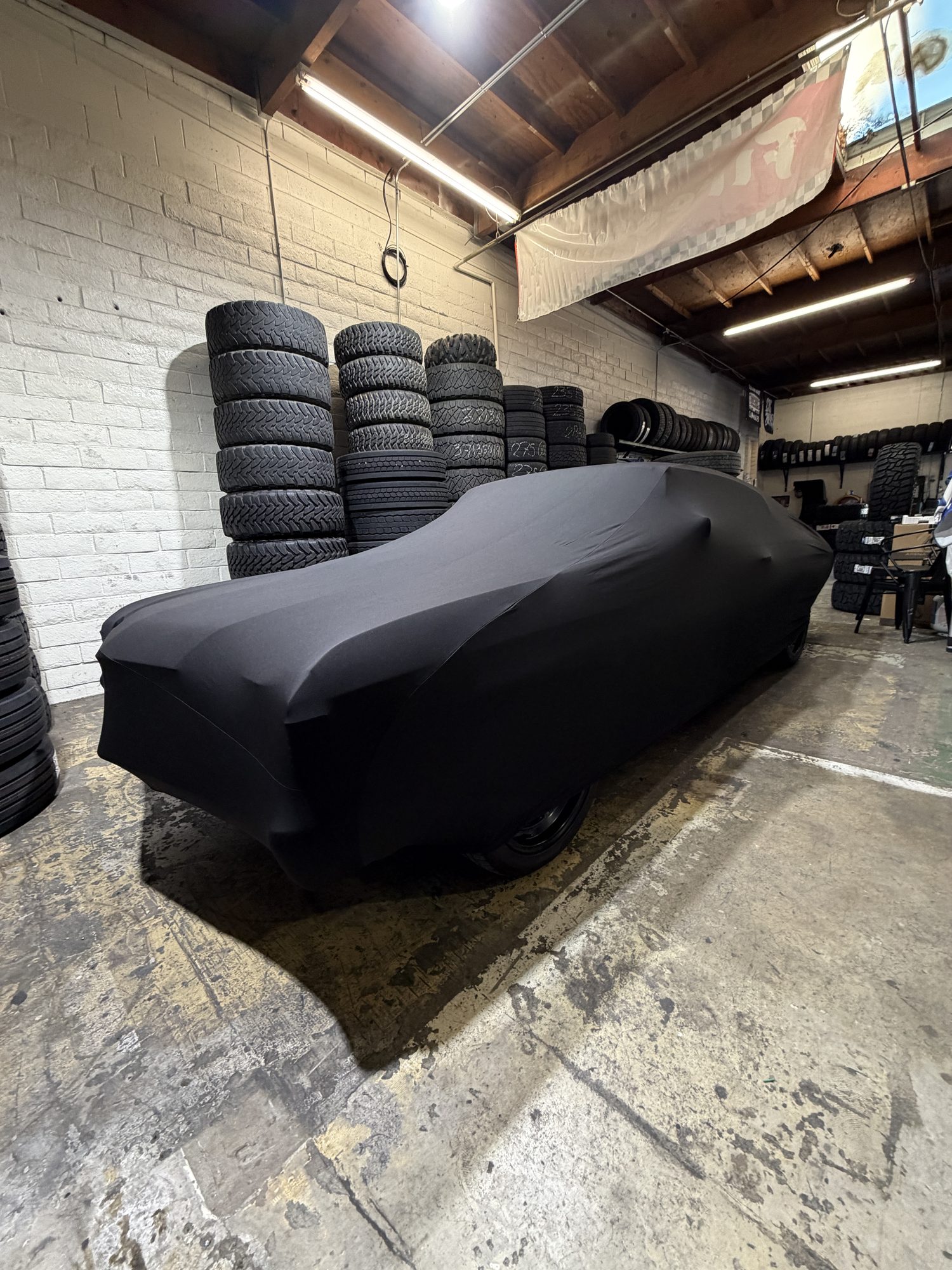
I trust CarCovers.com to protect my Chevelle. [...] I've owned the car for 12 years and plan to keep it, so it's important it stays protected.
That's the payoff: wash it right, and a cover keeps doing its job for as long as the car does.
Questions owners ask
Can I put my car cover in the dryer?
No. Our own care instructions rule the dryer out at any setting, because machine drying can shrink or ruin the fabric. Hang it up and let it air dry completely instead.
What detergent should I use on a car cover?
A delicate detergent like Woolite, in the amount the label calls for, or a quarter cup of Simple Green diluted in a cup of water. Skip bleach, and skip fabric softener too, since it coats the fibers in a residue that works against the cover's water resistance.
How do I get tree sap or bird droppings off a cover?
Soften sap with a little rubbing alcohol, then scrape it gently away with the edge of a spoon rather than scrubbing. Lift droppings with warm water, a mild detergent and a splash of vinegar. Treat either one before the cover goes in the wash.
Can I wash the cover without taking it off the car?
Yes. With the cover on the car, wet it with a hose, scrub with a mild detergent and a sponge, and rinse. For the inner side, refit it inside out and repeat, then take it off and hang it to dry the same as a machine wash.
How often does a car cover need a real wash?
There's no fixed schedule. Wash it when a stain sets in or the fabric looks dull with dust, and knock loose dust off between washes by shaking it out or running a handheld vacuum over it, so the next real wash isn't just moving dirt around.
Care for the cover, and it keeps caring for the car.
A cover washed the right way keeps its stretch indoors and its water resistance outdoors for years, not one hard season. When it's time for a new one, every AllGuard cover is matched to your exact car.
Sources (15)
- Wash a car cover on a delicate cycle in a front-loading commercial washing machine; never a top-load machine with a center agitator, which can rip the fabric. carcovers.com
- Use cold water only; avoid hot water, bleach and fabric softener, since softener weakens water resistance. carcovers.com
- Use the recommended amount of a delicate detergent like Woolite, or a quarter cup of Simple Green diluted in a cup of water; run the rinse cycle at least twice. carcovers.com
- Never machine dry a car cover; machine drying can shrink or ruin the fabric. Hang it and air dry instead. carcovers.com
- Hand wash on the vehicle with a hose, mild detergent and a sponge; to clean the inside, install the cover inside out and repeat; rinse and hang to dry. carcovers.com
- Dab rubbing alcohol on a cloth as the first line of attack on tree sap. consumerreports.org
- Scrape the softened sap off gently with a spoon or dull knife. tide.com
- Lift sap and bird droppings with warm water, a soft cloth and a little soap, rubbing gently rather than scrubbing. mwg.aaa.com
- A solution of dishwashing liquid and white vinegar in water, 1 teaspoon of each per cup, cleans stains from fabric. sunbrella.com
- Lighter-colored fabrics can absorb dye from darker or brightly colored items. tide.com
- Shake off excess dirt, leaves and debris before washing a car cover. jalopnik.com
- Domestic top-loading washing machines can spin too harshly and tear the material, so wash a car cover in a commercial laundromat's front-loading machine. jalopnik.com
- Top-load agitator washers are rougher on fabric than front-loaders; the center post rubs items against each other during the wash. consumerreports.org
- A home clothes dryer typically runs from about 120°F to 155°F, with peaks around 160°F. rd.com
- Hot water and heat relax and can permanently damage the elastic structure of spandex fibers, which is why spandex-blend fabric is washed cold and air dried. spandexbyyard.com